
Travel insurance used to feel like an optional add-on, especially for short trips. But for many Americans, the financial risk of traveling has grown as plans get more complex and disruptions more common.
Medical care away from home, missed connections, and last-minute cancellations can turn one problem into multiple bills. Insurance won’t prevent delays, but it can limit the cost of them when timing is tight.
The key shift is mindset: travelers are protecting prepaid spending and health risks the same way they protect a phone or car, because replacing a trip is often more expensive than the policy.
Medical coverage gaps can get expensive fast

Many Americans assume their health coverage travels with them, but that’s not always true. Domestic plans may reimburse slowly, and Medicare generally doesn’t cover care outside the U.S., with limited exceptions.
A simple ER visit abroad can mean paying upfront, navigating paperwork in another language, and finding a hospital that will treat visitors. If a doctor recommends tests or admission, costs can jump fast.
Medical evacuation is the real budget breaker. Getting transported to a facility, or back home, can require air transport and medical staff. Travel insurance can bundle medical and evacuation coverage into one predictable cost.
Disruptions have bigger ripple effects on tight itineraries
Air travel runs with little buffer, so one delay can trigger missed connections, lost hotel nights, and pricey rebooking. When a flight cancels, the remaining seats are often the most expensive, and airlines may not cover all downstream costs.
Storms, heat, winter systems, and airport disruptions can derail plans fast. On cruise and tour itineraries, missing a departure time can also mean losing prepaid activities.
Trip delay and interruption coverage can reimburse extra lodging, meals, and local transport. That support helps travelers rebuild the itinerary instead of paying every surprise cost out of pocket.
More trip costs are prepaid and harder to recover

Trips now include more prepaid pieces: nonrefundable flights, short-term rentals with strict terms, tickets for attractions, and guided activities. If illness, injury, or a family emergency hits, you can lose multiple deposits at once.
Even when suppliers offer credits, the dates may not match your schedule, and fees can apply to rebook. Group tours and cruises can have penalty windows that increase sharply as departure nears.
Cancellation coverage is designed to protect that sunk cost, not to make money. For many Americans, the math works when a single missed trip could wipe out months of saved travel budget.
Credit-card protections often don’t cover the whole problem
Some travelers rely on credit-card protections, but those benefits can be narrow. They may require paying the full fare on the card, and limits can be low for medical issues, cancellations, or baggage.
Claims can take time, with strict paperwork and exclusions that surprise people, like certain weather events or “known” disruptions. If you book through multiple sites, proving what you paid can get messy.
Travel insurance can cover the trip as a whole, not just one charge. It can also help when a tour operator changes plans or a provider fails, so you’re not disputing purchases one by one separately.
Policies vary, so choosing coverage is part of planning now
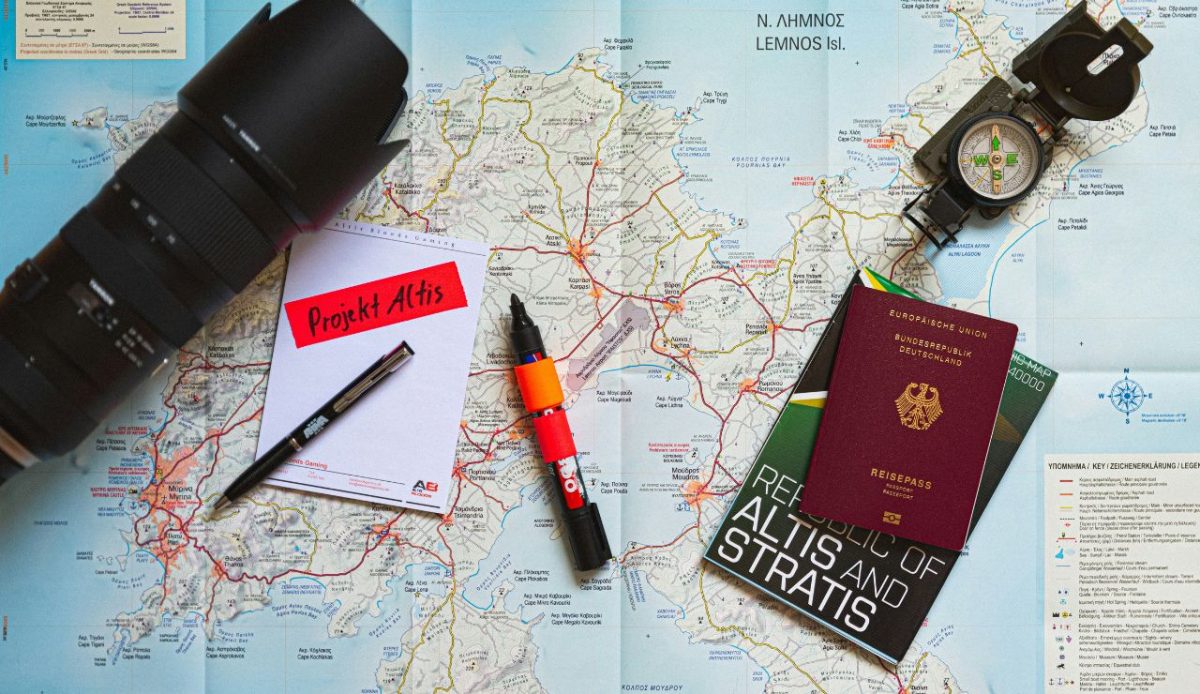
Not all policies are equal, which is why insurance has become a real planning step. Travelers compare medical limits, evacuation, delay rules, and cancellation terms instead of grabbing the cheapest add-on.
“Cancel for any reason” can add flexibility, but it costs more and typically reimburses only part of the trip. Pre-existing condition waivers may require buying soon after the first deposit.
Exclusions still matter: some activities, rental cars, and higher-risk itineraries need extra coverage. When the policy matches the trip and the traveler’s health realities, it works like a guardrail, not a gamble.
