
Gate shortages at major U.S. airports show up when arriving aircraft outnumber usable parking positions at the terminal, most often during busy morning and evening banks. A flight can land on time and still wait because its assigned gate is occupied by a late departure, a neighboring gate cannot be reassigned quickly, or ramp lanes are clogged by pushbacks and service vehicles. If the no-contact gate is open, the aircraft may be sent to a remote stand, and passengers are bused, which adds time and ties up crews. When this repeats, connections break, and delays cascade across the network. The effect is felt first at hubs.
A strict explanation must separate gate capacity from runway capacity and then identify what prevents gates from being reused quickly. The main constraints include concentrated scheduling for connections, longer and less predictable turn times, larger aircraft that need more clearance, and gate leases that limit swapping between carriers. Limits also come from security checkpoint layouts, single corridor concourses, and the number of jet bridges that can serve certain aircraft. These pressures rise faster than expansions can be delivered through planning, approvals, and phased work during peak travel weeks.
Peak Scheduling Creates Short, Intense Surges
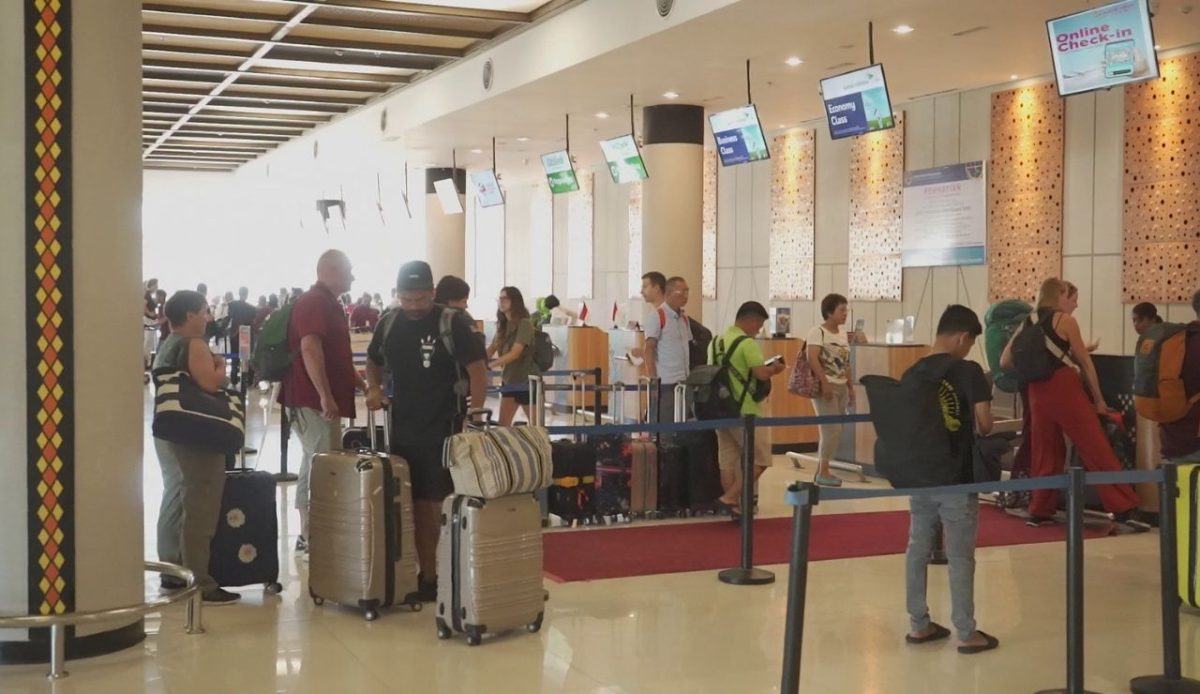
Hub airlines design schedules around connection banks, so many arrivals and departures are packed into short windows. Even if total daily flights are moderate, peak hour demand for gates can exceed supply when aircraft arrive within minutes. A single late outbound can block its gate, forcing the inbound to wait, which then disrupts planned swaps downstream. Airports sometimes use gate holds, keeping departures parked until a ramp lane clears, but that leaves fewer open spots for inbounds. Because performance is recorded at the gate, these waits become reportable delay minutes even when the landing was smooth.
Seasonal demand makes the surge worse. Holiday travel, summer leisure peaks, and large event weekends raise load factors and reduce schedule flexibility, so airlines are less willing to cancel a flight to free a gate. When weather or air traffic flow programs slow arrivals, flights bunch up and then arrive in waves once restrictions lift. The airport may have the same gate count as last year, yet more flights compete for a short arrival burst, so the shortage is experienced as gridlock. Remote stands and bussing can help, but they add turn time and require extra staff. The problem is most visible at hub banks.
Gate Leases And Common Use Policies Reduce Flexibility
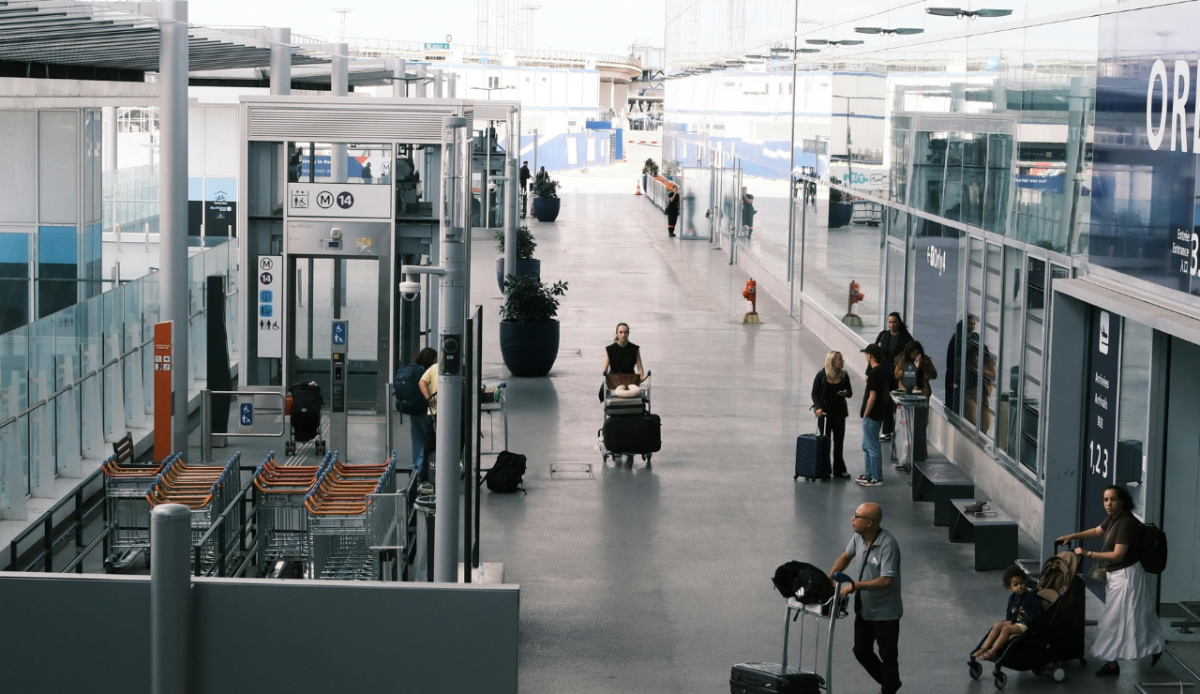
At many large airports, gates are not a single shared pool. Some are managed by the airport as common use, while others are controlled under preferential use leases that give a carrier priority to schedule and staff the position. When a leased gate is idle for a short period, it may still be unavailable to another airline without coordination, compatible equipment, and a formal release. During irregular operations, the delay in reassignment matters because arrivals need a place to park immediately to unload passengers, bags, and crews. The result is gate waiting even when the concourse looks calm from inside the terminal.
Common-use systems can improve utilization, but they depend on shared jet bridge controls, ground power units, baggage belts, and consistent boarding procedures. If an airline exceeds planned turn time, the airport has limited tools unless penalties or occupancy rules are enforced. Flexibility must also be balanced with safety, since crowded ramps need clear taxi lanes, fueling zones, and service roads. When compliance slips, towing and remote parking become routine pressure valves that reduce throughput. They also need strong gate management software and ramp staffing. Without both, swaps slow down during disruptions.
Terminal And Airfield Geometry Limit Practical Gate Adds
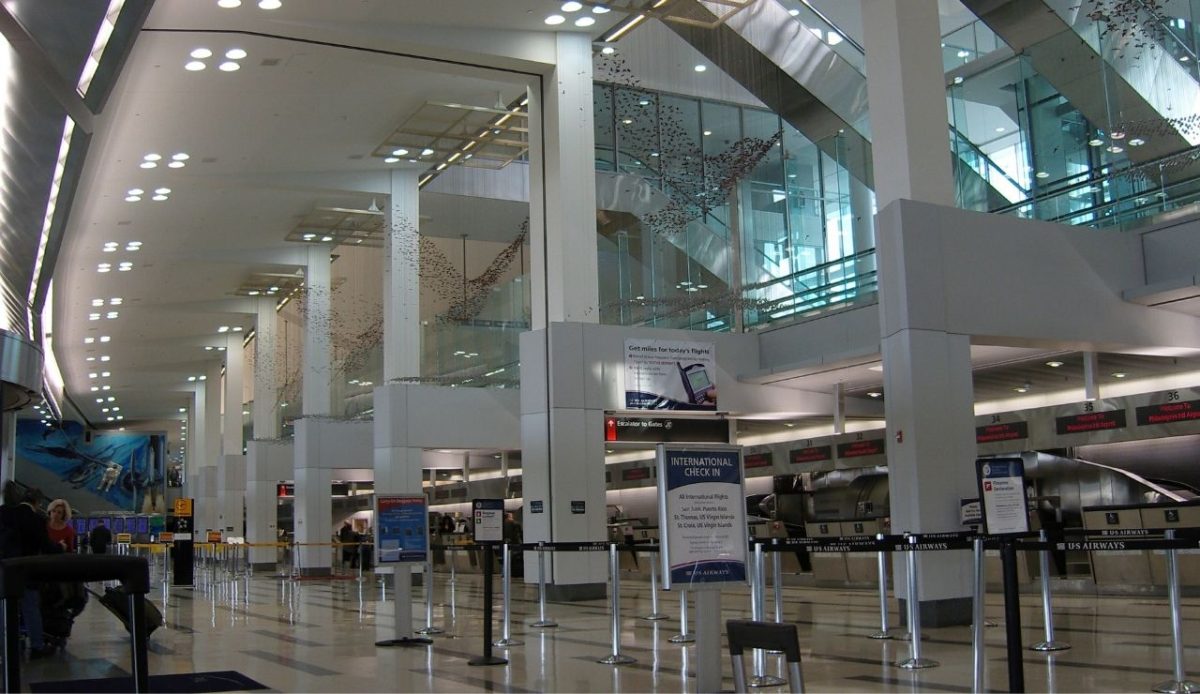
Adding a gate is not as simple as painting a new stop line. Each position must meet clearance rules for wings, service vehicles, and adjacent taxi lanes, and the ramp must allow safe pushback paths without blocking other traffic. Gates also need utilities such as ground power, preconditioned air, fueling access, and reliable jet bridge reach. When a concourse was designed for smaller jets, newer aircraft with larger wingspans can reduce the number of positions that are usable at once. A gate may fit one aircraft type but not another, so flexibility drops exactly when schedules tighten. Deicing areas can create similar pinch points.
Many top airports are boxed in by roads, neighborhoods, or water, which restricts new concourses and apron expansion. Even when a terminal rebuild improves checkpoints and seating, the airside footprint may remain fixed, so passenger comfort rises while gate count stays flat. Construction can also remove gates temporarily as work zones shift, and taxi lanes may be narrowed for safety. Those interim losses can worsen shortages before new gates open. Remote stands help, but bussing, longer walks, and towing add minutes to each turn. The strain is worse when delays stack late in the day. Then the gates do not reset overnight.
Turn Time Variability Keeps Gates Occupied Longer
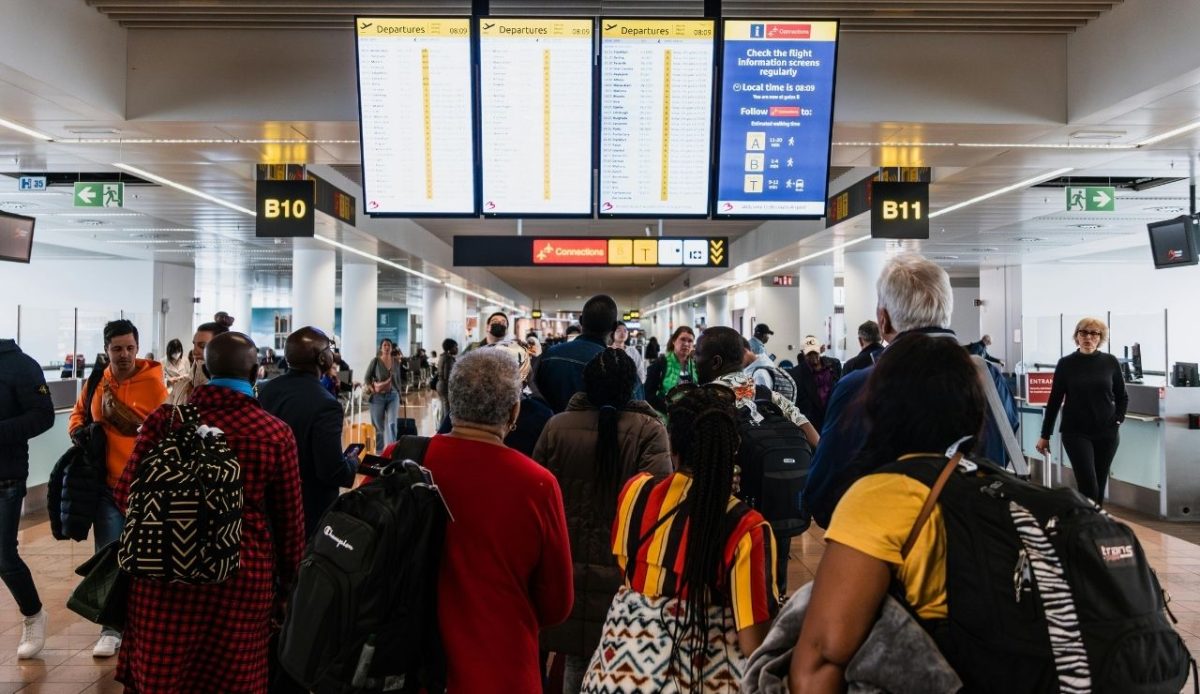
A gate plan assumes each aircraft will arrive, unload, board, and depart within a narrow window. When staffing is thin, boarding slows, bags arrive late, catering runs behind, fueling is delayed, or a maintenance check is needed, the aircraft stays at the gate longer than scheduled. That extension blocks the next arrival assigned to the same gate, forcing a taxiway wait or a last-minute reassignment. If multiple late flights arrive together, the gate plan loses all slack, and the ramp becomes a queue. Longer turns also reduce the number of usable gaps for swaps. This is why small delays can feel much larger.
The issue is amplified by passenger and operational variability. Full flights increase the time needed for carry-on sorting, wheelchair help, and family seating, and jet bridge limits can slow boarding for some door layouts. When an inbound flight waits for a gate, crews may hit duty limits, and the next flight can be canceled, which wastes capacity later. Airports set two time limits and ask carriers to clear gates, but towing needs tugs, trained drivers, and staging space. Ground stops can then release arrivals in waves that overwhelm the same scarce gates. Recovery becomes hard in the evening banks.
Expansion Timelines And Funding Cycles Lag Demand
New gates are delivered through long projects that must keep the airport operating while work occurs next to active aircraft. Planning includes environmental review, design for security and fire codes, bidding, and utility relocation, then phased construction that can span years. Funding often relies on passenger fees, airport bonds, and federal grants, and bid prices can rise with labor and material constraints. During the build, gates may be closed, so capacity can drop before it rises. If demand rebounds faster than forecasts, the airport reaches the limit well before the new concourse opens, across multiple seasons.
Even after construction, the benefit depends on how new gates are assigned and managed. If most positions are tied to long-term leases, the airport may gain space but not much flexibility for irregular operations. Utilization improves when common-use inventory grows, equipment is standardized, and occupancy targets are enforced with clear consequences. Better ramp traffic planning, including pushback windows and remote stand rules, can also reduce conflicts. Without policy changes, added gates can be absorbed by schedule growth, and gate waits remain common on peak days. That is why relief can be brief.
