
Some destinations save their best mood for the hour when beach bags disappear, dinner patios fill softly, and the main streets stop feeling rushed.
The best time to understand a vacation town is not always noon, when parking is tight and everyone is chasing the same view. In a few places, the real charm shows up after sunset: softer sidewalks, quieter waterfronts, glowing shop windows, and enough room to notice what you missed all day.
Carmel-by-the-Sea's Lamp-Lit Courtyards
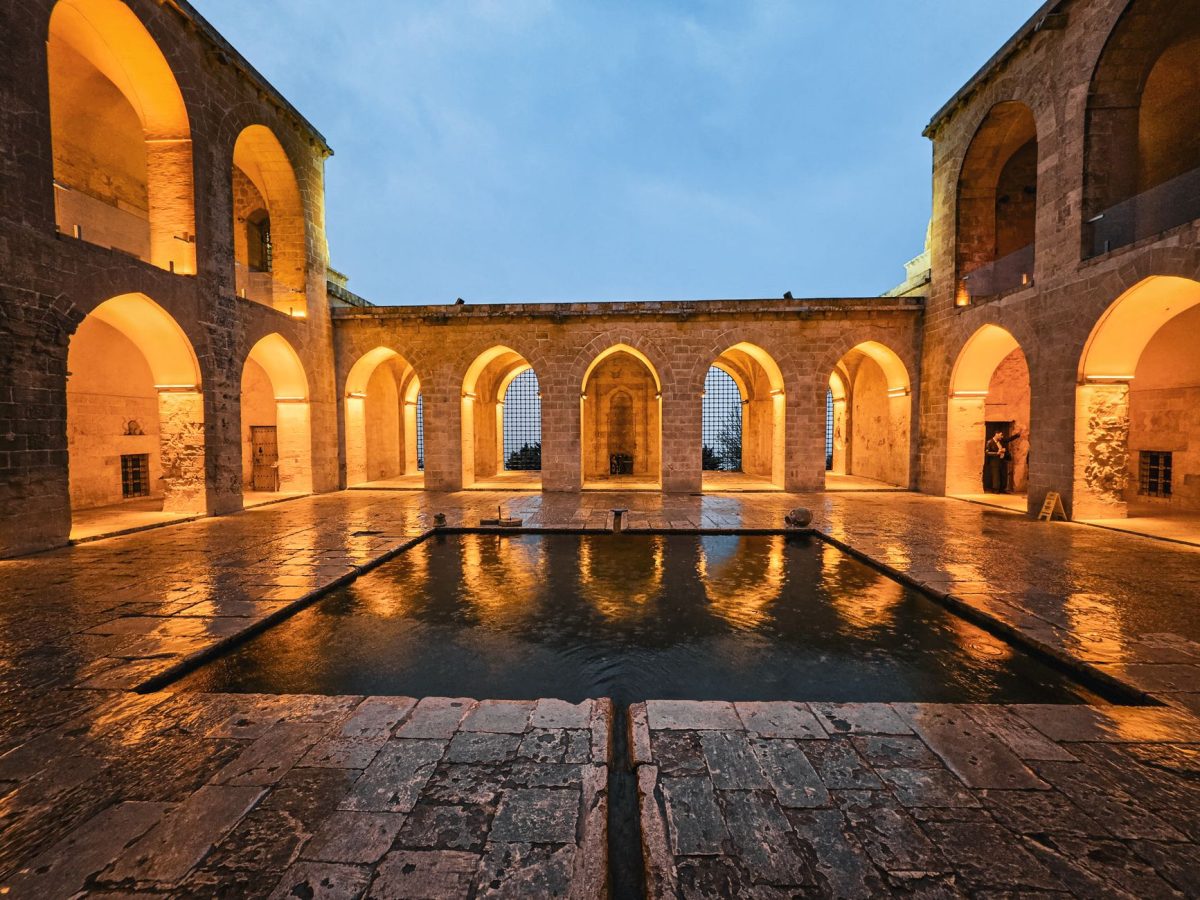
Carmel-by-the-Sea is lovely in daylight, but the town’s scale makes evening feel especially rewarding. Once the day-trippers drift back toward parking lots and coastal drives, the compact village becomes easier to explore on foot. The glow from courtyards, galleries, and small restaurants turns ordinary lanes into the main attraction.
Why it works after dark: the town is built for strolling, not rushing. Visitors who felt boxed in by midday crowds can finally slow down, compare dinner menus, and notice architectural details tucked between shops.
- Check restaurant hours before assuming late-night options.
- Bring a layer, because coastal evenings can cool quickly.
- Plan to walk rather than move the car between short stops.
Bar Harbor's Quiet Waterfront
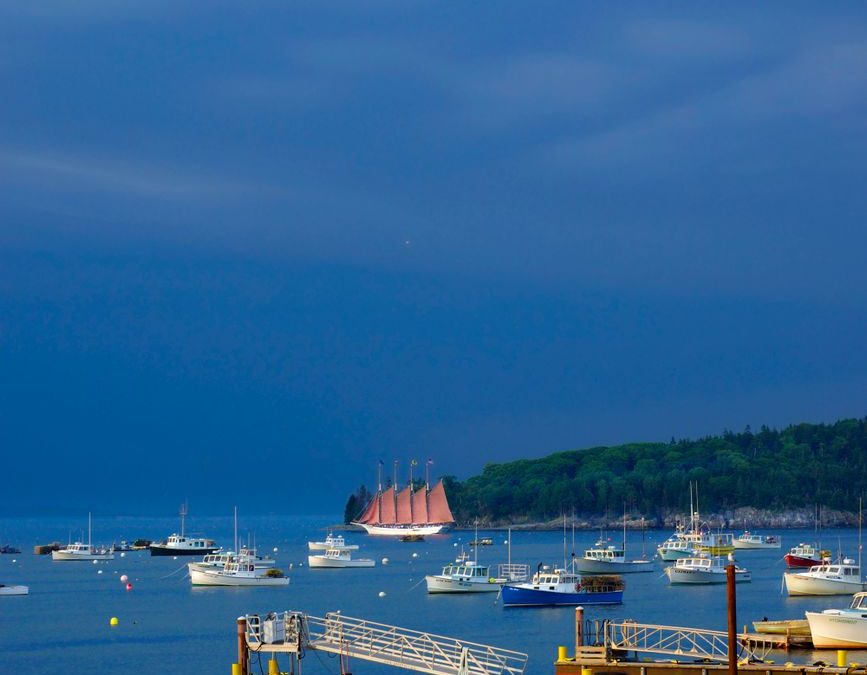
Bar Harbor can feel busy when Acadia visitors, tour groups, and lunch crowds overlap. After sunset, the waterfront often becomes the gentler version of itself. The boats sit quiet in the harbor, the air cools, and the town feels less like a checkpoint and more like a place to linger.
Who it helps: travelers who want coastal atmosphere without fighting for every photo angle. Evening is also useful for families who need a calmer walk after a packed park day, or couples who prefer harbor views to another crowded overlook.
- Watch ferry and tour schedules so you are not stranded or rushed.
- Carry a light jacket even in warmer months.
- Look for waterfront benches before committing to a long walk.
St. Augustine's Old Streets
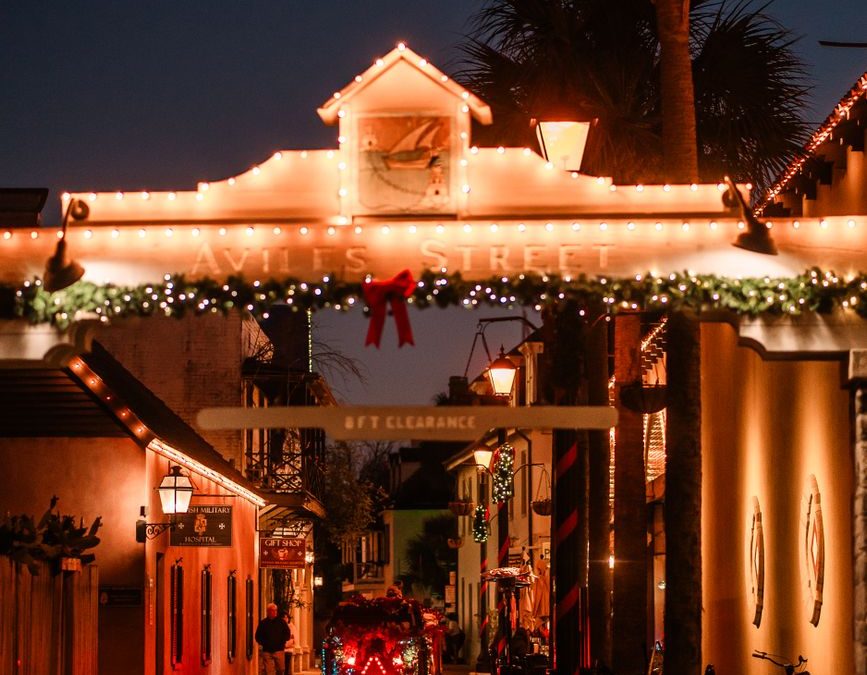
St. Augustine has plenty to see in the sun, but its oldest streets become more atmospheric when the heat eases and the lights come on. The historic district can feel intense during peak afternoon hours, especially when tours, shoppers, and restaurant lines collide. At night, the same blocks often feel more walkable and more focused.
What can go wrong: assuming every attraction stays open late. The better move is to treat evening as a mood shift, not a full sightseeing replacement. Walk the lanes, save a dinner reservation, and check tour times before building the night around one stop.
- Wear comfortable shoes for uneven historic streets.
- Confirm closing times for museums and landmarks.
- Use well-lit routes if you are returning late to lodging.
Cannon Beach's Empty Shoreline
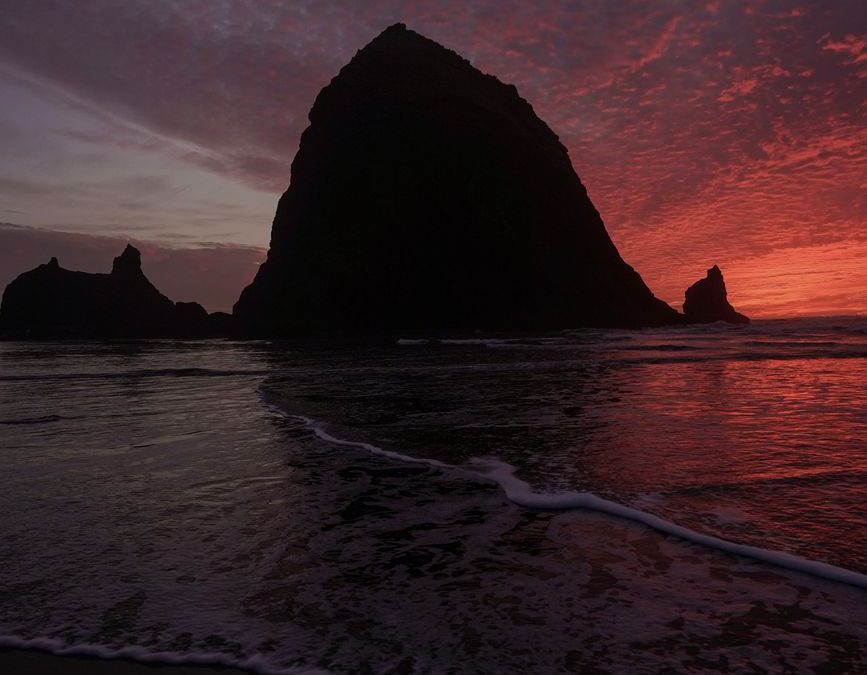
Cannon Beach is famous for one huge visual anchor, but the experience changes when the daytime beach crowd thins. After sunset, Haystack Rock becomes less of a photo target and more of a silhouette. The shoreline opens up, voices carry differently, and the town’s quieter side starts to feel like the point of the trip.
Why it matters: travelers who dislike packed viewpoints may enjoy the same landmark more when there is space to breathe. Evening also encourages a slower pace: one walk, one meal, one final look at the water instead of a checklist.
- Check tide tables before walking far from your access point.
- Expect wind and cooler temperatures after dark.
- Use marked beach exits so you can find your way back easily.
Sedona's Red Rock Twilight
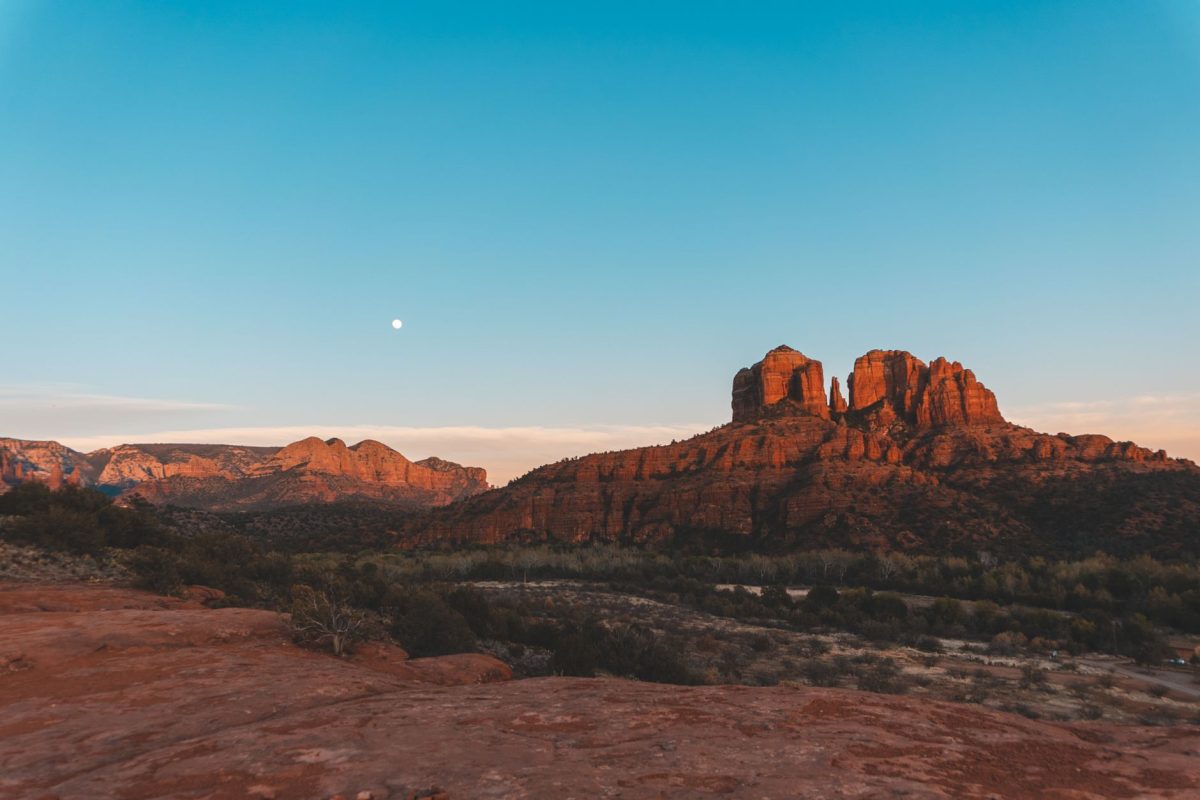
Sedona’s daytime scenery is the headline, but twilight can make the town feel less hurried. Trailhead parking, heat, and viewpoint traffic can dominate the middle of the day. After sunset, the red rocks lose their harsh glare, patios become more inviting, and the town’s quieter rhythm is easier to notice.
What to check next: whether your evening plan depends on driving, stargazing, or dining. Roads can be dark outside the busier corridors, and popular restaurants may still need reservations. The reward is a vacation-town mood that feels calmer than the postcard version.
- Bring a light layer for cooler desert evenings.
- Use a flashlight if walking near trailheads or viewpoints.
- Respect dark-sky areas by keeping lights low when possible.
A town that feels crowded at lunch can feel completely different after the sun drops. The trick is to plan for that second version: confirm hours, pack for cooler air, and leave room for an unhurried walk. Sometimes the best attraction is the same street, harbor, or shoreline with fewer people in the way.
This article was created with AI assistance and reviewed for clarity, sourcing, and editorial quality.
