
Travel warnings often focus on entire countries, yet many risks apply only to specific neighborhoods rather than whole cities. These areas show higher exposure to violent crime, weak policing, or ongoing instability that affects visitors directly. Governments issue advisories after reviewing kidnapping data, armed incidents, and limits on emergency response. Travelers rarely plan to enter these districts, but navigation errors, transit delays, or poor local advice can place them there. The locations below appear repeatedly in official advisories because conditions can change quickly, and assistance may not arrive quickly.
1. Petare, Caracas, Venezuela
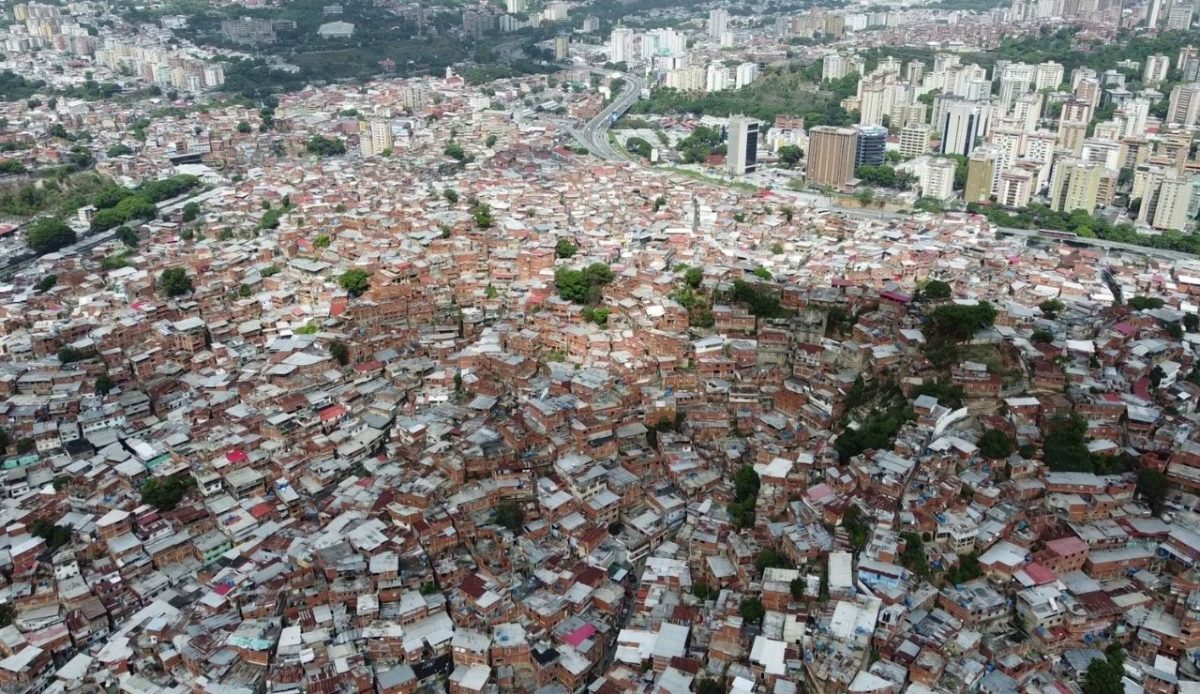
Petare ranks among the largest informal settlements in Latin America and remains under consistent warning from foreign embassies. Armed groups control many internal streets, and clashes with police units occur without advance notice. Visitors face risks linked to robbery, express kidnapping, and stray gunfire. Public transit routes near the area change often, leaving travelers exposed if dropped off nearby. Emergency medical response remains unreliable, and delays increase during security incidents. Travel advisories strongly recommend avoiding Petare entirely, noting that safety conditions differ sharply from nearby districts of Caracas.
2. City of God, Rio de Janeiro, Brazil
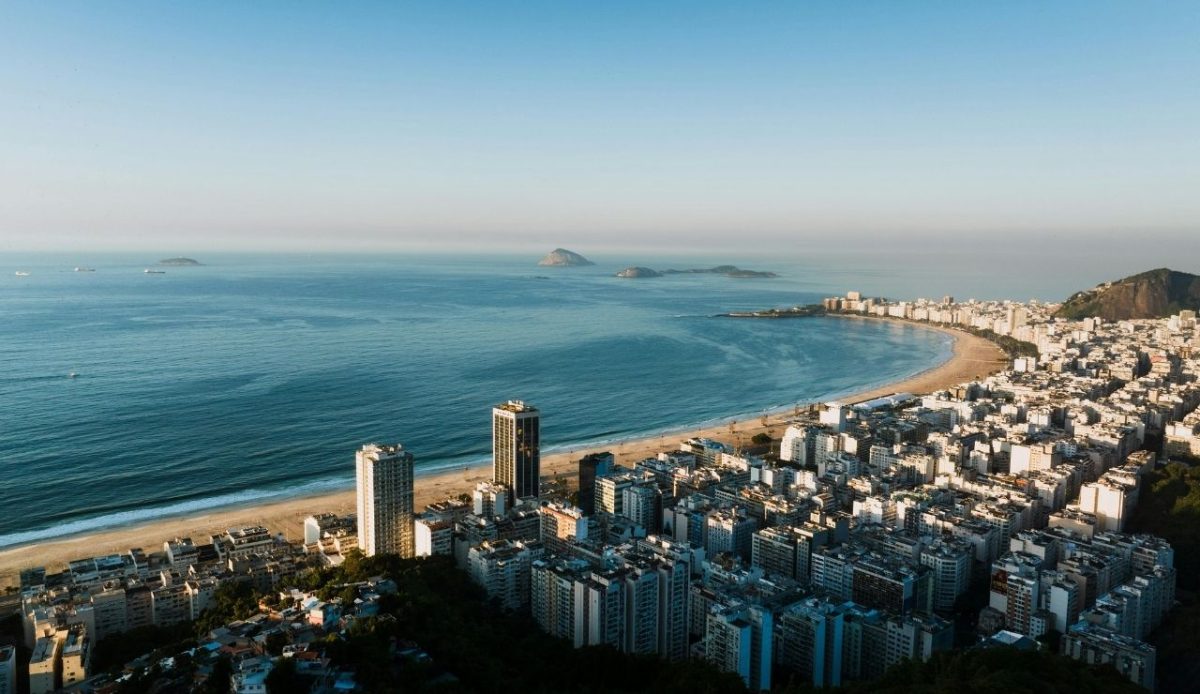
City of God appears often in Brazilian and international security briefings due to recurring armed clashes between police and organized groups. Gunfire incidents begin without warning and may block access roads for hours. Visitors who enter accidentally face immediate suspicion, especially when using cameras or phones. Ride-share drivers frequently refuse trips into the area, which leaves tourists stranded nearby. Law enforcement presence shifts often, and crowd control during operations remains limited. Hospitals and emergency services may pause entry during active incidents. Authorities stress that tourist safety plans for Rio do not apply inside this neighborhood.
3. Sadr City, Baghdad, Iraq
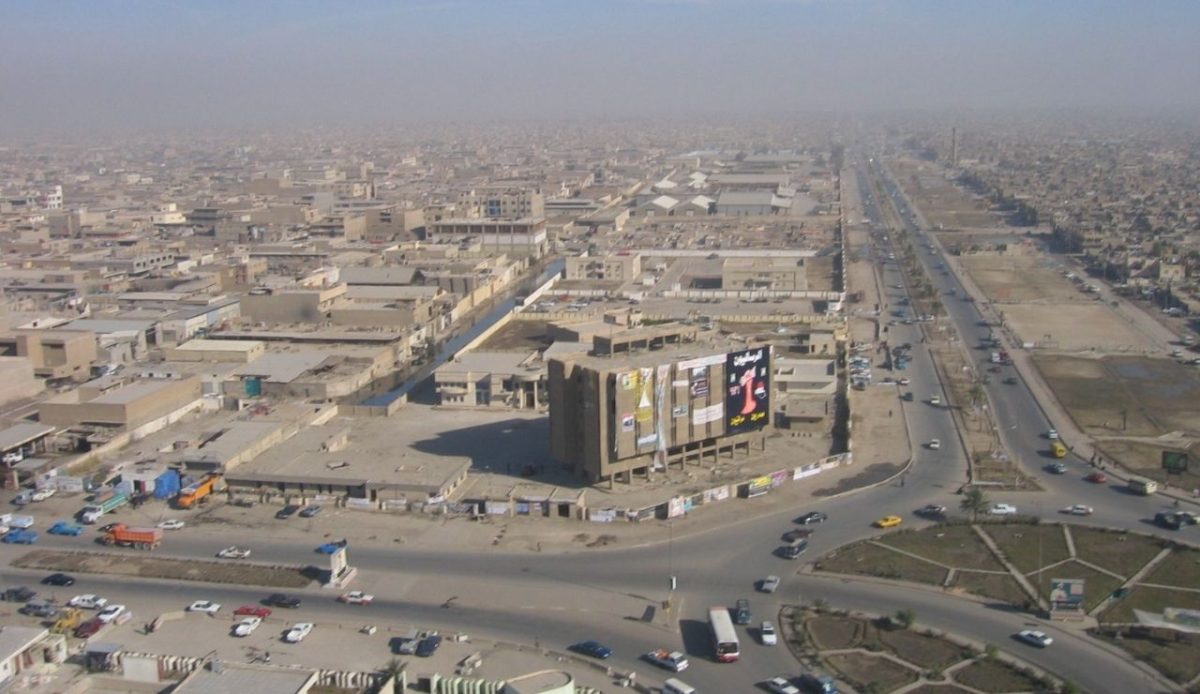
Sadr City is a densely populated district with strong militia influence and a long record of political unrest. Security conditions change fast during demonstrations, religious events, or regional escalations. Foreign nationals stand out immediately, drawing attention that can escalate into detention or harassment. Checkpoints appear without notice, and access routes close with no clear detours. Embassy guidance warns that even trained security teams limit movement here. Medical evacuation options remain limited, and communications disruptions occur during tense periods. Travel planners advise avoiding Sadr City regardless of overall conditions elsewhere in Baghdad.
4. Kibera, Nairobi, Kenya
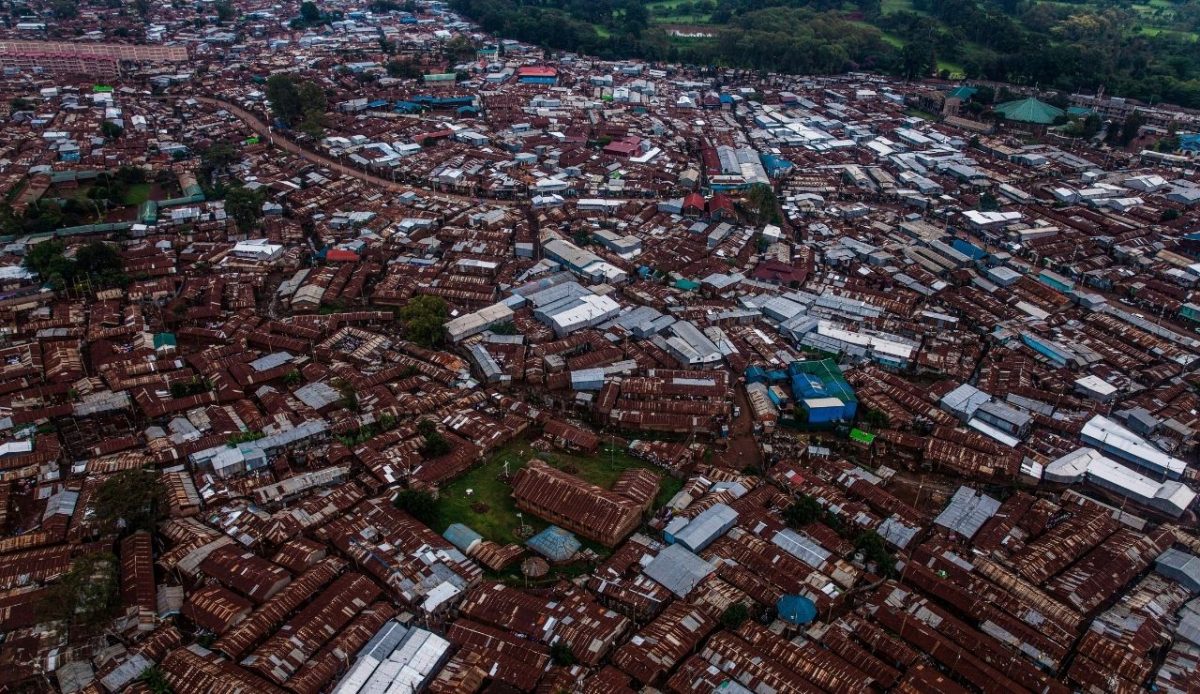
Kibera is often misunderstood as a cultural stop, yet security assessments flag it as a high-risk zone for outsiders. Theft, assault, and organized robbery occur regularly, especially against people unfamiliar with local routines. Navigation apps do not account for foot-only paths, increasing the chance of getting lost. Police response times vary widely, and patrol coverage remains uneven. Health risks add concern due to limited sanitation and access to care. Embassies caution travelers not to enter Kibera without vetted local security support, even during daylight hours.
5. Lyari, Karachi, Pakistan
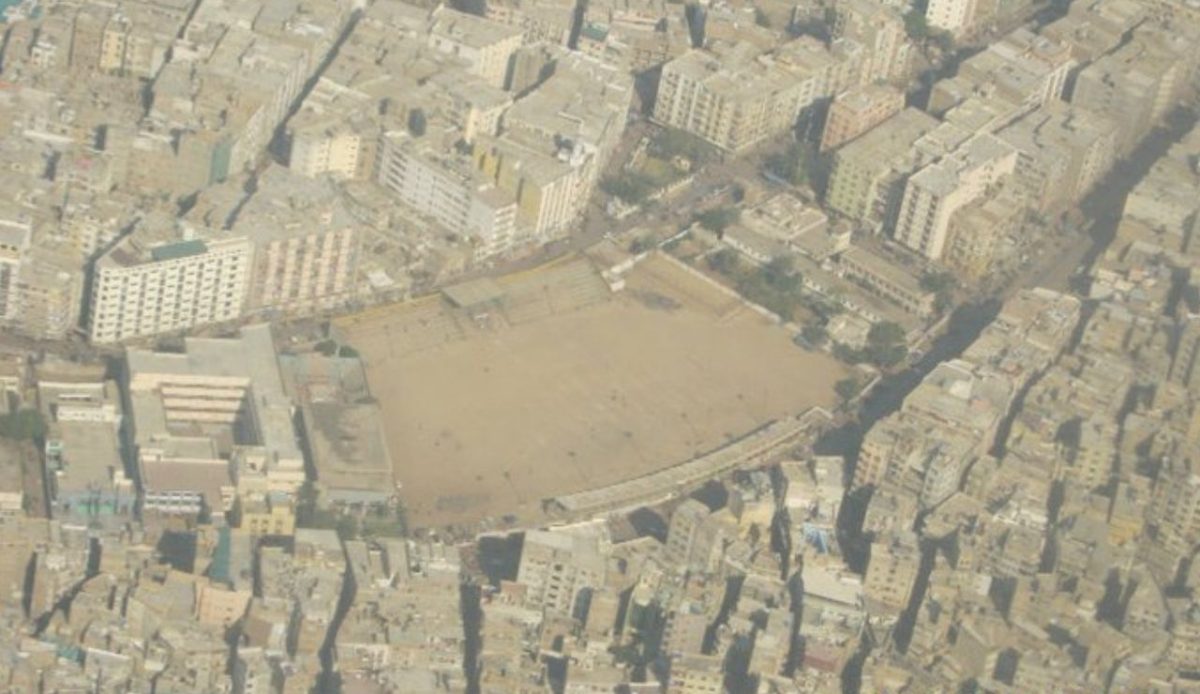
Lyari has a long history of gang violence and territorial disputes that still affect daily movement. Although conditions improved in recent years, travel advisories continue to list it as unsafe for visitors. Sudden clashes, road blockages, and targeted crimes remain documented risks. Foreigners attract attention quickly, increasing exposure to theft or intimidation. Public transit routes passing nearby raise concerns for accidental entry. Emergency response coordination can break down during incidents. Authorities recommend that travelers avoid Lyari entirely and rely on local guidance when moving through southern Karachi.
6. Port-au-Prince Downtown Zones, Haiti
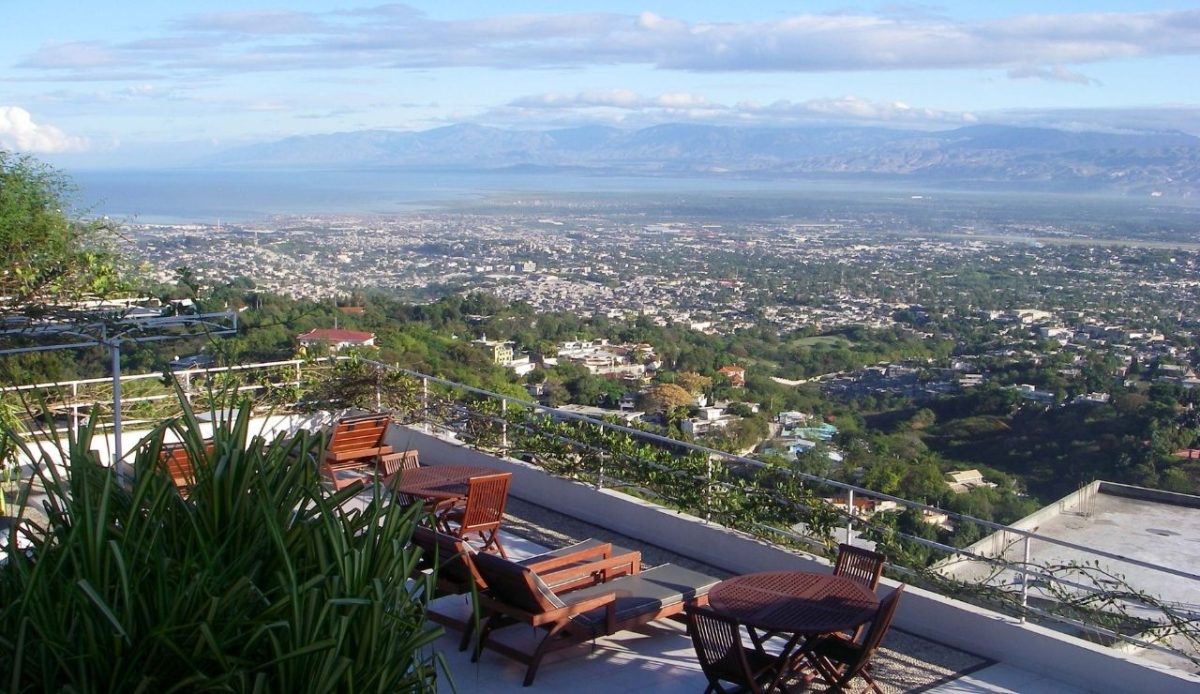
The central districts of Port-au-Prince remain under constant warning due to widespread gang control and political instability. Armed groups restrict movement through roadblocks and informal checkpoints, making navigation unpredictable. Kidnapping incidents target both locals and foreigners, often in daylight and near main roads. Police capacity remains stretched, and backup rarely arrives quickly during active incidents. Medical facilities struggle with staffing and supply shortages, which complicate emergency treatment. Travel advisories note that security conditions can deteriorate within minutes, leaving visitors trapped. Officials strongly advise avoiding downtown areas entirely, regardless of purpose or time.
7. Eastern Colonias of Tijuana, Mexico
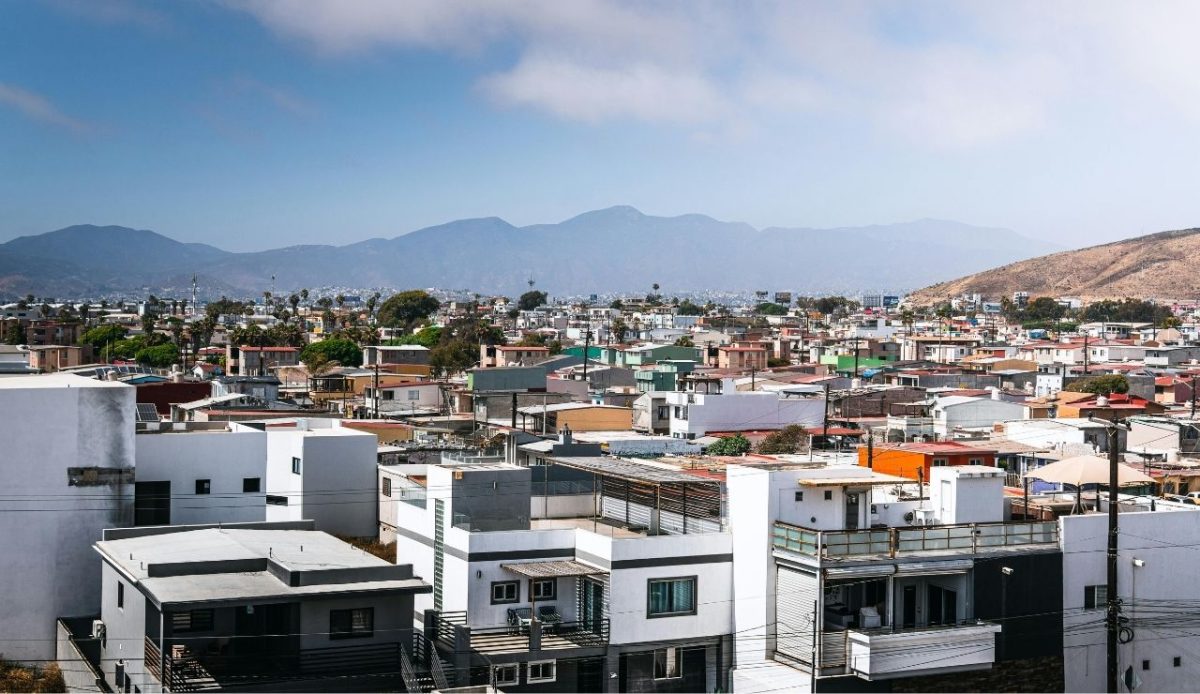
Several eastern neighborhoods of Tijuana appear repeatedly in security advisories due to cartel-related violence and limited police control. Travelers face risks tied to robbery, vehicle theft, and being caught near targeted attacks. These districts lie outside tourist corridors, yet wrong turns from border routes or budget lodging searches can lead visitors there. Street lighting remains poor, and emergency response times are inconsistent. Law enforcement presence changes often, especially during enforcement operations. Advisories warn that visitor safety expectations set for central or coastal Tijuana do not apply in these outer areas.
8. San Pedro Sula Peripheral Districts, Honduras
Outer districts of San Pedro Sula continue to report some of the highest violent crime rates in the region. Organized gangs control neighborhoods through extortion and intimidation, creating unsafe conditions for outsiders. Travelers risk assault or robbery even during short visits or transit stops. Police patrols remain limited, and emergency services face delays due to restricted access. Hotels and tour operators avoid these zones entirely. Government advisories emphasize that safety conditions vary block by block and recommend strict avoidance of peripheral areas, especially after dark.
9. Marawi City Outskirts, Philippines
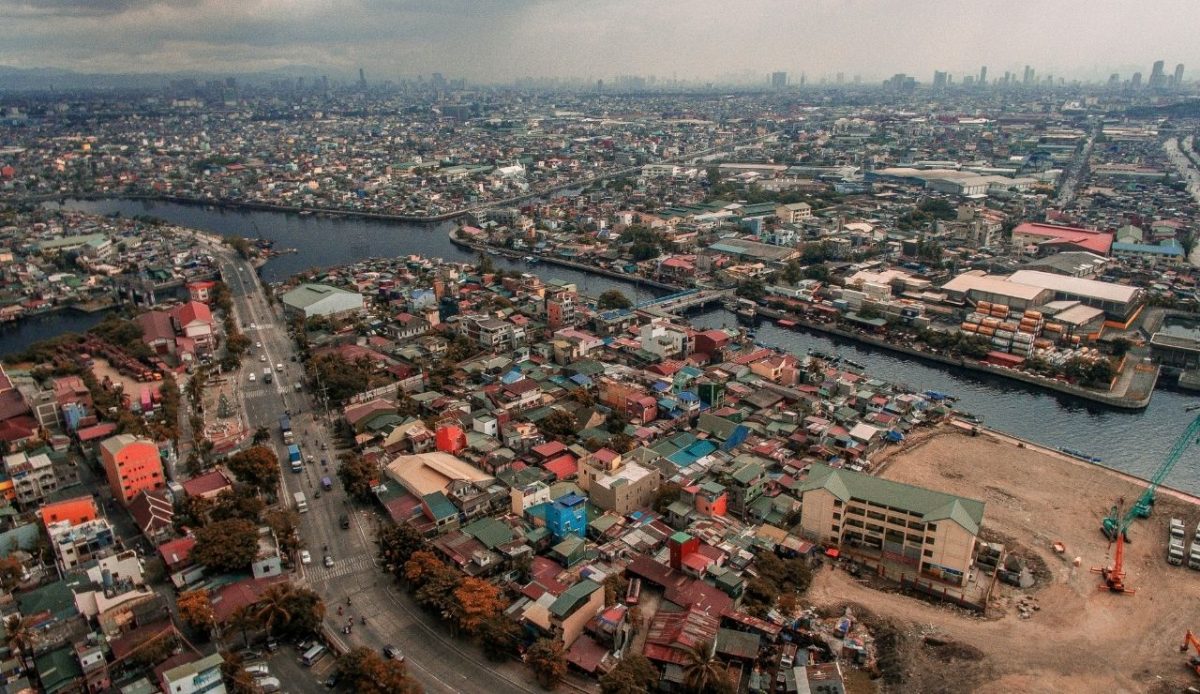
Areas surrounding Marawi City remain sensitive following years of insurgent activity and ongoing recovery efforts. Security forces maintain checkpoints, yet armed incidents still occur in outlying zones. Foreign visitors draw immediate attention, raising the risk of questioning or detention. Road closures happen without notice, complicating exit plans. Medical facilities outside the city center offer limited trauma care. Communication disruptions remain possible during security operations. Travel warnings stress that clearance to visit nearby regions does not extend to Marawi’s outskirts under current conditions.
10. Soweto Informal Settlements, Johannesburg, South Africa
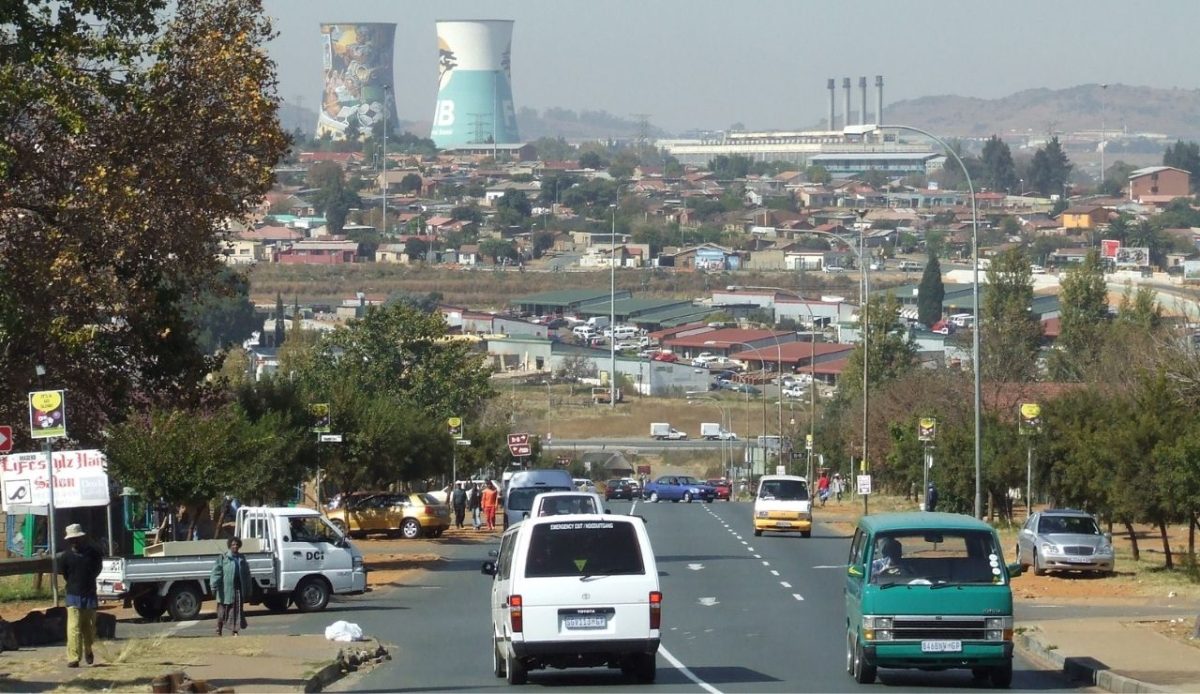
Certain informal areas within Soweto continue to generate safety warnings due to violent crime and uneven policing. Tourists face risks tied to mugging, assault, and carjacking, particularly when moving independently. Navigation errors often place visitors on foot in unfamiliar zones with little signage. Police response varies by sector and time, creating inconsistent protection. Emergency medical access can be delayed during peak hours. Advisories clarify that guided cultural visits operate under controlled conditions, but independent travel within informal settlements remains strongly discouraged.
