
For decades, roadside attractions gave U.S. road trips a sense of surprise. Families pulled over for giant fiberglass figures, neon motels, quirky museums, and diner counters that felt tied to one town. These places were built to be noticed at driving speed and reached in a quick turn from the highway. Today, many long trips run on interstates where stops cluster at exits, and navigation apps favor the fastest options. As a result, the old roadside is skipped more often, and decline happens in plain sight. What looks like a single closure usually started years earlier with fewer meals sold, fewer postcards bought, and less cash for repairs.
The loss is driven by several forces acting at once. Traffic patterns changed, operating costs rose, and ownership often aged out. Some sites were preserved, yet many others were altered until the original drawing became hard to recognize. Neon is replaced by LED panels, themed cabins are rented long-term, and souvenir stands turn into storage. The trend can be seen on older corridors such as Route 66, U.S. 1, and sections of the Lincoln Highway. A slow disappearance is being recorded, one property at a time, across regions. Zoning rules, liability fears, and extreme weather play roles, so each year a few more landmarks vanish from the drive.
Interstates Moved Travelers Away From Old Highways
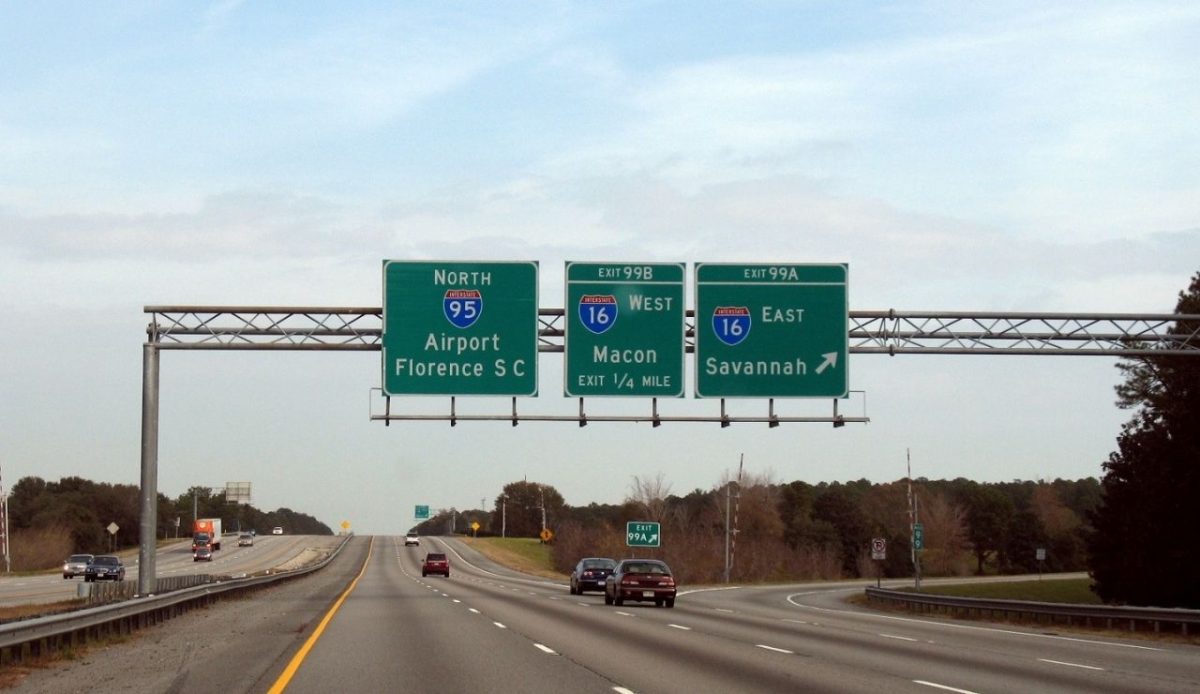
When limited-access interstates opened, many older U.S. routes were bypassed instead of upgraded. A motel that once sat on the main line of traffic could end up a mile or two from the new flow, reached only by a frontage road and a confusing set of turns. Impulse stops fell because drivers stayed on faster lanes and planned breaks at exits where gas, food, and restrooms were grouped. Even well-known sites lost casual visitors, since the new roads were designed to reduce turning, slowing, and cross traffic near businesses. In some towns, bypass loops left the old strip quiet for years afterward.
The effect was uneven, which made it harder for owners to respond. Some towns gained a busy interchange while the historic strip was left quiet, so a diner might see half its former breakfast crowd disappear within a season. A few attractions moved closer to the ramps, but relocation costs were high, and permits were sometimes delayed by utility work and new drainage rules. Others tried larger signs, yet sight lines were blocked by berms, sound walls, and new retail pads. Over time, empty rooms and fewer meal tickets forced repairs to be deferred, and closures followed. Property taxes and loan payments kept coming even when traffic did not.
Chains And Apps Reduced The Reason To Stop
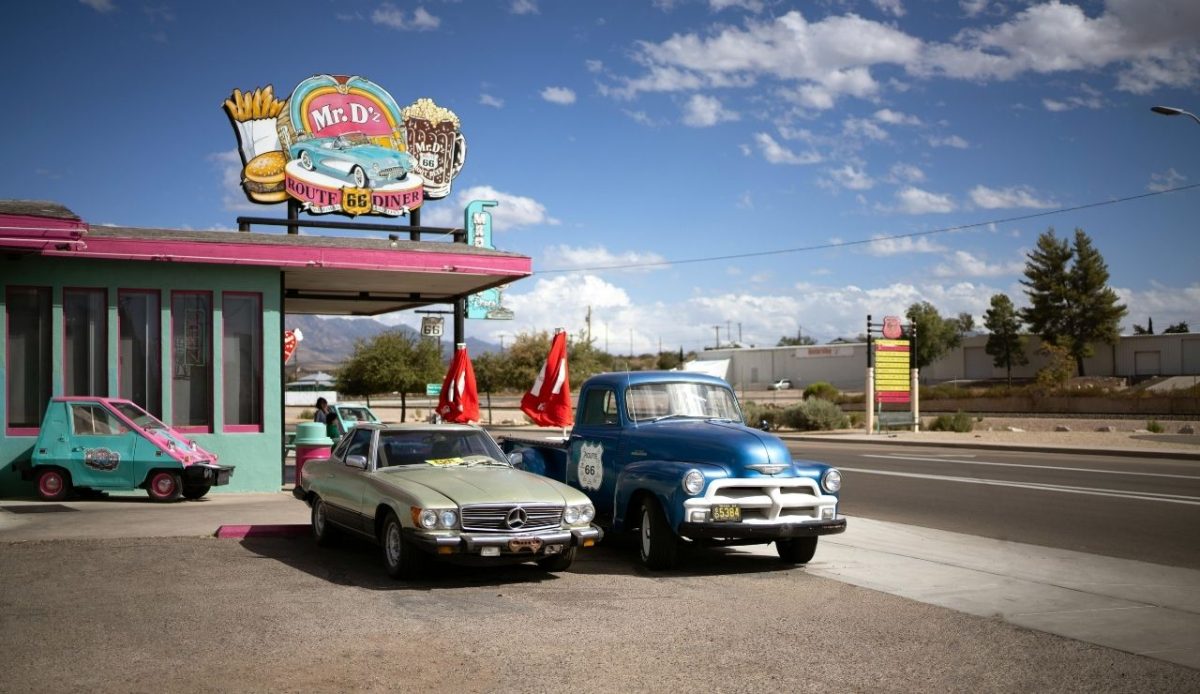
National chains offered clean restrooms, loyalty points, and predictable hours, so many travelers stopped where the brand was familiar. That shift pulled spending away from independent diners, curio shops, and themed motor courts that depended on being different. At the same time, mapping apps began steering drivers to quick fuel and food options near the current route, not the historic one. Older attractions, often a few minutes off the optimized path, were less likely to be suggested on a screen, especially to first-time visitors. A thin review record can drop a stop in search results, even when it merits a detour.
As fewer people turned in, revenue became seasonal and fragile. Operators cut staff, shortened hours, and closed midweek to limit payroll. A smaller schedule made it harder to catch passing traffic, so the downward cycle continued. When a place was reviewed less often, it slipped in app rankings and was found mainly by enthusiasts who already knew the name. Many owners added generic merchandise or lottery sales to keep cash moving, but that strategy often weakened the original theme that once made the stop memorable. Tour buses and EV drivers may choose sites with large lots and chargers, so small parcels lose another advantage they once had.
Repair Costs Rose Faster Than Admission Prices
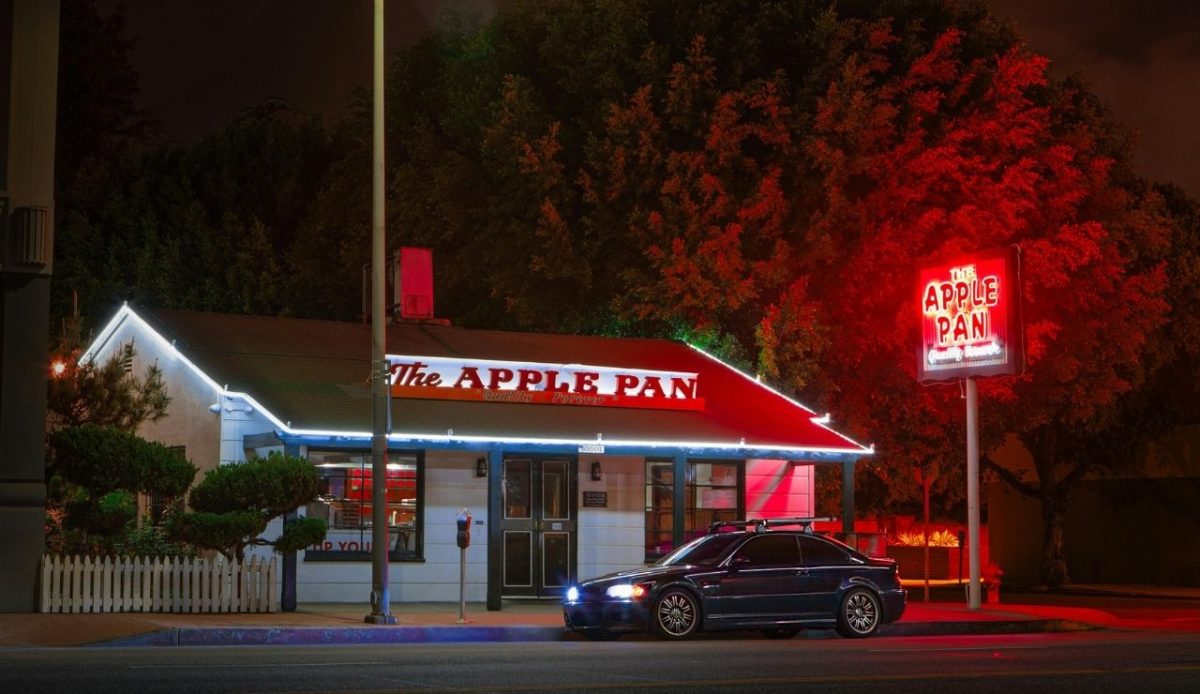
Classic roadside structures were not built for decades of modern wear. Neon tubing needs skilled labor, transformers fail, and steel supports corrode. Fiberglass figures crack from sun and wind, and paint must be repeated to keep water from working into seams. Roofs on midcentury buildings often require full replacement, not patching, because materials have reached the end of their life. Contractor schedules tightened, and bids rose, while a small entry fee or a few gift shop sales could not fund major projects. Replacement parts for older signs are no longer made, so repairs are custom and priced like specialty work.
Insurance and compliance costs add pressure that visitors do not see. Public access requires liability coverage, safer stairs, railings, and better lighting. Electrical updates may be required before a sign can be powered again, and older panels may fail inspection. Accessibility changes can be complex for tight cabin layouts and uneven walkways that were common in early motor courts. When a safety review flags hazards, the fix must be paid for quickly, and some operators close rather than take on debt or risk a lawsuit. After storms, deductibles can drain reserves, and repeated claims can raise premiums until gates stay shut.
Ownership Changes Often End The Story
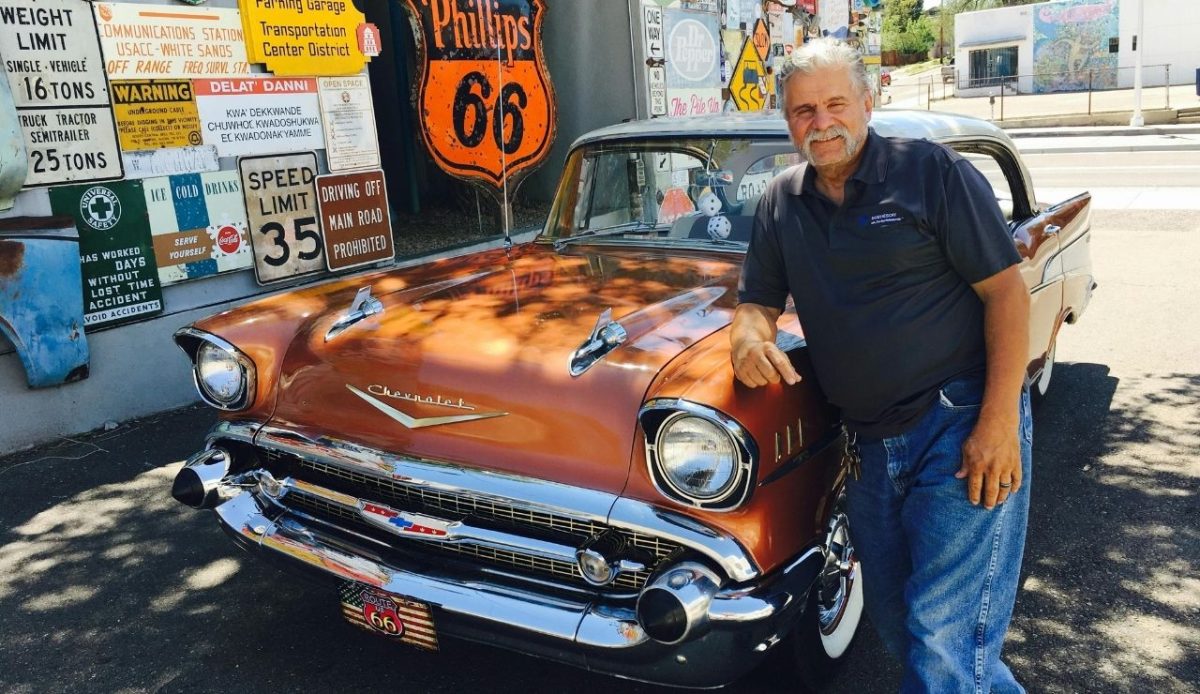
Many attractions were created by one family with a deep personal stake in the place. As founders retired, successors were needed who could manage maintenance, seasonal hiring, bookkeeping, and constant cleaning. In many cases, heirs lived elsewhere or preferred steadier work, so the property was listed for sale. A buyer may keep the building but remove the statue, the sign, or the themed rooms that require upkeep. When the landmark is stripped away, the stop can still operate, yet it no longer feels like the oddity people came to see. Estate delays can leave doors locked for months, and customers may not come back.
Even when buyers care, the business can be hard to run. Staffing is limited in smaller towns, and the busy season may last only a few summer months. Owners rely on weekend crowds and holiday stretches, which leads to long days and burnout. If an illness or family emergency hits, closure may be forced, and repeat visitors drift away. A short pause can become permanent because reopening requires fresh inventory, repaired bathrooms, rehired staff, and updated listings on travel platforms. Utilities must still be paid to keep pipes from freezing, and lenders may call notes if income drops, leaving little room to recover.
Preservation Helps But Cannot Save Every Site
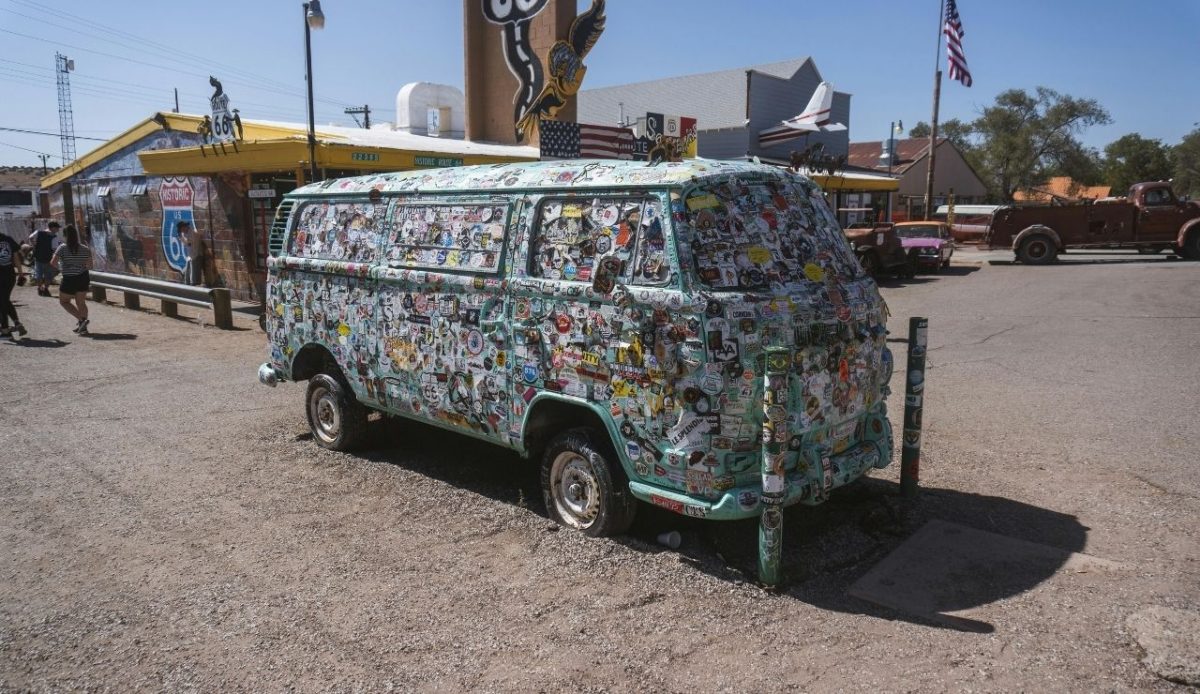
Local groups and nonprofits have saved some landmarks by raising funds and building volunteer crews. Historic district rules can protect facades, and small grants can help pay for paint, masonry, and sign work. Tourism offices also promote themed drives that bring new visitors to older corridors, including heritage loops through former main streets. These efforts work best when a town treats its roadside heritage as civic pride and invests in clear wayfinding so travelers can find the sites without confusion or risky turns. Partnerships with schools and museums can add guided tours that create steady weekday traffic beyond peak weekends.
Still, many places are lost through small alterations rather than demolition. A neon arrow is taken down after repeated failures and never returns. A novelty museum closes for renovations, then reopens as storage or a private residence. When a familiar shape disappears, a traveler may not notice until years later because the building footprint remains. As the older highway culture fades, fewer new attractions are built to replace what is gone, since financing favors standardized uses. The roadside changes by inches each season, and the total loss becomes clear only in hindsight. Photos then feel like evidence of a vanished drive.
