
A cruise call can drop five to ten thousand day visitors into a harbor district built for fishermen, ferries, and school runs. The surge is felt in road backups, restroom lines, and pressure on medics when heat, slips, or alcohol meet tight excursion clocks. Tender ports add another pinch when small boats shuttle crowds to a single pier, turning narrow streets into one-way funnels. Because passengers arrive together and leave together, crowding peaks for a few hours, then vanishes, leaving towns to fund extra staff, water use, trash pickup, signage, and repairs long after the gangway is raised.
Disputes have grown sharper as ships have become larger and itineraries more frequent. Port authorities may be measured on throughput, while city councils face residents who want quieter streets and cleaner air. A share of spending is kept onboard through bundled meals and duty-free sales, so local shops compete for a short window. Meanwhile, road wear, policing, and waterfront maintenance are carried by local budgets that were built for year-round populations. That mismatch has pushed communities toward passenger caps, impact fees, and operating rules that require mitigation and clearer accountability.
Capacity Caps And Scheduling Rules
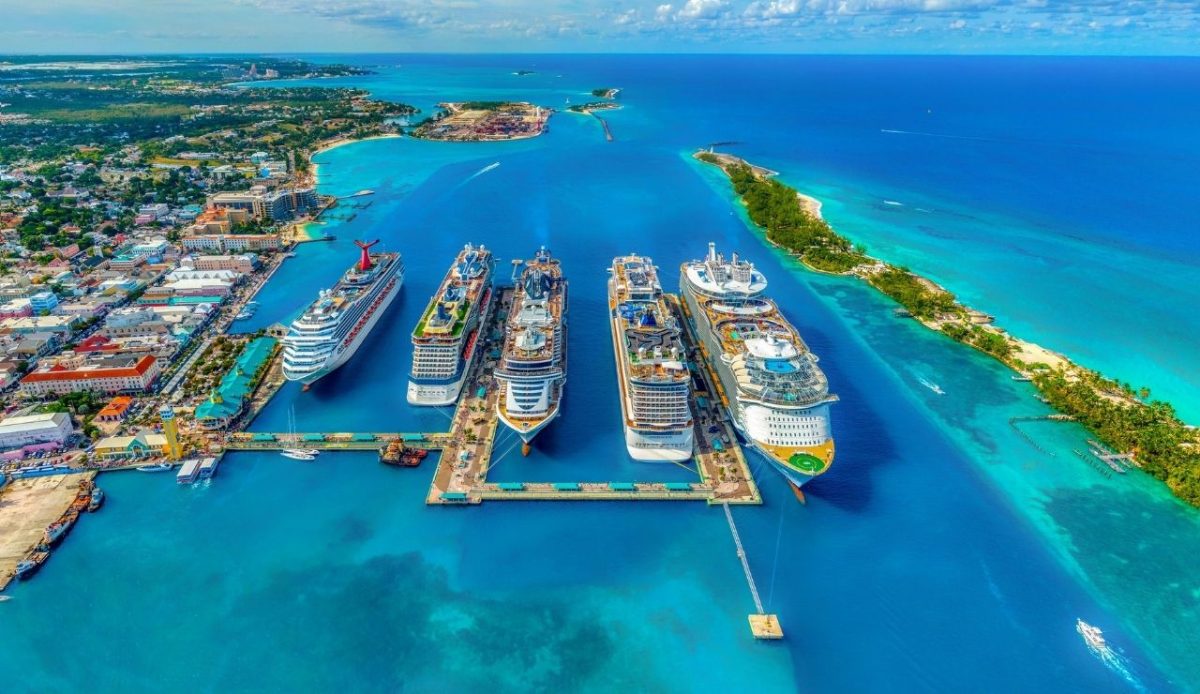
The fastest flashpoint is simple math. A town may have one main road, limited parking, and a few thousand residents, yet several ships can be booked for the same daylight window. To prevent overload, daily limits are being set, and arrival slots are being coordinated so peaks are spread across the week. Juneau reached a deal with major lines that starts in 2026 and caps lower berths, with Saturdays held lower than weekdays. In Dubrovnik, ship counts and visitor targets have been used to protect the Old Town from crowd surges that choke buses, gates, and public services. Tender ports face added strain when one pier becomes the only exit route.
Scheduling rules can reduce friction without ending cruising, but they change who carries risk when plans slip. If fog or wind delays docking, a town can still face a late-day crush unless backup limits are enforced and tender rates are controlled. Ports also weigh whether homeport ships, which fill hotels and flights, should get priority over quick calls that send passengers back onboard for dinner. Some places require timed entry reservations for top attractions so daily volume stays within agreed thresholds. When limits are exceeded, permits may be paused or extra charges assessed, turning compliance into a contractual duty.
Air Quality And Shore Power
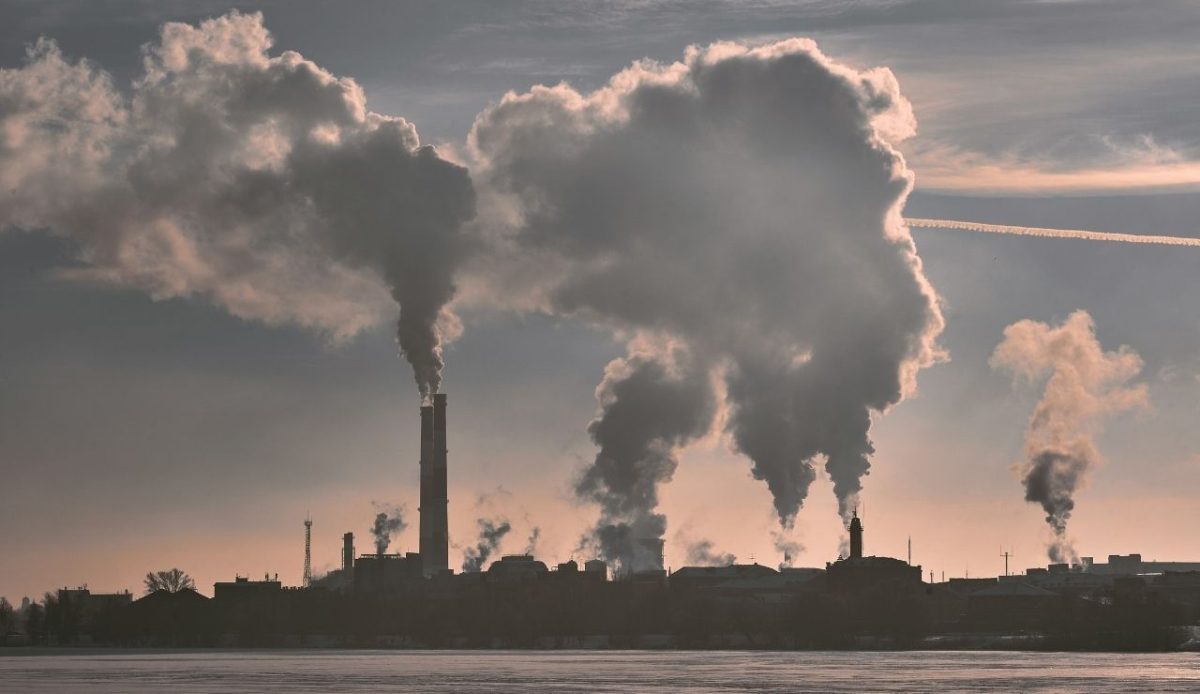
Air pollution has become a central complaint because it is experienced at the waterfront, not out at sea. When ships sit at berth, auxiliary engines are often run to power hotels, kitchens, and ventilation, and the exhaust can drift into nearby homes. Nitrogen oxides and fine particles are tied to respiratory risks, so residents press officials for measurable reductions. Communities have pushed for shore power so a vessel can plug into the grid and shut engines down. Barcelona has linked terminal changes to electrified berths, and hookups have been expanded at ports that handle frequent Alaska and coastal sailings.
The value of shore power depends on enforcement and on what supplies the electricity. If plugging in is optional, operators may choose fuel instead when rates spike, or connectors fail, and promised reductions are not delivered. Older ships may lack compatible systems, so retrofits are required, and compliance is tracked through port logs. Some jurisdictions pair shore power with low-sulfur fuel rules near shore and visible smoke triggers that prompt inspections. Because air impacts are local and immediate, health-based arguments have been used to support tighter limits than tourism debates alone.
Who Pays For Portside Infrastructure
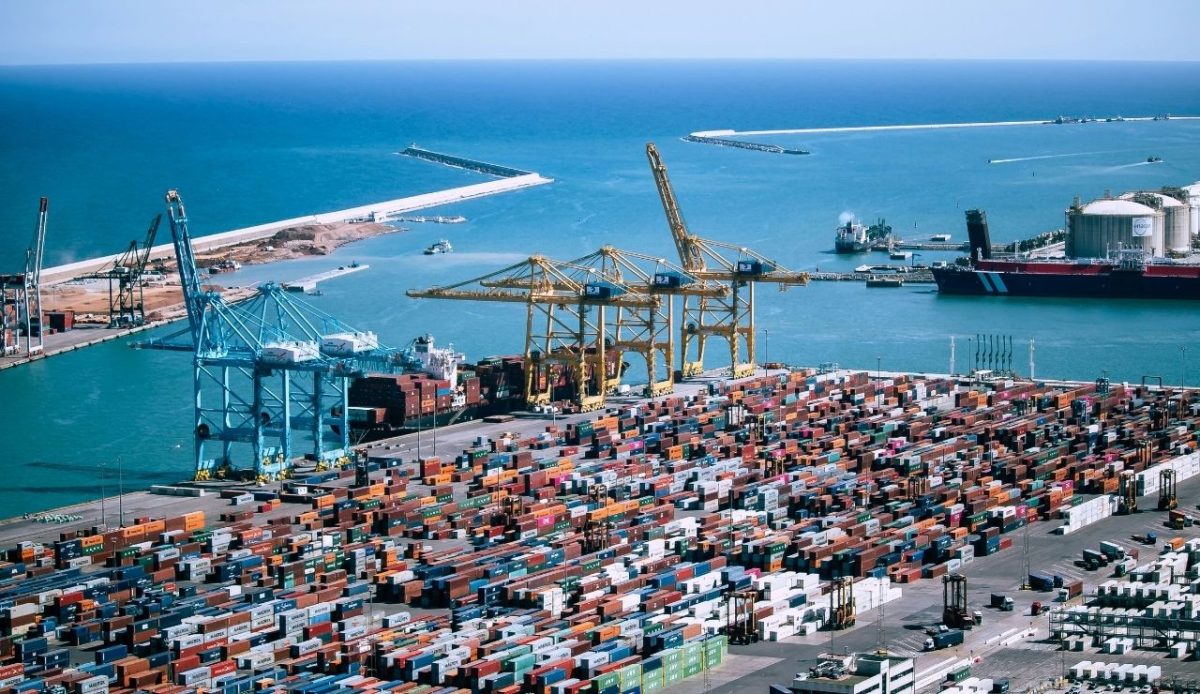
Money fights are common because the bills are paid on land, while revenue streams are split. A port may collect docking and security charges, yet the city pays for police overtime, restroom trailers, traffic control, and shoreline cleanup. When streets and trails wear out faster, budgets are strained even if sales tax rises only slightly. Crowd response plans require training and gear that sit idle most days. To close the gap, passenger impact fees are being raised or tied to services such as transit shuttles and pier maintenance. Cruise lines argue that higher fees will be passed to travelers and reduce demand in smaller markets.
Who owns the waterfront can decide who sets the rules. If a port authority controls land and permits, a town may have limited room to act unless state law grants powers over disembarkation or transport. Bar Harbor pursued a daily landing cap through local vote, partly because infrastructure and parking were being overwhelmed while the harbor remained physically small. In other places, agreements are negotiated that trade predictable access for investments in docks, waste handling, and visitor management staff. When funding is shared and projects are tracked publicly, resentment tends to soften, even if ships keep coming.
Local Votes And State Preemption

Many clashes turn political when residents try to reclaim control through ballots. Key West voters approved rules in 2020 that limited passenger landings and favored smaller ships, reflecting concerns about downtown crowding and reef impacts. Florida lawmakers later shifted authority over ports and vessel limits to the state level, and the local restrictions were blocked, angering residents who thought the issue had been settled. Similar fights arise when a separate port district can approve expansion even if city voters object. The result is a legitimacy problem because locals living with traffic and noise feel outvoted by distant interests.
National action can also restrain ships when a place is judged culturally or environmentally sensitive. In Venice, large ships were kept out of the Giudecca route in 2021, and calls were redirected, after years of debate about lagoon erosion, wake effects, and safety in crowded canals. When rules are set above the city, uniformity is gained, but local flexibility is reduced, and displacement can occur as nearby ports take the traffic. Tension then shifts along the coast because impacts are moved rather than erased, and smaller towns may face new volumes without time to prepare. Some feel blindsided when schedules shift.
What A More Balanced Model Looks Like
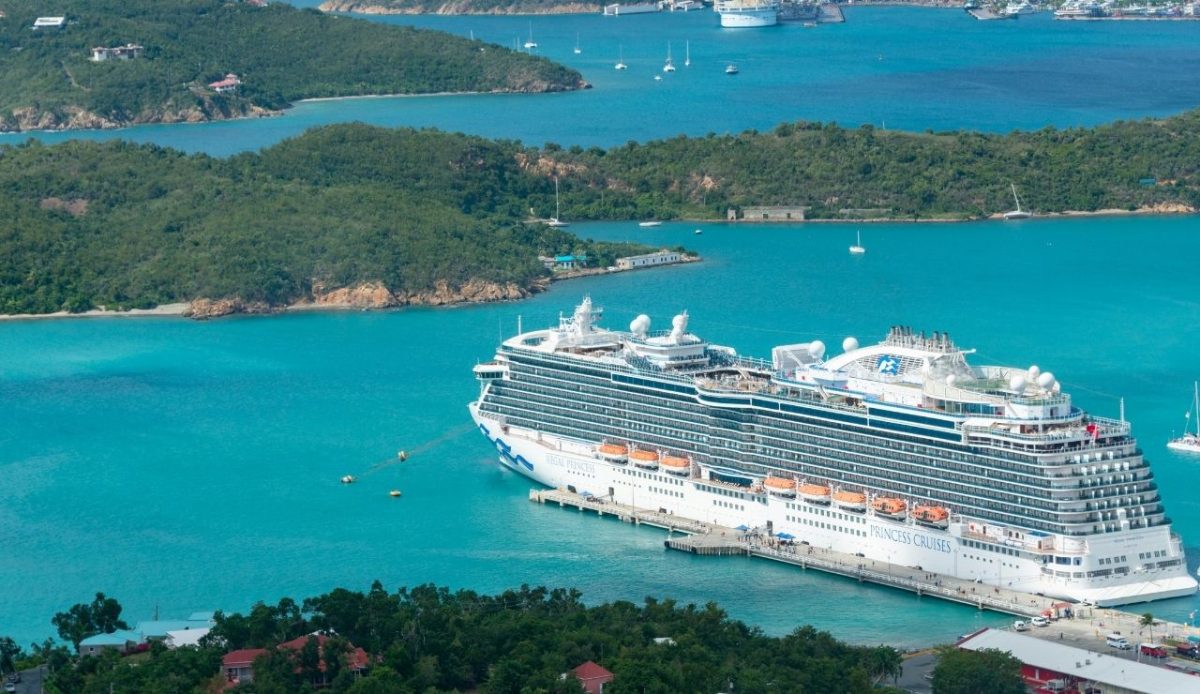
A more stable relationship is built when ships are treated like managed events, not surprise visitors. Limits can be paired with predictable multi-year calendars so schools, hospitals, and transit agencies can plan staffing. Cities can require that tour buses use designated routes and that popular sites use timed entry, reducing choke points. Cruise lines can help by lengthening port stays so spending spreads through lunch and dinner, and by promoting neighborhoods beyond the single main street. When visitor flow is designed, residents report fewer flash crowds and less conflict with daily life.
Trust also improves when benefits can be seen and audited. Passenger fees can be directed to restrooms, trail repair, and harbor cleanup through public budgets, with spending reports posted each season. Ports can set shore power requirements with clear penalties and verify usage through meter data. Local vendors can be offered fair access to onboard provisioning, so money does not stay inside the ship ecosystem. Emergency plans can be funded jointly, so police and medics are not stretched on heavy days. These steps do not remove tension, but shared metrics and shared costs make compromise possible for towns that want tourism on their terms.
