
Getting around French cities often proves harder than travelers expect. Many urban centers developed long before modern transport systems, leaving layouts that clash with cars, navigation apps, and tight itineraries. Restrictions change by zone, signage may appear too late, and multiple transport modes overlap in a limited space. Visitors unfamiliar with local patterns can misjudge distances, miss access points, or lose time correcting routes. The cities listed below consistently appear in traveler feedback, mobility reports, and visitor surveys as places where moving between locations requires extra planning, patience, and adjustment.
1. Paris
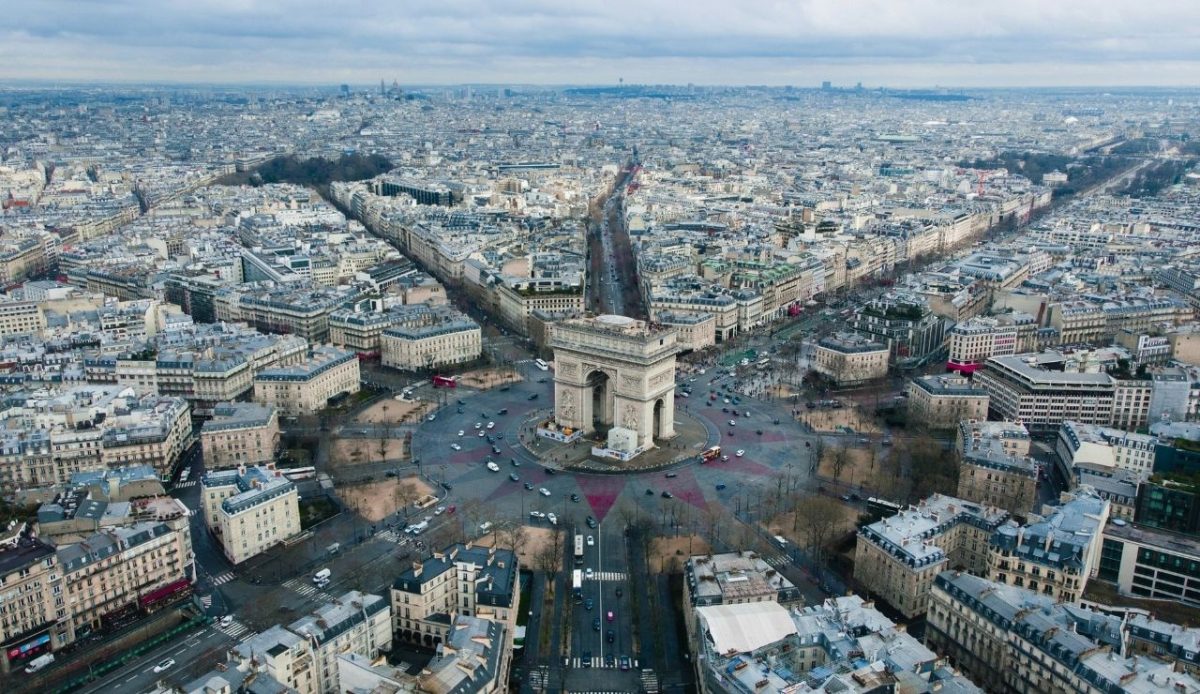
Paris presents ongoing navigation challenges due to its size and complex transportation system. Streets rely heavily on one-direction traffic, so missing a turn often leads to long detours. Large intersections offer limited visual guidance, complicating lane choice for unfamiliar drivers. Parking remains scarce, costly, and commonly underground, with entrances that are difficult to locate. Walking also requires strategy because wide avenues limit crossing options. Metro stations vary widely in design, and major hubs involve long internal passages. Visitors regularly underestimate travel time between nearby neighborhoods.
2. Marseille
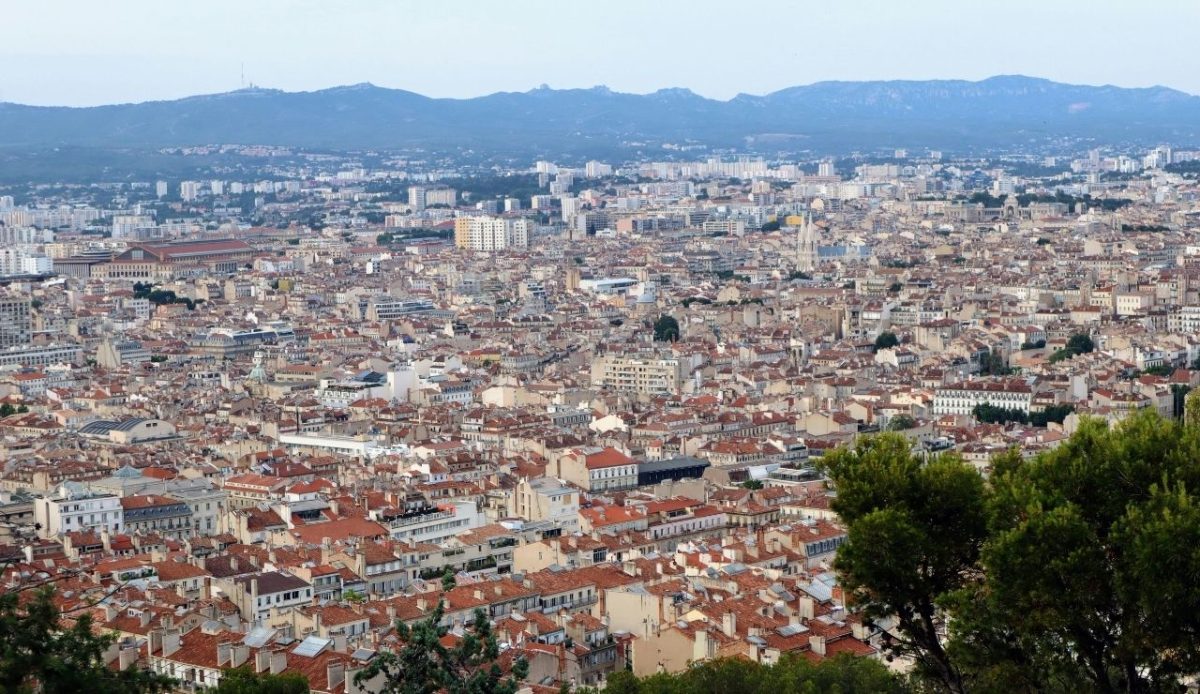
Marseille confuses tourists through uneven street planning and demanding traffic behavior. Coastal roads quickly narrow into tight interior streets, surprising drivers without warning. Local driving habits feel aggressive to visitors, increasing stress during short trips. Parking near major attractions fills early and redirects cars into residential areas with unclear rules. Elevation changes complicate walking routes and distort distance estimates. Public transport coverage differs by district, forcing tourists to rethink plans mid-route. Many visitors report spending more time correcting navigation errors than moving efficiently.
3. Lyon
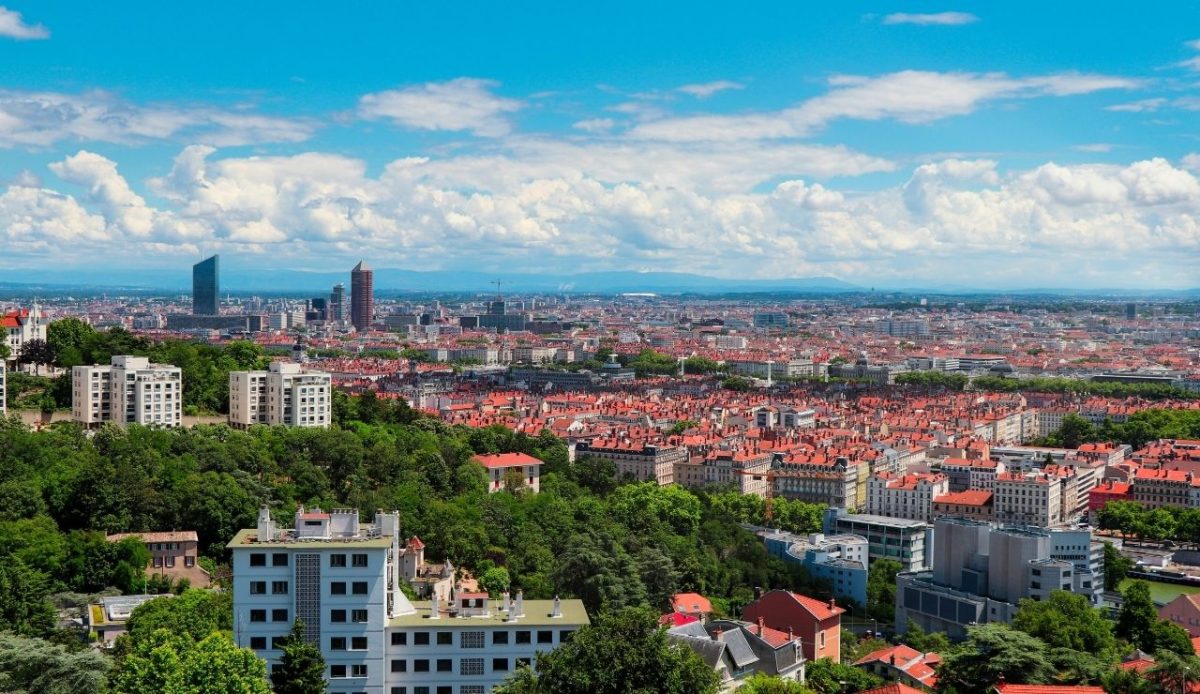
Lyon’s layout creates navigation issues linked to its rivers and concentrated movement corridors. Bridges and tunnels serve as key connectors, yet they often slow down during peak periods and force long waits. Central districts use dense one-direction grids where a single missed turn produces wide loops. Commercial loading routinely blocks narrow streets without advance notice. Pedestrians must cross busy tram and bike routes at complex junctions. Public transport generally reaches most neighborhoods, but transfers inside older stations confuse new users who expect simpler pathways. Visitors often underestimate the impact of geography on direct travel.
4. Nice
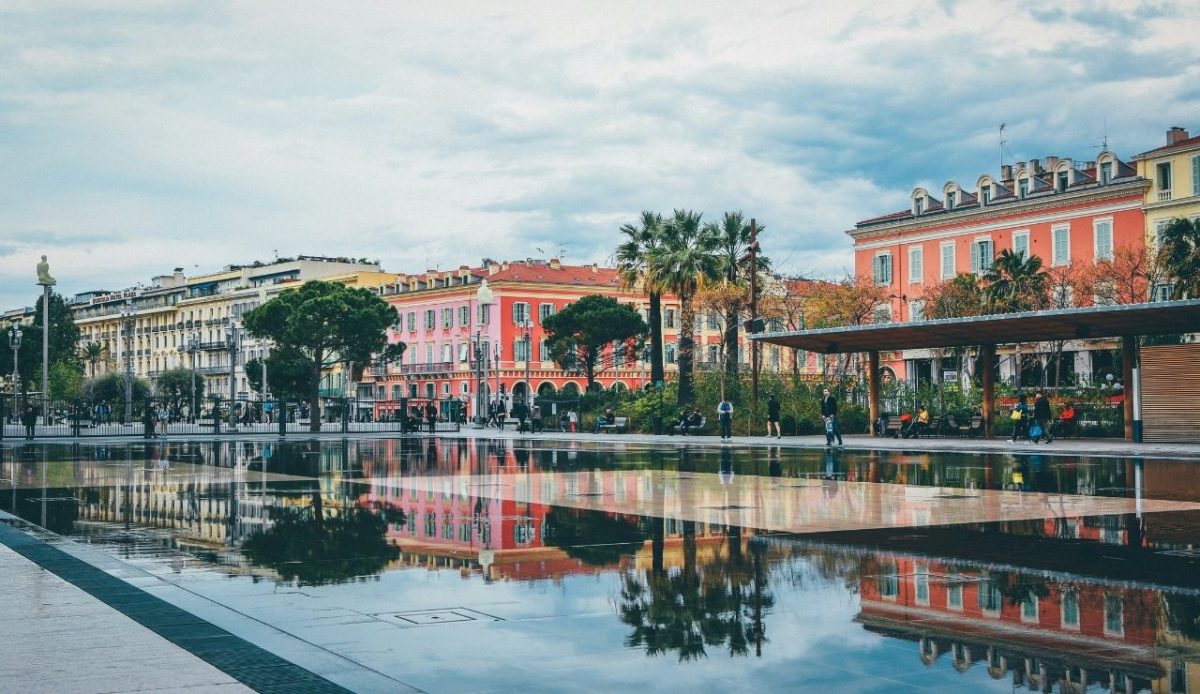
Nice presents navigation challenges driven by compact planning and strong seasonal pressure on roads and walkways. Vehicle access drops sharply near historic areas, channeling traffic onto overused perimeter routes. Walking sections involve steep slopes that extend travel time and mislead first-time visitors about distance. Drivers must follow local slope priority practices uncommon in other countries. Seafront traffic slows significantly during peak hours. Parking availability changes rapidly by block. Tourists often switch between buses, trams, and walking because route guidance is inconsistent, producing repeated delays during basic movement across the center.
5. Bordeaux
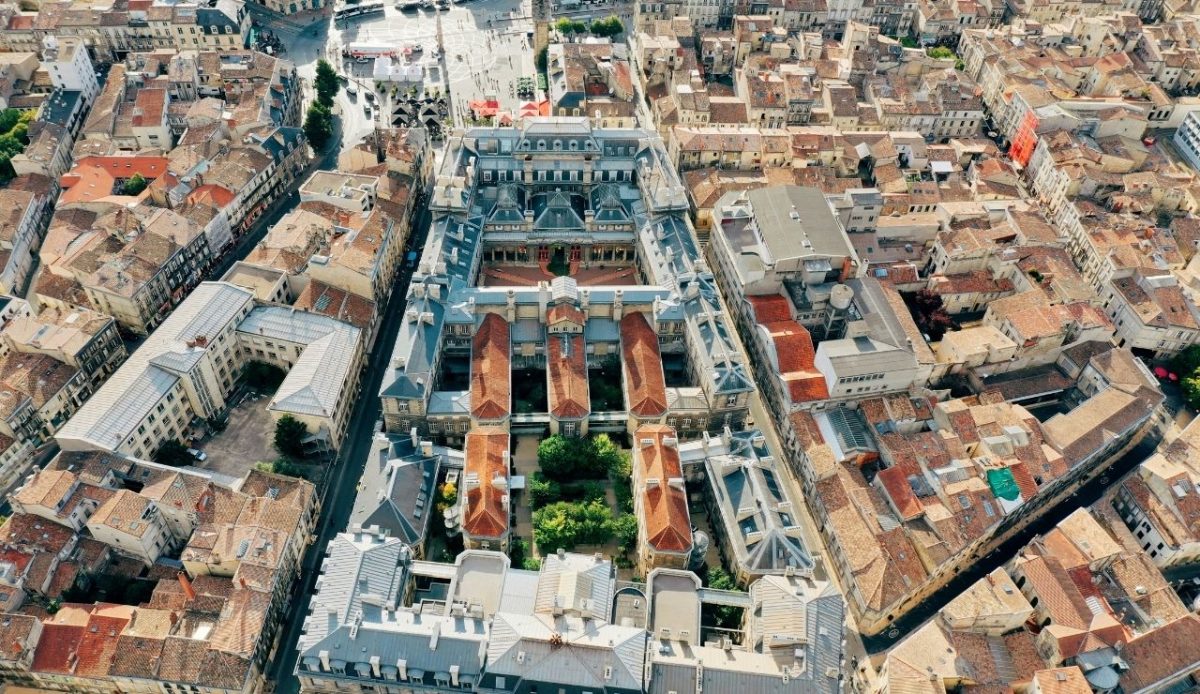
Bordeaux frustrates visitors with layered access rules and limited early warning signage. The historic core restricts private vehicles, yet advance notices before entry points remain inconsistent. Tram lines cut across major streets, leading to sudden stops or indirect turns that catch newcomers off guard. Underground parking garages are common, but entrances hide behind narrow approaches that digital maps identify too late. Drivers report frequent missed turns and repeated rerouting. Walking routes inside the core include sudden access limits that break direct paths, requiring constant adjustment during routine movement between attractions.
6. Montpellier
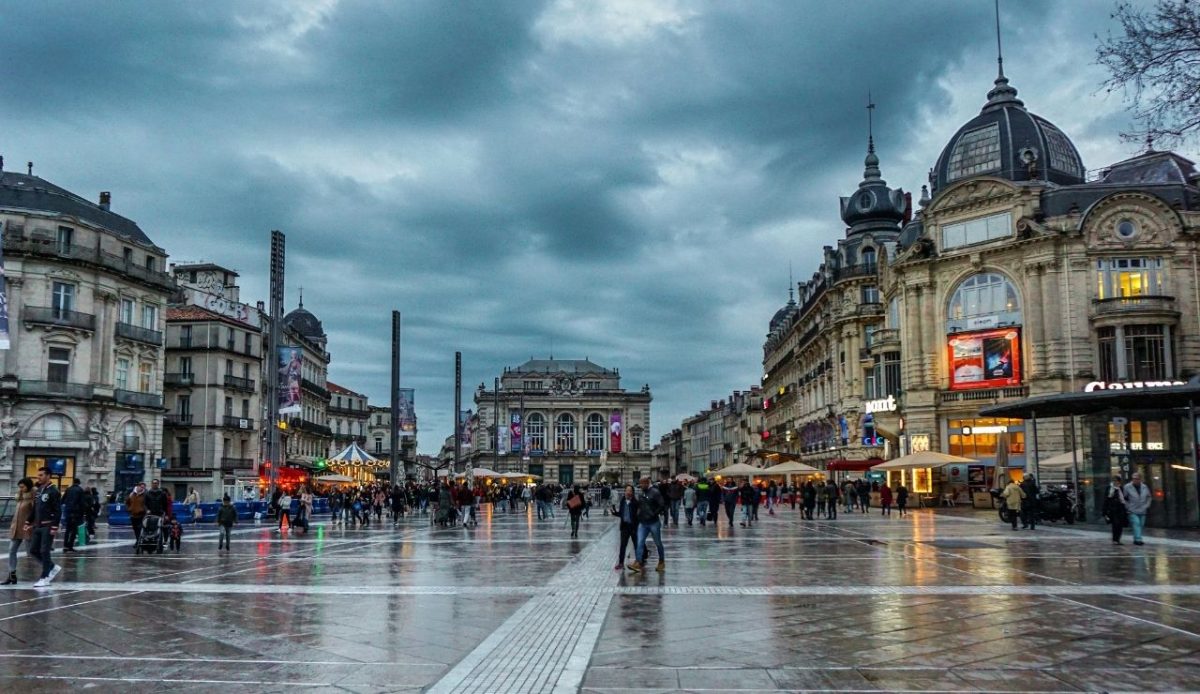
Montpellier creates movement difficulty through strict central access rules and dense inner-city street patterns. Restrictions increase close to major sites, yet signs do not always reflect current conditions. One-directional routes dominate the core, making recovery from errors difficult and time-consuming. Parking spots that appear open often prove unusable due to curb height or narrow entry angles. Public transport works smoothly outside the center, but internal travel requires careful planning. Heavy pedestrian flow during warm months slows movement and forces drivers and walkers to adjust several times within a short distance.
7. Strasbourg
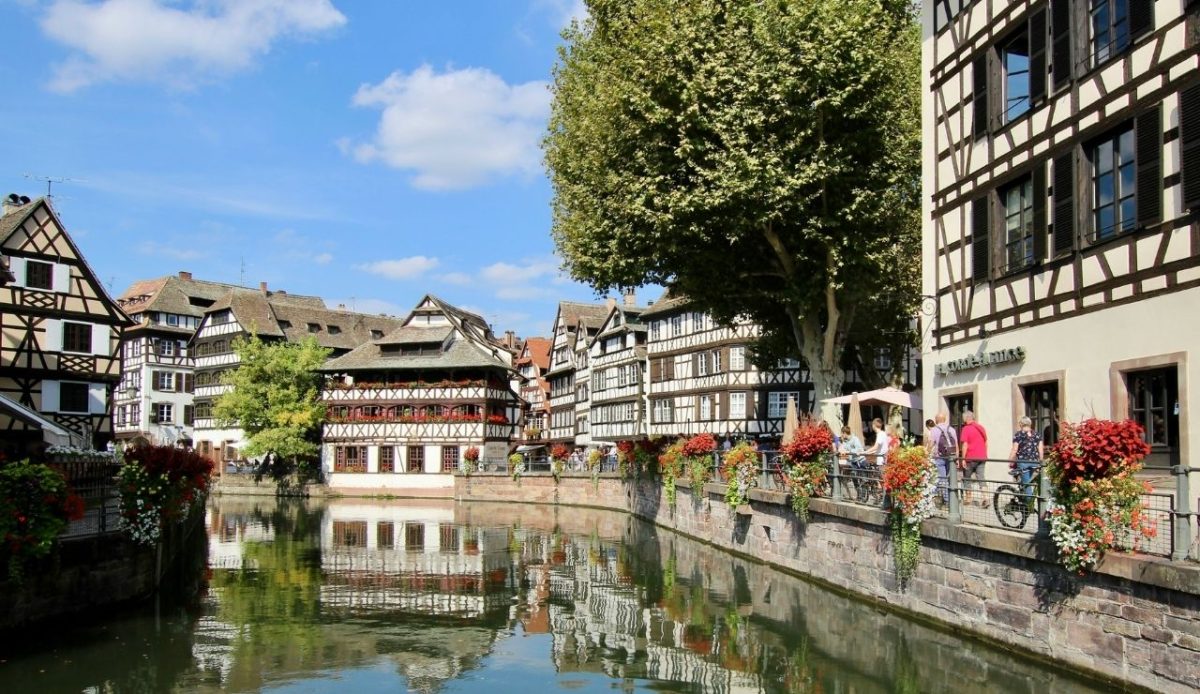
Strasbourg challenges tourists through overlapping transport systems and restricted vehicle access near its historic core. Trams, cyclists, and pedestrians share tight corridors that reduce reaction time for newcomers. Vehicle entry points into central areas are limited and not always marked clearly from a distance. Tram lines create abrupt dead ends that navigation tools struggle to predict. Walking paths shift during events or seasonal closures, forcing extended detours. Festival periods increase difficulty as major streets close quickly, with limited temporary guidance to help visitors maintain planned routes.
8. Avignon
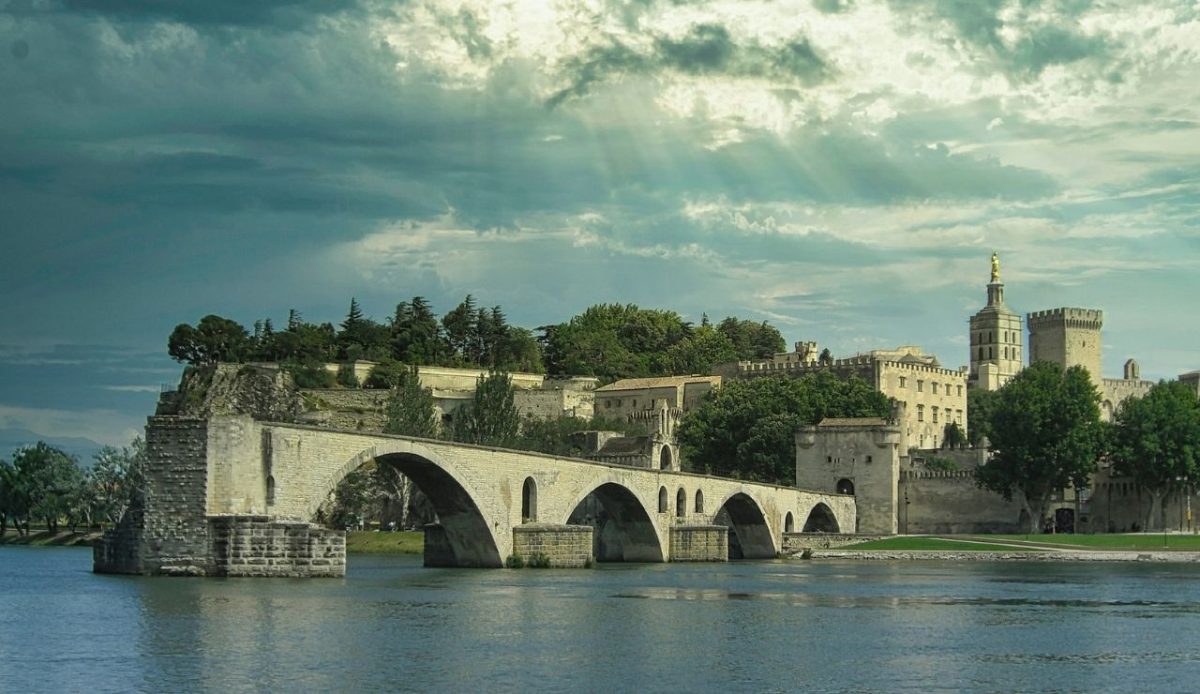
Avignon’s movement problems stem from its enclosed historic area and controlled entry points. The medieval walls limit access to a few gates, and missing one forces long circuits around the perimeter. Interior streets narrow quickly, reducing sight lines and making direction changes harder. Parking near central landmarks remains limited, pushing travelers toward outer lots with little signage indicating walking routes. Digital maps frequently misread short interior turns, leading to repeated confusion. Visitors without fixed plans often lose orientation, especially during busy seasons when foot traffic restricts forward movement.
