
The fastest stop is not always the smartest one. These quick, concrete moves can make the next hour in the car feel less draining.
A rest stop can either reset the car or reset the people inside it. The difference is usually a few minutes, not a major detour. Before everyone climbs back in with stiff legs, half-empty cups, and a vague sense of dread about the next 150 miles, use the stop like a tiny pit crew moment. These five habits are simple, but they can make the next leg feel shorter because they reduce the small discomforts that make highway time drag.
Parking-Lot Walk Loop
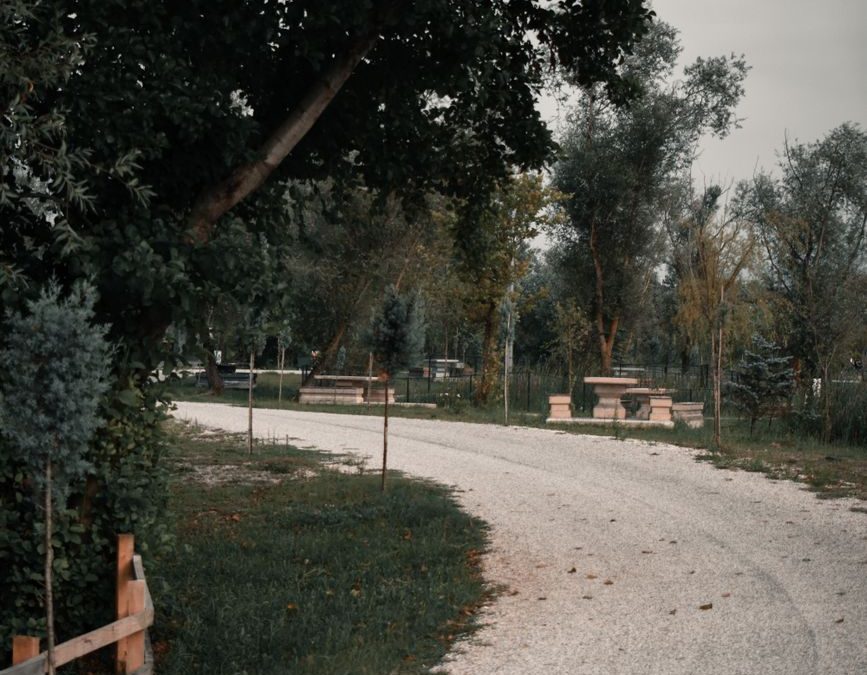
The quickest way to make a drive feel longer is to sit down during the whole break. A short walk around the rest area parking lot, picnic zone, or dog-walk strip gives your body a clear signal that the last driving block is over. It helps drivers, passengers, and kids shake off the cramped feeling that builds mile after mile.
- Do one full loop before checking your phone or buying snacks.
- Move shoulders, ankles, and hips while walking, not just your legs.
- Set a visible meeting point so no one wanders off or delays the restart.
This matters most when the next stretch is monotonous. If everyone gets back in the car still stiff and restless, the first twenty minutes can feel like punishment. A walk loop gives the next leg a cleaner start.
Water Bottle Refill
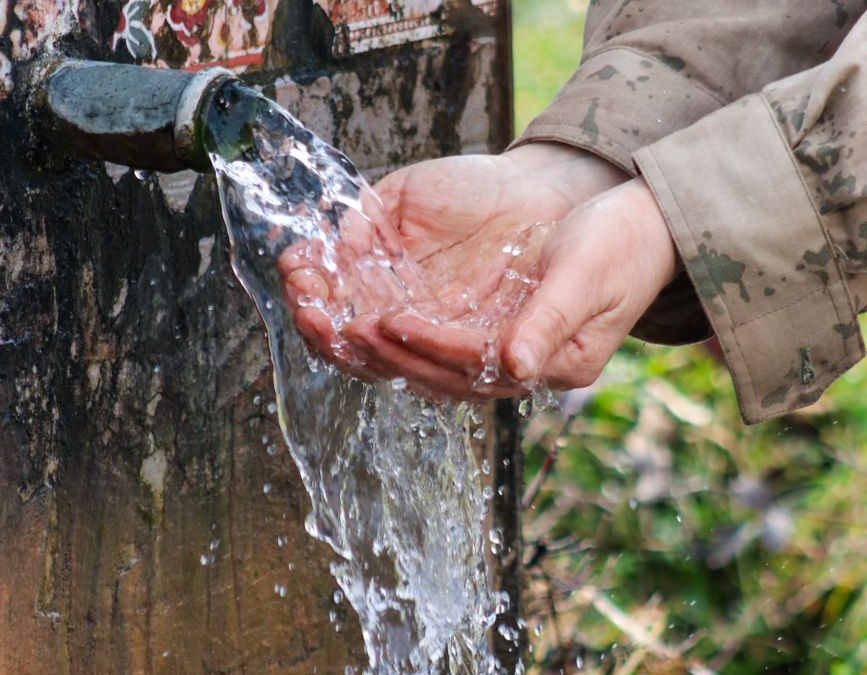
A refill looks minor, but it prevents one of the classic road trip traps: relying on giant coffees, sodas, or nothing at all until everyone feels foggy. Drivers especially benefit from having plain water within reach because it reduces the temptation to sip only caffeine during long stretches. Passengers benefit too, since thirst often gets mistaken for boredom, snack cravings, or crankiness.
- Top off every bottle before the car leaves the stop.
- Keep one bottle up front and extras where passengers can reach them.
- Avoid overloading right before a remote stretch with few bathrooms.
The point is not to turn the drive into a hydration challenge. It is to remove a nagging discomfort before it becomes the thing everyone talks about for the next hour.
Trunk Snack Reset
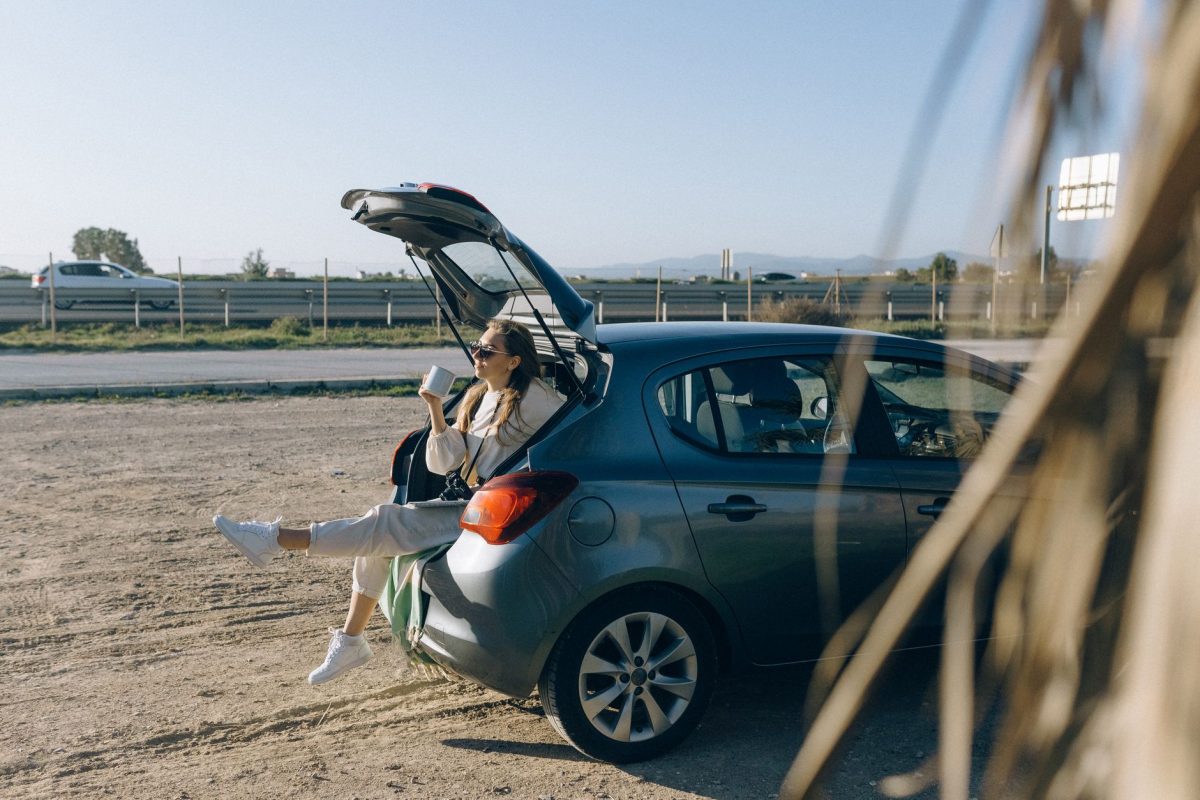
Digging for food while the car is already moving makes the next leg feel chaotic. A trunk snack reset turns the stop into a quick inventory check: what is easy to reach, what needs to be thrown away, and what should not melt in the back. It helps families avoid the mid-drive scramble, and it helps solo travelers keep the passenger seat from becoming a sliding pile of wrappers.
- Move the next snack to a reachable bag before leaving.
- Put messy foods away unless you want sticky hands on the wheel or upholstery.
- Throw out trash while a bin is right there.
What can go wrong is familiar: someone gets hungry ten minutes after departure, then the driver is asked to open, pass, unwrap, or find something. A reset makes the car feel calmer immediately.
Bathroom-and-Fuel Sweep
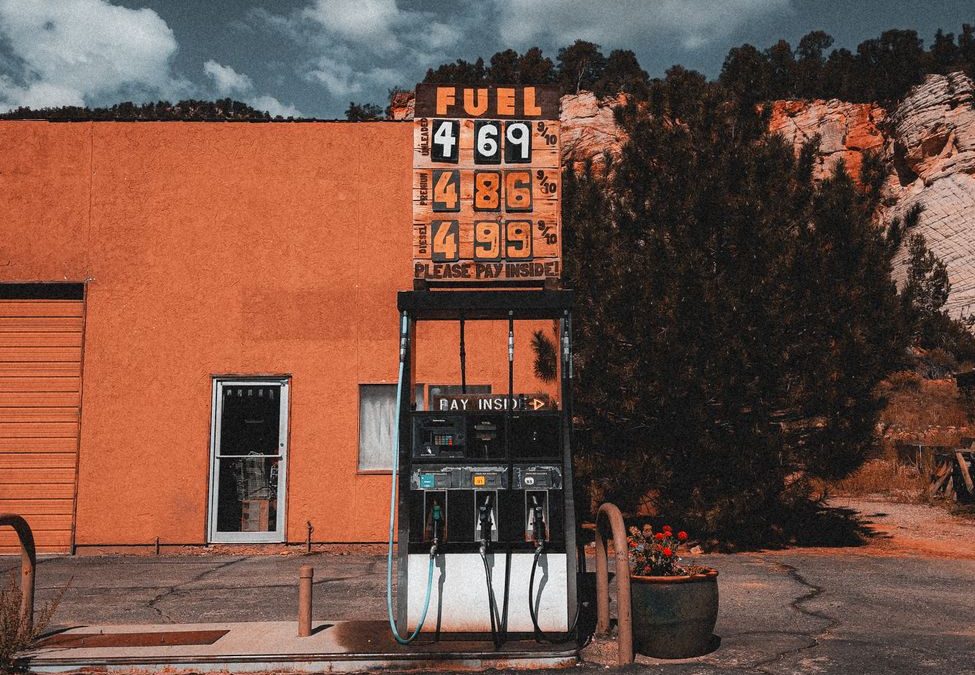
The most annoying rest stop mistake is leaving before the obvious basics are handled. A bathroom-and-fuel sweep sounds boring, but it protects the next leg from unnecessary exits, tense mileage math, and back-seat complaints that start right after merging onto the highway. It is especially useful in rural areas, at night, or on routes where services are far apart.
- Ask once, clearly if anyone needs the restroom before the doors close.
- Check the fuel range against the distance to the next reliable stop.
- Confirm payment, receipts, and keys before everyone buckles in.
This habit helps the driver stay focused instead of negotiating another stop immediately. It also prevents the quiet irritation that builds when one person assumed someone else checked the basics.
Twenty-Minute Seat Nap

When a driver feels heavy-eyed, powering through can make the next leg feel endless and unsafe. A short nap in a safely parked car is not glamorous, but it can be the difference between a miserable stretch and a manageable one. Keep it brief, choose a busy and well-lit place when possible, and make sure the vehicle is parked legally with the engine and climate handled safely.
- Aim for about twenty minutes so the break refreshes instead of turning groggy.
- Use an alarm and tell passengers the plan before closing your eyes.
- Switch drivers if another rested adult is available and insured to drive.
This matters for anyone tempted to treat fatigue like ordinary boredom. If blinking feels slow, lanes feel hard to hold, or exits seem to sneak up, the next thing to check is not the playlist. It is whether you should stop driving for a while.
A better rest stop does not need to be long. It needs to solve the problems that make the next stretch feel longer than it is: stiff bodies, empty bottles, buried snacks, uncertain fuel, and tired eyes. Pick two or three habits before the next highway run, repeat them at each stop, and the car will feel less like a waiting room on wheels.
This article was created with AI assistance and reviewed for clarity, sourcing, and editorial quality.
