
National parks are still iconic, but the new brag-worthy trip is often the place next door. Crowds, timed-entry windows, and packed trailheads push travelers to look for the same wow-factor with less friction. Social feeds now reward originality as much as iconic views.
Alternatives can deliver bigger solitude, easier logistics, and lower costs without feeling like a downgrade. They also spread visitor impact beyond a few headline parks.
From state systems to monuments and forests, these options are turning into bucket-list staples, because the best memory is the one you can actually experience, not just reserve.
State Parks as Signature Trips
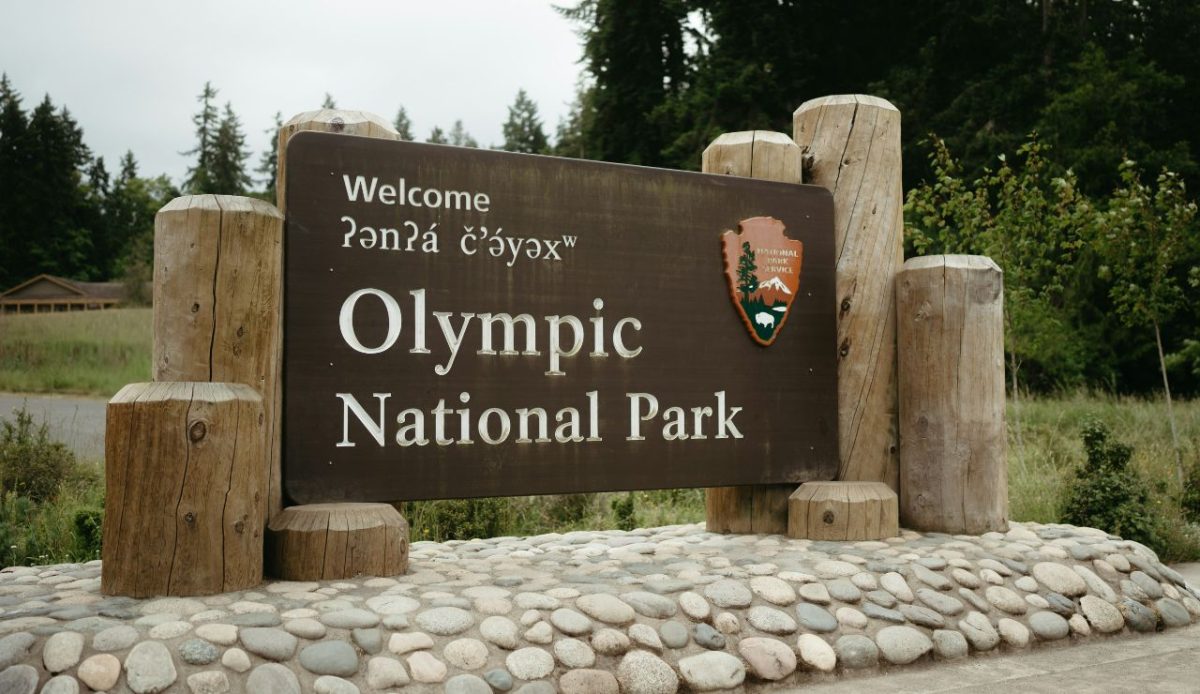
State parks have quietly upgraded into marquee destinations, with scenic drives, ambitious trail networks, and well-run campgrounds. Many now offer cabins, clean facilities, and visitor centers that rival larger systems.
Because reservations and entry rules are often simpler, you can build a trip around sunrise hikes, lakeside paddling, and dark-sky stargazing without a complicated permit puzzle.
Travelers also like the variety: one weekend can mix waterfalls, dunes, and forest ridges, all within a few hours of a major city. Modest day-use fees often go straight back into trail work and habitat care, which shows on the ground.
Monuments and Historic Sites With Big Payoff
National monuments, national historic sites, and other protected areas often deliver the same “wow” geology and stories with lighter crowds. They can be easier to reach, easier to park at, and easier to enjoy without feeling rushed.
Many protect a single signature feature, cliff dwellings, lava fields, hoodoos, or a dramatic canyon, so your itinerary stays focused. That makes them perfect for shorter trips or for pairing with nearby towns.
For travelers chasing bucket-list moments, these places offer high-impact views and cultural context, plus more flexibility when weather or road conditions change.
National Forests for Room to Roam
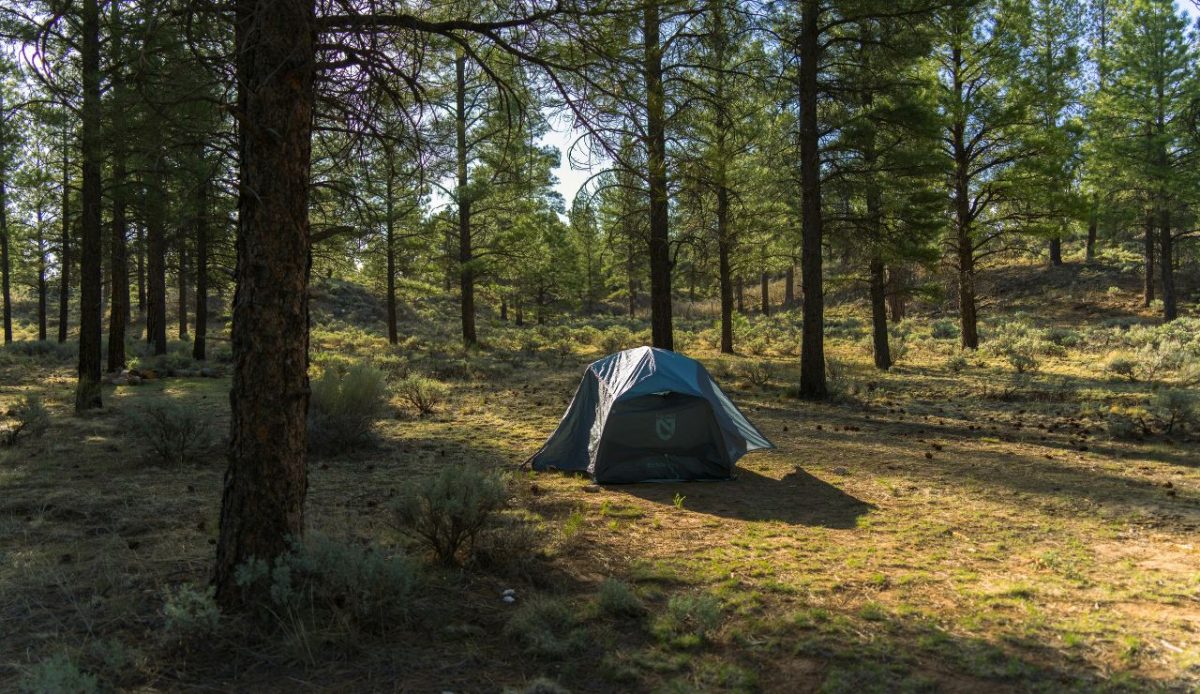
National forests and designated wilderness areas are becoming the go-to for people who want space, not lines. Instead of one famous trailhead, you often get dozens of access points, letting you choose a hike that fits your time and skill.
Dispersed camping, quiet lakes, and long ridgelines make these lands feel like a choose-your-own-adventure version of the outdoors. Rules still matter, but the experience is less managed and more personal.
The trade-off is preparation: fewer services, rougher roads, and weaker cell signal. For many travelers, that’s exactly the appeal, and it’s why these areas now headline trip plans.
Seashores and Wildlife Refuges for Slow Nature
Coastal preserves, national seashores, and wildlife refuges are rising as bucket-list swaps for crowded viewpoint loops. They trade big-name icons for wide horizons, migratory birds, and shorelines that change daily with tide and light.
These areas are built for slow travel: boardwalks through wetlands, lighthouse walks, kayak routes, and beach stretches where you can actually hear the ocean. Many also have seasonal closures that protect nesting habitat.
Because conditions can shift fast, wind, surf, heat, or fog, travelers plan around forecasts and go at off-peak hours. The payoff is calmer access and a strong sense of place.
Scenic Byways That Build Flexible Itineraries
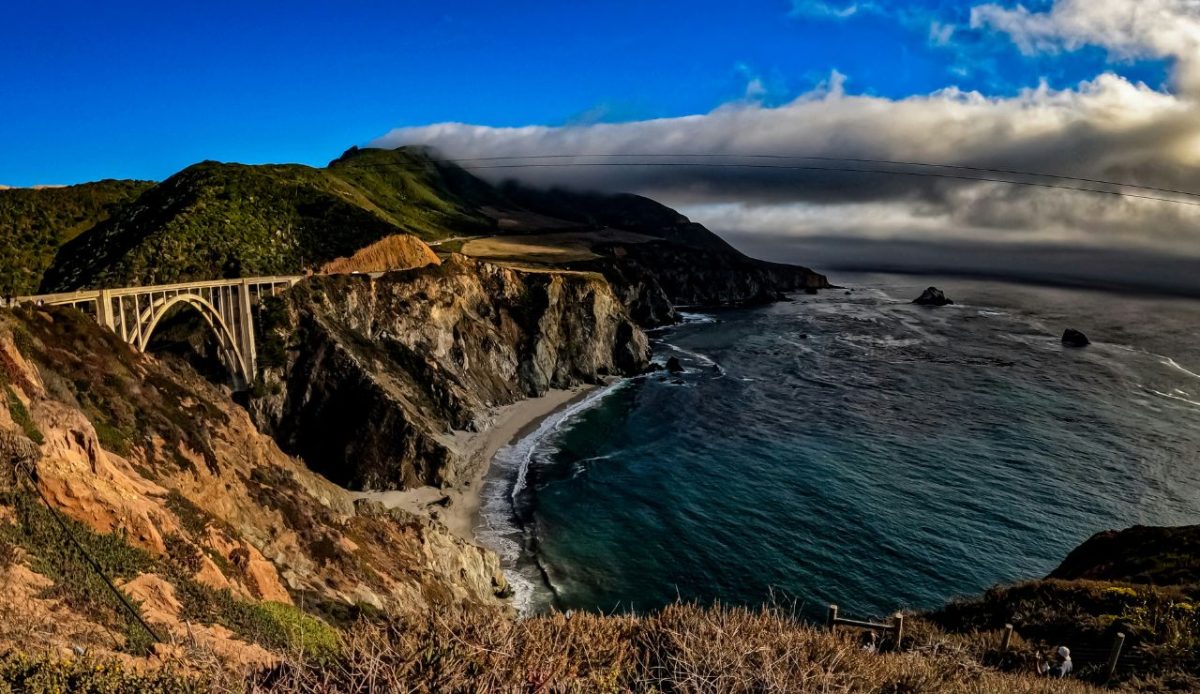
Scenic byways and lesser-known gateway regions are becoming the new “park trip,” especially when travelers want both nature and comfort. You can stitch together overlooks, short hikes, and local museums without battling a single bottleneck entrance.
Many routes highlight working landscapes, ranches, orchards, river valleys, alongside protected land, so the experience feels real, not staged. Food stops and small lodges make the drive part of the destination.
This approach spreads crowds across many stops, keeping days flexible. If smoke, storms, or traffic hits one area, you can pivot to the next town or trail and still have a full trip.
