
Instagram now steers U.S. trip choices through algorithmic feeds that reward dramatic views and repeatable shots. A single viral reel can redirect travel demand toward one overlook, beach access point, or small town street in days, far faster than visitor services can scale. Geotags and repost loops keep the same micro location circulating, so arrivals stack at one point instead of spreading across a region. Lake Elsinore, California, became a warning case when officials said the 2019 poppy super bloom brought as many as 100,000 people in a weekend, with gridlock and habitat damage that forced closures.
Permanent harm is not a bad weekend. It is when travel systems retool for chronic spikes and never fully revert. The National Park Service reported 325.5 million recreation visits in 2023, a pressure level that accelerates permits, staffing, and infrastructure changes across popular units. Zion says it issues more than 200,000 Angels Landing permits each year, and Arches tested timed entry in 2022 to manage vehicle congestion at peak hours. Once reservations, higher fees, and stricter access become routine, families lose spontaneity and pay a higher baseline for the same kind of U.S. vacation.
Algorithmic Demand Surges Outpace Infrastructure Capacity
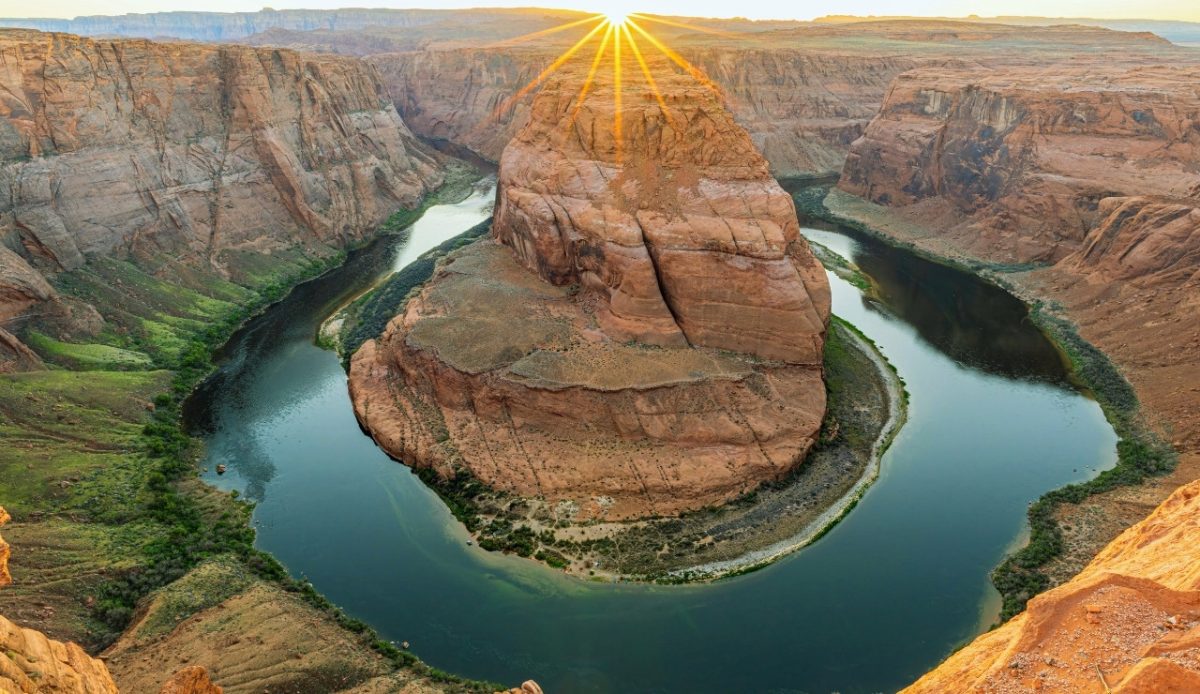
Horseshoe Bend near Page, Arizona, shows how Instagram demand can outrun physical capacity. Local reporting noted the city spent about $5 million on the overlook parking lot and related work, and officials estimated up to 2 million people visit annually. That investment was driven by safety problems from roadside parking and sudden crowding, not by a planned tourism campaign. When a photo hotspot funnels cars into one choke point, the real constraint becomes road control, restroom service, trail hardening, trash removal, and rescue access, even for short visits every weekend in peak season, too.
Once a destination builds for viral peaks, the costs stick. Parking lots need resurfacing, lighting, and attendants, and traffic control becomes a standing expense when queues form at the same entry road. Fee programs also create expectations for toilets, shuttle options, and safer trail alignments, which require ongoing contracts and replacement cycles. Local budgets then prioritize crowd management over other community projects. Even if the next trend shifts elsewhere, the place is locked into a higher operating baseline, and visitors feel that shift through higher prices and more managed access.
Geotag Amplification Damages Fragile Natural Sites
Geotags turn fragile nature sites into precise targets. In Lake Elsinore, officials warned that the 2019 poppy super bloom drew tens of thousands, as many as 100,000 in a weekend, and the crowds trampled habitat and clogged roads. When visitors chase one photo angle, they step off hardened paths, widen social trails, and compact soil around the most popular viewpoints. Wildlife gets pushed into smaller corridors, and informal parking damages the shoulders and drainage. Because the same coordinates keep circulating, impact repeats at the exact spot where recovery should be happening year after year.
Land managers respond with controls that reshape vacations. Closures like Walker Canyon, fencing, and new trail structures reduce damage but also change how people experience a place that once felt open and spontaneous. Across the park system, timed entry pilots and permit programs are used to spread arrivals and cap peak impacts, and they require staffing, software, and enforcement. Hardening projects take time and money, and they usually come with tighter rules on where visitors can stand, park, or even stop for photos. The long-term effect is a managed visit with defined routes and limits that can persist after the trend cools.
Short-Term Rental Conversion Resets Vacation Cost Baselines
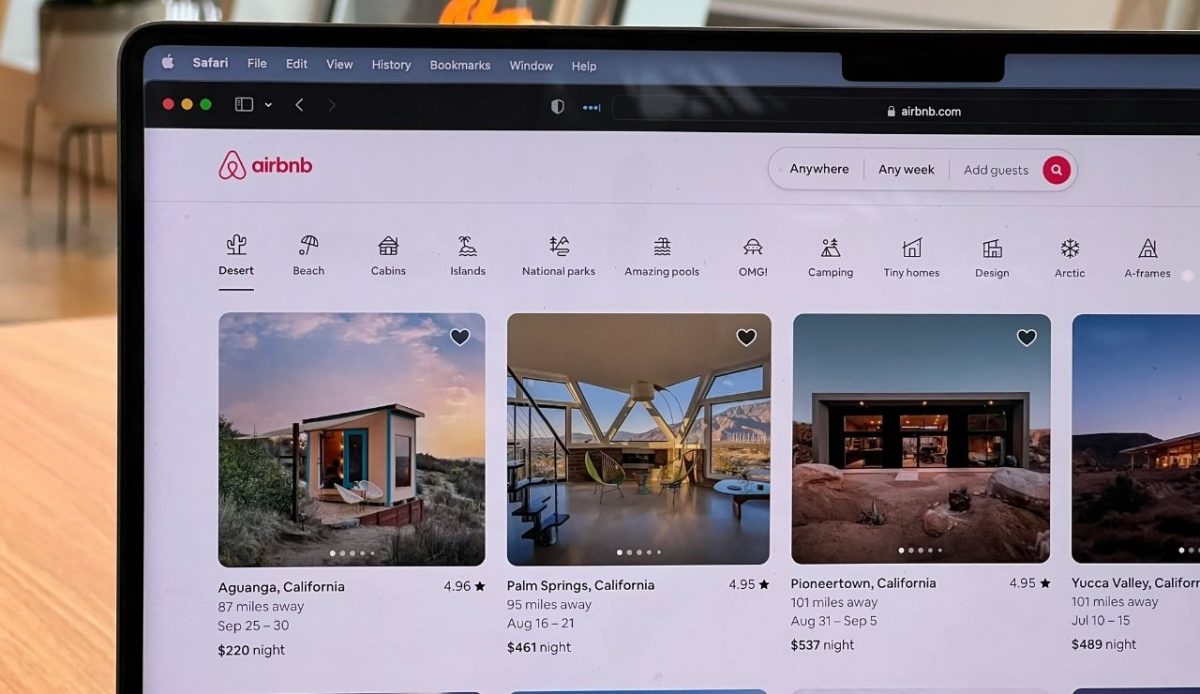
Viral visibility can push housing into the short-term rental market, which changes vacation costs for everyone. Sedona’s own guidance says Arizona cities are not permitted to cap how many short-term rentals operate inside city limits, making growth hard to slow once demand rises. In markets like Gatlinburg, Tennessee, AirDNA counts thousands of listings, showing how quickly homes can pivot from local use to visitor inventory. As supply shifts, nightly rates rise, and workers who support tourism get priced farther from the places visitors want to stay, tightening service capacity in each season.
Housing shifts become permanent because prices are sticky. Once investors buy at elevated values, they must keep nightly rates high to cover loans, taxes, and compliance costs, even if social media attention fades. Studies of short-term rental regulation show measurable links between STR activity and housing prices, which is why disputes over rules keep intensifying. Communities then spend more on enforcement and complaints, while travelers face higher fees and stricter minimum stays. The result is a new lodging baseline that turns many once-affordable U.S. getaways into destinations that require earlier booking and bigger budgets.
Local Governments Respond With Access Restrictions
Governments respond to viral demand by rationing access, and those controls can become the new normal. Zion National Park requires permits for Angels Landing and says it issues more than 200,000 permits each year through lotteries. Arches National Park ran a pilot timed entry system from April to October 2022 that required vehicle reservations during daytime hours to reduce congestion. For travelers, the friction shifts from driving up and hiking to winning a slot, keeping confirmations, and timing arrivals precisely. That planning burden is a direct byproduct of trend-driven surges at scale.
Once reservation systems exist, removing them is hard. Agencies build staffing plans around predictable caps, and local businesses adjust schedules to reservation waves rather than walk-in traffic. Software contracts, signage, and enforcement routines create sunk costs that managers reuse each season. Platforms like Recreation.gov normalize processing fees and account-based planning, shifting access toward people who can book early and stay flexible. Even when a park pauses a program for a low-demand window, the framework is ready to return when pressure rises again. That is how a temporary fix becomes a lasting constraint on U.S. vacations.
Destination Identity Shifts Toward Photo Consumption
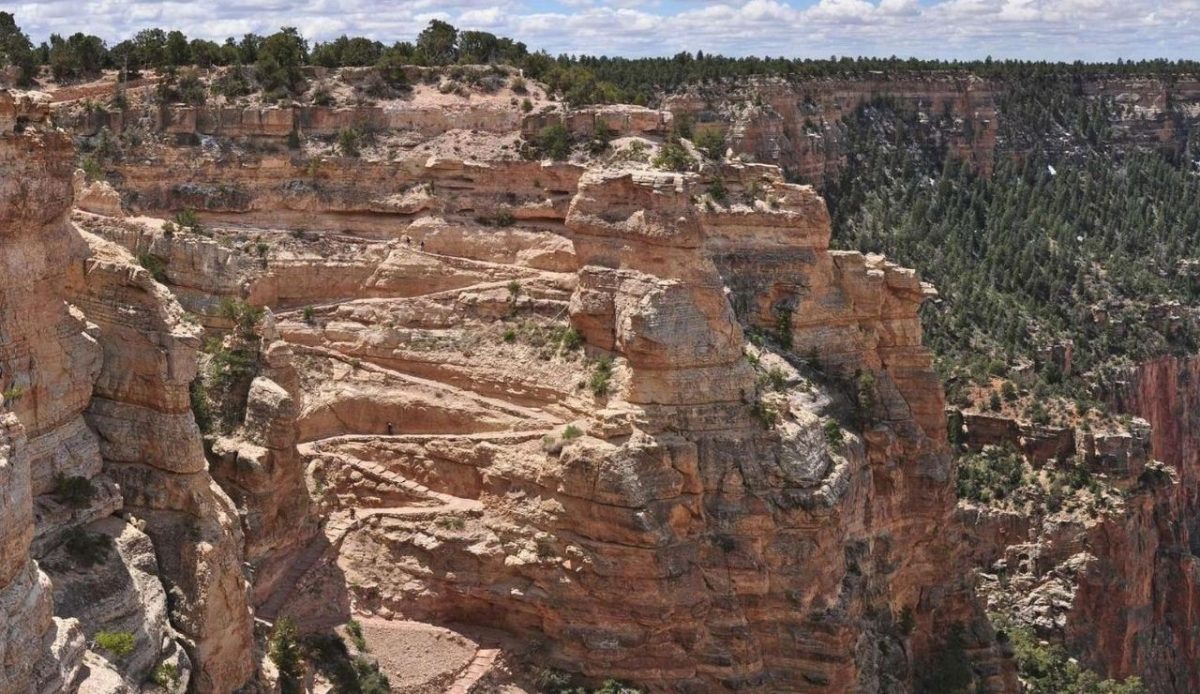
Instagram trends can change what destinations sell. When visitor demand is driven by a handful of repeatable frames, businesses invest in quick stop experiences that fit short video formats, like branded murals, viewpoint shuttles, and timed photo-friendly windows. Destination marketing organizations increasingly track engagement and other social metrics to judge campaign performance, which nudges planning toward what photographs well rather than what supports longer stays. Over time, that emphasis concentrates spending near the most popular spots and leaves other local assets underused now too.
This shift is hard to reverse because it rewires expectations. Visitors arrive with a checklist of exact angles, so they cluster at the same trail junctions and overlook railings, then leave quickly for the next frame. Local operators respond with higher turnover pricing and stricter time limits, and neighborhoods see more short-duration traffic rather than longer, steadier stays. Once storefronts, tours, and permits are built around that pattern, the local economy depends on churn to cover costs. For families, the vacation becomes about queueing for access and less about exploring, and that change can persist even if the platform moves on.
Insurance and Liability Costs Rise in High-Exposure Zones
High-exposure zones also carry liability. When large crowds move through narrow trails or cliff overlooks, the chance of falls, heat illness, and medical calls rises, which pushes up search and rescue demand and emergency staffing. Zion notes that its Angels Landing permit program is intended to reduce congestion on the exposed section and improve hiker safety, showing how volume management becomes a safety tool. Outfitters react by increasing coverage limits, and premiums get baked into tour prices. Counties budget for more responders during peak seasons, and that spending competes with other local services.
Insurance and safety costs tend to persist because they are based on documented risk, not on mood. Once an area develops a record of incidents, underwriters price for that exposure and may not lower rates quickly, even after new rules are added. Public agencies install railings, signage, hardened surfaces, and monitoring systems that require ongoing inspection and replacement. Permit programs add application fees and enforcement staffing, which become recurring line items. Travelers see the outcome as higher tour costs, stricter waivers, and more restricted movement at viewpoints, permanently changing the feel and price of U.S. vacations.
