
American travelers keep hearing about a new European entry rule, but two different systems are arriving on separate schedules. The EU set the Entry Exit System, called EES, to start operations on October 12, 2025, and says it is being rolled out gradually at Schengen external borders. The Commission described a progressive rollout period meant to help border staff, carriers, and visitors adjust to new procedures. ETIAS, an online travel authorization for visa-free visitors to 30 European countries, is planned for the last quarter of 2026, and EU guidance says no action is required yet, while the exact start date is still pending.
The mix-up is easy to spot at the airport and in search results. First-time visitors may provide fingerprints and a facial image under EES, which replaces routine passport stamping with a digital record of entry and exit. That process can feel like a missing pre-approval step, even though it happens at the border and not during booking. Meanwhile, Frontex has warned that unofficial ETIAS pages can share wrong rules about who must apply and can expose personal data or charge high fees, and some imply instant approval, so Americans meet fresh doubt before they even pack, compare flights, or pick a route for summer travel in 2026.
Why People Think ETIAS Starts Now
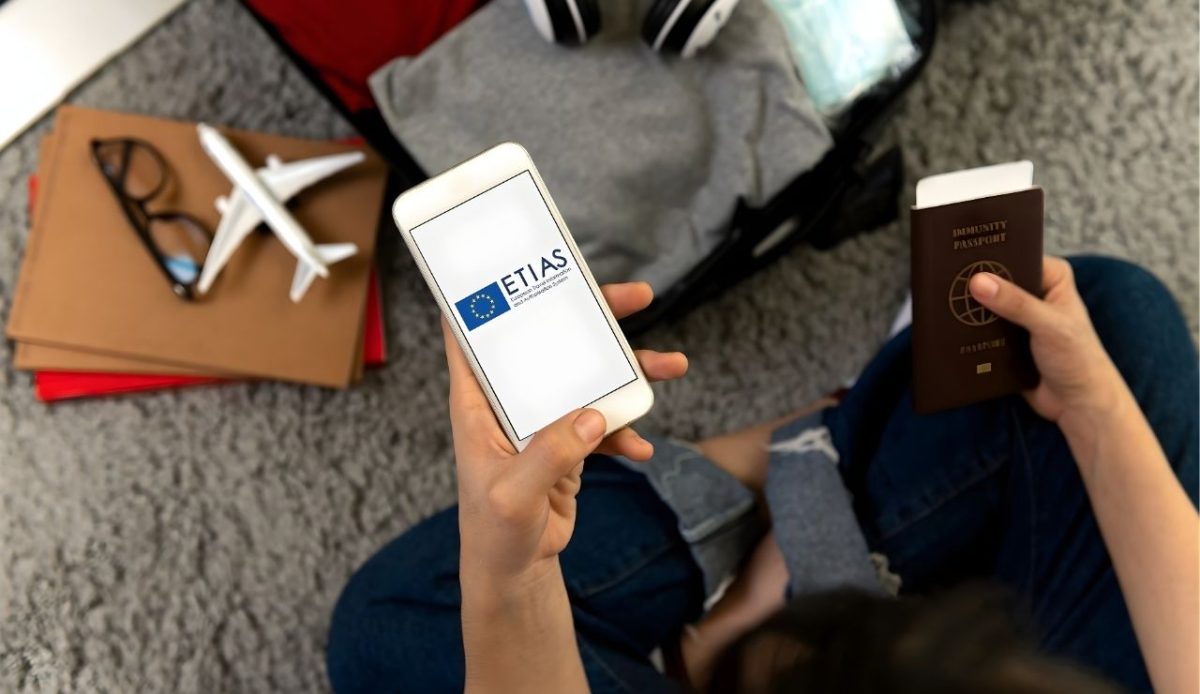
Many headlines treat ETIAS as if it begins the moment new kiosks appear, yet EU sources separate the timelines. The official Travel to Europe site says ETIAS will start in the last quarter of 2026 and that no action is required from travelers right now because applications are not open. In contrast, EES has been operating since October 12, 2025, and is being introduced step by step at Schengen borders used by 29 countries. Add the Commission decision to raise the planned ETIAS fee to 20 euros, up from earlier drafts, and Americans see different prices and start dates in the same search results page. That mismatch is the seed of most questions.
EU officials have published side-by-side guidance to keep the systems from being mixed up. EES is described as a border process that records entries and exits digitally, replacing passport stamps and helping enforce the 90-day limit in any 180-day limit. ETIAS is described as an online authorization for visa-free visitors to 30 European countries, valid for multiple trips and linked to a passport. After ETIAS launches, a transitional phase may apply, which adds another timing detail. Because trip planning often runs through airlines and blogs, the official explanation is not always seen, and the two acronyms keep getting swapped.
EES Biometrics Look Like a Permit
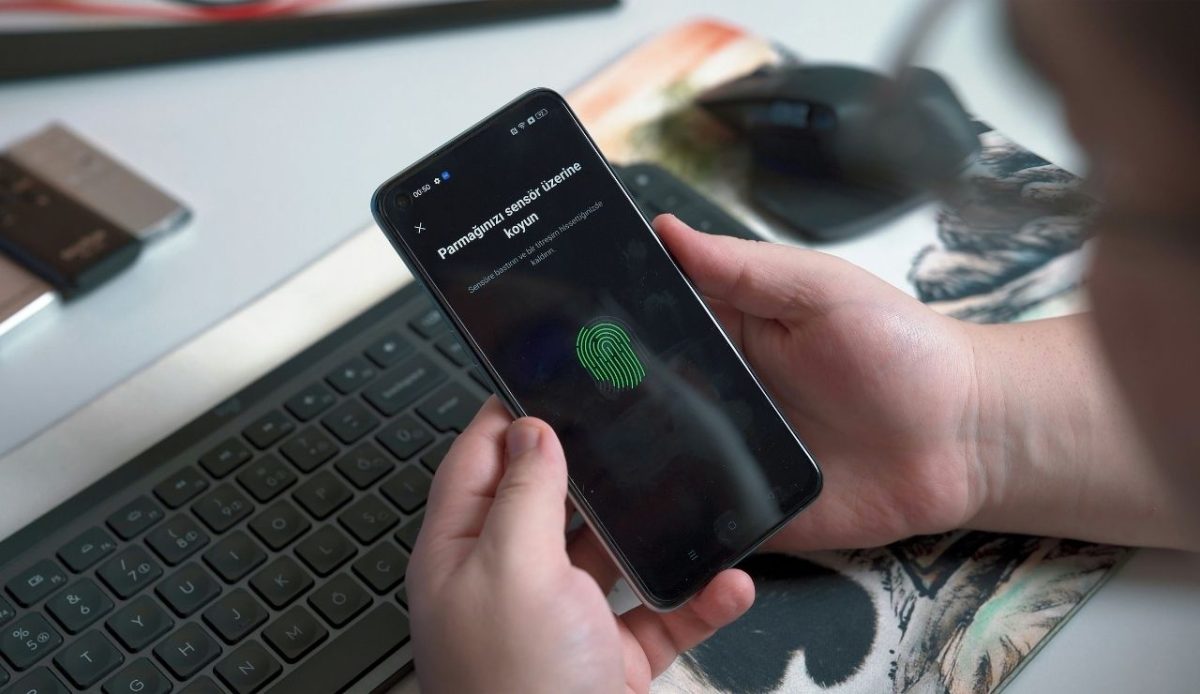
EES is creating the first real shock for many Americans because the procedure feels like a new gate to cross. EU material says non-EU short stay visitors can be asked for fingerprints and a facial image at first entry, and the information is stored digitally instead of a passport stamp. The physical act of registering can resemble a pre-clearance program, even though it happens after landing or at a land crossing. Children have different rules in some explanations, which adds detail that families may not expect. When a traveler connects through multiple airports, different equipment and staffing can make the process feel inconsistent.
Border staff may also ask routine questions about the visit, and the digital record makes overstays easier to flag. Reuters said EES replaces manual stamping with fingerprint and facial checks, with a phased start in October 2025 and full use expected by spring 2026. That update is often heard as a delay warning, not as an explanation of what travelers must do. Because biometrics are captured during the trip, people assume an online approval should have been obtained earlier. Airline agents then get asked about ETIAS at check-in, even though EES is the step being faced at the border when arriving. Procedures can differ by entry point.
Airlines And Airports Add Mixed Signals
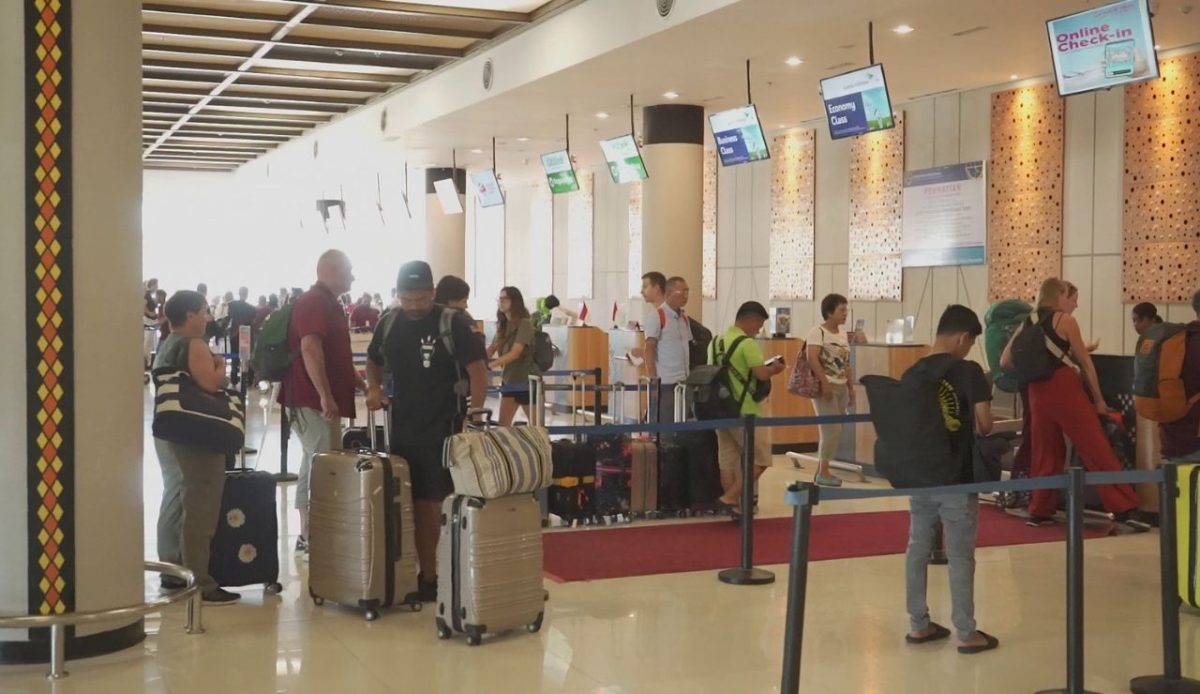
Confusion is amplified by the way information is delivered at booking time. Airlines typically show a checklist that blends passport validity, return plans, and local entry rules, but the EES change is procedural and hard to summarize in a single line. The Commission said EES would be rolled out progressively after October 12, 2025, so customer notices can lag what a traveler sees on arrival. Some airport pages mention biometric registration and extra time at control, while others still focus on stamps. When updates vary by route and wording, Americans treat the gap as proof that a new online permit is required.
EU guidance comparing the systems says EES applies in 29 Schengen countries and records movements, while ETIAS will require pre-travel authorization for visa-free visitors to 30 European countries. It repeats that the short stay rule remains 90 days in any 180 days, and that ETIAS will be requested online and linked to a passport. The Commission also announced a 20 euro ETIAS fee, with fee exemptions for travelers under 18 or over 70, but older articles still cite 7 euros. With mixed numbers and mixed dates, Americans can receive conflicting advice from airline staff and assume rules are being changed mid-season in 2026.
Scams And Unofficial Application Pages

The confusion has created an opening for bad actors online. Frontex has warned that many unofficial ETIAS websites provide incorrect information about who ETIAS applies to and how the process works, and that personal data can be put at risk. The agency listed risks such as identity theft and being charged inflated fees for a service that should be straightforward. Some sites advertise early applications even though the EU says ETIAS is not operating yet, and no action is required. For Americans used to applying for U.S. ESTA, the pitch sounds familiar, so a rushed traveler may pay a third party and assume the requirement has already begun.
EU messages note that commercial intermediaries will be able to submit applications for clients once ETIAS is live, which makes the market feel legitimate before launch. That detail matters because a paid service is not automatically fraudulent, yet it can still be unnecessary for most travelers. The EU says ETIAS will be offered through an official website and a mobile app, and it will announce the specific start date closer to launch. Until then, any page claiming to deliver a valid authorization is premature. When Americans see countdown clocks and instant approval promises, they often assume boarding will be denied without a receipt.
What Americans Should Do Before They Fly

For trips in 2026, the most practical step is to separate what is happening now from what is coming later. If traveling soon, expect EES-style border processing where it is in place across 29 participating countries, and build extra time for first entry registration at passport control. EU sources say EES is being introduced gradually, so procedures can differ by airport, port, or land crossing on the same itinerary. No ETIAS authorization is required until the system starts in late 2026, and the EU portal says applications are not open today. Keep your passport valid, since a future ETIAS approval will be tied to it for entry.
When ETIAS does open, official EU guidance indicates the application will be online through an EU website and app and will request identity details and travel questions. The Commission announced the fee is 20 euros and that travelers under 18 or over 70 will not pay, which is why older guides can look inconsistent. ETIAS will apply to visa-free visitors heading to 30 European countries for short stays, but it will not replace border checks on arrival. To avoid scams, Americans should rely on EU pages, not ads in search results. If a third party offers to file, treat it as optional help and share passport data only if you trust the provider.
