
Wildfires are getting larger and faster-moving as hotter, drier conditions line up with strong winds. For travelers, that means a national park gate or a mountain highway can flip from open to closed in minutes, sometimes before maps and apps catch up.
Closures aren’t just about flames. Smoke, falling trees, rockfall after fire, and overwhelmed emergency routes can make travel unsafe even miles away, especially in narrow canyons and forest corridors.
This guide explains why sudden shutdowns happen, how they’re managed, and what to do to keep your trip flexible and your route safe during peak season.
Why climate-driven fires trigger rapid shutdowns
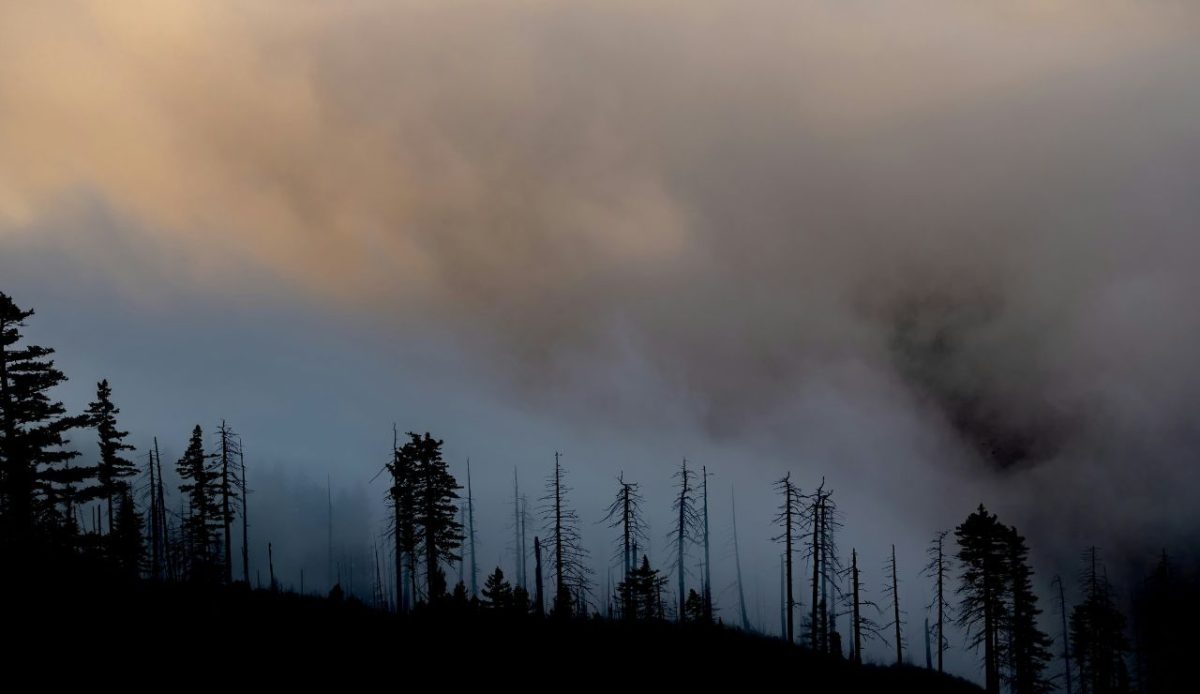
Climate change loads the dice toward extreme fire weather: higher temperatures dry out grasses and forests, snow melts earlier, and heat waves last longer. That creates more days when a spark can become a fast-moving fire.
Drought-stressed trees and deadfall add fuel, while wind events can push flames across ridges and roads in a single afternoon. Fire can also generate its own weather, including sudden shifts in direction and lightning in towering smoke columns.
When conditions align, managers close areas preemptively because the window to move visitors out safely can be very small for everyone.
Why parks close even when flames seem far away
Park closures often begin small: a trailhead shuts, then a campground, then whole zones. That step-by-step approach clears visitors out early and keeps rangers from having to rescue people in thick smoke.
Even if flames are miles away, parks may close because the only exit road crosses a danger corridor, water and power can fail, and radios or cell service can drop. Visitor centers may shift into shelter or command use.
Crews also need airspace and staging room for engines, aircraft, and evacuations. After the fire front passes, areas can stay closed for falling trees, ash pits, and unstable slopes.
Why highways shut down fast, and reopen slowly
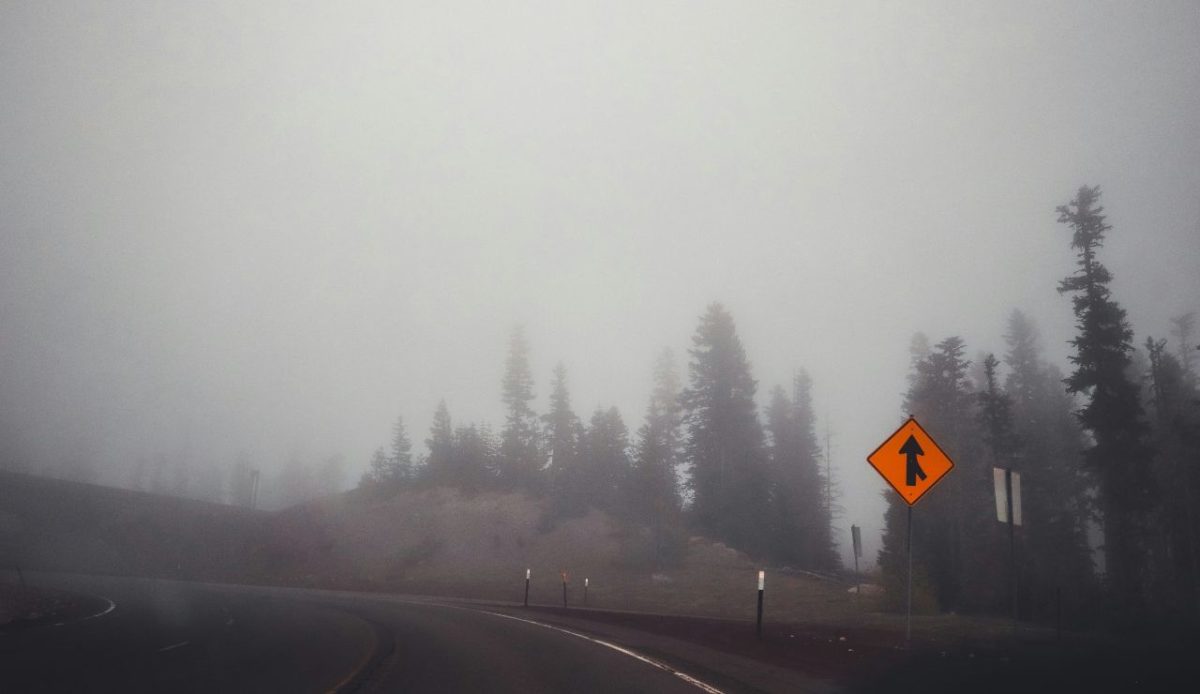
Highways close when fire nears the pavement, but also when smoke wipes out visibility. In mountain passes, one wind shift can turn a clear drive into near-zero sightlines, raising crash risk and trapping evacuees.
Crews may halt traffic so engines can work the shoulder, cut line, or move residents out. Some routes become lifelines for dozers, water tenders, and convoys, which need space and slow, controlled movement.
Reopening takes longer because hazards linger: burned trees can fall without warning, guardrails and signs may be damaged, and bridges need inspection. After rain, flash floods and mudslides can hit burned slopes.
How to plan trips around sudden closures
In wildfire season, plan like closures are part of the itinerary. Before you leave, check the park’s official alerts, state DOT road conditions, and local emergency updates, not just a navigation app.
Build redundancy into routes by identifying at least one alternate highway and a backup place to stay outside the risk area. Download offline maps because cell service often drops in canyons. If you’re camping, know where the nearest paved exit is and keep your vehicle fueled.
Flexible bookings matter. Choose refundable lodging when possible, avoid stacking tight driving days, and treat “open today” as a snapshot, not a promise.
What to do when a closure hits mid-route
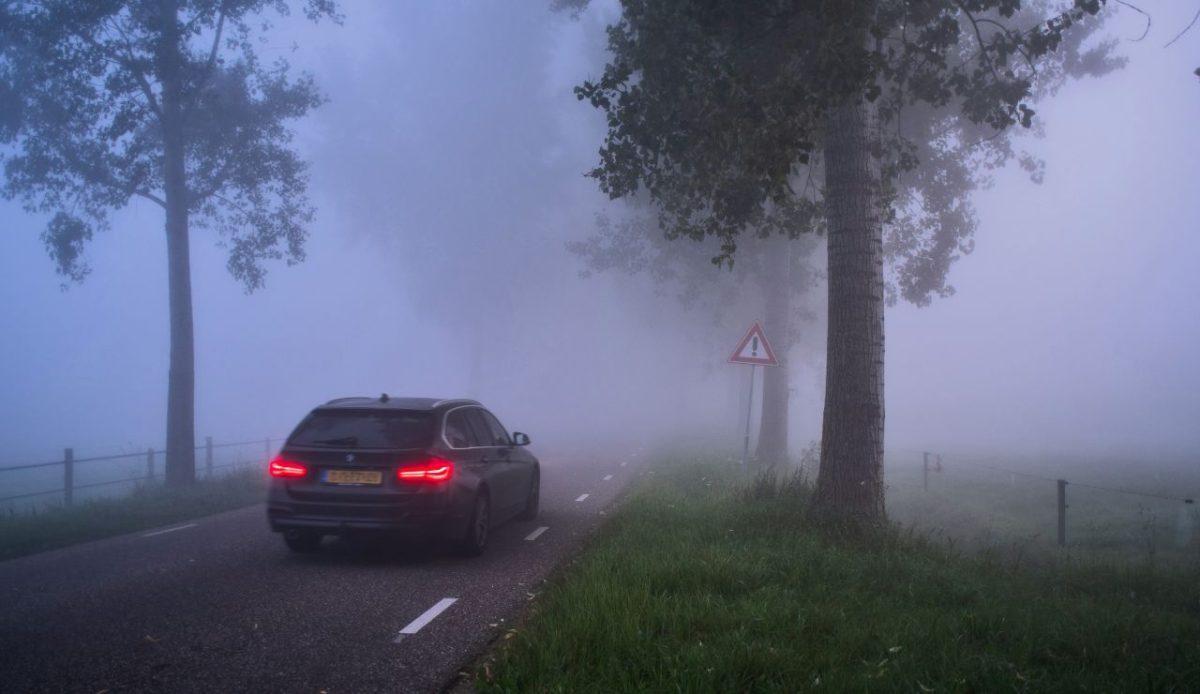
If you hit a closure, don’t try to “sneak through” or wait it out on the shoulder. Turn around early, follow detours, and assume responders need the road clear even if you can’t see flames.
If officials issue an evacuation order, leave immediately and take the route they specify. Smoke can spike quickly; if air quality drops, limit exertion, keep windows closed, and use recirculated air while driving. A well-fitted N95 or KN95 can help with smoke particles.
Document changes to your plans for refunds or insurance, and let someone know your updated route. The goal is simple: stay mobile, stay informed, stay out of the way.
