
Hotel pricing has become more dynamic than ever, with rates changing by the hour depending on demand, location, and booking behavior. That’s why travelers are increasingly relying on smarter booking strategies instead of simply choosing the cheapest listed price.
In 2026, many hotel guests are finding ways to unlock upgrades, discounts, and better rooms without spending more money. These tricks aren’t about luck anymore. They’re about timing, flexibility, and knowing how hotel systems actually work.
Booking at the right time can dramatically change prices
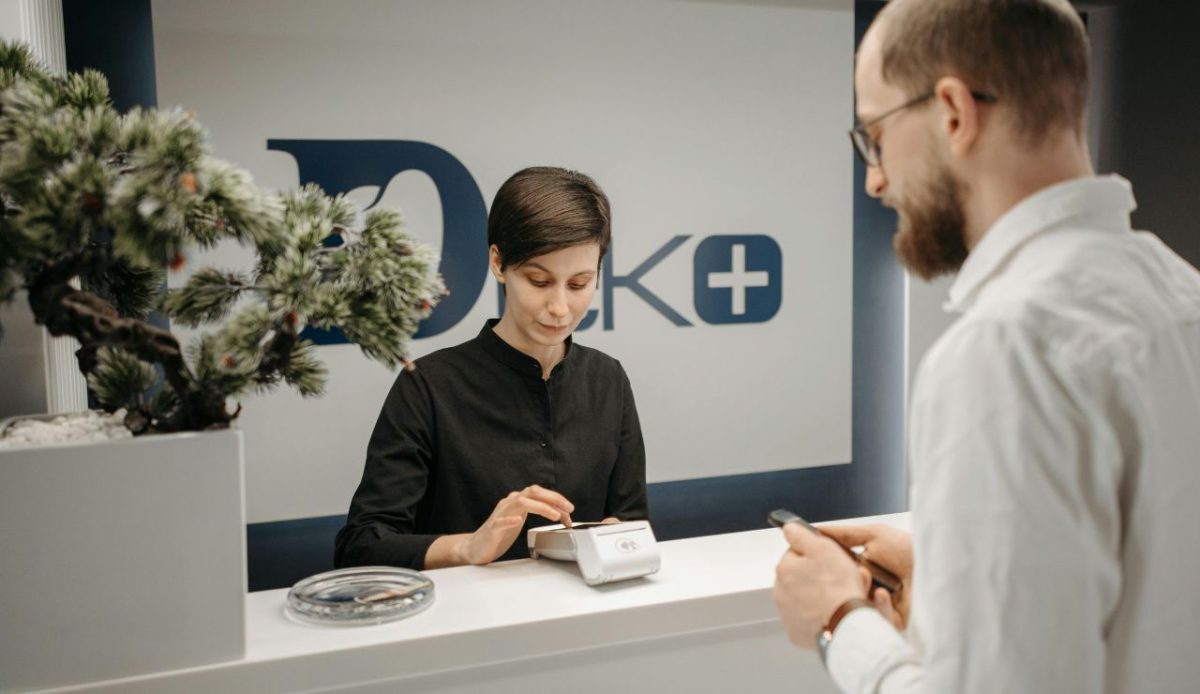
Hotel prices often fluctuate depending on the day of the week and how close you are to your travel date. Many travelers are finding that mid-week bookings or last-minute deals can sometimes offer the lowest rates.
At the same time, booking too early can lock in higher prices before discounts appear. Flexible travelers are checking rates multiple times before confirming their reservation.
Direct booking often unlocks hidden perks
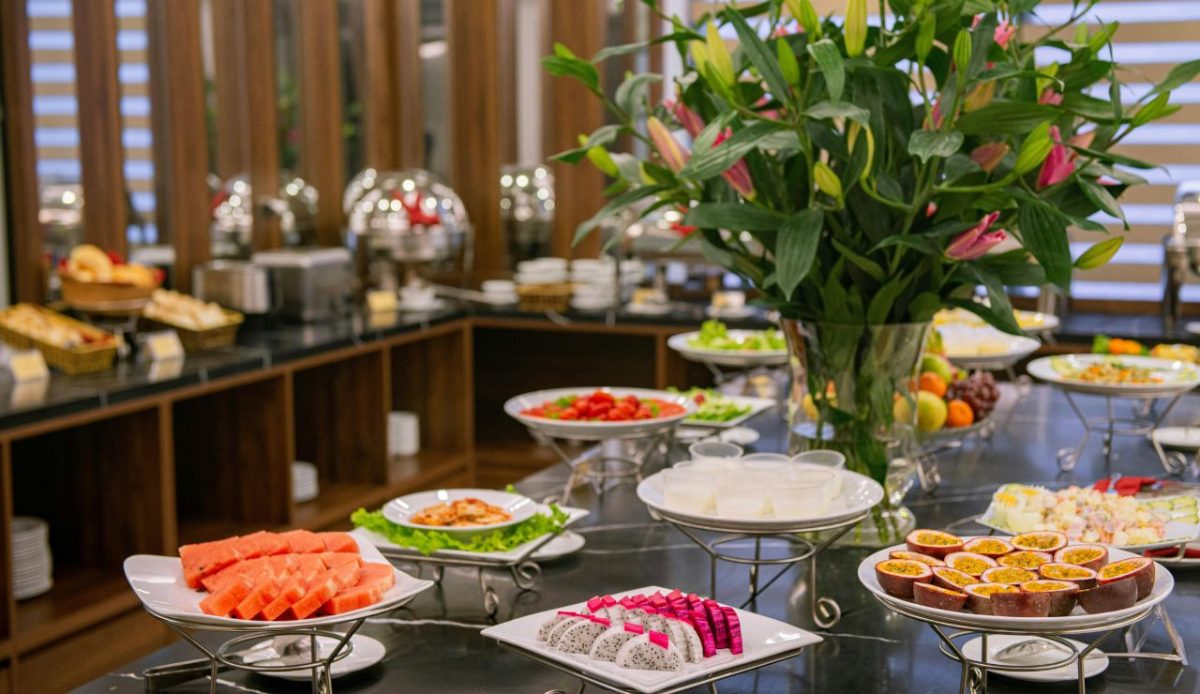
Hotels frequently reserve their best offers for guests who book directly through their official website or call the property. These perks can include free breakfast, parking, or even room upgrades.
Third-party booking sites may show lower upfront prices, but they don’t always include added benefits. Many travelers now compare both options before making a final decision.
Loyalty programs are more valuable than most people realize

Hotel loyalty programs have become one of the easiest ways to get better rooms without paying extra. Even basic membership can sometimes lead to priority check-in or discounted upgrades.
Frequent travelers often accumulate points that can be redeemed for free nights or suite upgrades. Many hotels also quietly prioritize loyal members when assigning rooms.
Timing your check-in can improve your room assignment

Arriving too early or too late can sometimes affect the type of room you receive. Many hotel staff assign better available rooms during mid-afternoon check-in when more options are open.
Polite requests at check-in can also make a difference, especially when hotels are not fully booked. Travelers who are flexible with timing often report better results.
Smaller hotels sometimes offer better upgrade chances

Independent hotels and boutique stays often have more flexibility compared to large chains. This means they may be more willing to upgrade guests when rooms are available.
Staff at smaller properties also tend to have more direct control over room assignments. This can lead to more personalized service and occasional complimentary upgrades.
Why smarter booking is changing how people travel
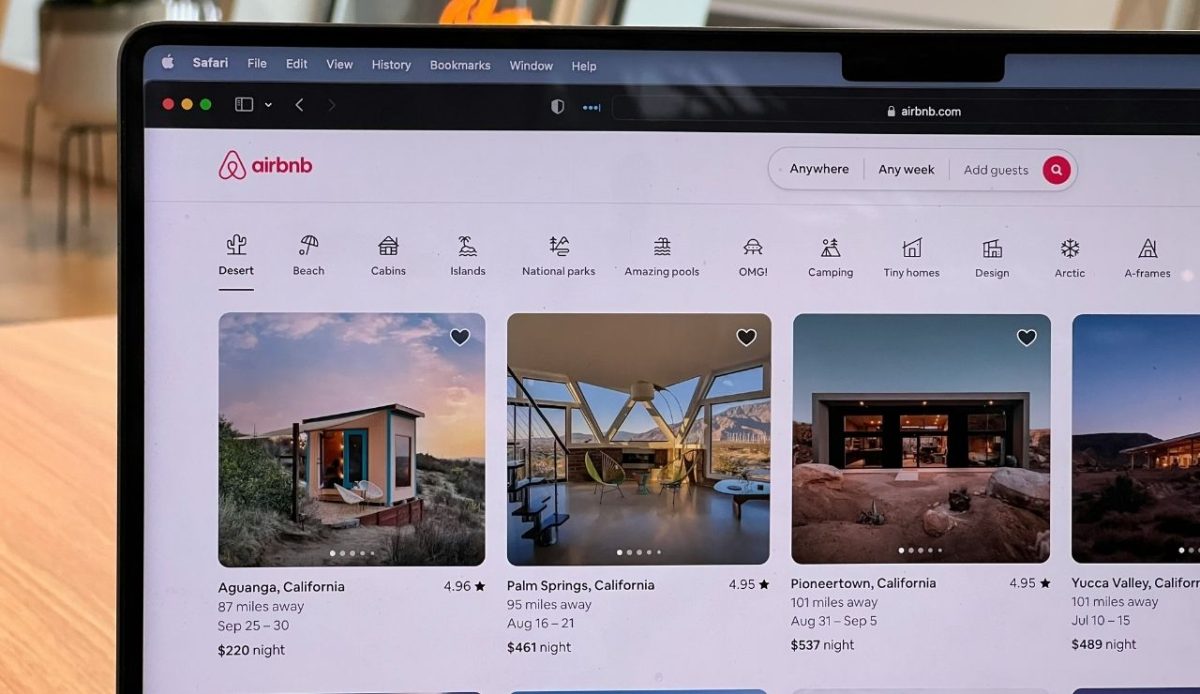
Hotel booking has shifted from simple price comparison to strategy-based planning. Travelers who understand pricing patterns and hotel behavior often get significantly better value for their money.
Small adjustments like timing, booking method, and loyalty status can make a noticeable difference. As competition increases, hotels are rewarding informed travelers more than ever before.
