
Public discussion around U.S. travel destinations has grown more divided as visitors weigh safety, costs, regulations, and infrastructure reliability. Some cities generate mixed evaluations because tourism messaging does not always match on-the-ground conditions, such as enforcement practices, transit limits, or concentrated crime patterns. These gaps appear in visitor surveys, mobility studies, and destination reports from 2024 and early 2025. This article presents a neutral, report-style overview of cities that produce sharply different visitor outcomes depending on timing, location choice, and preparation. The focus remains on travel friction rather than appeal or culture.
1. San Francisco, California
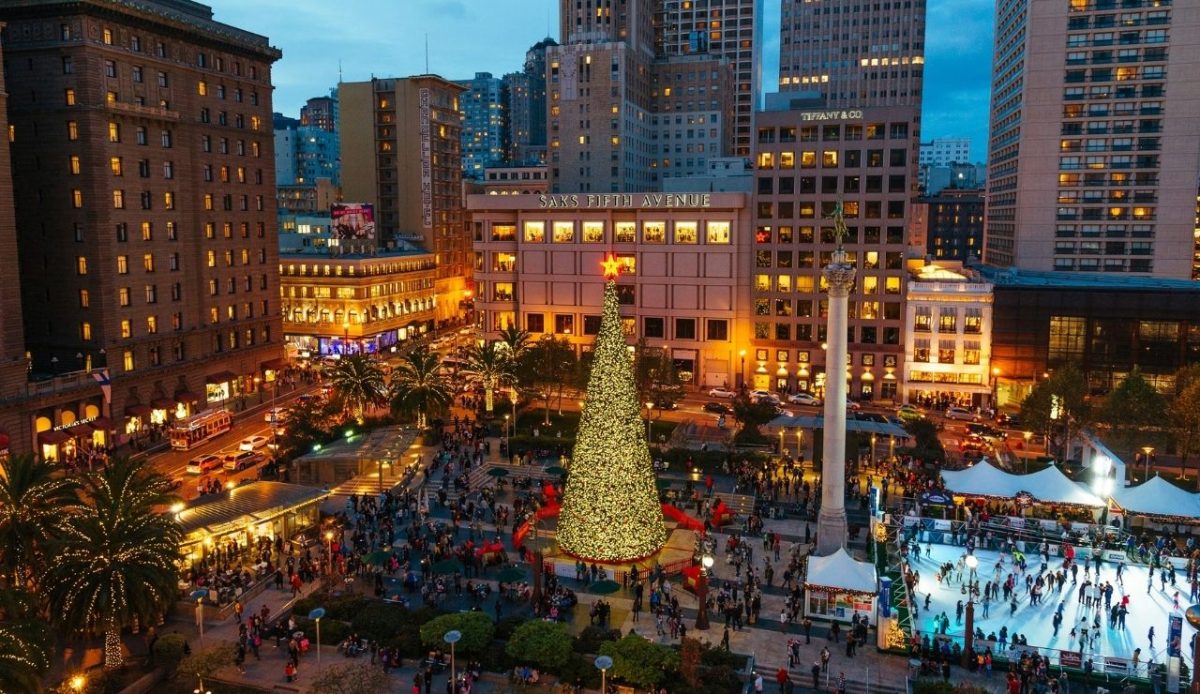
San Francisco remains controversial due to uneven conditions across districts that affect short-term visitors differently. Areas near major attractions continue to report higher levels of property crime, particularly vehicle theft, which shapes traveler behavior and insurance costs. Parking restrictions, permit zones, and enforcement complexity complicate brief stays. Public transit provides wide coverage, yet concerns about cleanliness and rule enforcement affect rider confidence. Visitor experience varies significantly by neighborhood choice, creating inconsistent assessments. Cultural venues and waterfront areas operate normally, but district variation keeps San Francisco highly debated.
2. Los Angeles, California
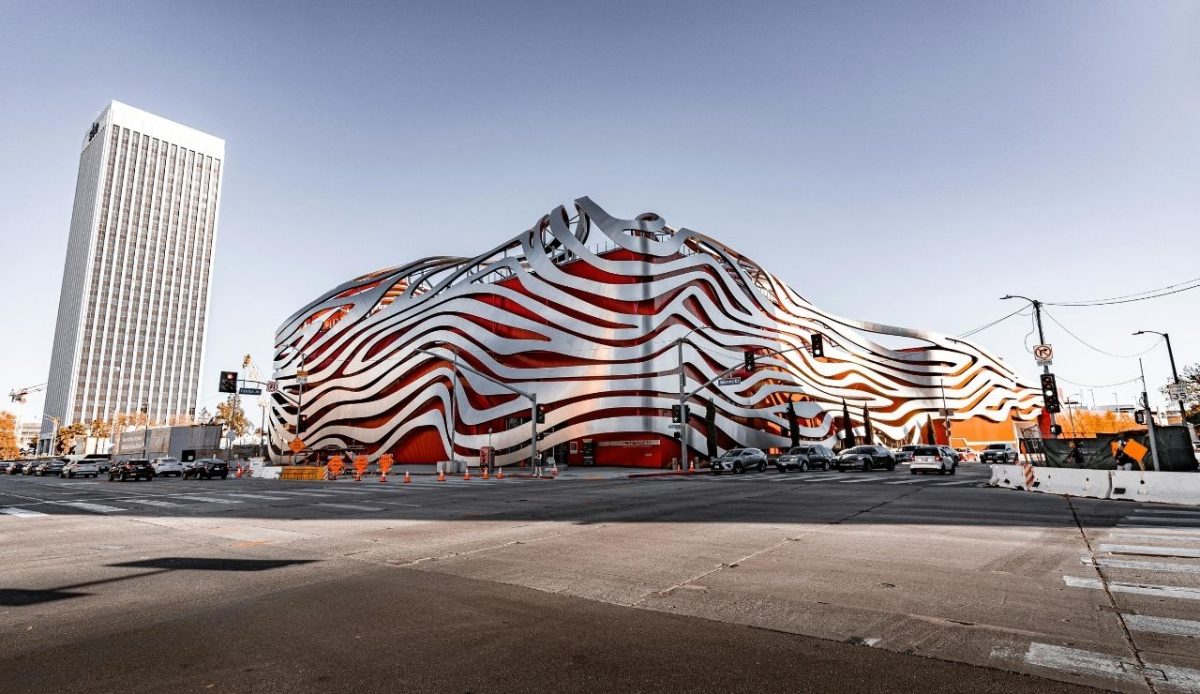
Los Angeles faces sustained controversy tied to scale and infrastructure dependence. Most visitor movement relies on private vehicles due to limited practical transit coverage between attractions. Traffic congestion disrupts schedules, especially during peak periods. Neighborhood boundaries often lack clarity for newcomers, which increases the risk of inefficient routing or unsuitable lodging. Parking enforcement remains strict and costly, affecting short visits. Public services and conditions vary widely by district, producing inconsistent impressions and keeping Los Angeles prominent in travel controversy evaluations.
3. Portland, Oregon
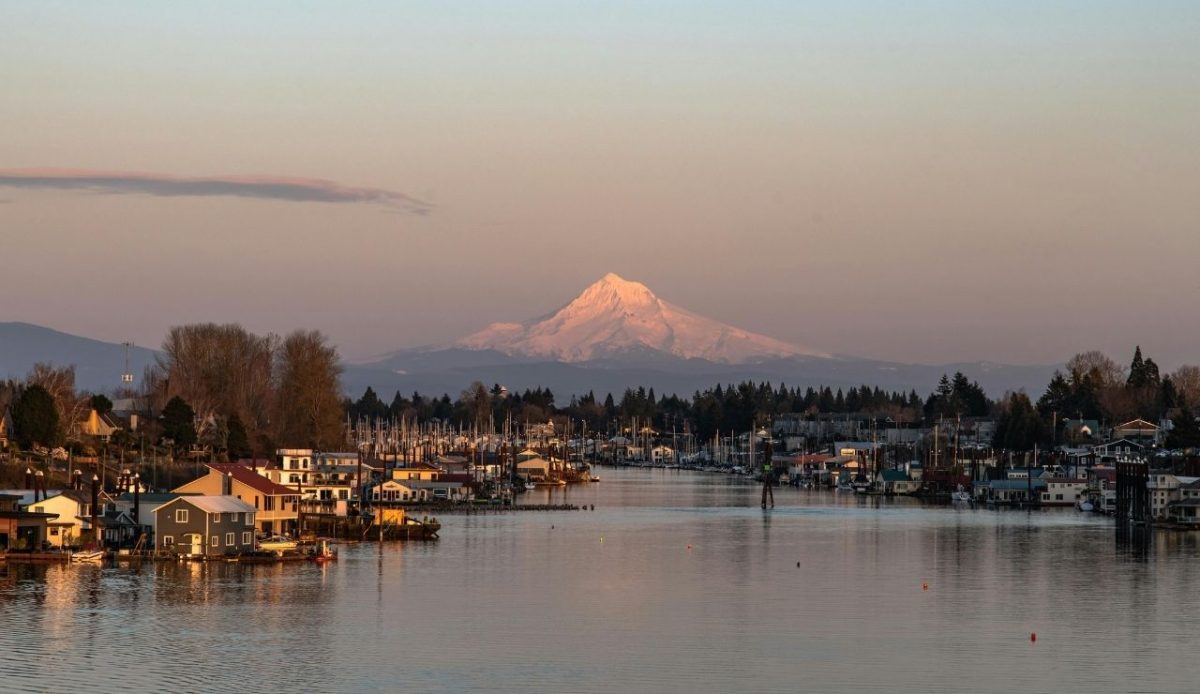
Portland remains controversial due to uneven recovery across central districts and changing visitor conditions that continue to affect mobility and service access. Business closures in parts of downtown have altered pedestrian flow, reduced retail density, and shifted activity patterns throughout the day. Public transit performance varies by corridor, affecting visitors who rely on schedules without local familiarity. Lodging location plays a measurable role in outcomes, especially after evening hours when activity levels shift noticeably. Policy adjustments influence enforcement visibility and the use of public spaces. Seasonal weather further impacts accessibility and walkability.
4. Chicago, Illinois
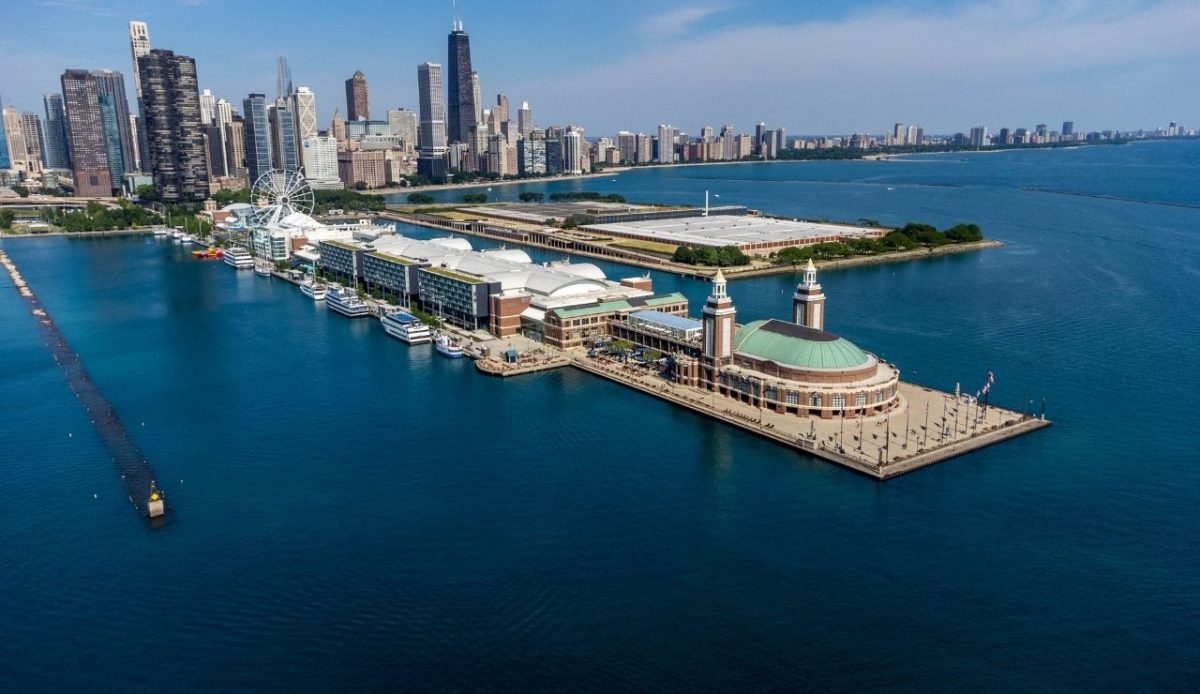
Chicago’s visitor controversy centers on safety perception shaped by uneven geographic understanding, differing district conditions, and seasonal factors. Crime data shows strong concentration outside primary tourism zones, yet travelers often receive citywide figures without context. Downtown districts, museum corridors, and lakefront areas maintain consistent oversight and visitor services that support predictable movement. Public transport covers large sections of the city but requires route awareness to use efficiently. Weather extremes affect walkability, transit timing, and overall comfort. These combined elements influence how visitors evaluate Chicago as a destination.
5. New York City, New York
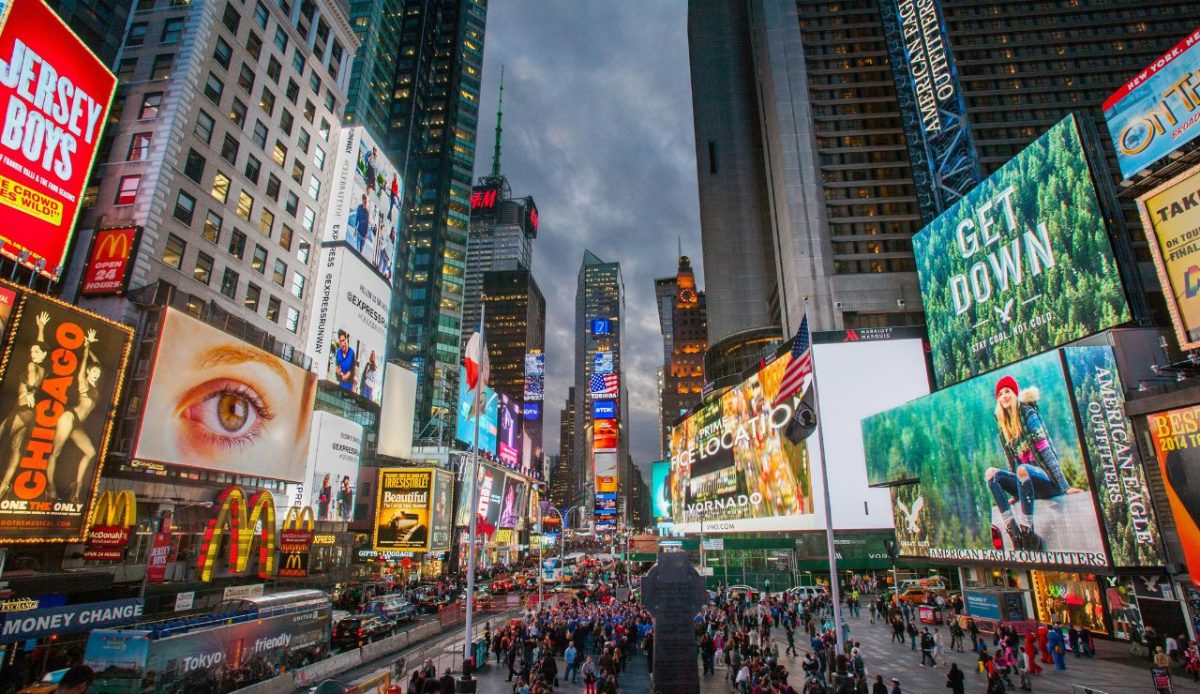
New York City faces controversy due to density, pricing variability, and sustained operational pressure across major visitor corridors. Public transit reaches most districts, yet delays, station conditions, and crowding affect short-term navigation and trip timing. Hotel costs fluctuate sharply, and required fees complicate budgeting for travelers with limited schedules. Street conditions vary block by block, creating uneven impressions even within small areas. Crowd management during peak seasons increases transit strain and walkway congestion. Service reliability shifts by time and location, contributing to widely differing visitor assessments.
6. Miami, Florida
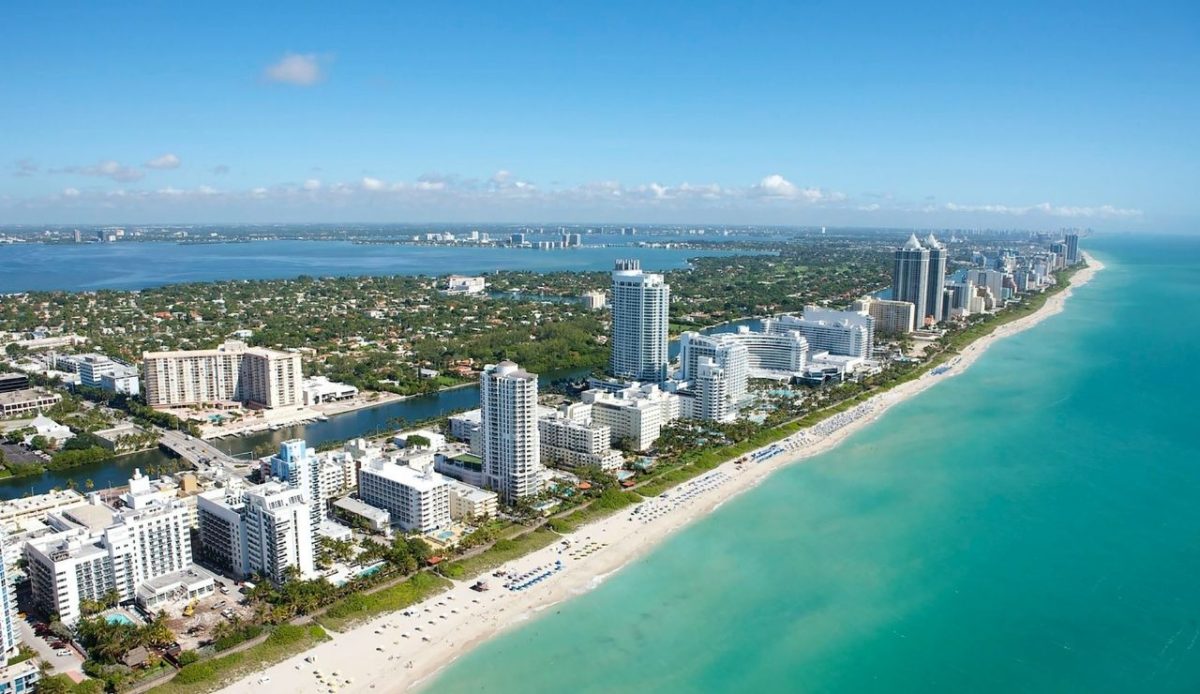
Miami’s classification as controversial reflects changing visitor regulations and access controls. Crowd management policies influence beach entry, nighttime movement, and seasonal travel patterns across key coastal zones. Enforcement visibility increases during peak periods, altering expectations for first-time visitors who anticipate fewer restrictions. Vehicle movement depends on toll routes and managed traffic zones that require planning. Accommodation pricing shifts rapidly with demand cycles, adding uncertainty for short stays. Variation between daytime access and nighttime limits affects planning accuracy and contributes to wide differences in visitor outcomes.
7. Atlanta, Georgia
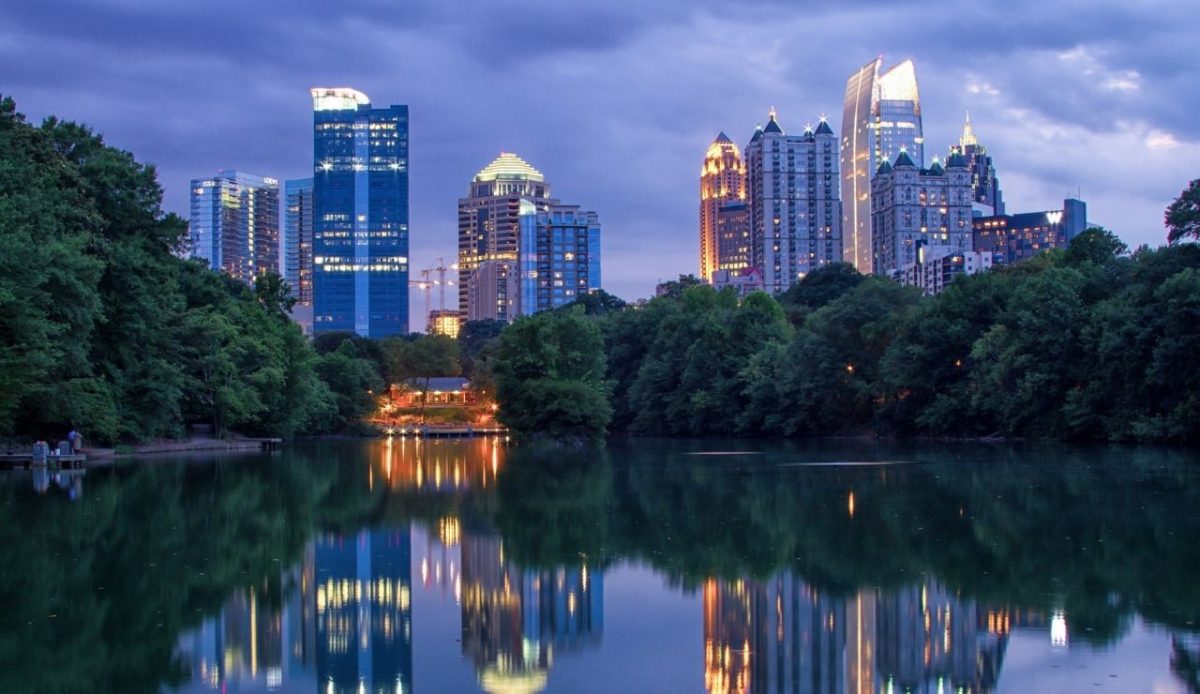
Atlanta presents visitor challenges linked to urban spread and transportation structure. Movement between attractions depends heavily on private vehicles because transit coverage between districts remains limited. Traffic congestion affects scheduling reliability, especially during major events that draw regional crowds. Crime data varies widely by neighborhood, influencing lodging selection and routing decisions. Transit options serve specific corridors but do not support most visitor itineraries. Wayfinding between districts requires planning, and limited interconnected routes add friction. These combined factors produce uneven short-term experiences for many travelers.
8. Houston, Texas
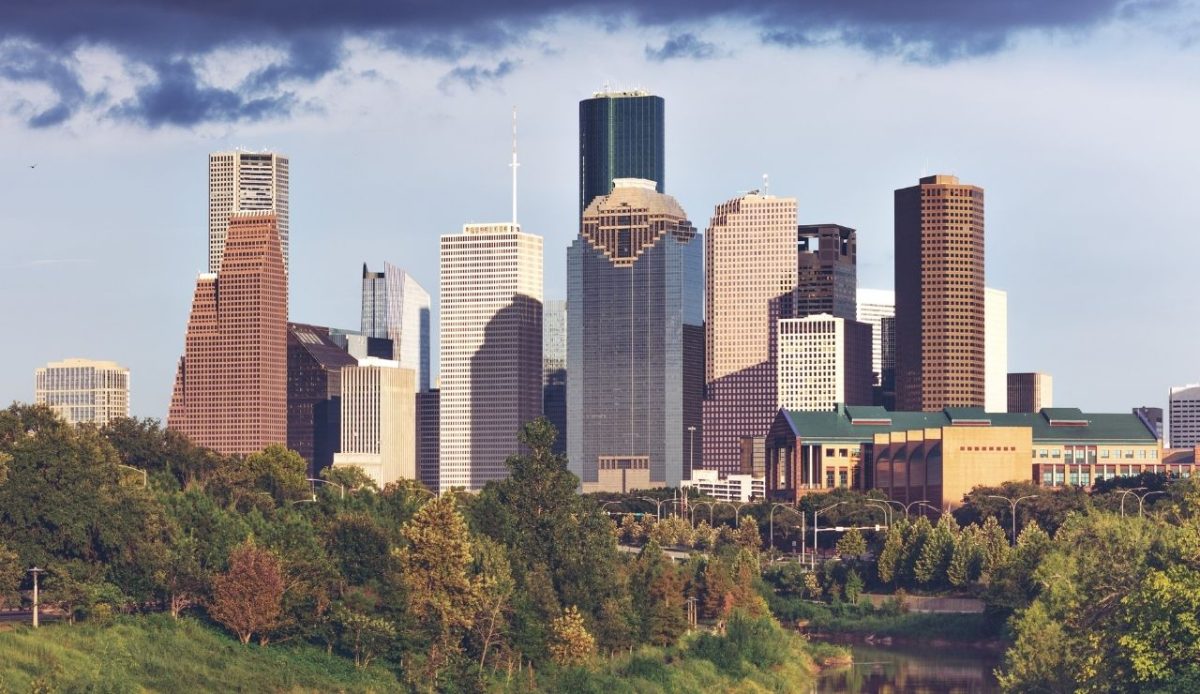
Houston’s controversy derives from scale and infrastructure orientation rather than visitor volume. Distances between attractions remain substantial, requiring extended driving times and detailed planning. Pedestrian connectivity remains limited outside select districts, reducing flexibility for travelers without vehicles. Public transport coverage does not align with typical visitor patterns, reinforcing car dependence. Crime patterns vary sharply by area, influencing accommodation placement and routing choices. Many visitors underestimate the required travel time due to the city’s physical spread. These logistical conditions frequently conflict with expectations and contribute to mixed travel assessments.
9. Las Vegas, Nevada
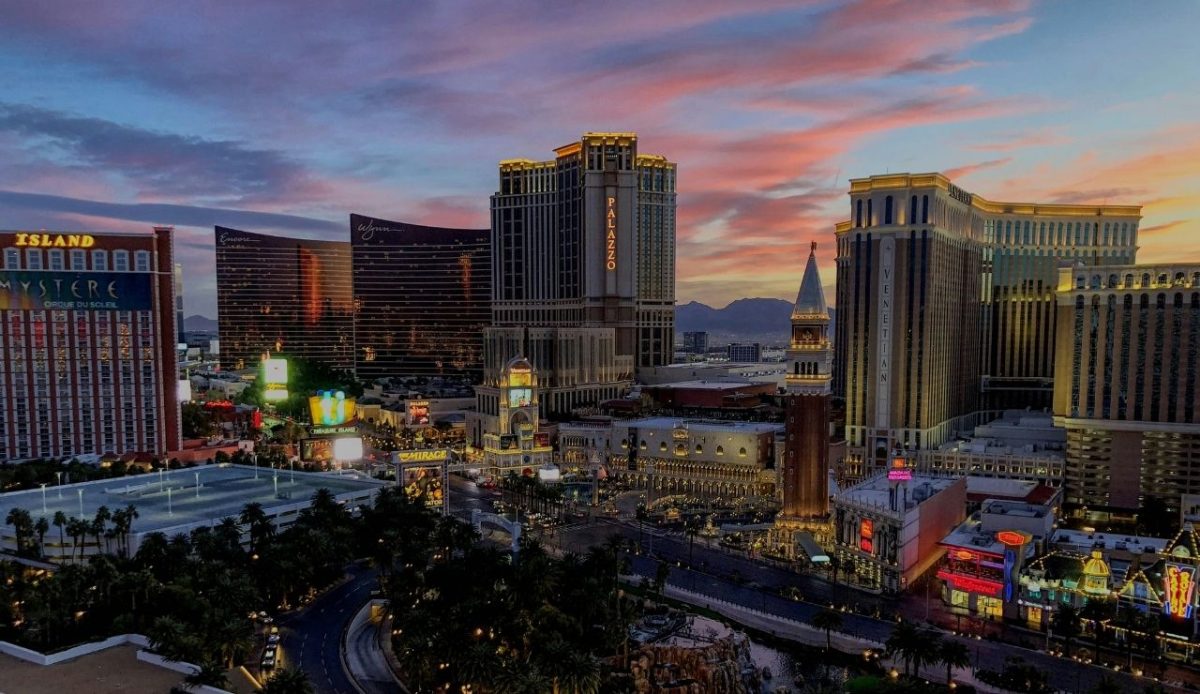
Las Vegas generates debate due to concentrated visitor management systems that shape movement within resort corridors. These areas operate under structured security protocols, while surrounding zones vary in oversight and service reliability. Crowd density fluctuates significantly by weekday, event schedule, and season, affecting navigation and wait times. Pricing models include mandatory fees that complicate budgeting and reduce clarity for first-time visitors. Movement remains controlled within major properties but is less predictable beyond them. Experiences differ sharply based on timing and lodging placement, sustaining its position as a debated destination.
10. New Orleans, Louisiana
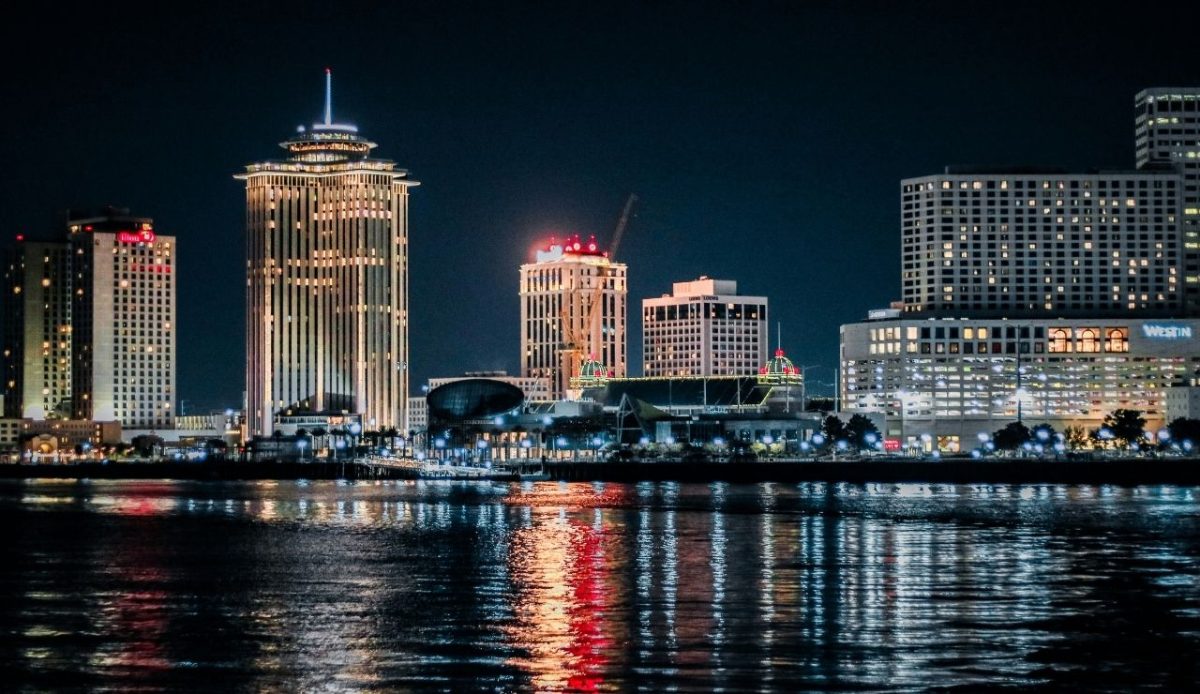
New Orleans remains controversial due to infrastructure strain and uneven mobility conditions across key districts. Street maintenance issues affect walking comfort and routing for visitors unfamiliar with local patterns. Public transport coverage stays limited for common tourist routes, increasing reliance on rideshare services and private vehicles. Crime data shows concentration outside primary visitor zones, yet perception continues to influence movement choices. Major events intensify congestion, enforcement presence, and travel times. These combined conditions create significant differences between planned and actual visit experience, maintaining an ongoing debate.
11. Memphis, Tennessee
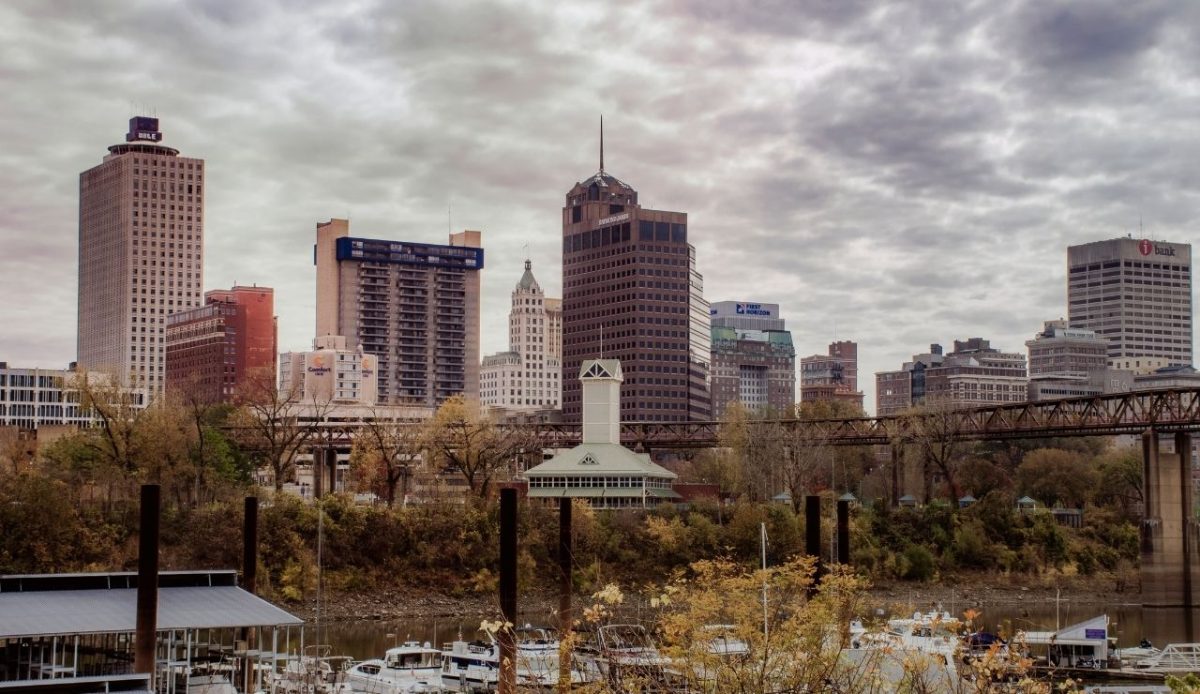
Memphis appears in controversy evaluations due to crime concentration and limited visitor mobility options. Travel between attractions relies heavily on driving, with lighting, road conditions, and routing clarity influencing comfort. Crime data varies sharply by district, shaping lodging placement and path selection. Tourism zones operate separately from higher-risk areas, yet public perception often lacks the necessary geographic detail. Limited public transport reduces flexibility for travelers who avoid driving. These structural factors continue to produce divided assessments of Memphis as a short-term travel destination.
