
The cheapest or most direct ferry is not always the easiest one. A different dock, vessel, or departure time can change the whole ride.
A ferry looks simple on a booking screen: pick a time, buy a ticket, show up at the dock. But small route choices can decide whether the ride feels easy or turns into a long, choppy hour of watching the horizon. Before you lock in the obvious option, these are the ferry details worth comparing.
The Short-Hop Ferry
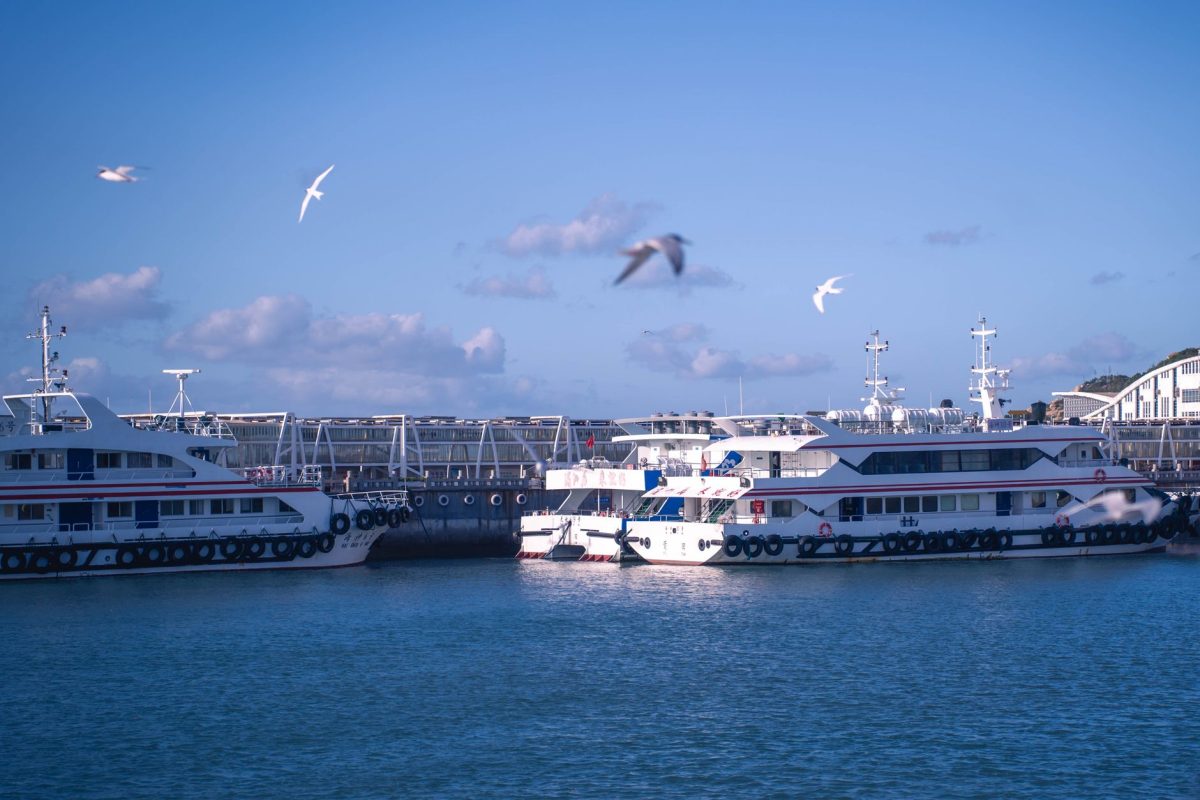
The shortest distance on the map is not always the easiest ferry choice. In some areas, a short-hop route that connects nearby docks can feel less punishing than a longer open-water crossing, even if it requires a bus, taxi, or short drive on either side. This helps travelers who are prone to seasickness, families with kids, and anyone trying to keep a tight day trip from becoming exhausting.
- Compare total door-to-door time, not just time on the boat.
- Check whether the short-hop dock has parking, transit, or luggage storage.
- Look for last-return times before choosing this option.
The tradeoff is that transfers add moving parts. If the landside connection is unreliable, the smoother water segment may not be worth the extra coordination.
The Sheltered Channel Route
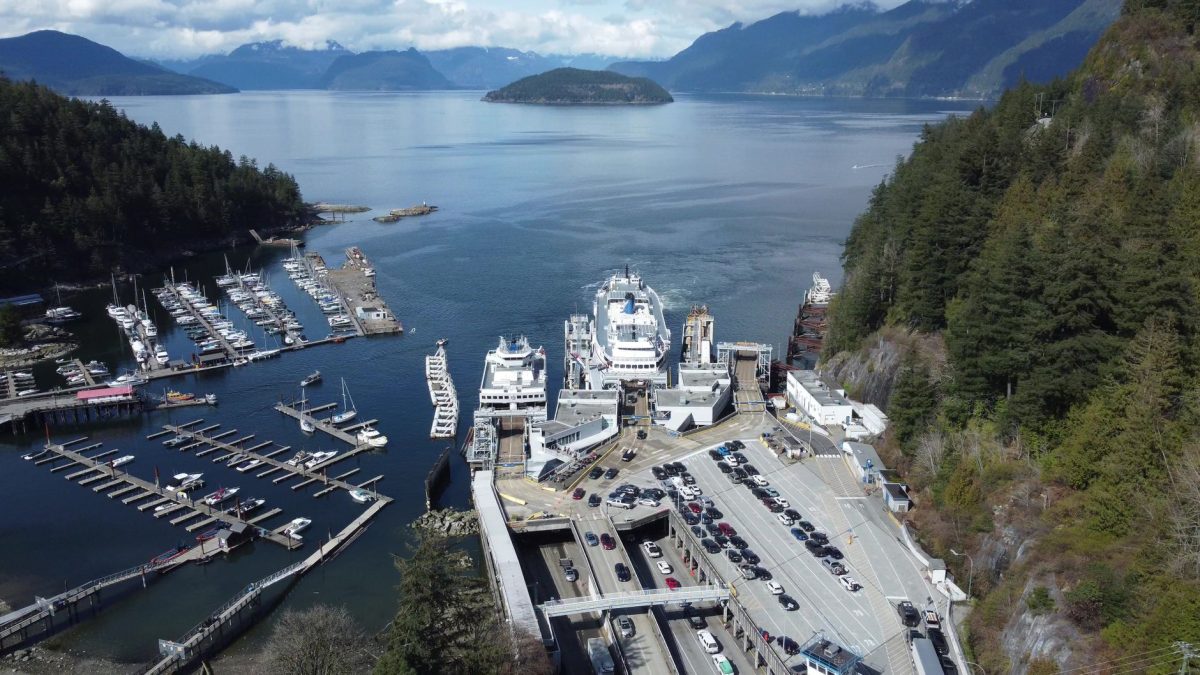
A route that stays closer to land can be the smarter pick when conditions look unsettled. Ferries that travel through bays, sounds, inlets, or channels may have more protection than routes that cut across exposed water. This matters most for travelers who care less about the postcard route and more about arriving steady enough to enjoy the next stop.
- Study the route map, not only the destination names.
- Check marine forecasts for wind direction and sea state.
- Ask the ferry operator if one route is commonly more exposed.
The catch is that sheltered routes can include extra stops or slower speed limits. They may be calmer, but they are not always faster, so compare comfort against schedule pressure.
The Bigger Car Ferry
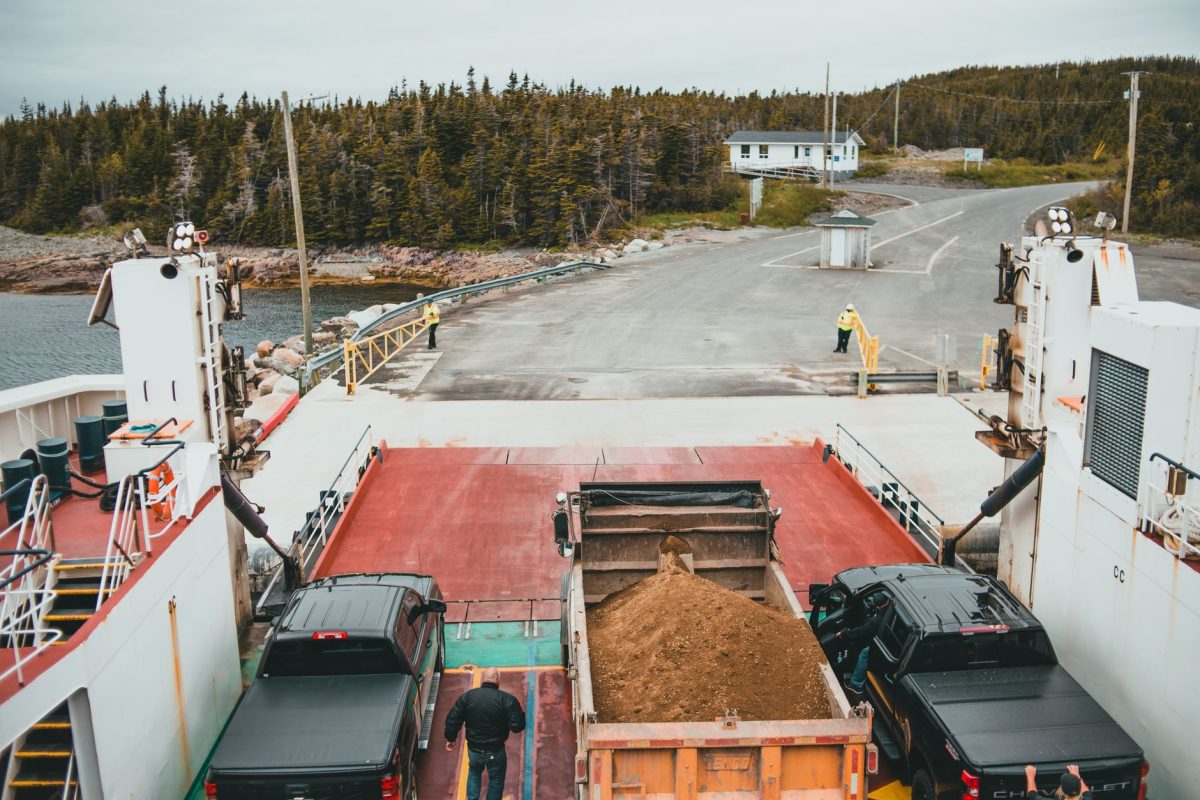
When two ferries cover a similar route, vessel size can change the ride more than travelers expect. A larger car ferry may feel steadier than a small passenger-only boat in the same general conditions, though no vessel can make rough water disappear. This choice can help people carrying luggage, traveling with older relatives, or hoping to sit indoors instead of bracing outside with a bag at their feet.
- Check whether the vessel has indoor seating, restrooms, and elevators if needed.
- Confirm boarding rules for vehicles, bikes, pets, and oversized luggage.
- Look for schedule notes showing seasonal vessel changes.
The downside is cost and timing. Bigger ferries may need earlier check-in, vehicle reservations, or longer loading time, so the steadier ride can require more planning.
The Morning Departure
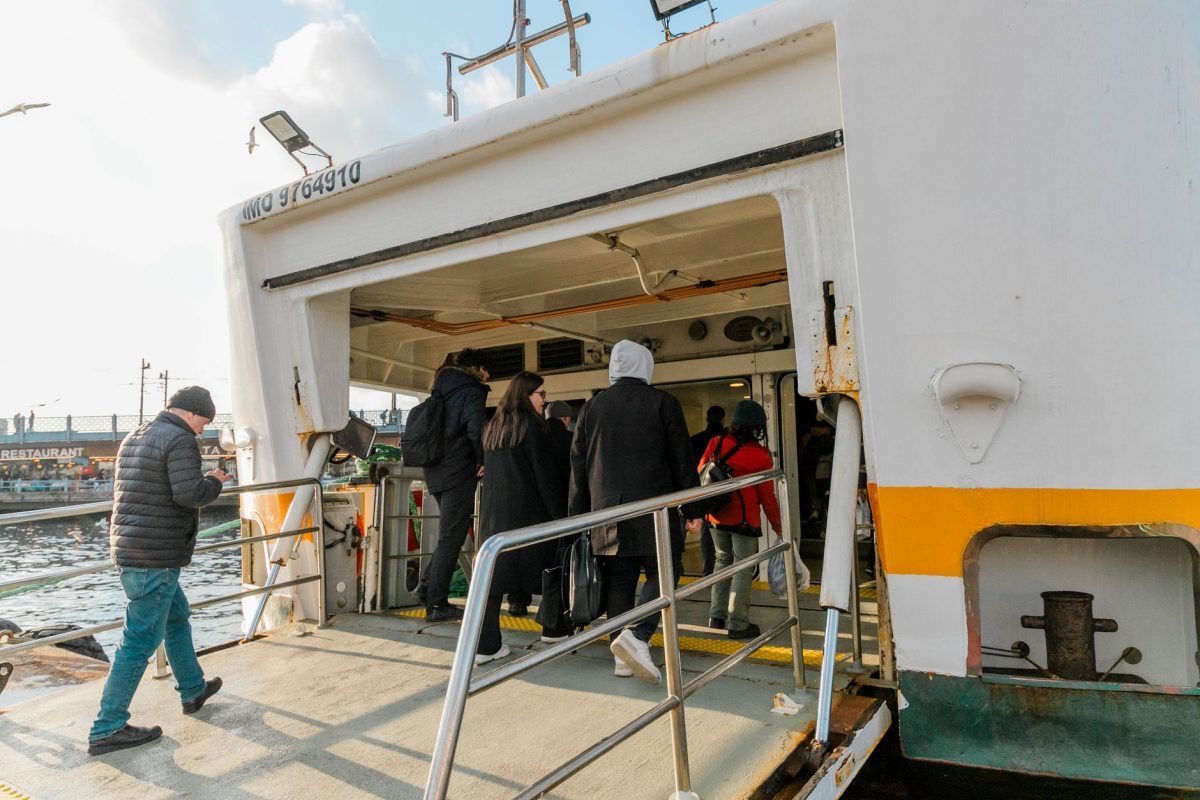
The first practical sailing of the day can be worth considering, especially in places where afternoon wind often builds. This is not a rule for every coastline, but it is a common enough pattern that ferry travelers should check before booking the most convenient midday ticket. Morning departures can also leave more recovery room if a sailing is delayed or canceled.
- Compare the weather forecast by hour, not just by day.
- Check whether morning routes run less often on weekends or off-season dates.
- Build in breakfast, parking, and boarding time so the early start does not become frantic.
This choice helps travelers with onward tours, dinner reservations, or rental car pickups. What can go wrong is simple: oversleeping turns the best route into a missed boat.
The Inland Port Transfer
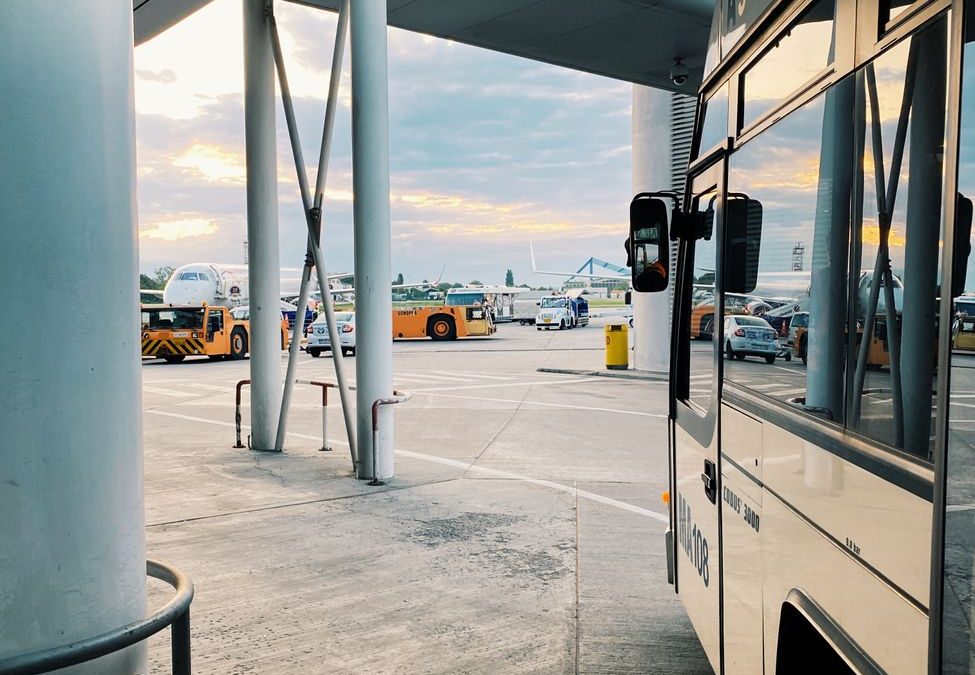
Sometimes the best ferry route starts with not boarding at the closest dock. Driving, taking a train, or using a shuttle to a different port can shorten the water crossing, avoid a notoriously exposed stretch, or line up better with the day’s schedule. This is especially useful for travelers who booked lodging before studying the ferry map.
- Compare parking fees, shuttle cost, and ferry fare together.
- Check whether the alternate port has fewer sailings or earlier cutoffs.
- Confirm luggage rules if the transfer involves a bus or train.
The risk is assuming a farther port automatically saves time. It only works when the landside transfer is dependable and the later ferry connection has enough buffer to absorb traffic, lines, or weather changes.
The smartest ferry booking is rarely just the cheapest ticket or the dock closest to your hotel. Look at the route map, vessel type, departure time, weather window, and backup options before you pay. A few minutes of comparison can mean a shorter wait, a calmer ride, and fewer surprises after the boat pulls away.
This article was created with AI assistance and reviewed for clarity, sourcing, and editorial quality.
