
The shortest line on the map is not always the fastest way across the water.
Ferries have a way of making travel feel simple: pick a route, show up at the dock, watch the shoreline slide away. The catch is that ferry time is not just sailing time. Terminals can sit far from town, loading can be slow, transfers can collapse, and one missed sailing can turn a relaxed crossing into a day of waiting. Before you book the route that looks easiest, check the parts of the trip the map does not show.
The Downtown Dock
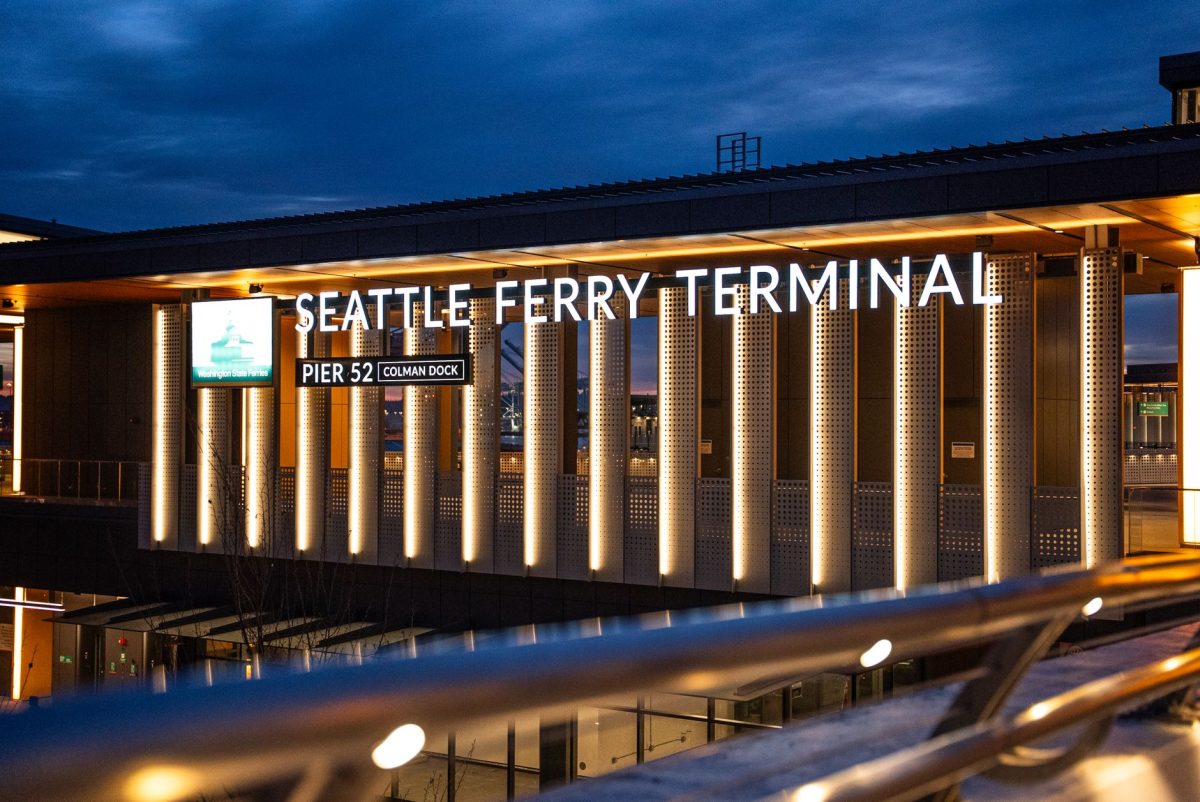
The downtown dock looks like the obvious choice because it feels close to hotels, restaurants, and sightseeing. That convenience can disappear if the route is a slow local ferry with multiple stops, limited vehicle space, or long pedestrian queues at popular times. A traveler may save ten minutes getting to the pier and lose two hours once boarding, unloading, and onward transport are included.
- Check next: Compare total pier-to-pier time, not just the dock location.
- Watch for: commuter peaks, festival weekends, and sailings that board pedestrians and vehicles separately.
- Who it helps: Visitors staying downtown who assume the nearest dock is automatically the fastest dock.
The Cheaper Car Ferry
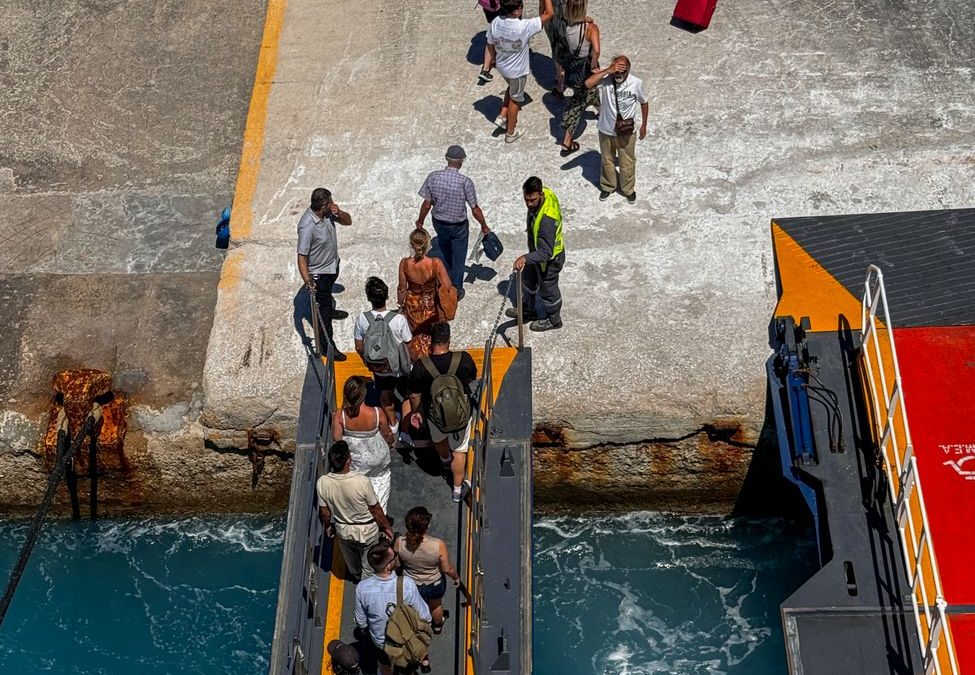
The cheaper car ferry can look like a smart win until the full schedule is added up. Vehicle ferries often require earlier arrival, staged loading, slower unloading, and sometimes a longer drive to reach the terminal. If the fare saves a modest amount but pushes you onto a less frequent route, the day can get swallowed by waiting lanes and traffic on both ends.
- Check next: Arrival cutoff times for vehicles, not just the posted departure time.
- Watch for: reservations that guarantee a spot versus standby lanes that only board if space remains.
- Who it helps: Road-trippers balancing ferry cost against hotel check-in, dinner plans, or a long drive after arrival.
The Island-Hop Transfer
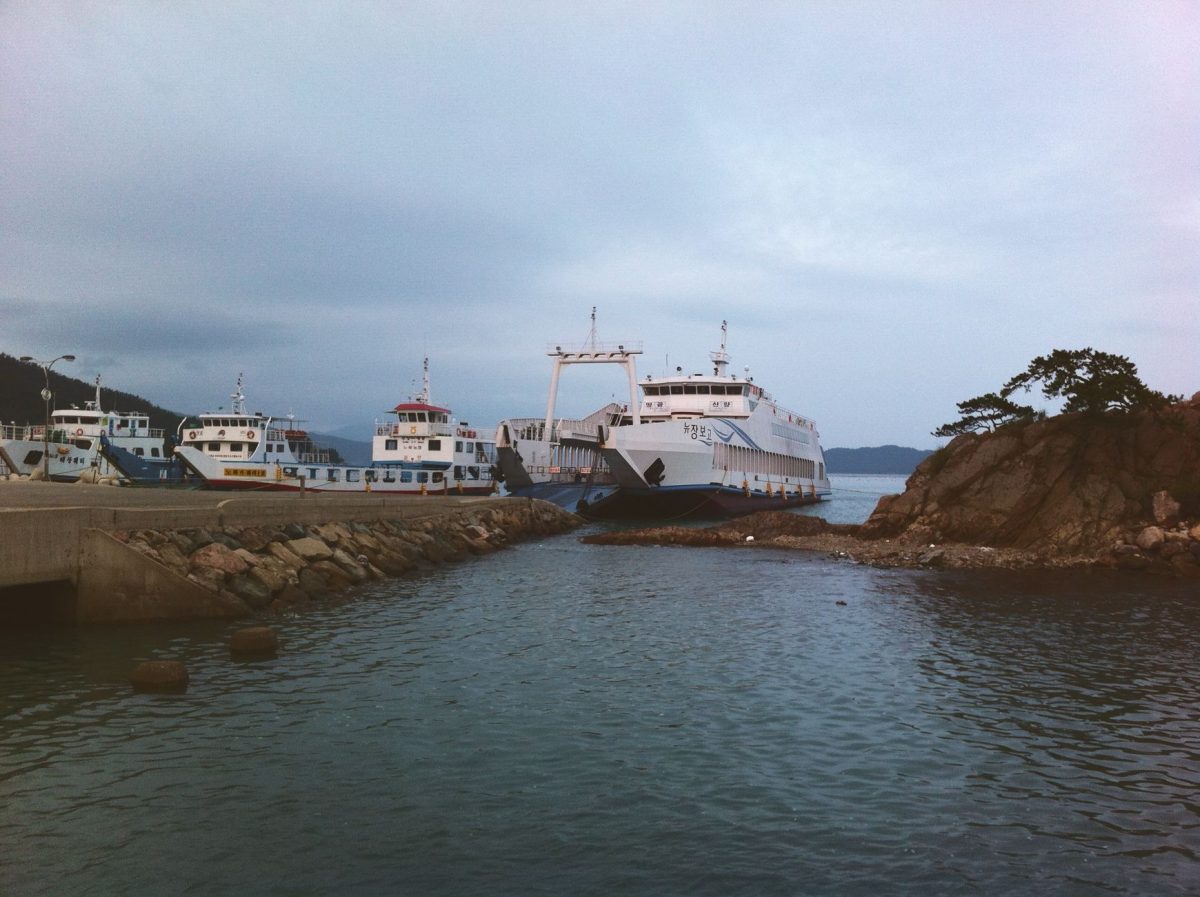
An island-hop transfer sounds charming on an itinerary, especially when the map shows the stops sitting close together. The risk is that each short hop has its own timetable, boarding process, and weather exposure. If the first sailing runs late or fills up, the connection may not wait. What looked like a scenic shortcut can become a chain of missed boats, luggage shuffling, and hours spent at a dock with few backup options.
- Check next: Whether the ferries are timed connections or separate services.
- Watch for: midday gaps, reduced weekend schedules, and routes that change seasonally.
- Who it helps: Travelers planning multi-island days with dinner reservations, tours, or a same-day hotel transfer.
The Late-Day Sailing
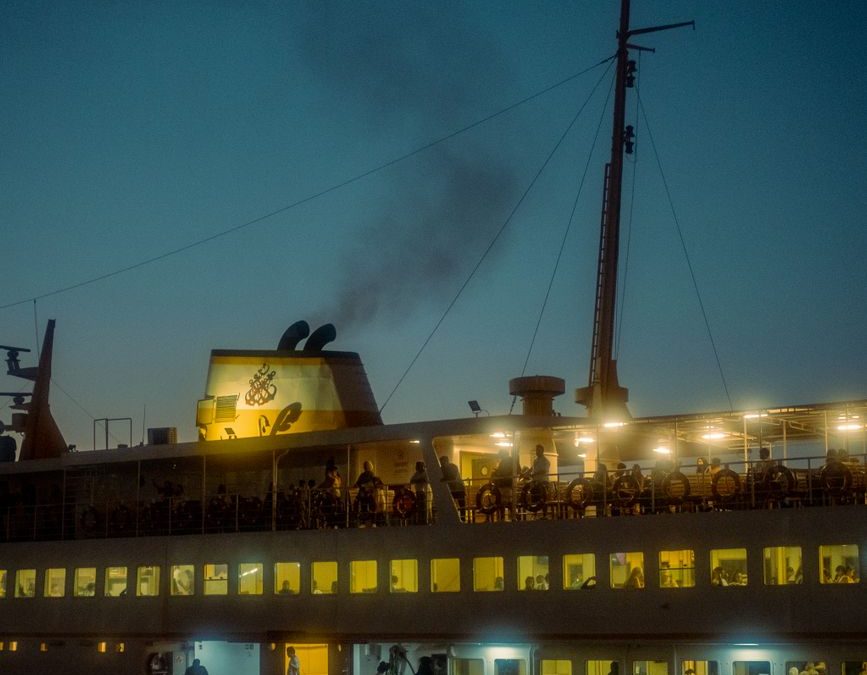
The late-day sailing feels efficient because it lets you keep sightseeing before moving on. It also leaves very little room for error. A delayed bus, a wrong dock, a long rental-car return, or a sold-out sailing can strand travelers after service has thinned out for the evening. In some places, the next boat may be the following morning, which means an unplanned hotel night and a scrambled schedule.
- Check next: The last two sailings of the day, not only the one you hope to catch.
- Watch for: sunset crowds, weather advisories, and reduced evening transport from the arrival port.
- Who it helps: Travelers connecting to lodging, rental cars, or flights after the ferry lands.
The Faraway Ferry Terminal
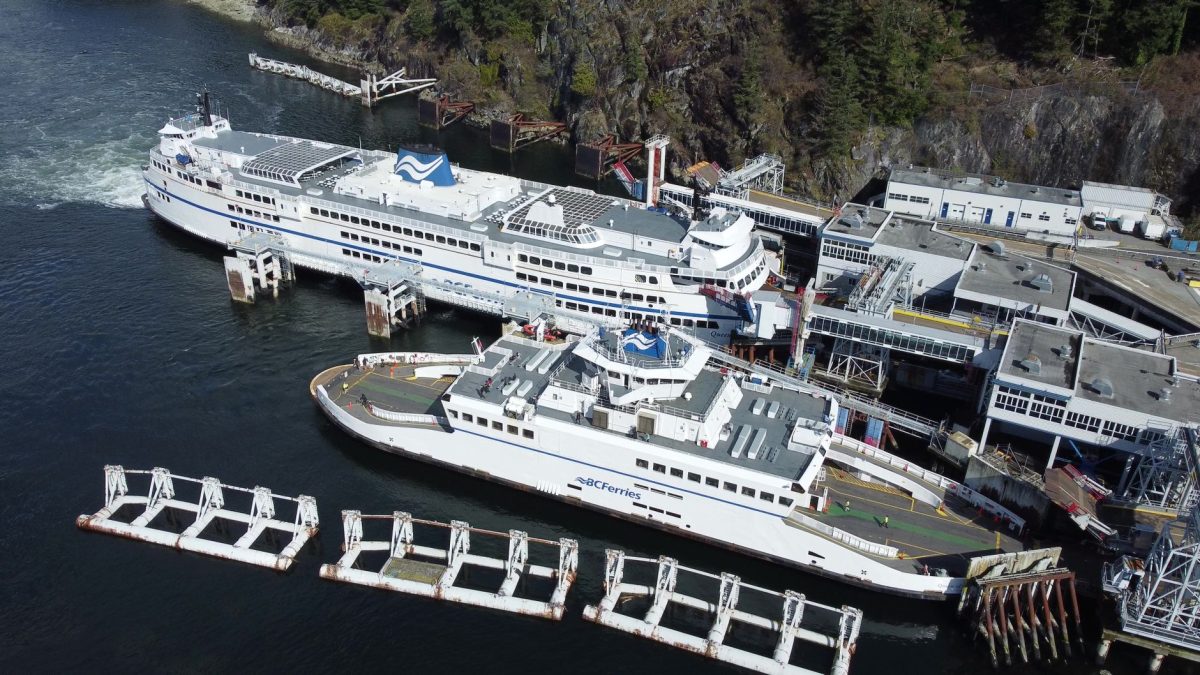
The terminal name may match the destination, but that does not mean it is near the place you actually want to be. Some ports sit well outside town to handle vehicles, larger vessels, or protected harbors. The sailing may be fast, while the taxi ride, shuttle wait, or local bus connection eats the afternoon. This matters most when travelers compare routes only by crossing time and miss the land travel attached to each end.
- Check next: The exact terminal address and the transport options after arrival.
- Watch for: ports with similar names, limited taxis, and shuttles that run only around certain sailings.
- Who it helps: Visitors without a car, families with luggage, and anyone trying to reach a hotel before dark.
The easiest ferry route is the one that works from door to door, not just dock to dock. Before paying, compare the terminal address, check-in cutoff, connection gaps, last sailing, and transport on arrival. A few minutes of schedule checking can keep a simple crossing from taking over the day.
This article was created with AI assistance and reviewed for clarity, sourcing, and editorial quality.
