
A ferry ride may be short, but the boarding process can unravel fast if you miss the small details that regular riders watch automatically.
Ferries look simple from the dock: buy a ticket, line up, roll or walk aboard, enjoy the view. The stressful part usually starts before the boat moves. A wrong lane, a buried bag, or one ignored instruction can turn a quick crossing into a scramble that affects everyone behind you.
Ferry Loading Lanes
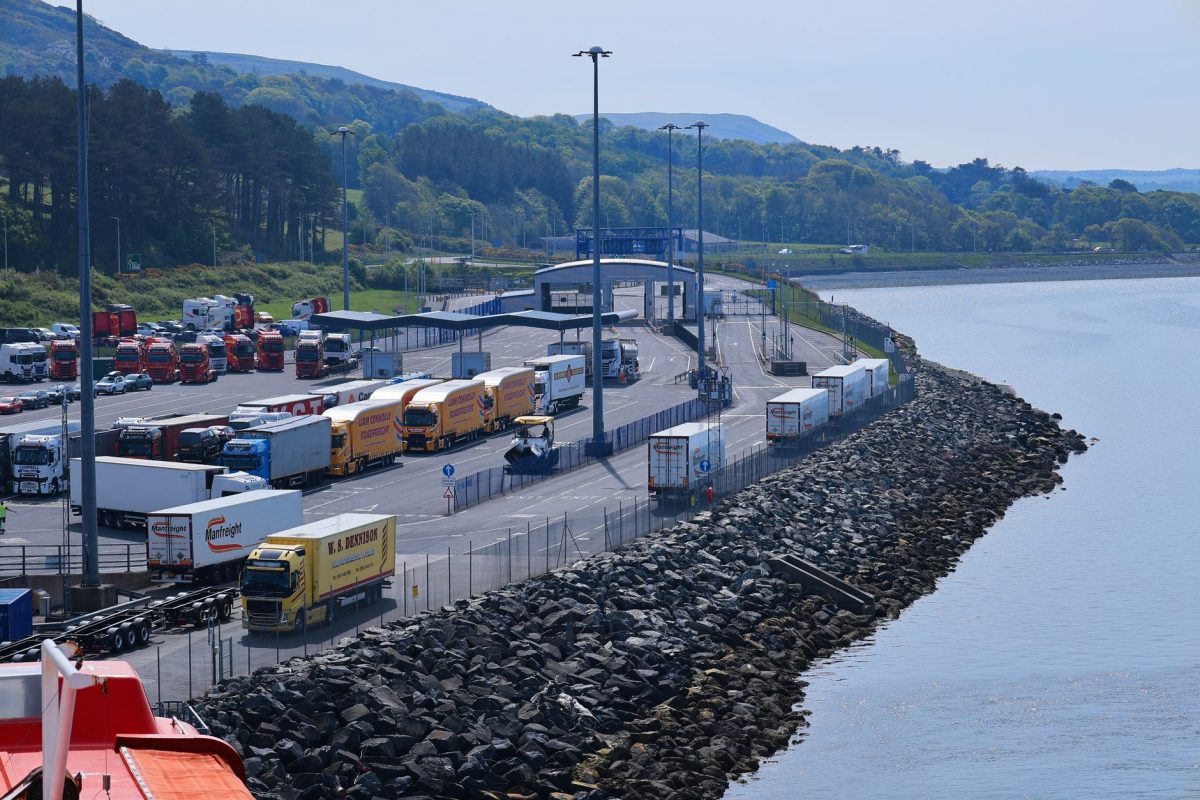
The first mistake happens before anyone sees the ramp: pulling into the wrong loading lane. Some ferry terminals separate reservations, standby vehicles, oversized vehicles, motorcycles, commercial traffic, and passengers needing assistance. If you guess instead of reading the signs, you may be asked to move after the line has already formed.
- Why it matters: loading order is often planned around vehicle size, weight, and timing.
- Who it affects: families, commuters, and staff trying to keep the sailing on schedule.
- What to check: lane signs, reservation instructions, and whether your vehicle type has a separate queue.
A minute spent confirming the lane can save you from a public reverse-and-redirect moment.
Ticket Booth Scramble

Many travelers assume they can sort out tickets at the last second because the crossing is short. That can backfire when the terminal uses timed reservations, vehicle-length pricing, passenger counts, discount rules, or cashless payment. The delay is not just annoying; it can move you from a planned sailing to a later one.
- Why it matters: ferries have capacity limits, and ticket questions slow the gate.
- Who it helps: drivers with trailers, seniors using discounts, families with multiple passengers, and anyone traveling during a busy weekend.
- What to check: reservation time, vehicle height or length, payment method, refund rules, and whether walk-on tickets are handled separately.
Have the ticket, QR code, ID, and payment card ready before you reach the booth.
Empty Car in Line
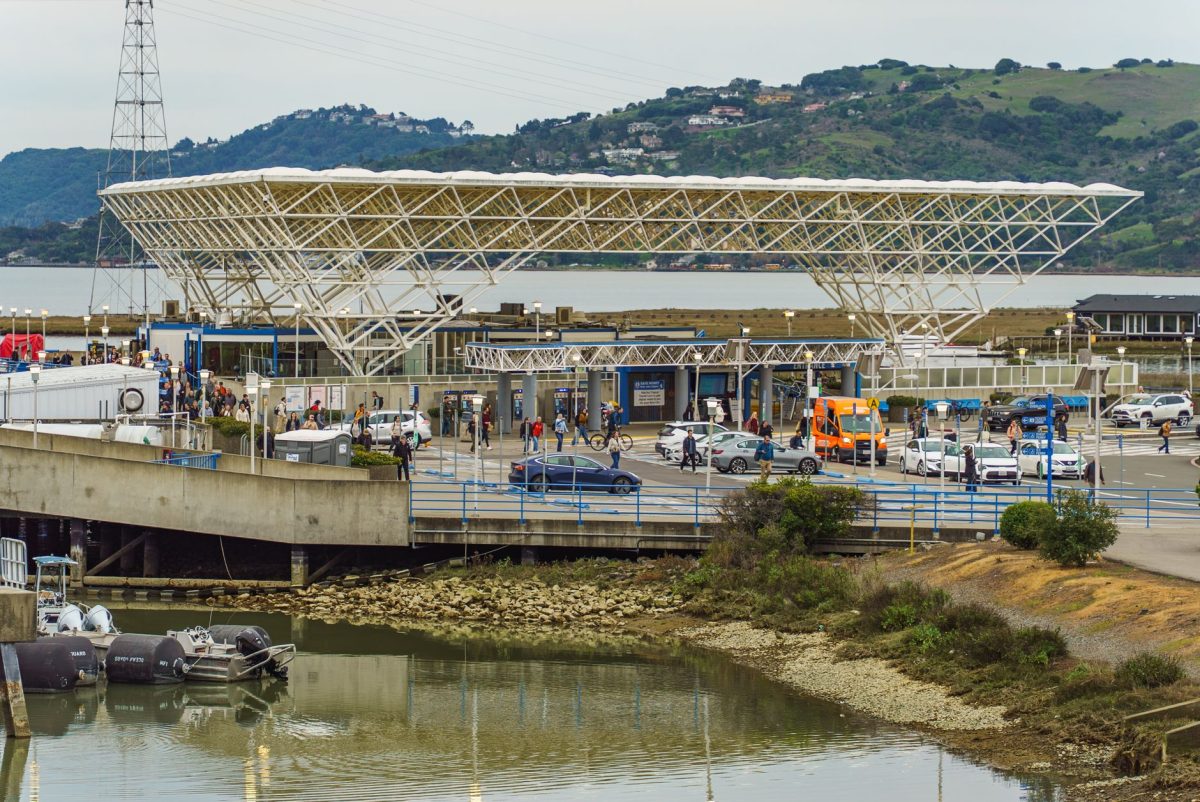
Leaving the car in the loading lane can seem harmless if you only need coffee, a restroom, or a quick photo. The problem is timing. Ferry staff may start moving the line with little warning, and an empty vehicle can block an entire lane. Some terminals also treat unattended vehicles in loading areas as a safety or operational issue.
- Why it matters: one missing driver can hold up dozens of vehicles behind them.
- Who it affects: crew, other passengers, and anyone with a tight connection after arrival.
- What to check: terminal rules, boarding announcements, and whether at least one licensed driver should remain with the vehicle.
If you must step away, keep it short, stay within earshot, and be back before loading begins.
Suitcase in the Trunk

Once your vehicle is parked on the ferry, you may not have convenient access to the trunk, and on some vessels passengers are told where they can and cannot remain during the crossing. That makes buried essentials a surprisingly common source of stress. Jackets, medicine, snacks, chargers, pet items, and motion-sickness supplies are easiest to grab before boarding.
- Why it matters: a short trip can feel much longer when the one thing you need is locked below or wedged behind bags.
- Who it helps: parents, pet owners, older travelers, and anyone prone to cold wind or seasickness.
- What to check: weather, vessel rules, passenger deck access, and what you will need for the next hour.
Build a small ferry bag before you reach the ramp, not after the car is parked.
Crew Hand Signals
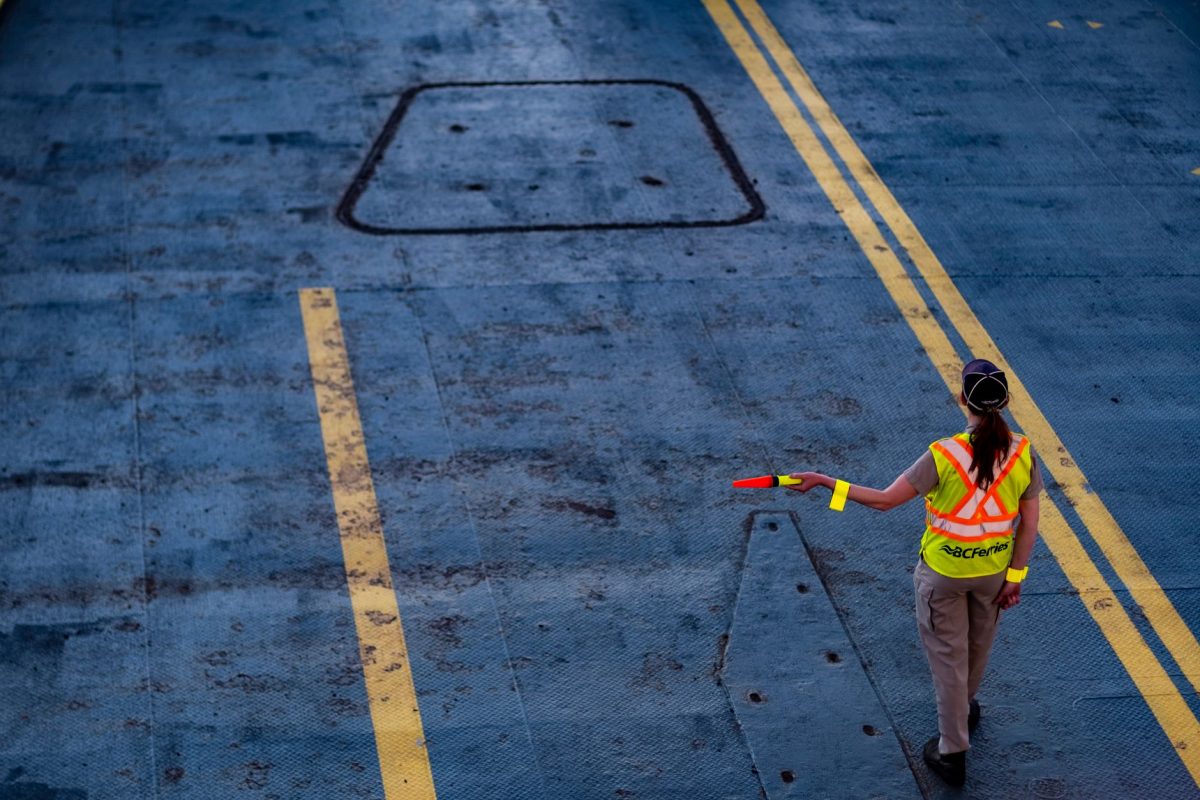
Ferry loading is not a casual parking lot shuffle. Crew members may be balancing vehicle spacing, emergency access, pedestrian movement, and weight distribution. Drivers who roll forward early, stop in the wrong place, open doors too soon, or ignore hand signals can create safety issues and slow the entire deck plan.
- Why it matters: ferry decks are tight, noisy, and often moving from one instruction to the next.
- Who it affects: drivers, walk-on passengers, cyclists, pets, and crew working close to vehicles.
- What to check: windows down if needed, headlights, parking brake instructions, engine rules, and when passengers may exit the vehicle.
When in doubt, pause and make eye contact with the crew member directing you.
A smooth ferry crossing usually comes down to small choices made at the terminal. Read the lane signs, keep tickets ready, stay with your vehicle when boarding is close, pull essentials out early, and follow the crew without improvising. The ride may be short, but the boarding process deserves a few calm minutes of attention.
