
The room may look fine at sailaway. The real test comes when the ship is moving, the hallway is busy, and your phone is at 9 percent.
A cruise cabin can look perfectly calm when you drop your bags, meet the steward, and rush back out for sailaway. Hours later, tiny details suddenly matter: a door that clicks, a bed setup that is wrong, an outlet that is nowhere near the nightstand, or a location that turns every rolling cart into a wake-up call. These are the cabin checks worth doing before dinner, not after midnight.
The Cabin Under the Buffet

Cabin location can change the first night more than the cabin category. A room under the buffet, galley, pool deck, theater, or late-night lounge may look like a bargain until chairs scrape, carts roll, or music carries through the ceiling. It does not mean every nearby cabin will be loud, but the risk is real enough to check before you book.
- Look at what is directly above and below the cabin, not just what is beside it.
- Watch for cabins near crew doors, service areas, elevators, or stairwells.
- If you are a light sleeper, a cabin with other cabins above and below is usually easier to trust.
This matters most on the first night because passengers are still exploring, venues are busy, and you may already be tired from travel day.
The Connecting Door
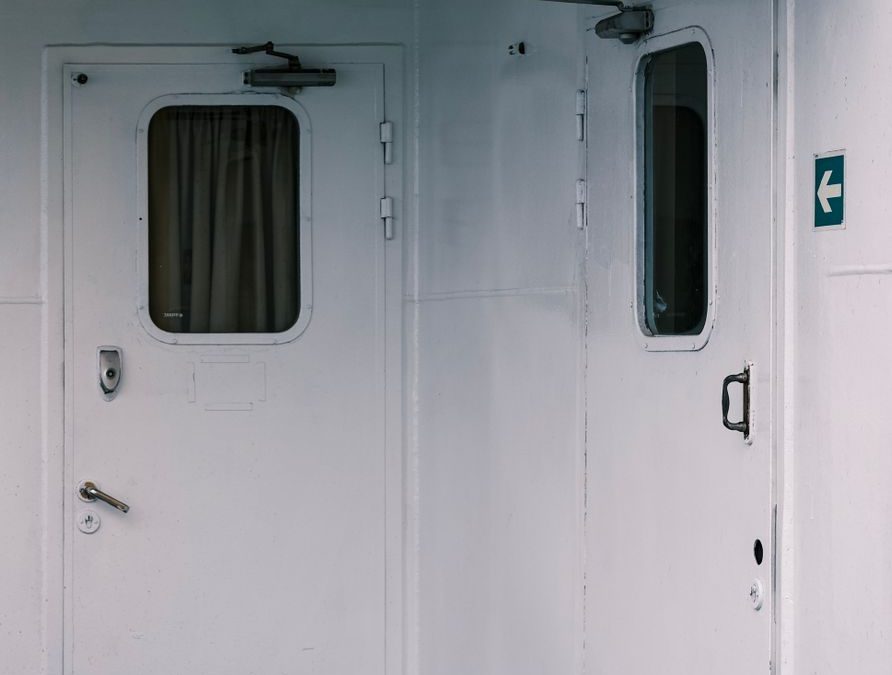
A connecting cabin door can be useful for families traveling together, but it can surprise guests who did not request one. The door is locked from both sides when strangers occupy the cabins, yet it may still allow more sound through than a solid wall. Voices, television noise, drawers, and early alarms can feel much closer when the ship gets quiet.
- Check the deck plan for connecting-room symbols before choosing a cabin.
- If you already booked one, pack soft earplugs or use a white-noise app.
- Report any door rattle early so the cabin steward can help secure it.
For couples, solo travelers, and anyone hoping to sleep in, this is one of those small map symbols that deserves more attention.
The Bed Split

Many cruise cabins use two single beds that can be pushed together or separated, which is helpful unless the setup is wrong when you arrive. Friends may find one large bed waiting. Couples may find two separate beds. Families may discover that pull-down bunks or sofa beds affect walking space once they are opened for the night.
- Confirm the bed arrangement during booking and again before sailing.
- Ask the cabin steward early if it needs changing, preferably before dinner.
- Check where luggage will go once every bed is made up.
This affects more than sleep. A cramped or incorrect layout can make the first evening feel chaotic when everyone is unpacking, showering, and trying to get ready at the same time.
The Outlet Hunt
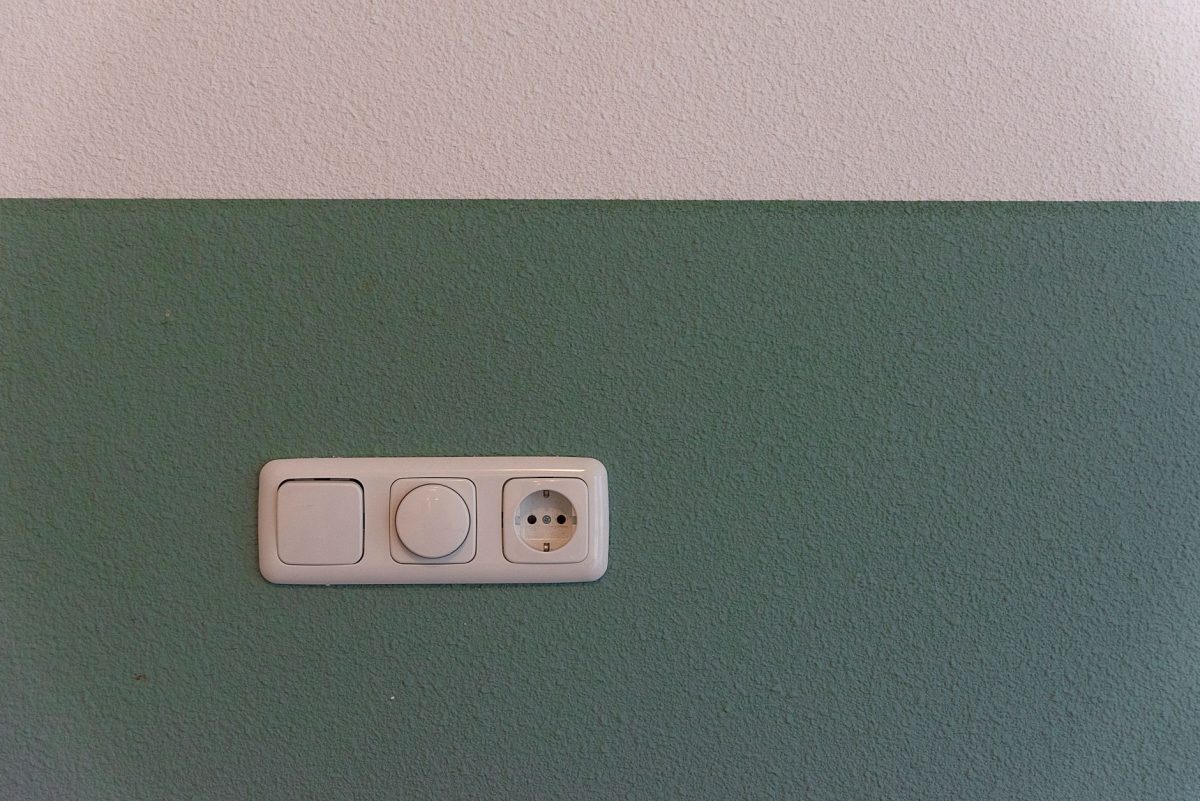
Outlet placement can become a first-night problem fast. Older cabins may have fewer outlets than guests expect, and the available plugs may be across the room from the bed. Some ships also restrict certain power strips or extension cords for safety reasons, so tossing a random household strip into your bag can create trouble at boarding or in the cabin.
- Check your cruise line rules before packing charging gear.
- Bring a cruise-appropriate USB adapter if allowed.
- Look around lamps, vanity areas, and bedside panels for hidden USB ports.
This helps anyone who relies on a phone alarm, medical device, e-reader, camera batteries, or work messages. On night one, charging confusion is the last thing you want after a long embarkation day.
The Rattling Closet
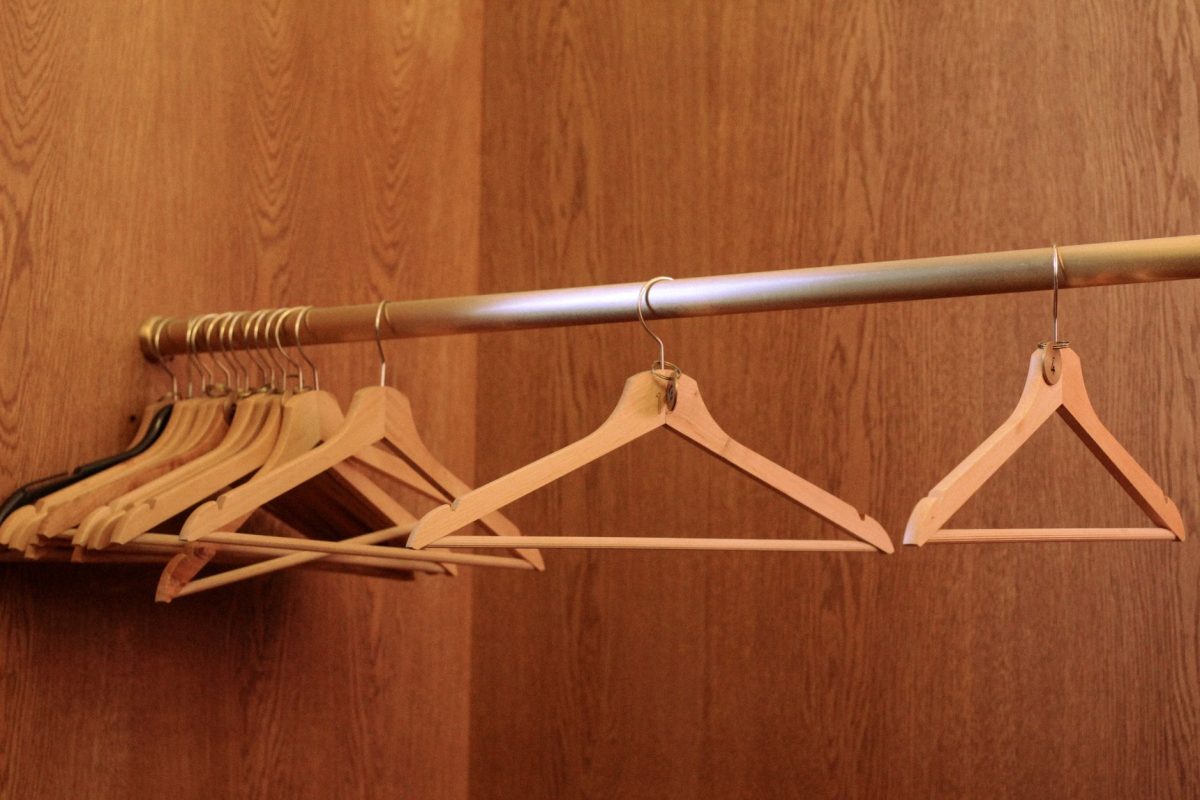
The ship does not have to be in rough seas for small cabin noises to become annoying. Empty hangers can tap together, a safe door can click, bottles can slide on a shelf, and a loose balcony latch can make a light sleeper stare at the ceiling. These sounds are easy to miss while the ship is still in port.
- Remove or separate empty hangers before bed.
- Lock the safe even if it is empty, so the door cannot shift.
- Use a towel or washcloth to cushion loose items on shelves.
This is a five-minute check that helps first-time cruisers, nervous sleepers, and anyone sharing a small space. It also prevents a midnight mystery hunt for a noise that was avoidable.
The first night on a cruise is usually when small cabin details feel largest. Before you unpack completely, take a slow lap around the room: check the deck plan, bed setup, outlets, connecting doors, closet noises, and anything that opens or slides. If something is wrong, ask early. Cabin stewards can often fix small problems quickly, but they are much easier to solve before everyone is tired and the ship is fully underway.
This article was created with AI assistance and reviewed for clarity, sourcing, and editorial quality.
