
A five-minute stop at the information desk can prevent the kind of small mistake that eats half your day.
Visitor centers are easy to treat like map dispensers, especially when the parking lot is full and everyone is eager to start walking. But the person behind the counter often knows the day’s real problem: the closed overlook, the shuttle that fills first, the lunch spot that shuts early, or the permit rule buried on a sign. These five questions are quick, practical, and aimed at saving the hours travelers usually lose after they have already made the wrong turn.
Which Road Is Closed Today?
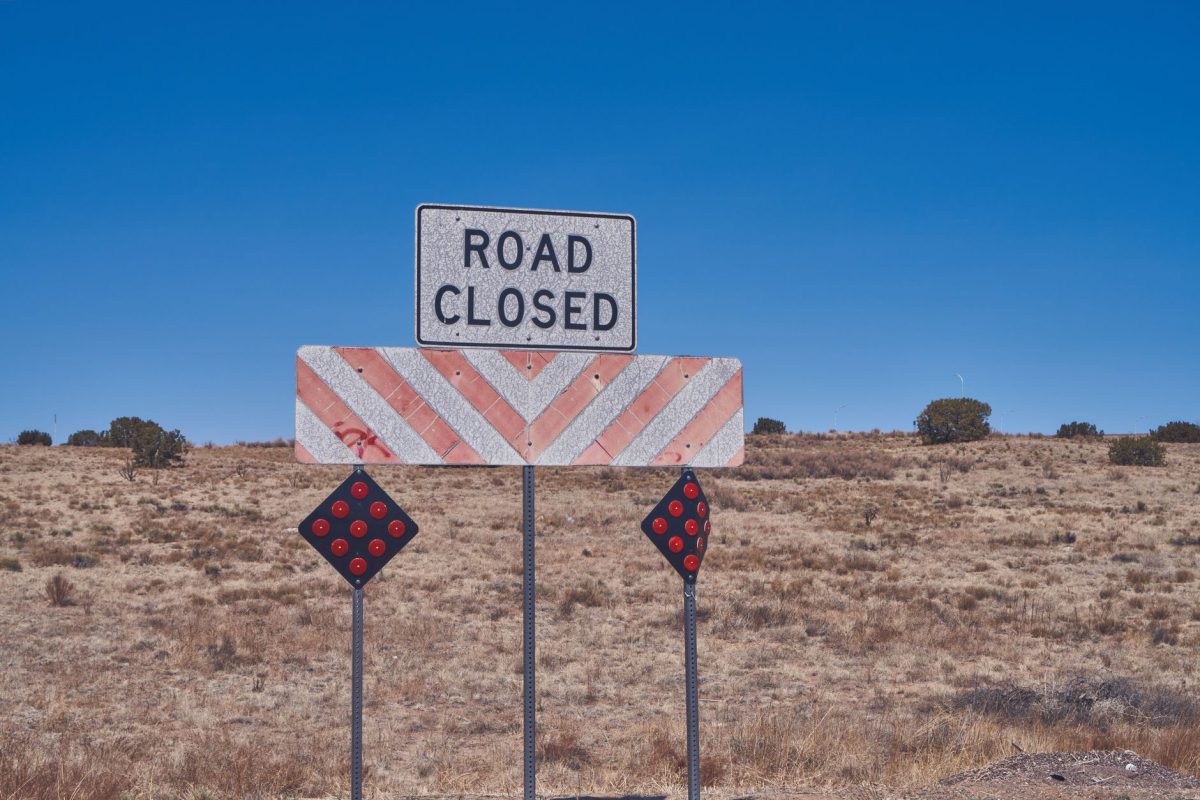
Ask this before you trust your phone’s route. Visitor center staff may know about washouts, seasonal gates, parade routes, bridge work, or one-lane delays that do not show clearly until you are already committed. On a day trip, one wrong road can turn a simple loop into a long backtrack.
- Ask: Is any main road, overlook road, or scenic drive closed today?
- Then ask: What route would you take if you had only a few hours?
This helps drivers, families with limited patience, and anyone trying to fit several stops into one daylight window. The key is asking about today, not the usual route.
Which Shuttle Sells Out First?
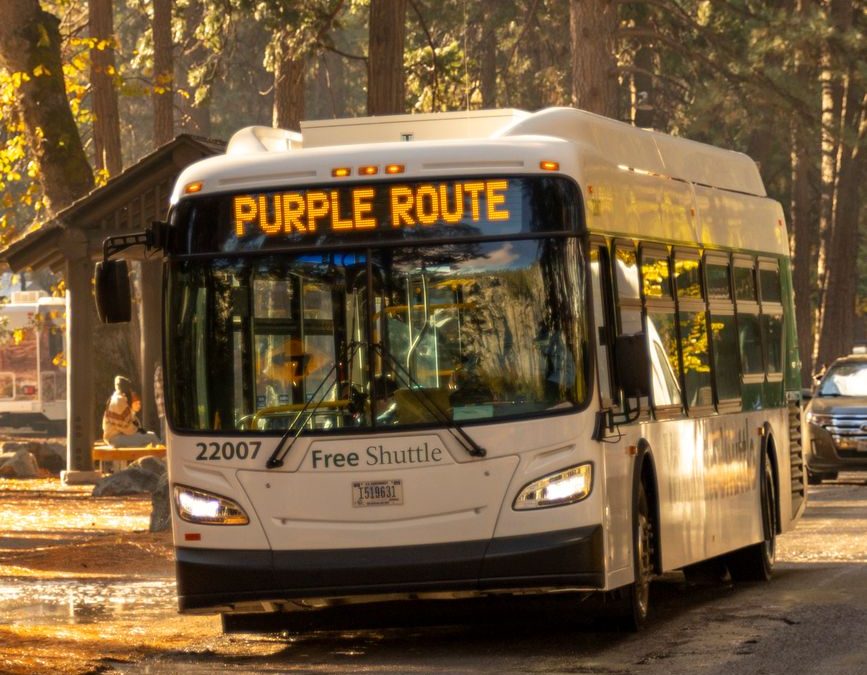
Some destinations look walkable on a map but run on shuttle timing in real life. Ask which shuttle, tram, ferry, or timed bus usually fills first, and whether you should book a return slot before leaving the center. The answer can change the whole order of your day.
- Ask: Which ride or route should we reserve now?
- Check: Last departure times, return pickup points, and whether tickets are mobile-only.
This question is especially useful for national parks, islands, historic districts, and attractions with remote parking. Missing the early shuttle can mean standing in heat, losing a reservation, or cutting the best stop short.
What Time Do Crowds Hit?
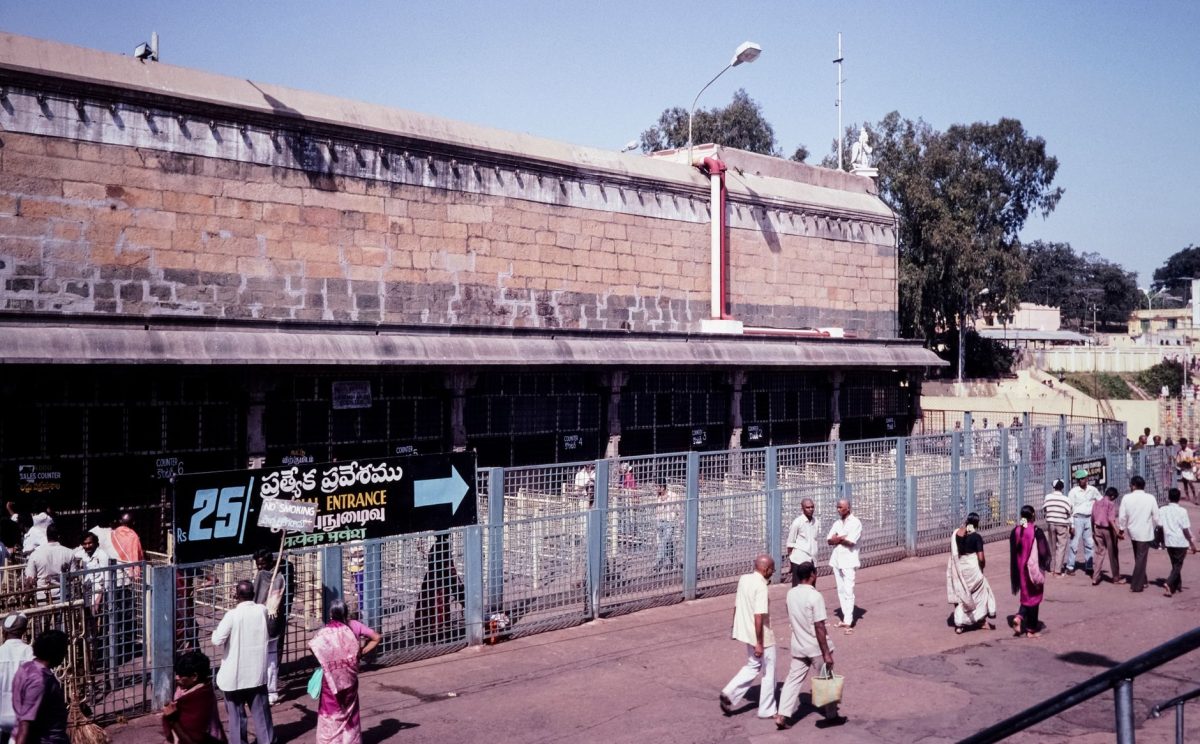
The printed brochure rarely says when a place becomes slow, loud, or difficult to photograph. Visitor center staff often hear the same reports all morning: the viewpoint is packed by 10, the historic house backs up after lunch, or buses arrive at one entrance before the other.
- Ask: What should we do first if we want to avoid the biggest line?
- Also ask: Is there a quieter entrance, parking lot, or direction to walk the loop?
This helps travelers who hate crowds, parents managing kids, and anyone with mobility concerns. A small timing change can make the same attraction feel calm instead of chaotic.
Which Trail Needs a Permit?

A trail, cave tour, overlook, beach access path, or historic site can require a permit even when the parking area looks open. Ask before you drive to the trailhead. Some permits are free, some are timed, and some are only available online or at a ranger desk.
- Ask: Do any trails or sites on our list need a permit, pass, or timed entry?
- Confirm: Where to get it, what it costs, and whether cell service works there.
This protects hikers, photographers, and families from the awkward discovery that the place they came for is visible but not accessible. It also helps avoid fines or wasted walks back to the car.
Where Can We Eat Nearby?
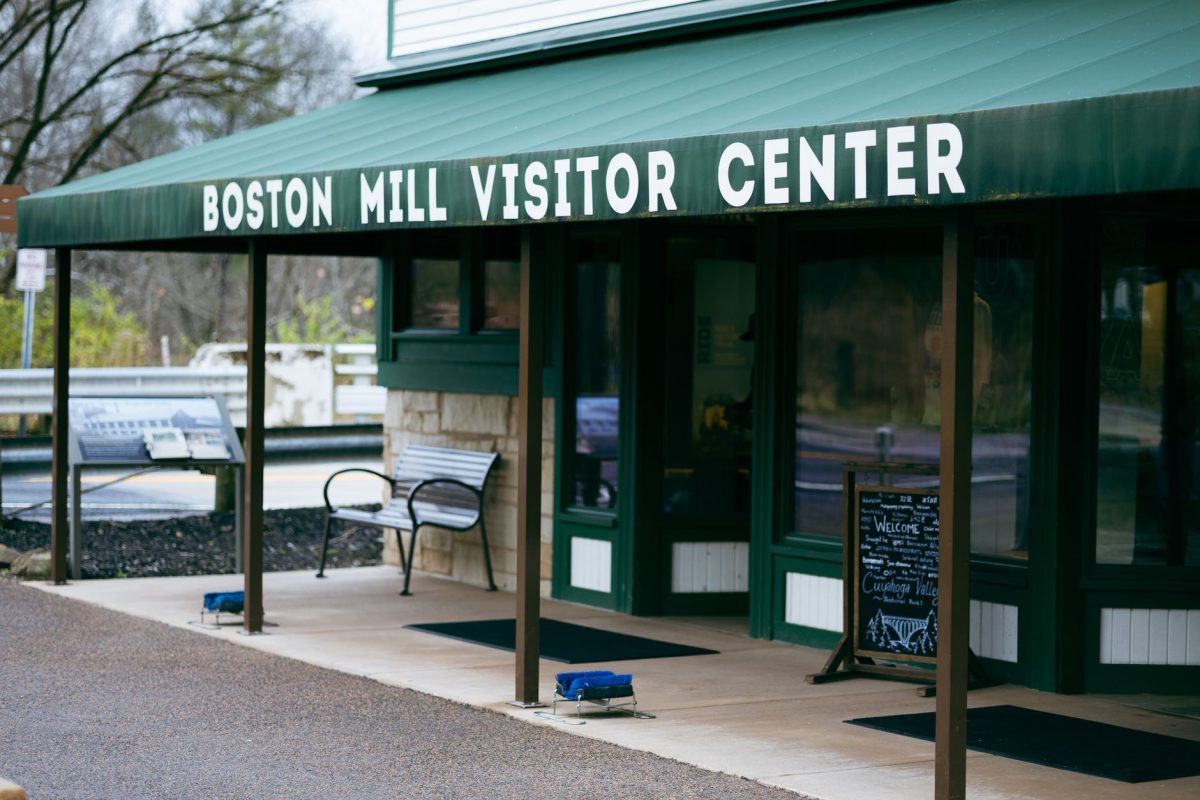
Food can quietly wreck a day trip. The closest restaurant may close between lunch and dinner, the popular counter may have a long line, or the scenic picnic area may have no shade. Ask for realistic food advice instead of the most famous place on the brochure.
- Ask: Where would you send someone who needs a quick lunch within 20 minutes?
- Then ask: What closes early, and where are the bathrooms or picnic tables?
This helps travelers with kids, dietary needs, tight schedules, or long drives home. A practical meal stop keeps the afternoon from becoming a search for parking, restrooms, and patience.
The best visitor center stop is not a long meeting. It is a quick reality check before the day hardens into a plan you cannot easily change. Ask about closures, sold-out transportation, crowd timing, permits, and food before you leave the desk. If the answer changes your route, that is exactly the point: you found the problem while it was still easy to fix.
This article was created with AI assistance and reviewed for clarity, sourcing, and editorial quality.
