
The slowest part of a hotel stay often happens before you ever see the room. These small choices can change the first hour.
A hotel lobby can feel like the finish line after a long travel day, until the line barely moves, the room is not ready, or the desk needs a detail you thought was already handled. The faster arrival is rarely about luck. It usually comes from a few choices made before you reach the counter and a few questions asked at the right moment.
Mobile Check-In Before You Leave

Mobile check-in is not just a tech perk. It can move the slowest paperwork out of the lobby and into the part of the trip when you still have time to fix problems. Many hotel apps or confirmation links let guests confirm arrival time, add a payment card, review contact details, and sometimes choose room preferences before reaching the desk.
- Check whether the hotel requires ID verification, a deposit, or a separate resort fee payment.
- Use the same name and email that appear on the reservation.
- Take a screenshot of the confirmation in case service is weak.
This helps travelers arriving late, families with tired kids, and anyone trying to make a dinner reservation after check-in. What can go wrong is assuming mobile check-in means no front desk at all. Some properties still require an ID check or physical key pickup, so read the final screen carefully.
The Digital Key Backup Plan

A digital key can be a big time-saver when it works because it may let you skip the front desk and go straight to the elevator. The catch is that digital keys depend on the hotel system, your phone battery, Bluetooth settings, app login, and sometimes a completed pre-arrival verification. A dead phone or forgotten password can turn a shortcut into another line.
- Open the hotel app before you arrive and make sure you can sign in.
- Carry a charger or battery pack on long travel days.
- Ask where to get a physical key if the app fails.
This choice is especially useful for repeat guests and business travelers who know the property layout. It is less ideal if you are arriving with multiple people who all need room access. The smart move is to treat the digital key as the first option, not the only option.
The Early Arrival Message

Arriving before the posted check-in time is common, but expecting a room to be ready can create instant frustration. A simple early arrival message gives the hotel useful information and gives you a chance to learn what is realistic. Send it the day before or the morning of arrival, especially if your flight lands early or you are driving in before lunch.
- Ask if early check-in is possible, not guaranteed.
- Ask whether luggage storage is available if the room is not ready.
- Confirm any fee before agreeing to an early room release.
This helps travelers with tours, meetings, children, or medication that needs refrigeration. The mistake is showing up at 10 a.m. and treating a posted 3 p.m. check-in as flexible. If the hotel cannot help, you can still plan lunch, parking, or baggage storage instead of spending the first vacation hour standing in the lobby.
The ID and Card Match
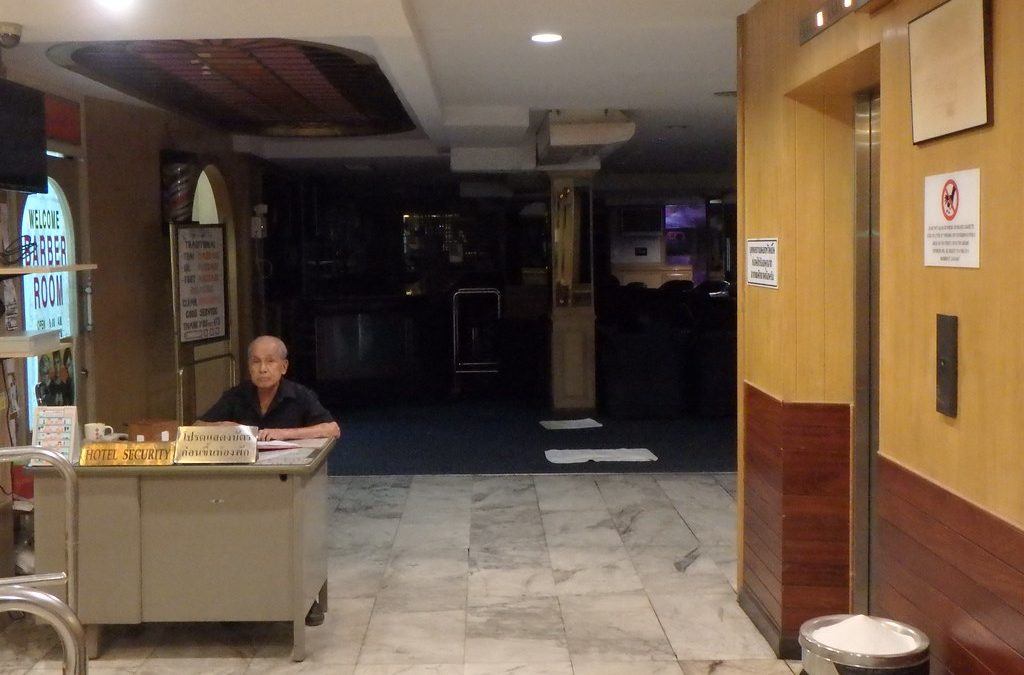
One of the easiest ways to slow down check-in is also one of the easiest to prevent: the name on the reservation, the ID, and the payment method do not line up. Hotels may need the registered guest present, a valid photo ID, and a card for incidentals. If someone else booked the room, used points, or paid with a company card, the desk may need extra authorization.
- Confirm whose name is listed as the primary guest.
- Bring the card expected for deposit or incidentals.
- Ask in advance about third-party payment forms or authorization rules.
This matters for couples, group trips, business travel, and parents booking rooms for adult children. What can go wrong is discovering at arrival that the person at the desk is not allowed to check in under the reservation. A two-minute confirmation can prevent an awkward call from the lobby.
The Parking Question

Parking can quietly become the slowest part of arrival, especially in city hotels, resorts, and older downtown properties. The front desk may be easy to find, but the garage entrance, valet lane, height limit, or payment system may not be obvious from the street. Asking the parking question before you pull up can save circling the block with luggage in the back seat.
- Ask whether parking is self-park, valet, off-site, or reservation-only.
- Confirm the nightly cost and whether in-and-out access is included.
- Check vehicle height limits if you drive an SUV, van, or roof box.
This helps road-trippers, families, and anyone arriving after dark in an unfamiliar area. The common problem is focusing only on the room rate and missing a parking fee or confusing entrance. If parking is limited, knowing the plan before arrival can keep check-in from starting with stress.
The best hotel arrival is not always the fanciest one. It is the one where the desk already has what it needs, your phone is ready, your documents match, and you know where the car and bags are going. Before your next stay, spend five minutes checking the app, arrival time, ID, card, and parking details. That small reset can turn check-in from a bottleneck into a quick handoff.
This article was created with AI assistance and reviewed for clarity, sourcing, and editorial quality.
