
The first few hours on a cruise can feel easy or chaotic. These are the small boarding-day choices that often decide which version you get.
Embarkation day looks simple from the outside: arrive, check in, board, and start relaxing. The messy part is that small decisions made before lunch can create lines, lost time, missing medication, awkward luggage problems, or a first afternoon spent fixing preventable issues. These five mistakes are easy to make because they do not feel dramatic while you are planning. They only become obvious when everyone else is boarding too.
The Same-Day Flight
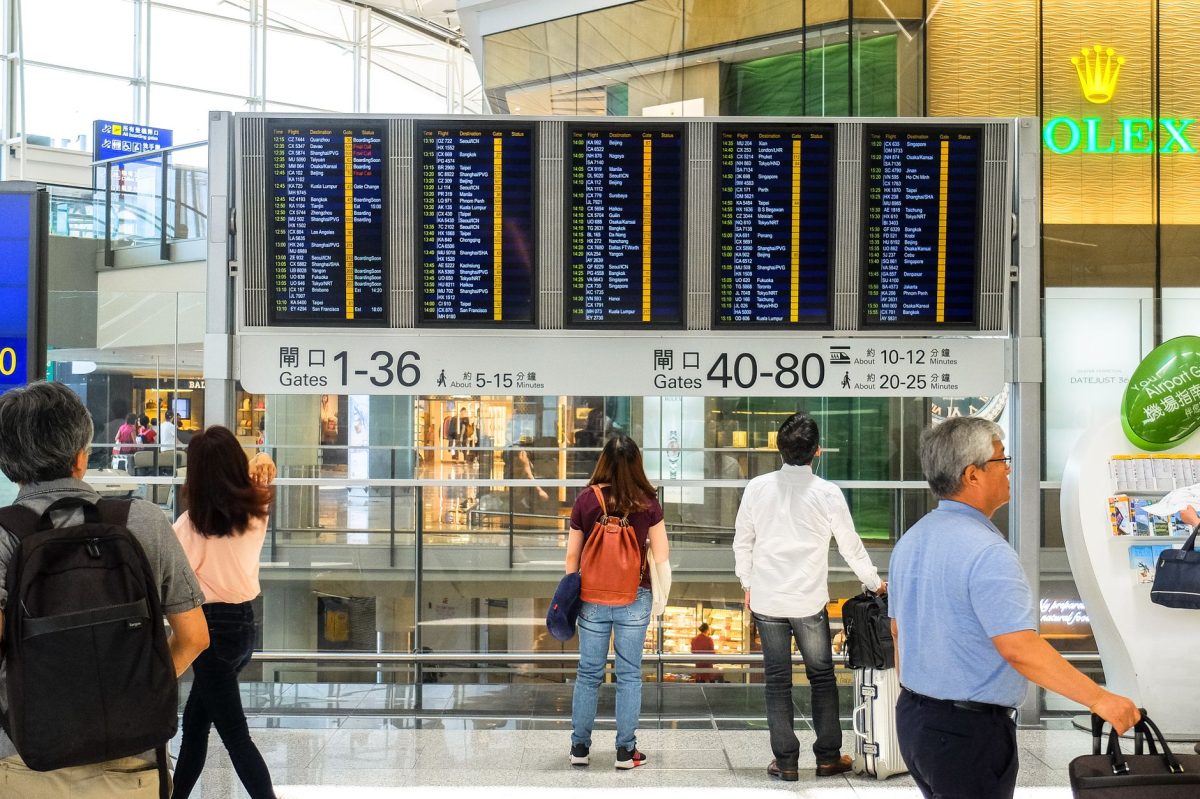
Flying into the port city on the morning of embarkation can look efficient on paper, especially if the cruise leaves in the late afternoon. The risk is that cruise boarding has a hard cutoff, while airlines, weather, traffic, and baggage handling do not run on your vacation schedule. A delayed first flight can turn into a missed connection, and a missing suitcase can force you to start the cruise chasing basic items.
- Who it affects: anyone flying long distance, connecting through busy airports, or traveling during storm seasons and school breaks.
- What to check next: arrival time, transfer distance, baggage claim time, and the cruise line final boarding deadline.
- Smarter move: arrive the day before when possible, then treat embarkation morning as a short transfer instead of a race.
The Late Check-In Slot
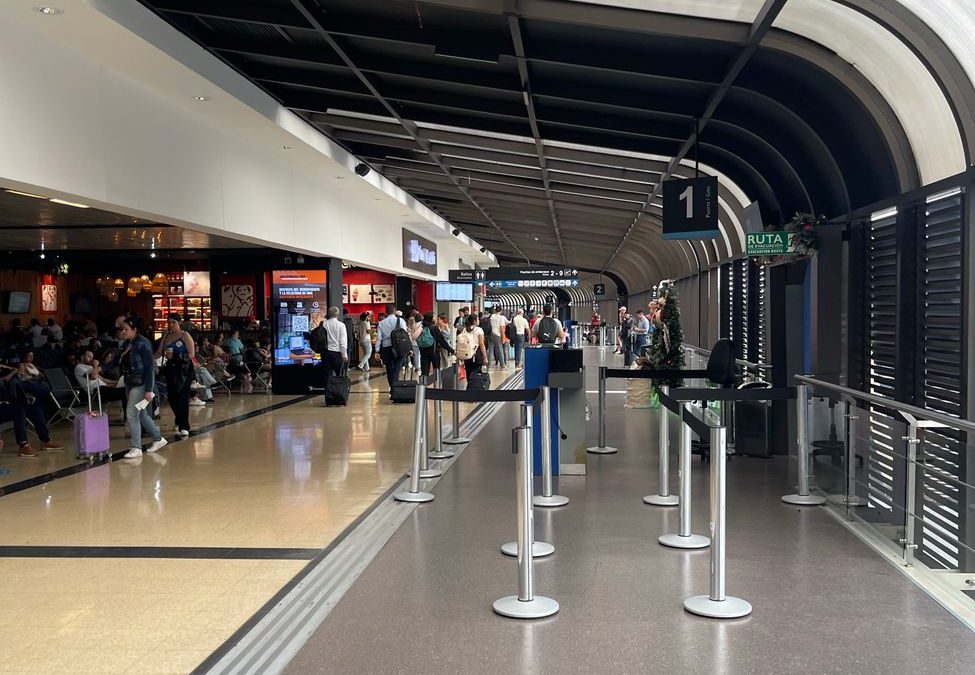
Many cruise lines now use assigned or selected arrival windows, and showing up whenever you feel ready can backfire. Arriving too early may mean waiting outside or being turned away until your time. Arriving late can place you in the same crush as other delayed travelers, with less time to eat lunch, find your cabin, complete safety steps, and handle reservations. The first afternoon shrinks quickly when check-in drags.
- Who it helps: families, first-time cruisers, and anyone who wants a calm start instead of standing in a terminal line with bags.
- What can go wrong: documents get checked under pressure, kids get restless, and the onboard to-do list gets pushed into sailaway.
- What to check next: your cruise app, arrival window, boarding pass, port address, and whether early arrivals are actually accepted.
The Missing Paper Copies
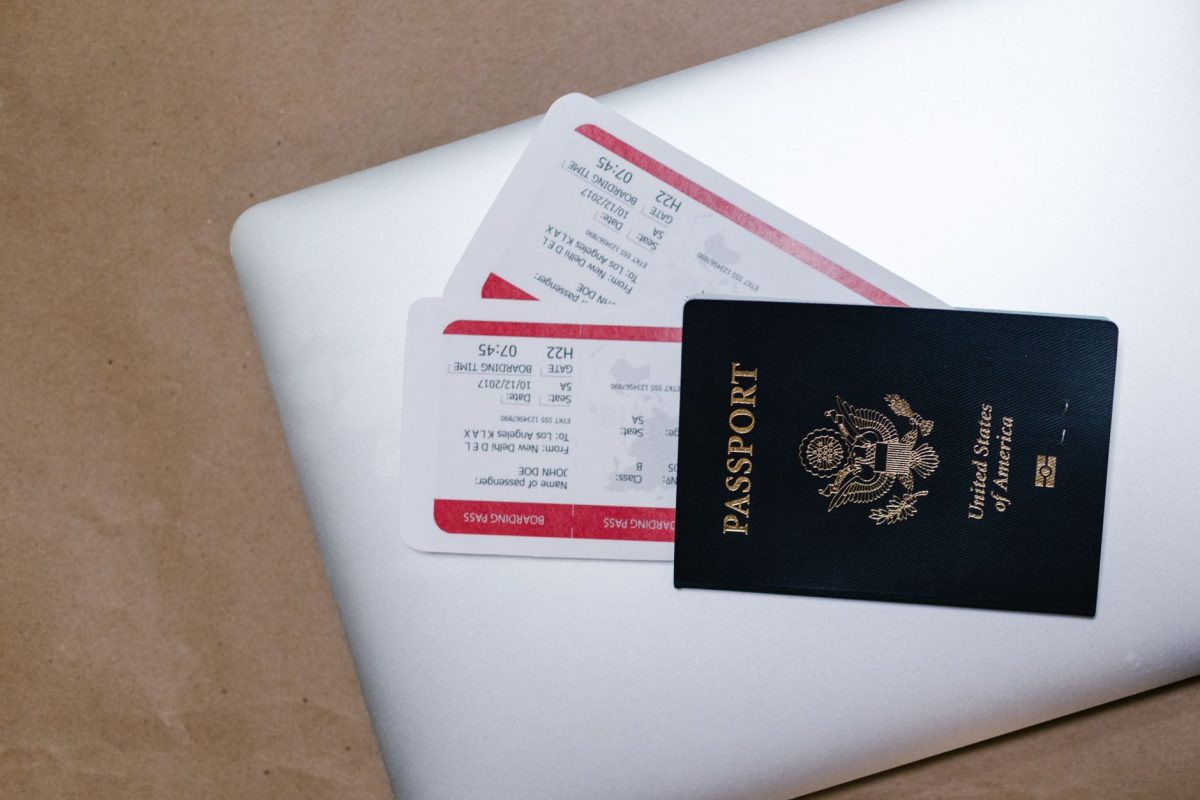
Digital boarding passes are convenient until the terminal Wi-Fi is weak, your phone battery is low, or a document is buried in an app that suddenly wants a login. Embarkation staff may need to see passports, boarding information, luggage tags, travel authorizations, or payment details quickly. If everything depends on one phone, one dead screen can slow down the whole group and raise stress before you even reach the gangway.
- Who it affects: couples and families where one person keeps all the confirmations, plus travelers using older phones or international roaming.
- What can go wrong: a simple document check becomes a scramble through email, screenshots, and app passwords.
- What to check next: save offline copies and print the key pages you would not want to hunt for in a crowded terminal.
The Checked-Bag Essentials
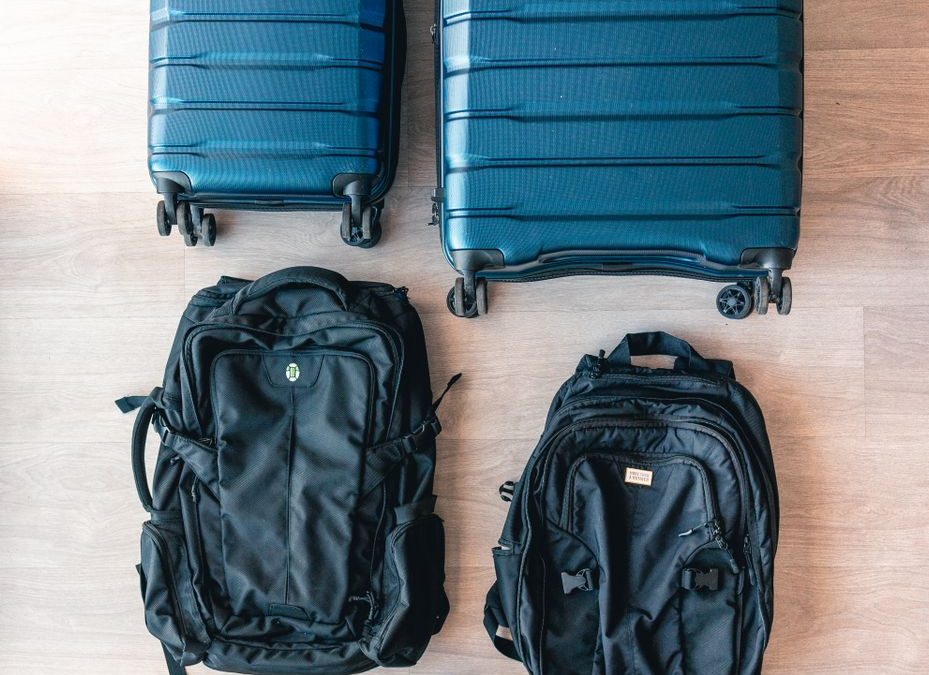
Checked cruise luggage often reaches the cabin later, not the moment you step on board. That is normal, but it becomes a problem when medication, chargers, glasses, sunscreen, swimsuits, or a change of clothes are inside the suitcase you handed over at the curb. The ship may be ready for lunch and pool time while you are stuck in travel clothes with no essentials and a phone running out of battery.
- Who it helps: travelers with prescriptions, parents packing for children, and anyone planning to use the pool, spa, or gym on day one.
- What can go wrong: the first afternoon becomes a waiting game, and a delayed bag feels much bigger than it needs to be.
- What to check next: pack a small boarding bag with irreplaceable items, valuables, documents, basic toiletries, and first-day comfort items.
The Buffet Stampede
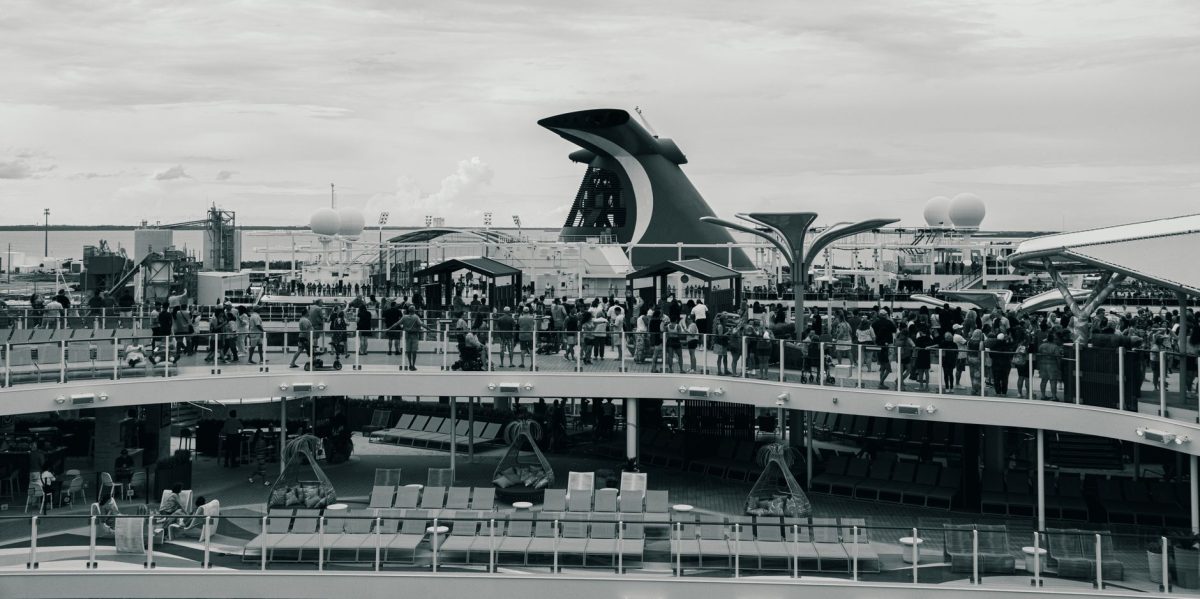
The embarkation buffet is easy to find, which is exactly why it can feel packed. Many passengers board hungry and head to the same place at the same time, dragging carry-ons through narrow spaces while looking for tables. If you have mobility concerns, small children, or a low tolerance for crowds after a travel morning, this can make the ship feel stressful before you have seen much of it.
- Who it helps: anyone who wants a quieter first meal, especially travelers who dislike lines or need a calmer place to sit.
- What can go wrong: you waste the first hour hunting for a table instead of checking the cabin, muster steps, dining reservations, or the daily schedule.
- What to check next: look in the app or daily program for main dining room lunch, pool grill hours, cafe options, or specialty venues open on embarkation day.
A smoother embarkation day usually comes from removing pressure points before they stack up. Arrive with time to spare, know your check-in window, keep documents accessible, carry what you cannot wait for, and avoid the most crowded first stop if another option is open. The goal is not to schedule every minute. It is to protect the first few hours so the cruise starts like a vacation instead of a recovery mission.
This article was created with AI assistance and reviewed for clarity, sourcing, and editorial quality.
