
The easiest airport hour is usually won before you reach the bins. These small habits help travelers avoid the little snags that turn security into a scramble.
The first hour of a trip can set the mood for the whole day. A slow line, a forgotten bottle, or a bag pulled aside for a simple mistake can make even an on-time traveler feel behind. The good news is that airport security stress is often caused by small, fixable details. These five habits are not flashy, but they can keep your hands free, your bag moving, and your attention on the gate instead of the checkpoint.
The Quart Bag
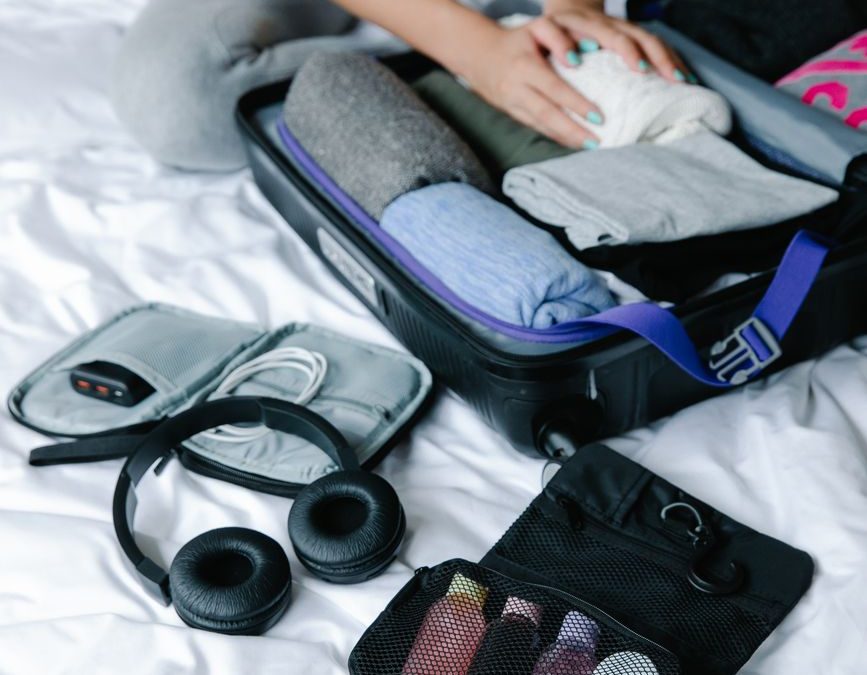
The liquid rule is one of the fastest ways to lose time at the checkpoint because it often looks harmless until an officer has to inspect the bag. In many U.S. airport screening lanes, carry-on liquids, gels, creams, and aerosols generally need to be in containers of 3.4 ounces or 100 milliliters or less and fit in a single quart-size bag, unless an exception applies.
- Why it matters: one oversized bottle can send your bag to secondary screening.
- Who it helps: families, business travelers, and anyone packing toiletries at the last minute.
- What to check next: medications, baby supplies, and other exceptions before you leave home.
Keeping the bag near the top of your carry-on also prevents the awkward full-suitcase dig while everyone behind you waits. Even if the airport uses newer equipment, a neat liquids bag makes it easier to answer questions quickly.
The Empty Bottle

A reusable bottle is useful, but a full one can become a checkpoint problem. Travelers often forget they filled it at home, in the car, or at the hotel, then discover it only when the bag is flagged or the bottle has to be emptied. The simple habit is to finish or dump the water before joining the security line, then refill after screening.
- Why it matters: it avoids a last-second decision to chug, toss, or step out of line.
- Who it helps: travelers with early flights, kids, medications, or long connections.
- What can go wrong: a leaky bottle can soak documents, snacks, or electronics inside a carry-on.
Make it part of the same routine as checking your pockets. Cap off, empty bottle confirmed, then into the side pocket of the backpack where it is easy to see.
The Laptop Layer
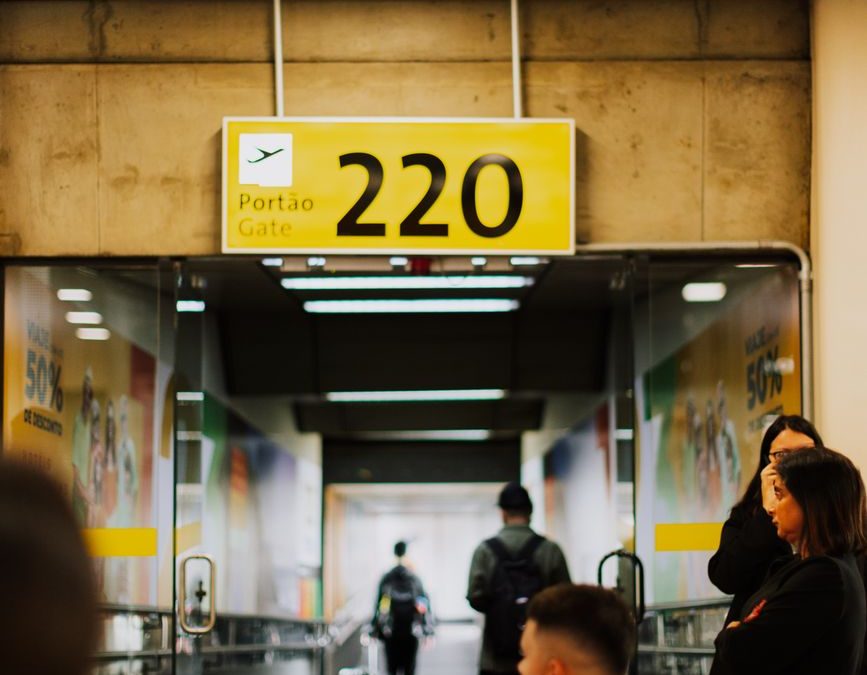
Electronics create trouble when they are buried under sweaters, snacks, cords, and books. Some screening lanes require laptops or larger electronics to come out of the bag, while others may not, depending on the airport, equipment, program status, and officer instructions. The habit is not to assume; it is to pack so you can respond quickly either way.
- Why it matters: a buried laptop can slow you down and make repacking harder after the scanner.
- Who it helps: remote workers, parents carrying tablets, and travelers with multiple devices.
- What to check next: listen to the officers at that lane, because instructions can change by checkpoint.
Place electronics in an easy-access sleeve or the top layer of your bag. That way, if they need to be removed, you are not unpacking half your trip into a bin.
The Pocket Dump

The pocket dump is the small move that prevents the most visible scramble. Before the line reaches the scanners, move keys, coins, phone, wallet, earbuds, watch, and loose receipts into a zipped pocket of your bag or a single tray. The goal is not perfection; it is to avoid patting every pocket while shoes, belts, and bins are already moving.
- Why it matters: metal items and forgotten phones can trigger extra steps or force you to backtrack.
- Who it helps: anyone wearing jackets, cargo pants, travel vests, or multiple layers.
- What can go wrong: loose items left in a bin are easy to miss when you rush to repack.
A dedicated pouch can help because it gives every small item one temporary home. After screening, step away from the belt before reorganizing so the next travelers can collect their bags.
The ID Check
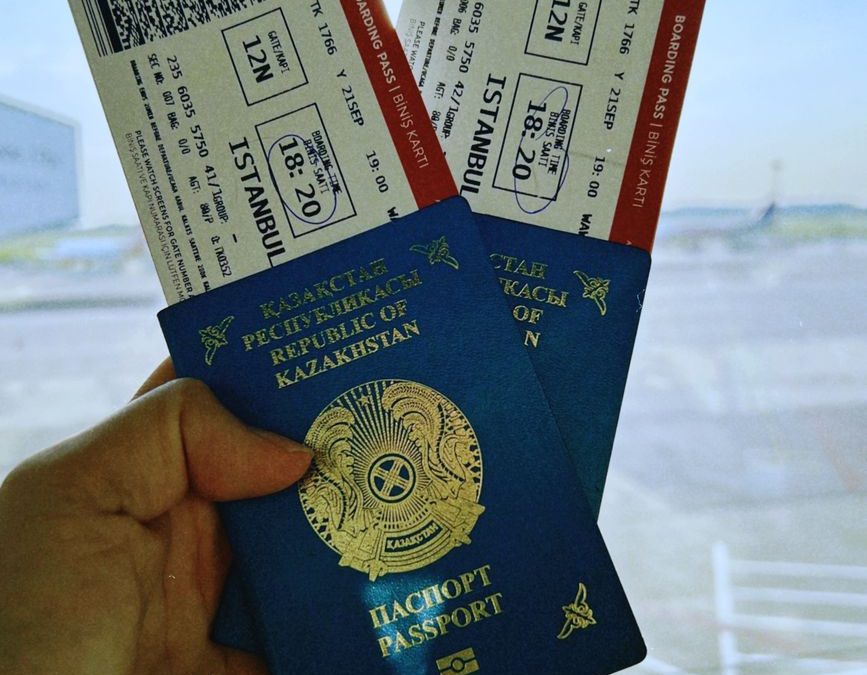
The ID check feels basic until the document is in the wrong pocket, the phone battery is low, or the name on the reservation does not match the identification you brought. Before leaving for the airport, confirm which ID you plan to use and where it will live until you clear the checkpoint. Keep the boarding pass accessible, whether it is printed or on your phone.
- Why it matters: searching for ID at the front of the line creates pressure and can delay everyone behind you.
- Who it helps: travelers using mobile boarding passes, new passports, or recently changed names.
- What to check next: airline name spelling, document expiration dates, and any destination entry requirements.
If you are using your phone, open the pass before you reach the podium and keep enough battery for boarding. A screenshot can be helpful when airport Wi-Fi or cell service is unreliable.
Airport security rarely feels relaxing, but it can feel predictable. Pack the items most likely to be questioned where you can reach them, empty what needs to be empty, and give your ID and small valuables one consistent place. Those habits do not guarantee a perfect line, but they reduce the avoidable mistakes that make the first hour feel harder than it has to be.
This article was created with AI assistance and reviewed for clarity, sourcing, and editorial quality.
