
Big stations do not always mean stressful stations. These five hubs earn repeat fans by making the next step surprisingly obvious.
A giant train station can feel like a warning sign: too many platforms, too many exits, and a clock that seems to move faster when you are carrying a suitcase. But some of the busiest-looking hubs are built in ways that quietly help travelers recover their bearings. The trick is not just beauty or size. It is clear signs, logical transfers, useful concourses, and exits that put you where you thought they would.
Vienna Hauptbahnhof
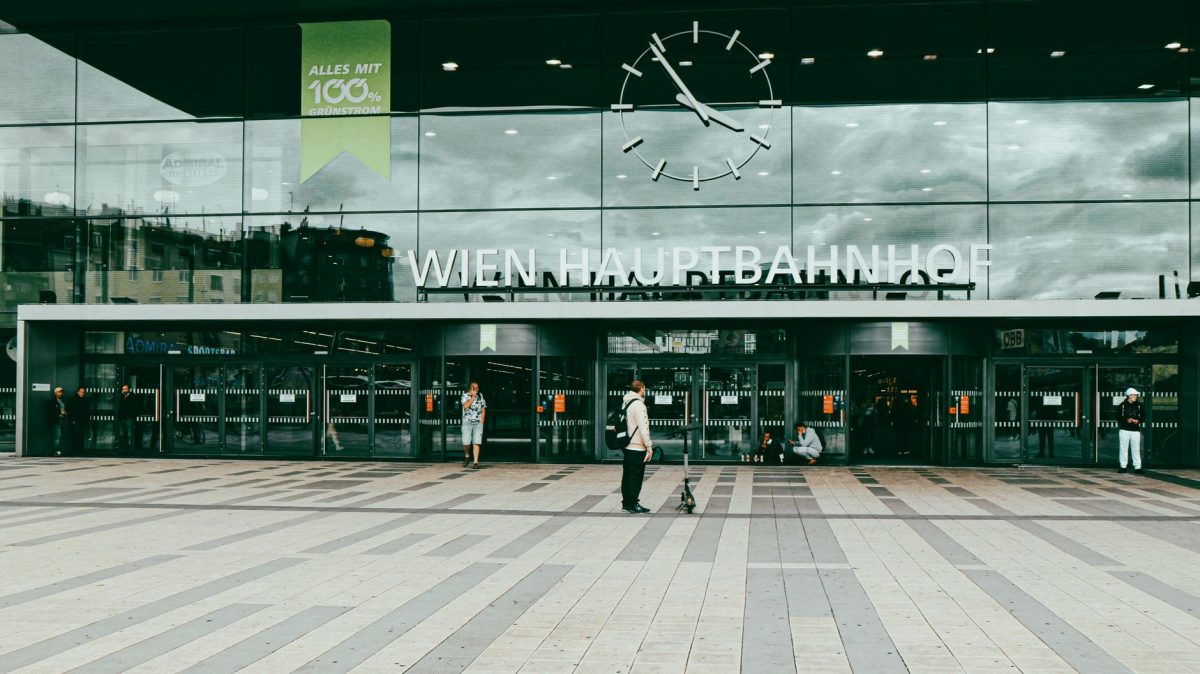
Vienna Hauptbahnhof can look massive from the outside, but the traveler experience is unusually straightforward once you are inside. The station is modern, open, and arranged around a main shopping and circulation area, which helps reduce the feeling that you have wandered into the wrong wing. For visitors transferring between Austrian Railways services, airport links, trams, buses, or the U-Bahn, the biggest benefit is that the station feels designed for movement rather than mystery.
- Why it helps: signs and escalators tend to point you toward the next layer of the trip quickly.
- What can go wrong: rushing straight to a platform before checking the final departure board can still cause stress.
- Check next: whether your ticket lists a platform, a train number, and any required seat reservation.
Zurich Hauptbahnhof
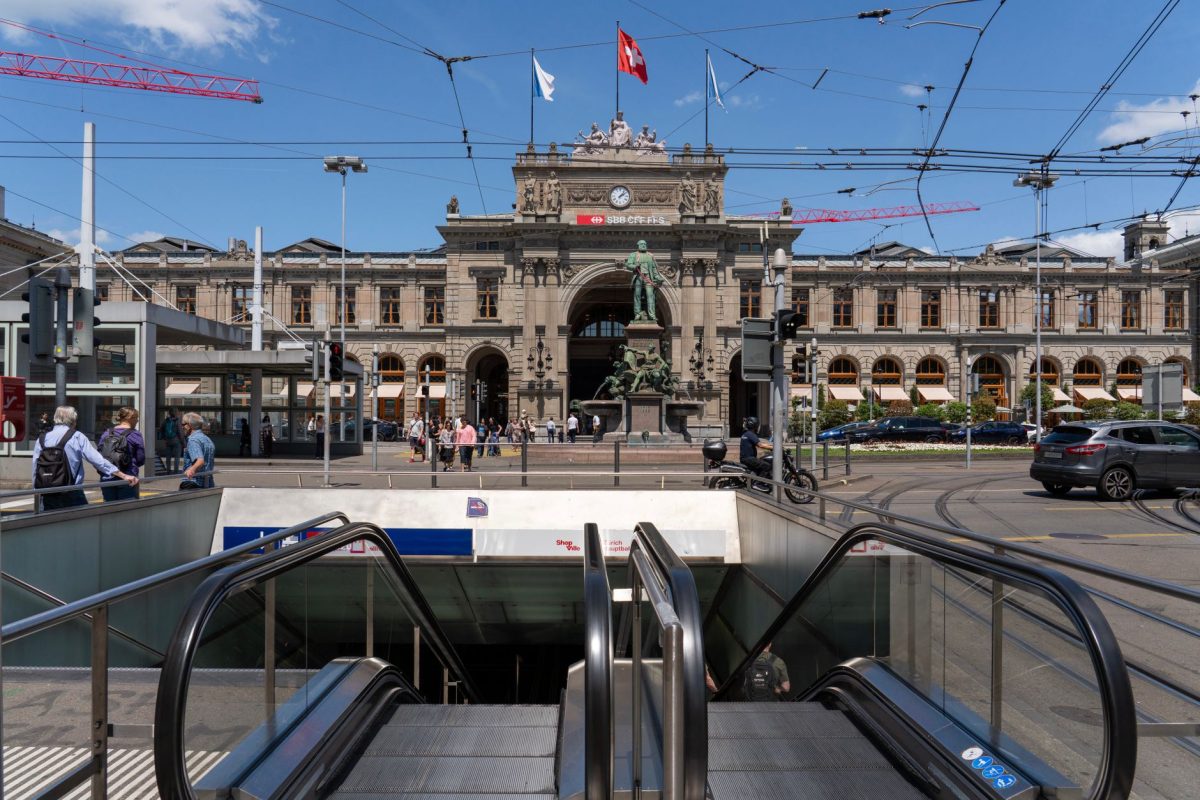
Zurich Hauptbahnhof is one of those stations that may appear complicated because so many trains pass through it, yet it rewards travelers who pause for thirty seconds. The main hall, platform numbering, and frequent departure information make it easier to build a quick mental map. It is especially useful for people connecting across Switzerland, where short transfers are common and punctuality matters. The station also has underground levels, so the key is knowing whether your train leaves from the main tracks or a lower platform.
- Why it helps: repeated signs and visible boards make last-minute confirmation easier.
- What can go wrong: assuming every track is on the same level can send you to the wrong escalator.
- Check next: the platform prefix, the train number, and whether your route uses S-Bahn tracks.
Amsterdam Centraal
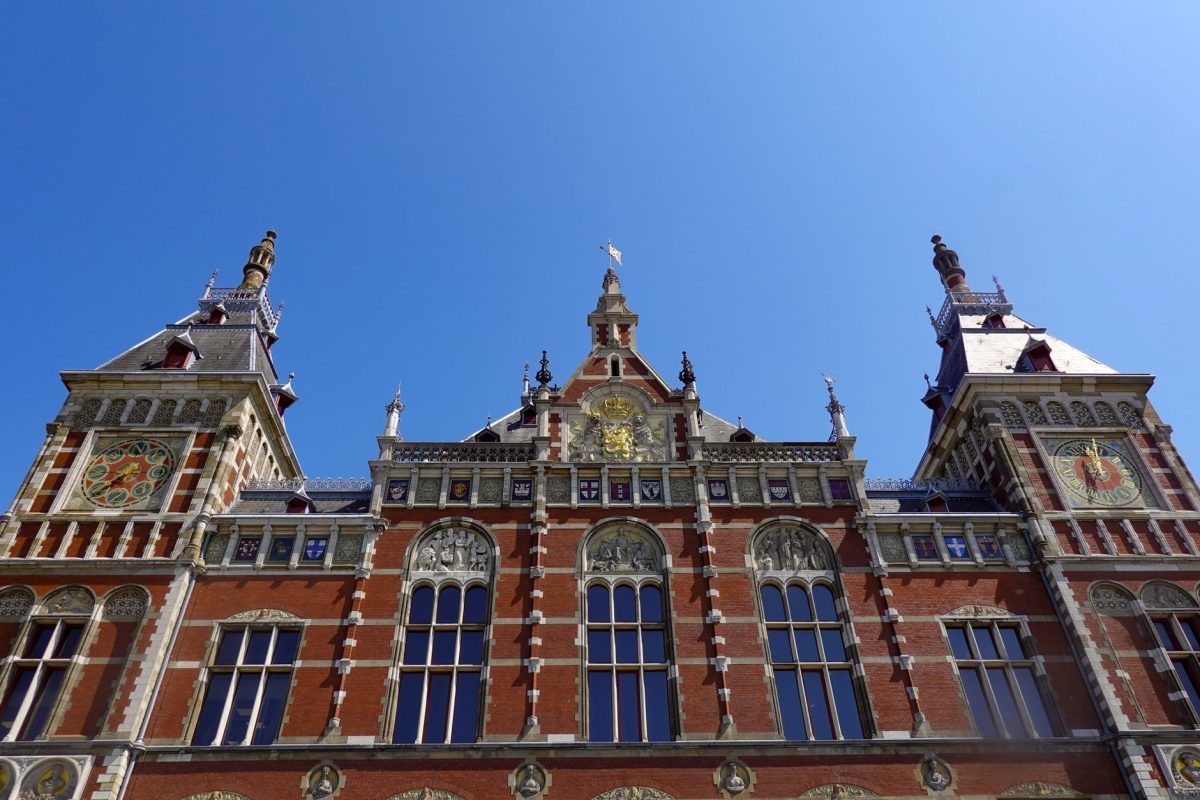
Amsterdam Centraal surprises many first-time visitors because the station drops them directly into the city rather than leaving them stranded at the edge of it. The building is busy, the bike traffic outside can be intense, and the exits matter, but the practical advantage is huge: trains, metro, trams, ferries, buses, taxis, and walkable streets all cluster around one obvious hub. That makes it a strong station for travelers who want fewer transfers after a long ride.
- Why it helps: many onward options sit close together, so you can switch modes without a long search.
- What can go wrong: exiting on the wrong side can add confusion, especially with luggage.
- Check next: whether your hotel is easier from the city-side exit, the IJ-side exit, tram, metro, or ferry.
London St Pancras
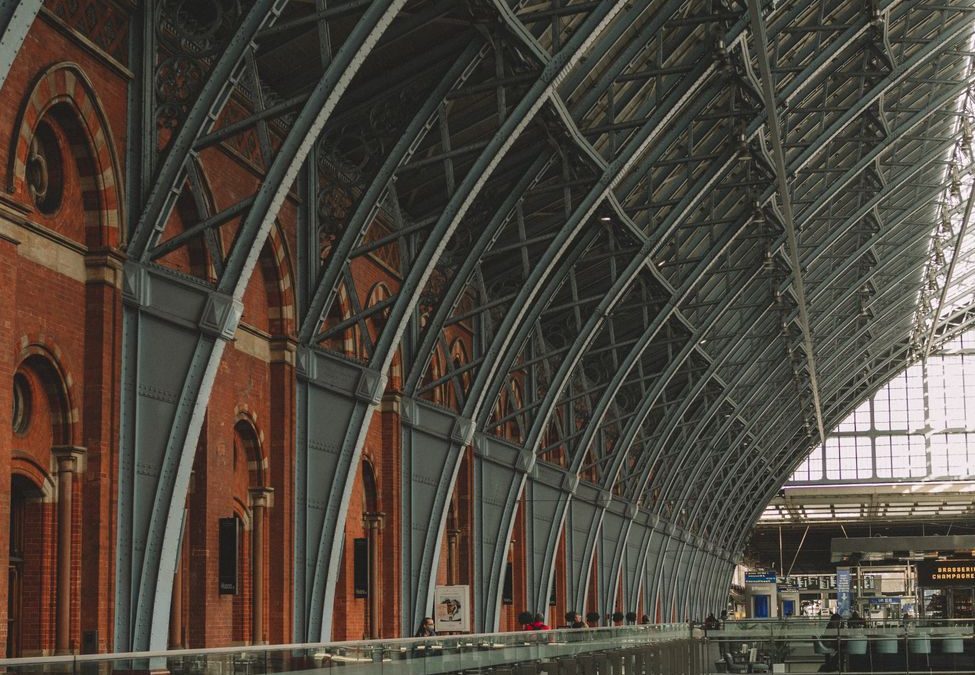
London St Pancras has the drama of a grand station, but the parts travelers need are more legible than the architecture suggests. International departures, domestic services, shops, restrooms, and the link toward King’s Cross are grouped in ways that can be understood with a quick scan. It helps travelers who are moving between Eurostar, East Midlands services, Thameslink, and the Underground, as long as they do not treat the whole complex as one single platform area.
- Why it helps: major functions are signed clearly, and the concourse gives travelers space to regroup.
- What can go wrong: confusing St Pancras with neighboring King’s Cross can cost precious minutes.
- Check next: your operator, your departure area, and whether international check-in requires arriving earlier.
Copenhagen Central Station

Copenhagen Central Station is busy without feeling endless, which is exactly why many travelers find it easier than expected. The station sits close to hotels, the city center, Tivoli, buses, S-trains, regional trains, and metro connections, so it works well for both short visits and longer rail trips. Its layout is compact enough that you can usually correct a wrong turn quickly, but still connected enough to serve as a practical base for moving around the region.
- Why it helps: the station’s central location reduces the need for a complicated first transfer.
- What can go wrong: nearby construction, crowds, or multiple transit brands can make the signs feel busier than the building.
- Check next: whether you need a regional train, S-train, metro connection, or simply a short walk.
The easiest station is not always the smallest one. Before you write off a major hub as too stressful, look for the traveler-friendly clues: a central hall, repeated platform numbers, visible departure boards, elevators or escalators near transfer points, and clear exits to local transport. If you arrive with your train number, platform, and final exit in mind, even a grand station can feel less like a maze and more like a shortcut.
This article was created with AI assistance and reviewed for clarity, sourcing, and editorial quality.
