
The platform is rarely the whole story. Some of the best station moments are above your head, under your feet, or just outside the exit.
Train stations are built for movement, which is exactly why their best details are so easy to miss. A late connection, a rolling suitcase, one quick glance at the departure board, and suddenly a station becomes nothing more than a corridor. But some of the world’s most memorable rail hubs hide their real payoff in plain sight: a whispering arch, a painted ceiling, a tiled floor, a wooden gate, or a roof that changes the mood of an entire city arrival.
Grand Central’s Whispering Gallery
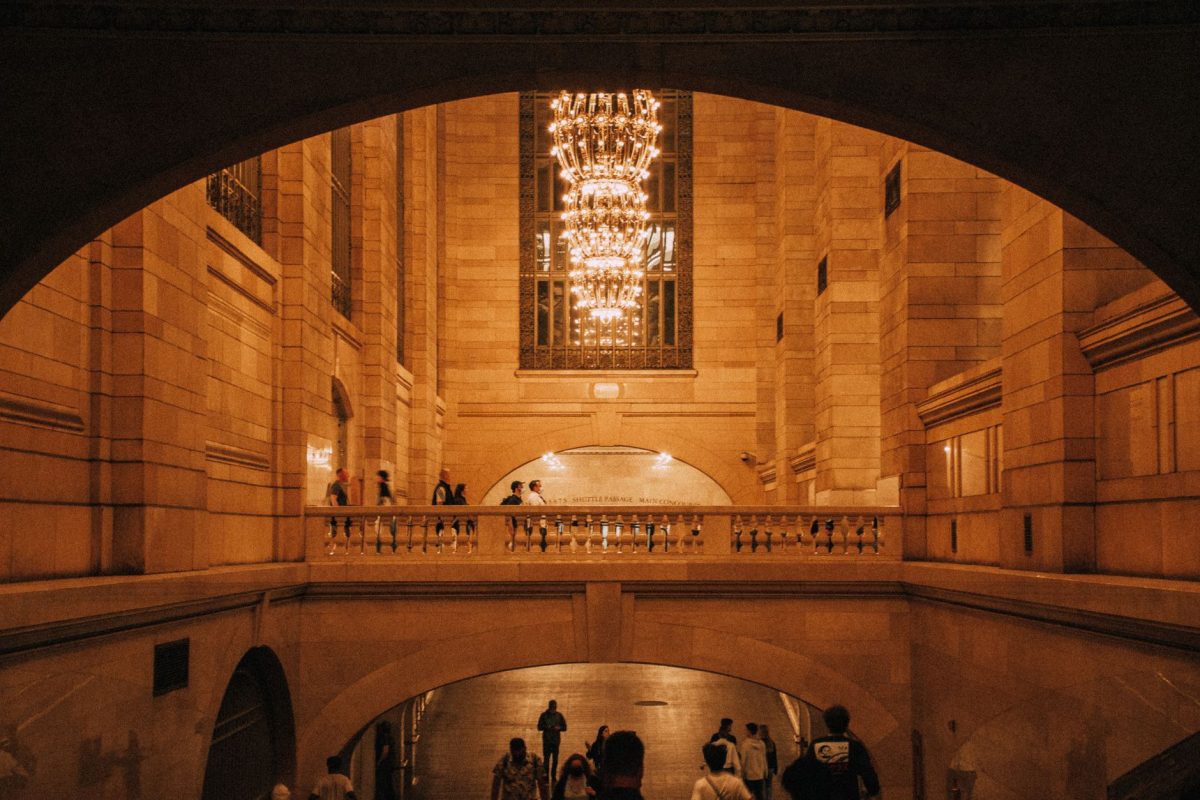
Grand Central Terminal is famous for its main concourse, but one of its most charming tricks sits away from the obvious photo spot. Near the Oyster Bar ramps, the low tiled arches create a whispering gallery: stand at one corner, speak softly toward the wall, and someone at the opposite corner may hear you with surprising clarity.
- Why it matters: it turns a busy commuter passage into a tiny acoustic surprise.
- Who it helps: travelers with a few spare minutes before a Metro-North train.
- What to check next: the celestial ceiling above the main concourse, especially if you usually look only at the departure board.
The mistake is treating Grand Central as a shortcut. Slow down once, and the building starts behaving like an attraction.
Antwerp Central’s Iron Train Hall
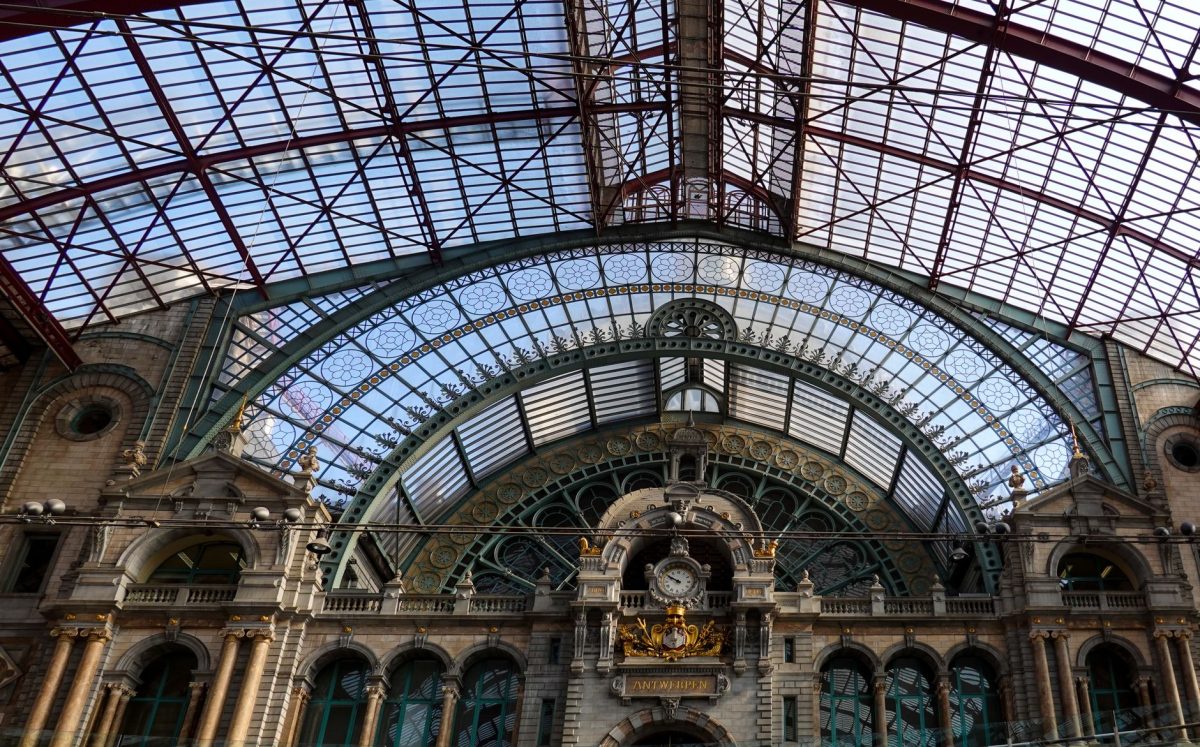
Antwerp Central often gets praised for its grand stone entrance, but the station’s best feature becomes clearer once you step toward the platforms and look up. The iron-and-glass train hall gives arriving trains a theatrical frame, turning an ordinary platform moment into something closer to a stage entrance.
- Why it matters: the roof connects the practical work of rail travel with the drama of old station design.
- Who it helps: passengers changing trains who might otherwise stay focused on track numbers.
- What can go wrong: rushing straight from the concourse to the exit means missing the scale that makes the station memorable.
If you have only one extra minute here, spend it looking above the rails rather than at your phone.
St. Pancras’ Barlow Shed
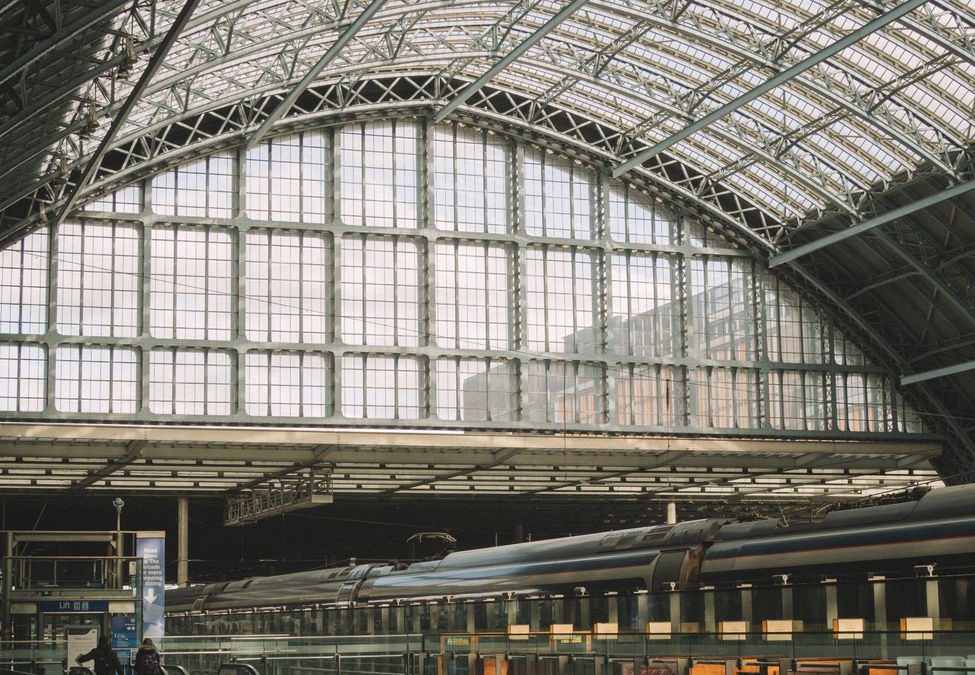
St. Pancras International can feel like a blur of ticket gates, coffee queues, and Eurostar luggage. Yet the station’s great reveal is overhead: the vast Barlow train shed, a Victorian iron roof that still makes the platforms feel unusually cinematic. It is easy to miss because modern travel routines pull your attention down to passports, screens, and boarding calls.
- Why it matters: the roof is a reminder that rail stations once competed to impress passengers before the journey even began.
- Who it helps: first-time London visitors trying to understand why this building feels different from a standard terminal.
- What to check next: the clock, the upper-level views, and the restored brickwork before heading underground.
The best view is not always at eye level; here, the ceiling carries the story.
Kanazawa’s Tsuzumi Gate
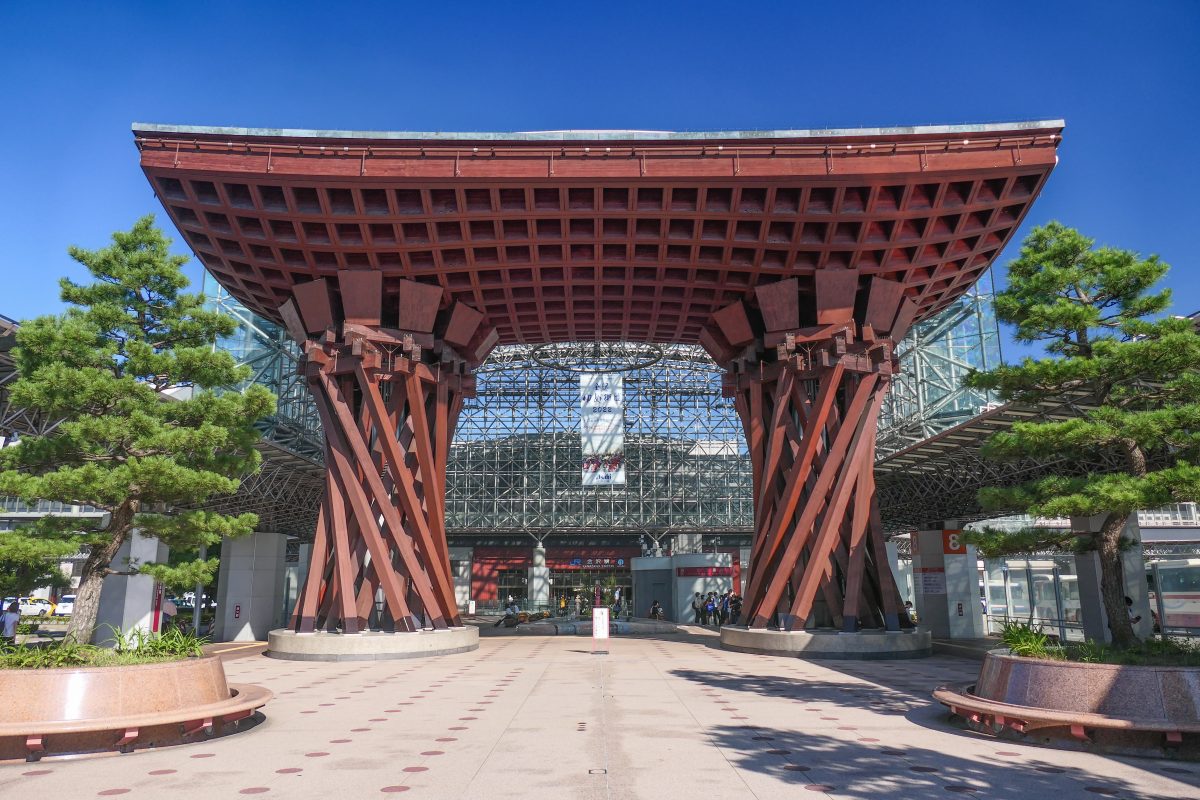
Kanazawa Station’s most memorable feature is not hidden inside the ticket hall. It is waiting outside, where the Tsuzumi Gate rises like a pair of traditional drum supports at the station entrance. Many travelers pass through quickly on the way to buses, hotels, or the city’s gardens, but the gate is part of the arrival experience.
- Why it matters: it gives the station a local identity instead of feeling like an interchangeable transit stop.
- Who it helps: visitors who want an immediate visual cue that they have arrived somewhere with its own design language.
- What can go wrong: exiting through the wrong side or chasing a taxi too quickly can turn the station into a missed landmark.
Before leaving the plaza, turn back toward the entrance. The station’s best photo is often behind you.
Dunedin’s Mosaic Floor
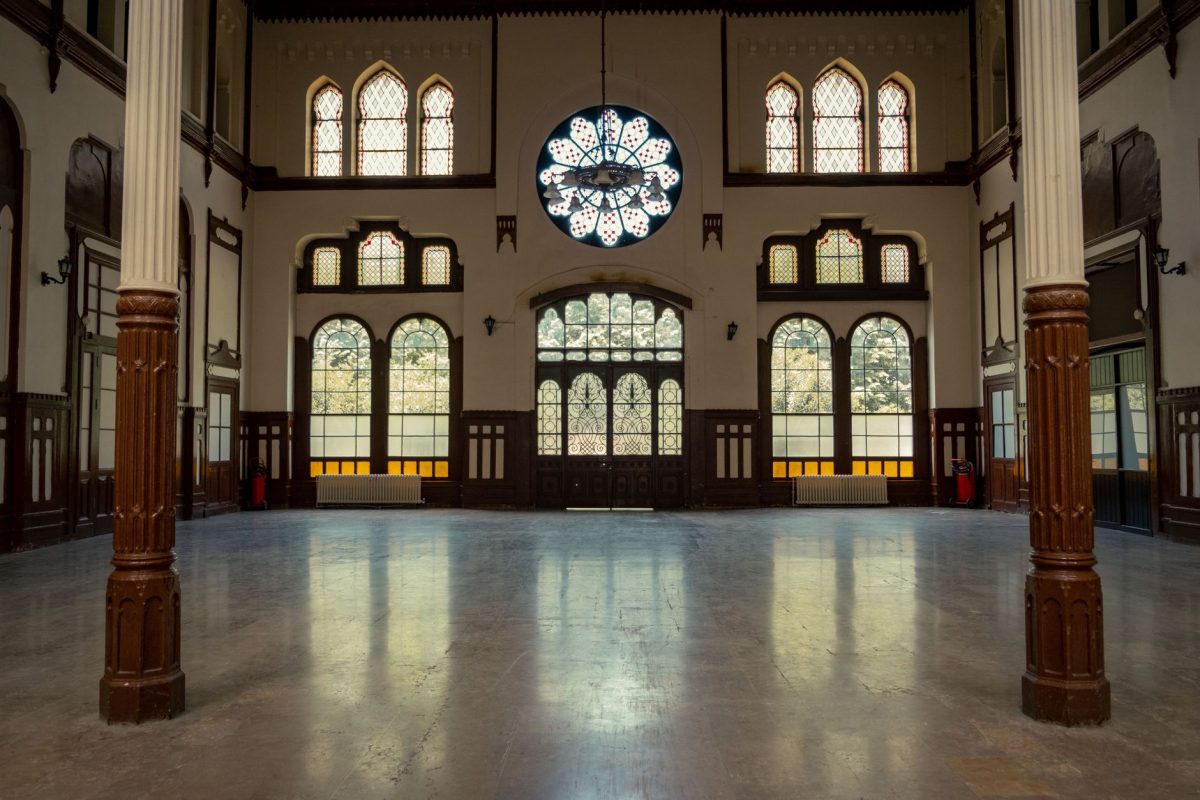
Dunedin Railway Station in New Zealand is often admired from the outside, where its patterned facade looks almost like a storybook civic building. Inside, though, the floor deserves just as much attention. The station’s mosaic tilework and decorative details reward travelers who pause instead of treating the hall as a pass-through space.
- Why it matters: floors are easy to overlook, but they can reveal how much care went into a public building meant for everyday use.
- Who it helps: travelers who enjoy historic architecture but do not have time for a full museum stop.
- What to check next: the ticket hall details, the stairways, and the exterior facade from across the street.
Most people photograph the building from the outside. The quieter reward is right underfoot.
The easiest way to find a station’s best feature is to break the commuter habit for two minutes. Look up before you leave the platform, look down in the ticket hall, and glance back after you exit. Rail stations were often designed as first impressions of a city, not just places to catch a train. If your schedule allows, arrive a little early and let the building do more than move you along.
This article was created with AI assistance and reviewed for clarity, sourcing, and editorial quality.
