
The easiest airport is not always the biggest or flashiest. Sometimes it is the one that saves your knees, your connection, and your patience.
Most travelers remember the airport that ruined a trip. The long security line. The mystery terminal. The 28-minute walk to a gate that somehow still feels temporary. But a few airports earn a different kind of loyalty: people may not plan a vacation around them, yet they feel relieved when they see the code on an itinerary. These five airports are often preferred because they remove small frictions before they become big travel problems.
Singapore Changi Airport

Singapore Changi Airport has the kind of reputation that makes a layover sound less like punishment. The reason is not just the famous waterfall or the gardens. It is the way the airport gives tired travelers useful places to pause, eat, shower, walk, or reset between flights. That matters most for long-haul passengers, families with restless kids, and anyone facing a connection after an overnight flight.
- Why travelers like it: clear transit options, generous rest areas, and plenty to do without leaving the airport.
- What can go wrong: the airport is large, so travelers should still check terminal details and transfer times.
- What to check next: whether your airline uses the same terminal for arrival and departure.
Changi works because it treats waiting as part of the trip, not dead time. That makes delays and long gaps feel less draining.
Amsterdam Schiphol Airport
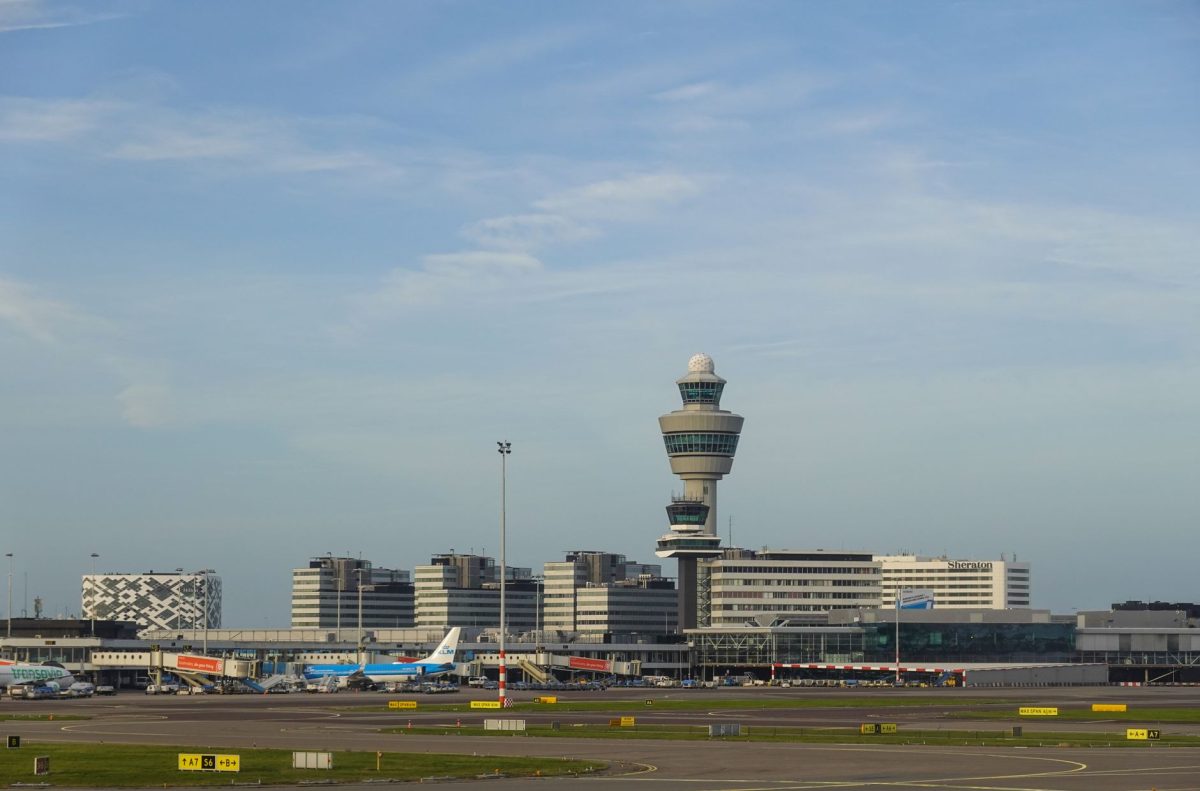
Amsterdam Schiphol Airport earns loyalty from travelers who care about simple connections. Its layout is famously centralized compared with many sprawling hubs, which can make transfers feel more understandable even when the airport is busy. The rail station beneath the terminal is another major advantage because arriving passengers can move toward Amsterdam or other Dutch cities without hunting for a distant shuttle lot.
- Why travelers like it: strong train access, clear signs, and a hub design that is easier to grasp than many multi-terminal airports.
- Who it helps: first-time Europe travelers, solo passengers, and people connecting between Schengen and long-haul flights.
- What can go wrong: passport control lines can still stretch at peak times, especially during tight connections.
The big lesson: an airport does not have to feel small to feel manageable. Schiphol often feels easier because the next step is usually obvious.
Zurich Airport
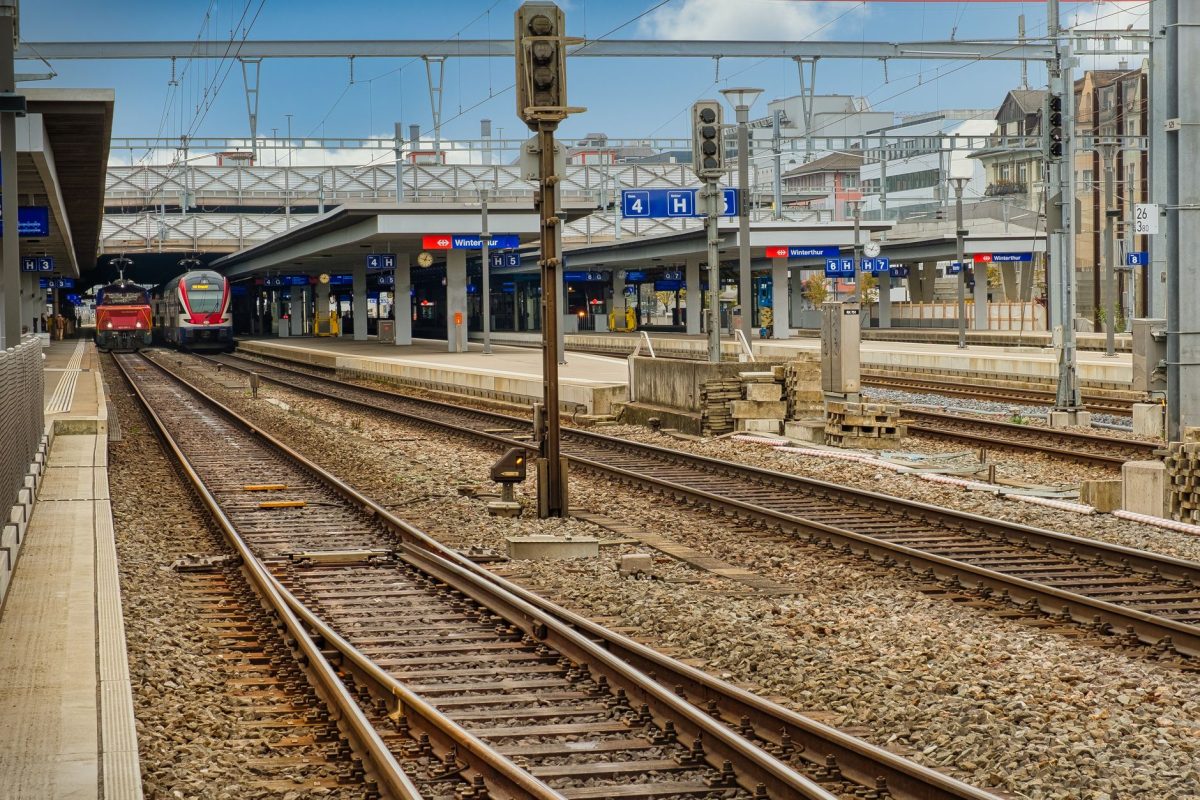
Zurich Airport is the airport many travelers appreciate after they have survived messier hubs. It is not trying to overwhelm people with spectacle. Its appeal is order: clear transfers, reliable rail access, and a layout that tends to feel calm compared with larger airports. For travelers continuing into Switzerland, the station connection is a major time-saver because trains link the airport with Zurich and onward destinations.
- Why travelers like it: efficient signage, practical train links, and a polished terminal experience.
- Who it helps: business travelers, skiers with onward plans, and visitors trying to reach Swiss cities without renting a car.
- What to check next: gate areas and passport procedures, especially if you are connecting outside the Schengen zone.
The advantage here is predictability. When a trip already has moving parts, an airport that feels organized can quietly save the day.
Minneapolis Saint Paul Airport
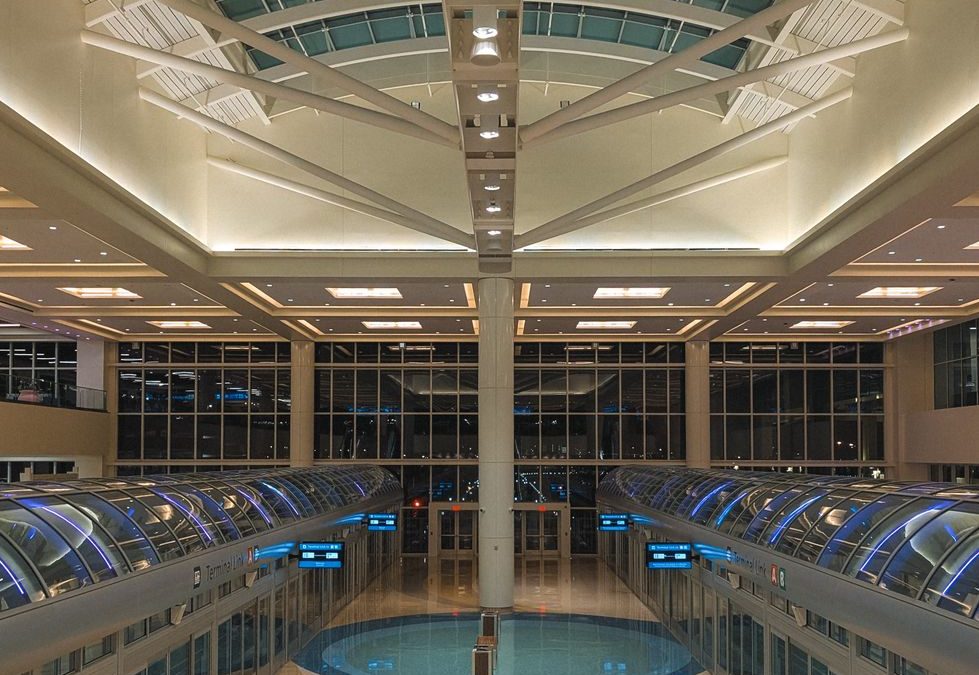
Minneapolis Saint Paul Airport is one of those U.S. airports that can surprise travelers who only know the biggest coastal hubs. It is large enough to offer solid flight options, but it often feels more navigable than airports where terminal transfers become a second commute. The concourses, moving walkways, tram connections, and food options help passengers make productive use of a layover instead of just guarding a seat near an outlet.
- Why travelers like it: practical internal movement, a comfortable range of shops and restaurants, and connections that usually feel understandable.
- Who it helps: domestic connectors, families, and travelers crossing the country through the Upper Midwest.
- What can go wrong: winter weather can affect flight operations, so connection padding still matters.
MSP works best for travelers who want a hub that functions like a hub without constantly reminding them how huge it is.
Portland International Airport

Portland International Airport has long had a loyal following because it feels unusually tied to its city. The airport is not just a place to escape from; it offers local food, recognizable design touches, and transit access that can make arrivals less stressful. For travelers who dislike giant anonymous terminals, PDX feels more human-scaled, even as the airport continues to update and expand its spaces.
- Why travelers like it: local restaurants, easy-to-read spaces, and a lighter, warmer terminal feel than many airports.
- Who it helps: leisure travelers, solo visitors, and anyone who wants a smoother jump from plane to city.
- What to check next: construction updates, pickup zones, and whether your ground transportation plan matches your arrival time.
The best airport experiences are often not dramatic. PDX proves that thoughtful details can make travel feel less mechanical and more manageable.
The airports travelers remember fondly tend to solve ordinary problems: where to go, how to connect, where to sit, how to reach the city, and what to do when plans slip. Before booking only by fare, look at the airport code, the connection time, terminal maps, and rail or transit links. A slightly easier airport can turn a stressful itinerary into one that simply works.
This article was created with AI assistance and reviewed for clarity, sourcing, and editorial quality.
