
A quick hop can unravel before boarding if one tiny airport detail is wrong.
Short flights create a dangerous kind of confidence. You tell yourself it is only a quick trip, then one wrong line, gate, bag, or connection turns the day into a slow-motion airport tour. The biggest time drains are not always dramatic cancellations. They are small choices made before security, at check-in, or while walking past a screen you meant to read.
The Wrong Terminal
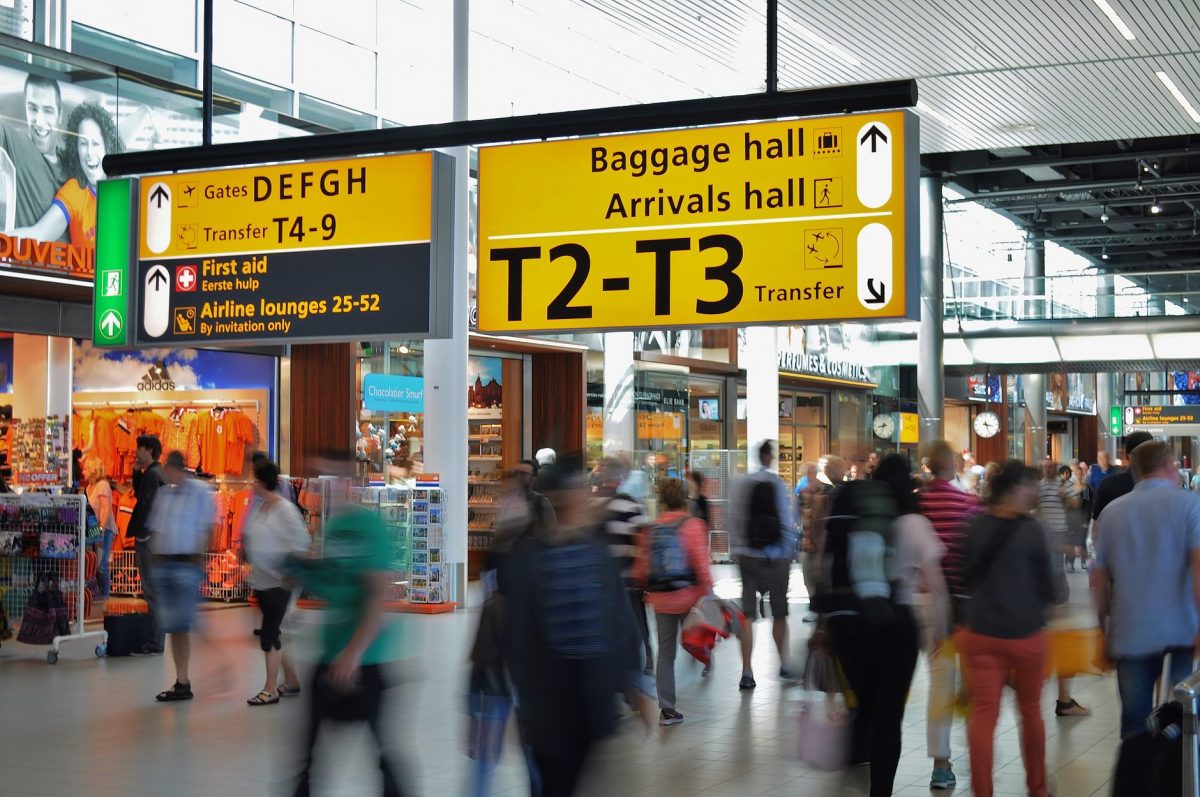
At big airports, the wrong terminal can cost more than a few extra steps. It can mean a shuttle ride, another security checkpoint, a missed bag drop cutoff, or a long walk with no easy shortcut back. This mistake hits travelers hardest on early flights, tight schedules, and trips where different airlines share similar names or partner branding.
- Check the terminal twice: once when you leave home and again before entering the airport.
- Watch for changes: airlines can move gates or counters during busy periods.
- Do not follow the crowd: passengers nearby may be heading to a completely different concourse.
What to check next: the airline app, airport map, and departure board before you commit to a security line.
The Overstuffed Carry-On
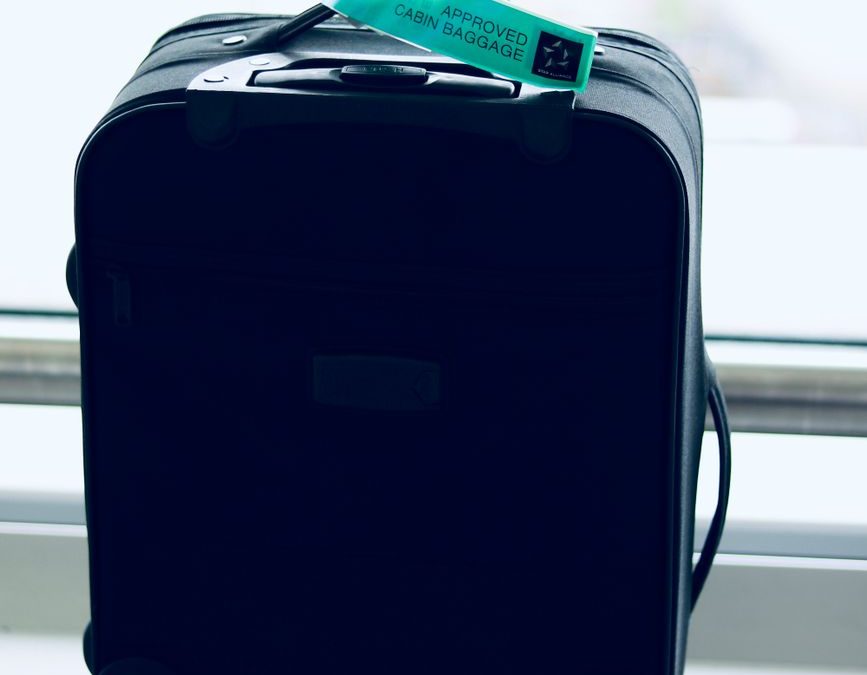
A carry-on that barely closes can turn a short trip into a gate-side negotiation. If the bag is too large, too heavy, or impossible to fit overhead, you may be forced to check it late. That can add time after landing, create a risk of waiting at baggage claim, and make a quick overnight trip feel like a full travel day.
- Measure before leaving: wheels and handles count on most bag sizers.
- Pack one soft item: a jacket or tote is easier to compress than a hard cube of clothes.
- Keep essentials out: medication, chargers, keys, and documents should stay with you.
Who it helps: anyone trying to leave the arrival airport fast without waiting for checked luggage.
The Unopened Airline App

Ignoring the airline app is a quiet way to lose time. The app may show a gate change, boarding group, seat update, delay notice, bag status, or digital boarding pass before the airport screens catch your eye. Travelers who rely only on printed passes can end up walking to the old gate, standing in the wrong service line, or missing a chance to adjust plans early.
- Open it before arrival: confirm the flight number, terminal, and boarding time.
- Allow notifications: alerts are useful when you are eating, charging your phone, or in a restroom.
- Screenshot the pass: it helps if the signal gets weak at the scanner.
What can go wrong: a ten-minute gate switch can become a sprint if you learn about it too late.
The Too-Tight Connection
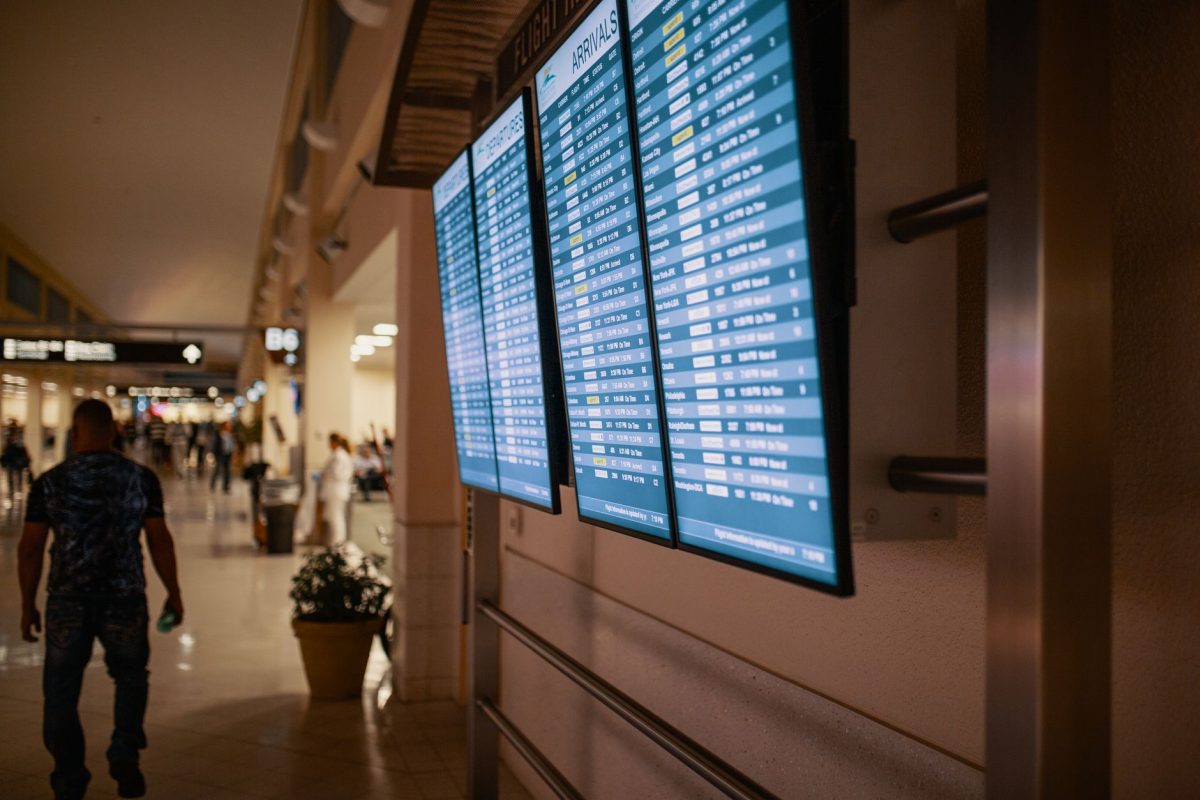
A short connection looks efficient when everything works perfectly. Airports rarely run on perfect. A late arrival, distant gate, slow jet bridge, restroom stop, or crowded security recheck can erase the buffer in minutes. This is especially risky when changing terminals, entering a country, traveling with children, or carrying bags that slow you down through long concourses.
- Study the airport layout: know whether your next gate is in another terminal or concourse.
- Build a real cushion: consider walking time, boarding cutoffs, and possible gate changes.
- Pick seats strategically: sitting closer to the front can matter on tight connections.
Who it affects: travelers booking separate tickets, last flights of the day, or trips with no easy backup option.
The Security Line Surprise
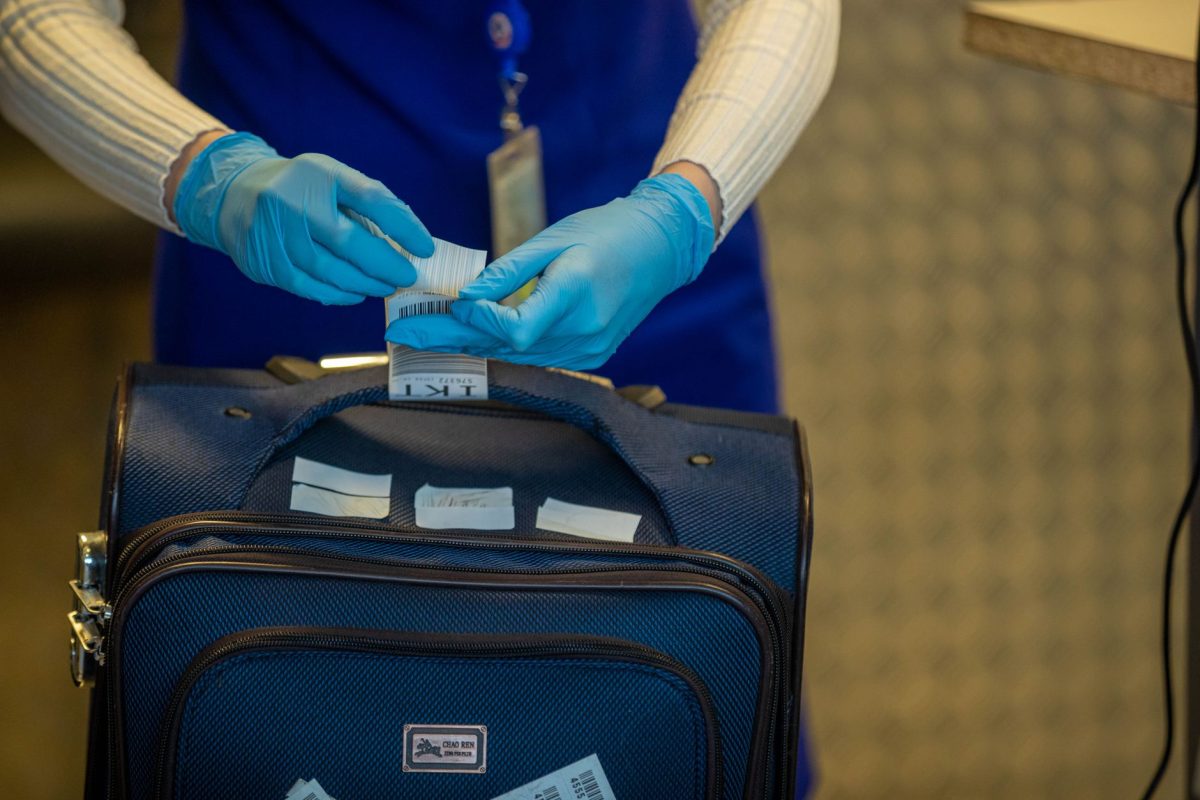
Security can be fast one day and painfully slow the next, which makes assumptions expensive. A forgotten water bottle, buried laptop, unready ID, oversized liquid, or complicated shoes can slow you and everyone behind you. Even experienced travelers get caught when they pack differently for a short trip and forget that the checkpoint still treats the bag the same way.
- Prep before the belt: empty pockets, find your ID, and separate items that need attention.
- Keep liquids simple: avoid mystery bottles and last-minute toiletry stuffing.
- Choose the right lane: families, large groups, and special equipment may move at a different pace.
What to check next: current airport guidance and your trusted traveler status before assuming the line will be quick.
The fastest airport trip usually starts before you reach the curb. Confirm the terminal, tame the carry-on, open the app, respect the connection time, and make security boring. None of these steps guarantees a perfect travel day, but they remove the avoidable delays that make a one-hour flight feel like an all-day project.
This article was created with AI assistance and reviewed for clarity, sourcing, and editorial quality.
