
The flight may be brief, but the airport choices around it can add stress, wasted steps, bad seats, and avoidable delays.
A short flight sounds simple until the airport part stretches it into a half-day chore. The biggest time-wasters are often small choices made before boarding: where you enter, what you pack, when you eat, and how closely you watch the gate. These five mistakes are easy to miss because they seem harmless in the moment. Fix them, and a quick hop starts feeling quick again.
The Wrong Terminal
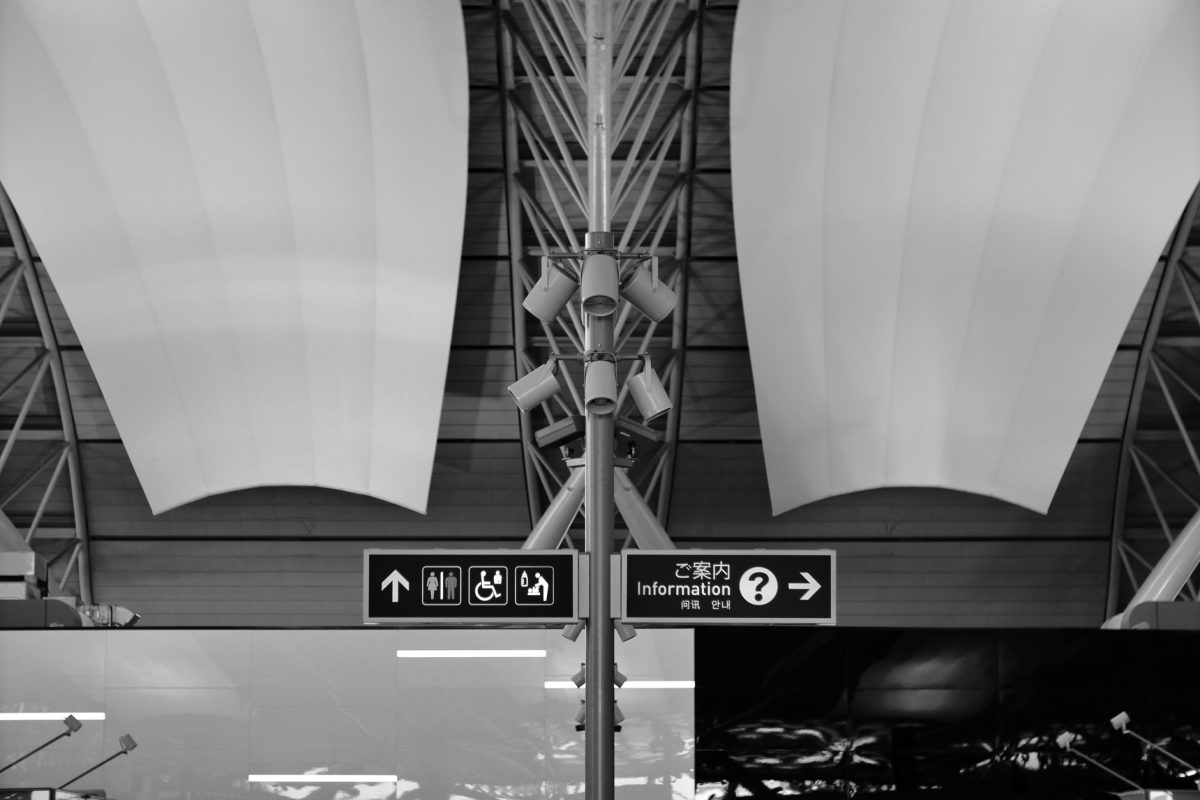
For a short flight, the wrong terminal can cost more energy than the flight itself. Many airports separate airlines, regional gates, security checkpoints, and shuttle zones in ways that are not obvious from the curb. A traveler who assumes every entrance leads to the same place may end up walking long corridors, waiting for an inter-terminal train, or re-clearing a checkpoint if the airport layout is especially unforgiving.
Check before you leave home: the airline, terminal, gate area if posted, and the airport map. This helps first-time flyers, families, and anyone with a tight connection. The danger is not only missing the flight. It is starting a quick trip already rushed, sweaty, and annoyed.
The Security Bottleneck
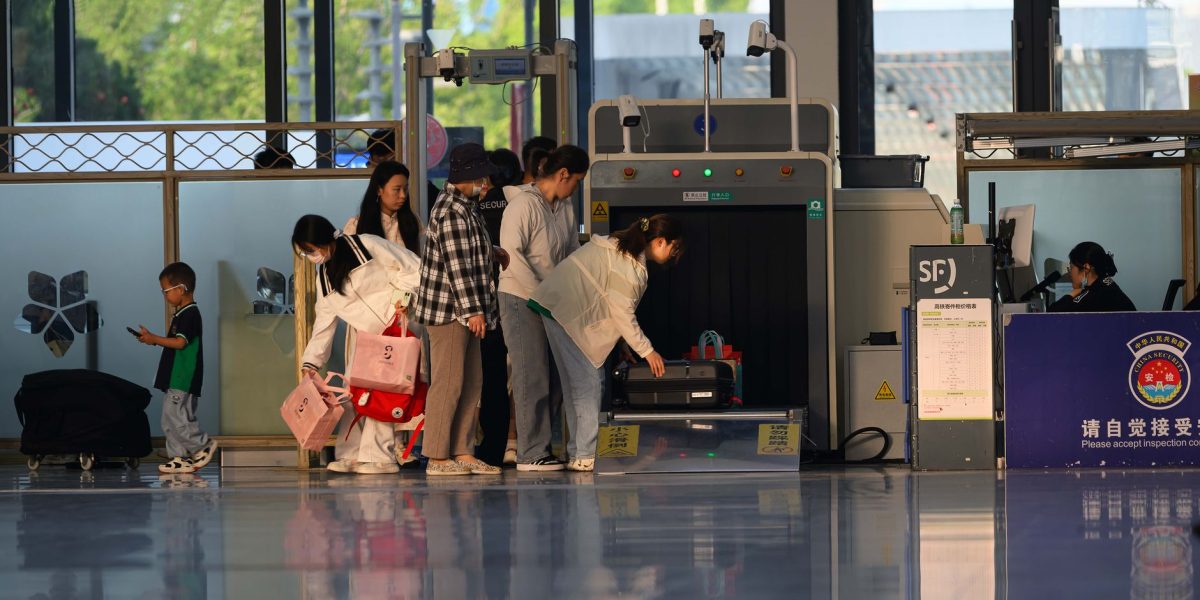
A two-hour flight can feel endless if the most stressful part happens before it. Security slows down when travelers reach the bins and only then start digging for liquids, laptops, belts, headphones, coins, or boarding passes. One unzipped pocket can turn into a small excavation project while the line behind grows tense.
- Before the queue: move liquids and electronics where they are easy to reach.
- At the bins: empty pockets fully instead of doing it in pieces.
- After screening: step aside before rebuilding the bag.
This mistake affects everyone nearby, not just the person holding up the lane. A little preparation keeps the line moving and protects the calm mood that short trips depend on.
The Overstuffed Carry-On
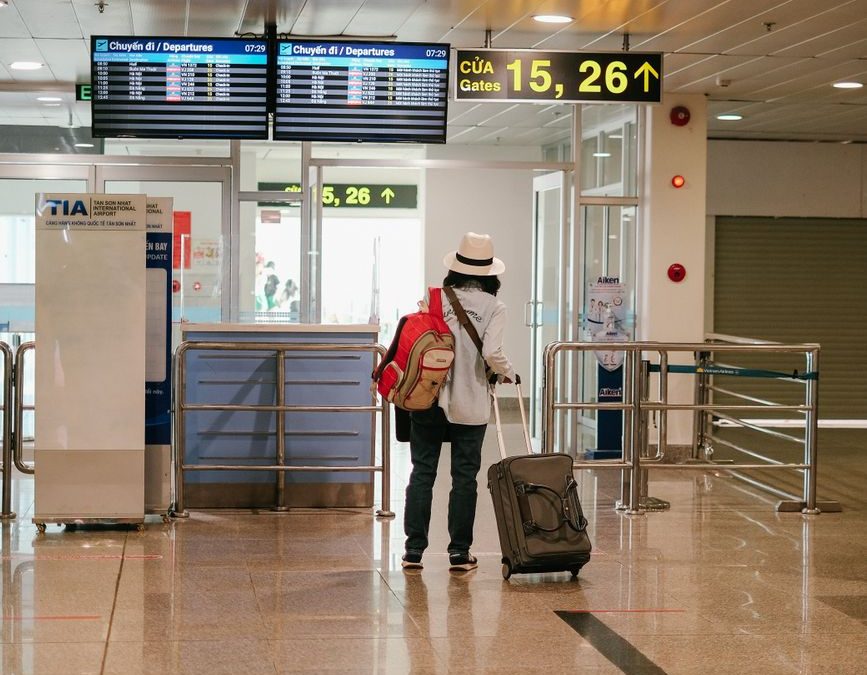
The overstuffed carry-on feels efficient until it becomes a moving problem. A bag that barely closes is harder to lift, harder to roll through crowds, and more likely to create trouble at boarding. If it does not fit the sizing frame or overhead bin, it may need to be gate-checked. That can add a wait at arrival, which is especially frustrating when the flight itself is short.
Pack for the airport, not just the destination. Keep documents, medication, chargers, and one essential layer in a small personal item. Leave the main bag light enough to lift without a dramatic struggle. This helps solo travelers, older passengers, and anyone boarding late, when overhead space may already be tight.
The Gate-Side Meal
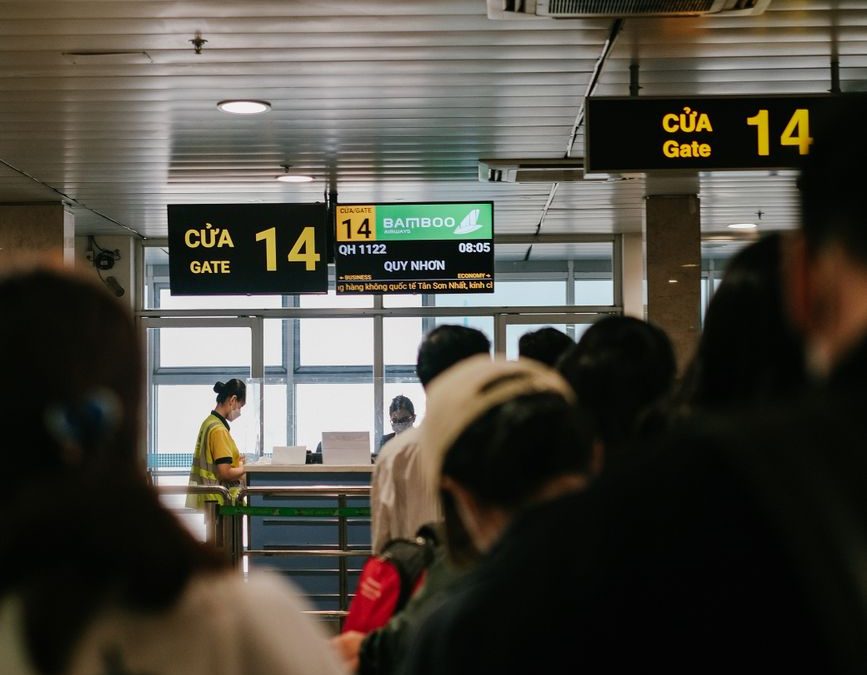
Eating at the gate can be useful, but timing it badly can make a short flight feel heavier. A greasy meal right before boarding, a messy snack in a crowded row, or a drink purchased minutes before the boarding call can create avoidable discomfort. Then the traveler is stuck balancing trash, napkins, a suitcase, and a boarding pass while the line starts moving.
The better move is simple: eat earlier if the airport has time to spare, and choose food that travels cleanly if boarding is close. Water, a compact snack, and a quick bathroom stop usually beat a rushed tray of hot food. This matters most on short routes where there may be little time to settle once airborne.
The Dead Phone Battery
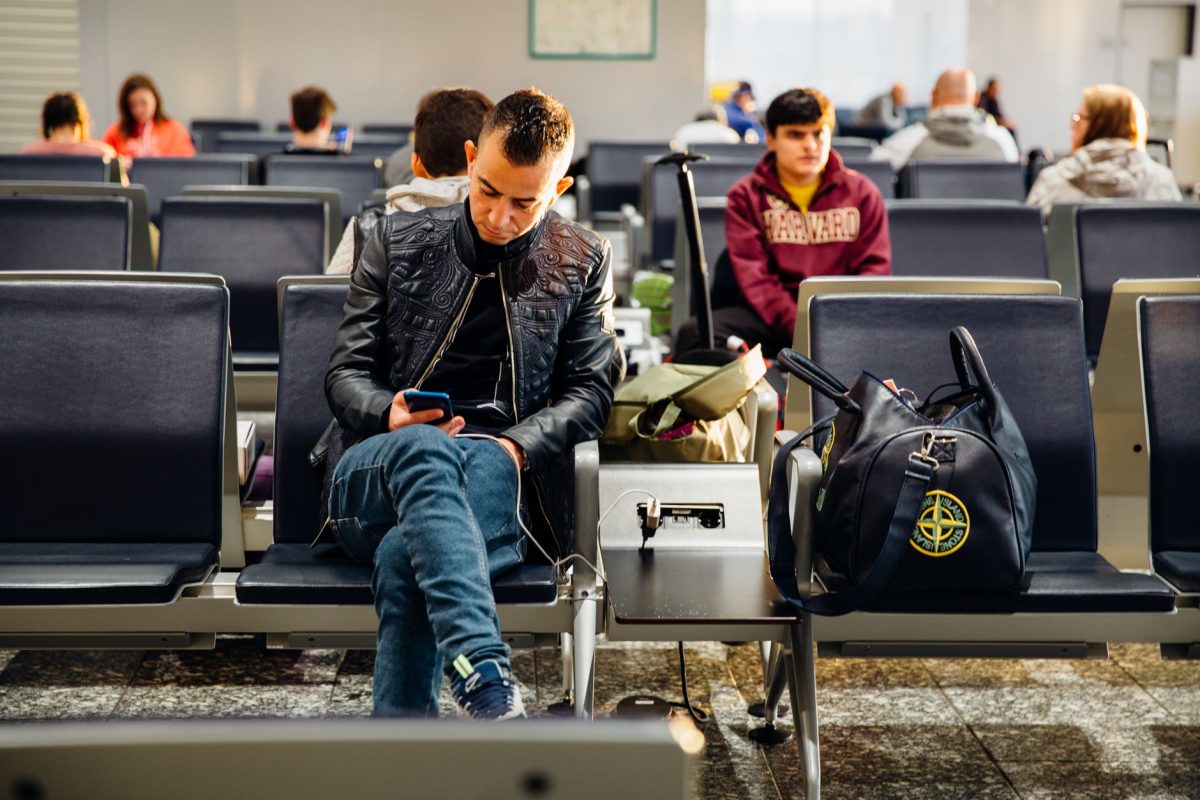
A dead phone can turn a simple airport visit into a guessing game. Many travelers rely on their phone for boarding passes, gate changes, ride pickup details, hotel addresses, and messages from the airline. When the battery drops at the wrong moment, a short flight suddenly requires extra lines, printed documents, or a search for an outlet in a crowded seating area.
- Charge before leaving: do not count on finding an open plug.
- Carry a power bank: especially for early flights or long airport waits.
- Save key details offline: gate, confirmation number, and destination address.
This one helps almost every traveler because phone problems rarely arrive at a convenient time.
A short flight stays short when the airport side is boring in the best way. Confirm the terminal, prep for security, keep the carry-on manageable, eat with boarding in mind, and protect phone battery. None of these steps is dramatic, but together they remove the tiny delays that make a quick trip feel much longer than it needs to be.
This article was created with AI assistance and reviewed for clarity, sourcing, and editorial quality.
