
Walt Disney World is the most visited theme park resort on the planet, and one of the most logistically involved vacations a family can plan. Four theme parks, two water parks, dozens of resort hotels, and a transportation network that rivals some small cities. The scale alone catches first-time visitors off guard.
In 2026, the resort operates differently than it did even a few years ago. Ticketing is dynamic. Ride reservations cost extra. Dining books out weeks in advance. Guests who arrive without a plan spend more time waiting and backtracking than enjoying themselves. The nine tips below cover what matters most before setting foot on Disney property.
1. Book Earlier Than Feels Necessary

Disney’s most popular restaurants open reservations 60 days before arrival. Places like Be Our Guest and Cinderella’s Royal Table fill within minutes of that window opening. Hotel rooms and tickets follow the same pattern: prices rise as dates fill, and the best options disappear months out.
The My Disney Experience app handles reservations, Lightning Lane selections, mobile orders, and wait times. Set it up well before the trip. Set a calendar reminder for the 60-day mark. Popular dining slots are gone within the first few minutes.
2. Understand How Ticketing Works

Disney uses dynamic pricing, so ticket costs vary by date. A slow Tuesday in January costs less than a Saturday in March. Multi-day tickets offer better per-day value than single-day passes, and the Park Hopper add-on allows entry to multiple parks per day, though hopping is only permitted after 2 p.m.
Annual passes suit anyone who lives within driving distance or plans to visit more than once yearly. Several tiers exist with different blackout dates and benefits worth comparing carefully. Purchase tickets only through official Disney channels. Third-party resellers carry a real risk of counterfeit tickets.
3. Lightning Lane Costs Extra

FastPass no longer exists. Disney now runs a paid system called Lightning Lane in two forms. Lightning Lane Multi Pass allows guests to reserve one participating attraction at a time, selecting the next once the current reservation is used. Lightning Lane Single Pass covers the resort’s biggest attractions separately, titles like TRON Lightcycle Run and Guardians of the Galaxy: Cosmic Rewind, sold individually at an added charge.
On busy days, Lightning Lane saves hours. On slower days, the benefit narrows. Most experienced visitors purchase it selectively for two or three priority rides. Multi Pass selections open at 7 a.m. for resort hotel guests and at park opening for day guests. Book immediately.
4. Choose Park Days Strategically

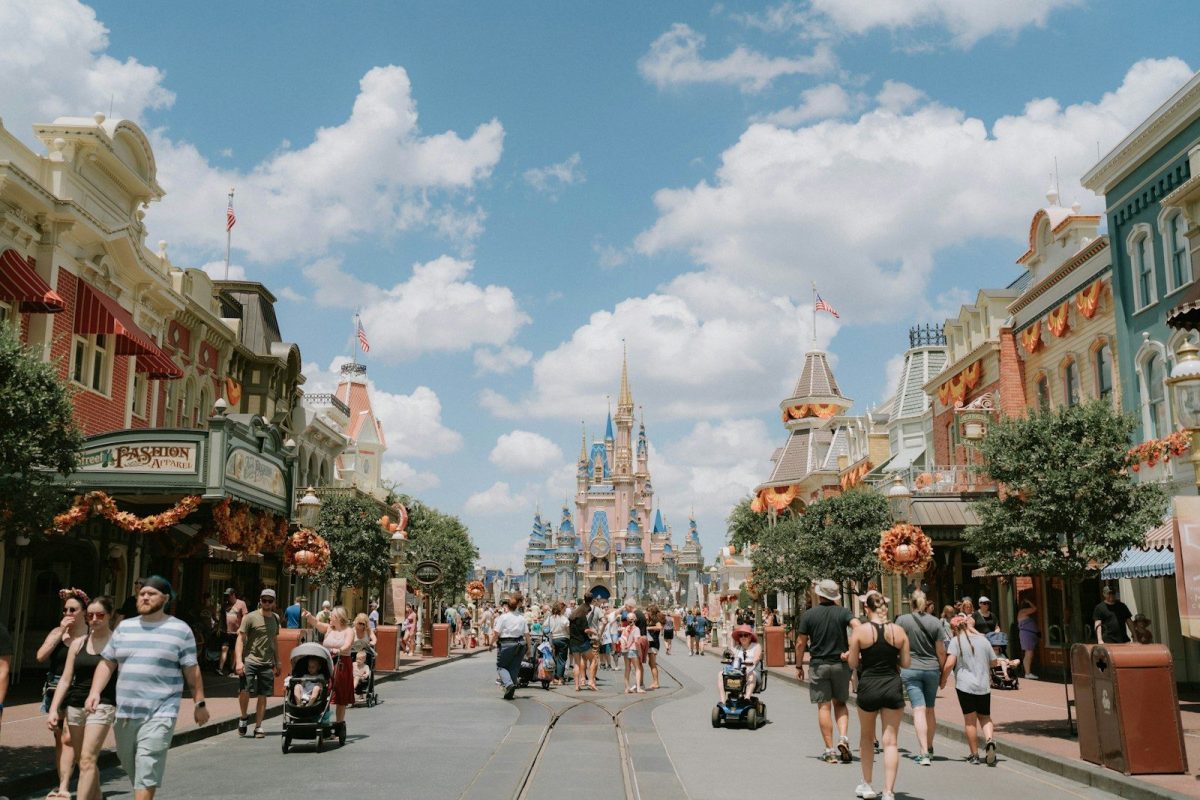
Tuesday through Thursday sees lower attendance than weekends. Magic Kingdom is the world’s most visited park and rewards an early start. Hollywood Studios draws heavily due to Star Wars: Galaxy’s Edge. Animal Kingdom thins out in the afternoon. EPCOT has transformed significantly and now offers some of the resort’s strongest newer experiences.
Avoid Spring Break, the Christmas-to-New-Year’s stretch, and major U.S. holiday weekends. Those periods bring peak pricing and peak crowds together.
5. Early Entry Matters

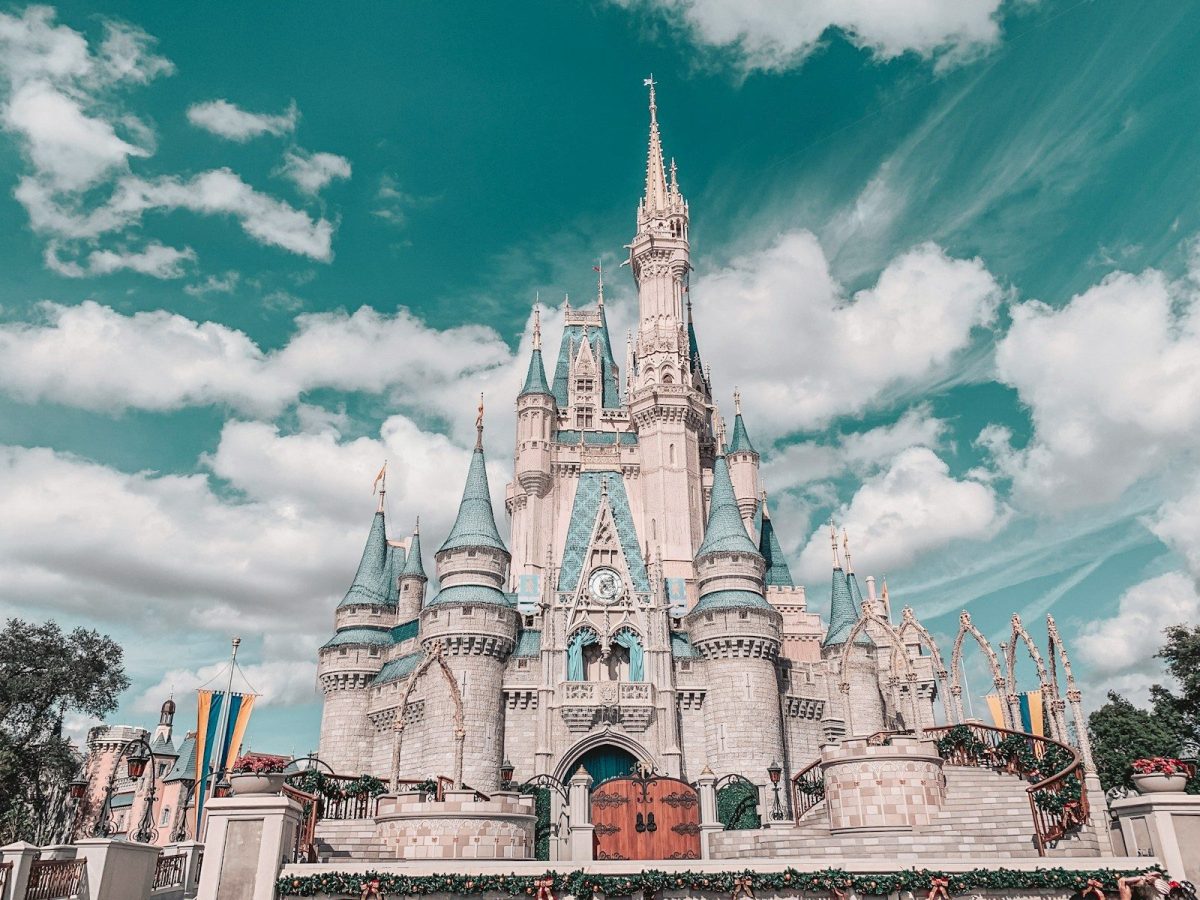
Disney resort hotel guests enter any park 30 minutes before the general public. That window is enough to complete one or two top-tier rides before crowds build. At Magic Kingdom, head to TRON or Seven Dwarfs Mine Train. At Hollywood Studios, prioritize Rise of the Resistance or Slinky Dog Dash.
Guests not staying on property should still arrive 20 to 30 minutes before official opening. Cast members often begin admitting guests early, and the first wave through sees the shortest waits of the day.
6. Budget With a Buffer
Quick-service lunch for a family of four runs $60 to $80. Table-service dinners climb higher. Disney’s revised Dining Plan returned in 2026 and may offer value for families who favor sit-down meals, but calculating actual per-meal costs before committing is worth the time. Merchandise accumulates fast.
Setting a per-person souvenir budget before arrival reduces daily friction. Disney provides free water cups at any quick-service location. Packed snacks and a refillable bottle cut daily food spend noticeably.
7. Dress for Florida, Not the Photos
Summer afternoons bring near-daily thunderstorms that pass in 30 to 45 minutes but soak anyone without a rain layer. Breathable clothing, broken-in walking shoes, sunscreen, and a refillable bottle are the baseline for warm-weather visits.
November through February offers temperatures in the 60s and 70s, far more comfortable for full park days, with holiday decorations adding to the atmosphere. The average park day covers 8 to 12 miles on foot. New shoes are a mistake.
8. Know the Transportation Options
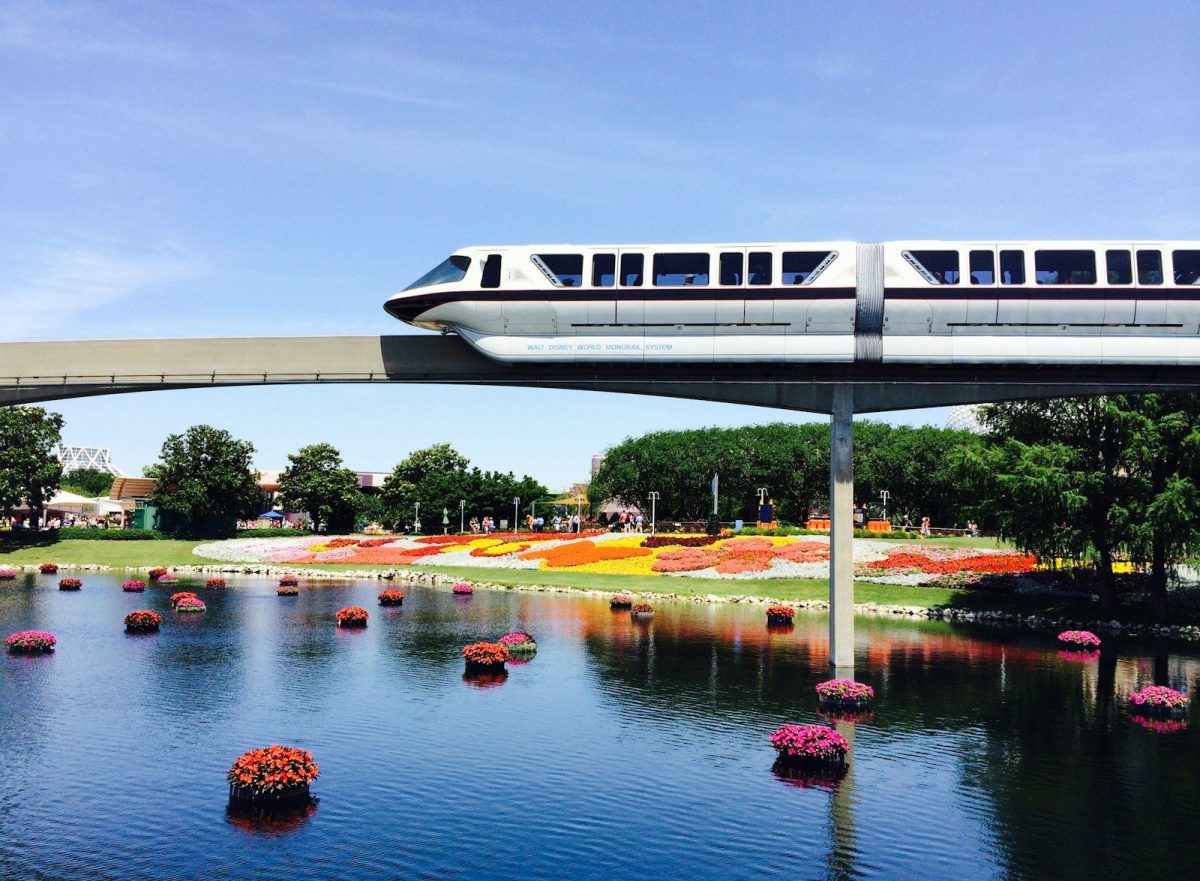
Resort hotel guests travel free on Disney’s internal network: buses, monorail, ferryboat, and the Skyliner gondola. The Skyliner connects EPCOT and Hollywood Studios to several hotels including Art of Animation and Caribbean Beach Resort. Guests driving to the parks pay daily parking fees that add up over a multi-day trip.
Staying on property and using Disney transport offsets that cost, though morning buses during peak hours can be slow. Build 45 to 60 minutes into the morning routine for transportation. Missing early entry over a late bus is avoidable.
9. Stay Flexible
Rides go down. Lines move slowly. Children tire out. Two or three non-negotiable priorities per day, with everything else treated as a bonus, produces a far more enjoyable experience than a packed minute-by-minute schedule. Taking a longer meal or watching a parade often creates the memories that last.
Disney World is expensive and demanding on the feet. For anyone willing to plan ahead and stay adaptable, it also delivers something genuinely hard to replicate. Going in informed and flexible produces the best version of the trip. Charge your phones every night. Between the app, photos, and navigation, batteries drain faster than expected. A portable charger earns its place in the park bag.
