
Airport security looks very different in 2026. Digital identification systems, advanced scanners, and automated bag screening have shortened lines at many major airports across the United States. Even with newer technology, TSA officers still rely heavily on human observation during the screening process.
Most travelers pass through checkpoints without any trouble. Certain behaviors can still attract extra attention from officers monitoring the lines. In many situations, the issue has nothing to do with criminal activity. Actions that interrupt the normal flow of security screening often lead to additional questions or inspections. Passengers who understand how checkpoints operate usually move through the process more quickly. Preparation, awareness, and calm behavior can reduce delays and avoid unnecessary screening.
1. Repeatedly Switching Security Lines
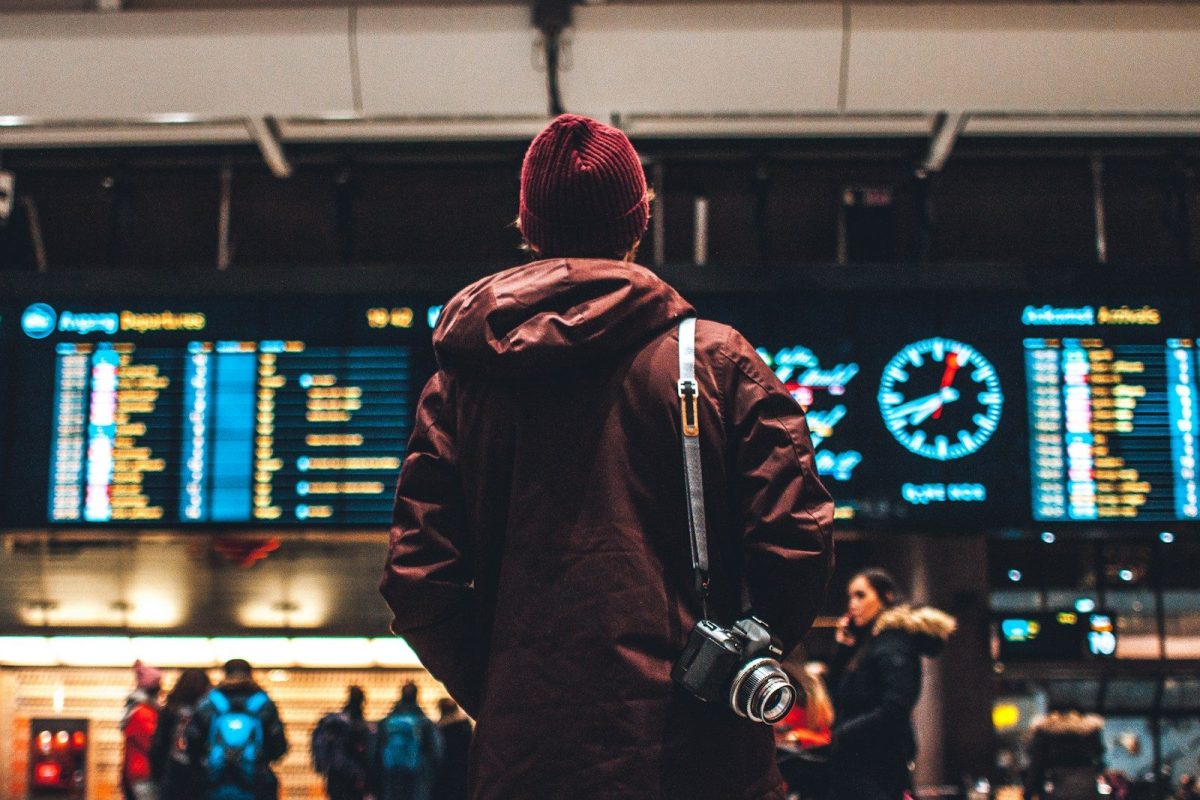
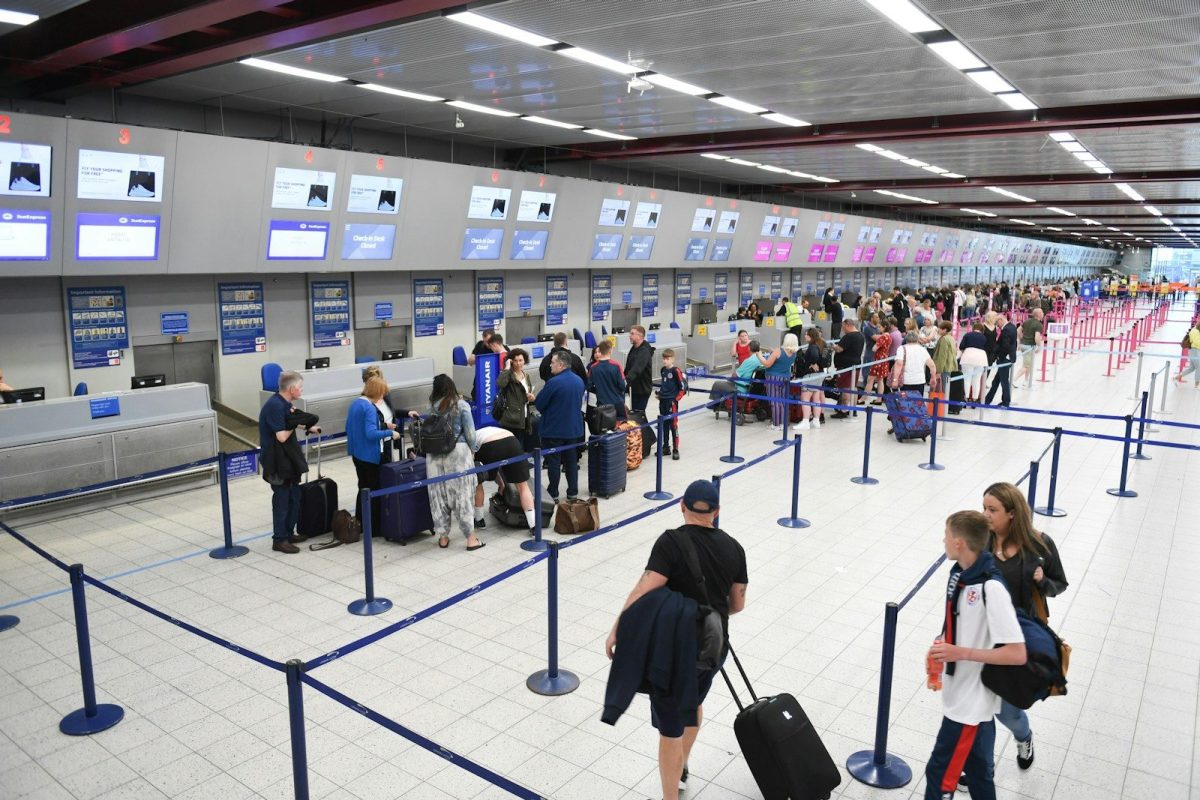
Travelers sometimes leave one line and move to another after spotting what appears to be a shorter wait. Constantly switching between checkpoints can attract attention from TSA officers watching passenger movement. Airports are designed to keep people moving in a steady pattern. Someone weaving through crowds, stepping in and out of lines, or hovering near checkpoint entrances may stand out to security staff.
Officers are trained to notice irregular movement patterns. Repeated line changes can appear suspicious, especially during busy travel periods when airports are crowded and tense. Picking a line early and remaining there usually creates the smoothest experience at security.
2. Wearing Clothing That Triggers Extra Screening
Certain clothing items increase the chances of additional screening. Thick jackets, oversized hoodies, metal accessories, and heavy boots can interfere with scanners and slow the checkpoint process. Modern screening systems can detect unusual shapes or concealed items quickly. Bulky layers and complicated outfits often require closer inspection from officers trying to verify scanner results.
Travelers focused on comfort sometimes wear multiple layers through the airport to avoid carrying extra clothing. Others wear elaborate outfits for travel photos or social media content. Both situations can lead to delays at security. Simple clothing with minimal metal parts usually helps passengers move through screening more efficiently.
3. Searching Through Bags at the Checkpoint
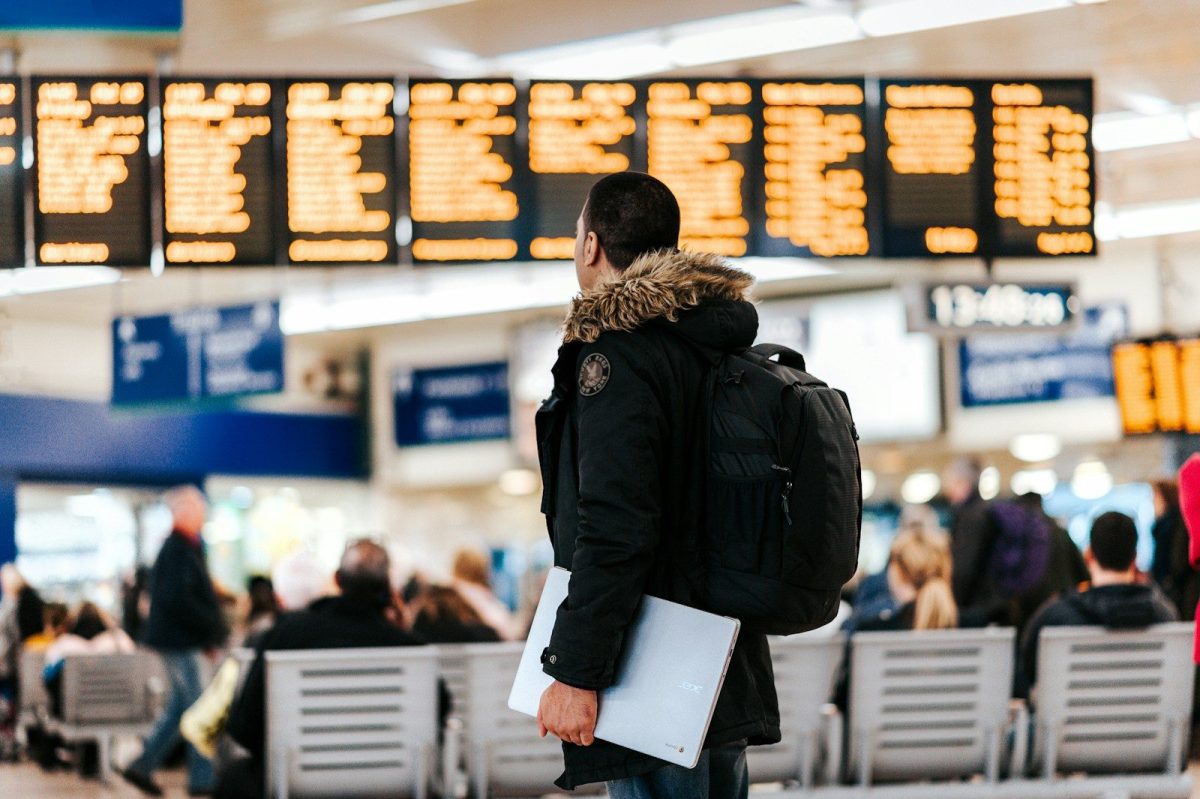
Passengers who begin digging through their bags at the last second often attract extra attention. Security officers closely monitor travelers who appear disorganized or uncertain during screening. The problem usually begins when someone reaches the scanner and suddenly realizes that liquids, electronics, identification, or boarding passes are buried deep inside a carry-on bag. This slows the line and forces officers to focus on the situation more carefully.
Busy airports process thousands of travelers every hour. Delays caused by unprepared passengers create backups that affect everyone waiting behind them. Keeping travel documents accessible and organizing bags before entering the checkpoint can help avoid unnecessary delays.
4. Acting Extremely Nervous During Screening
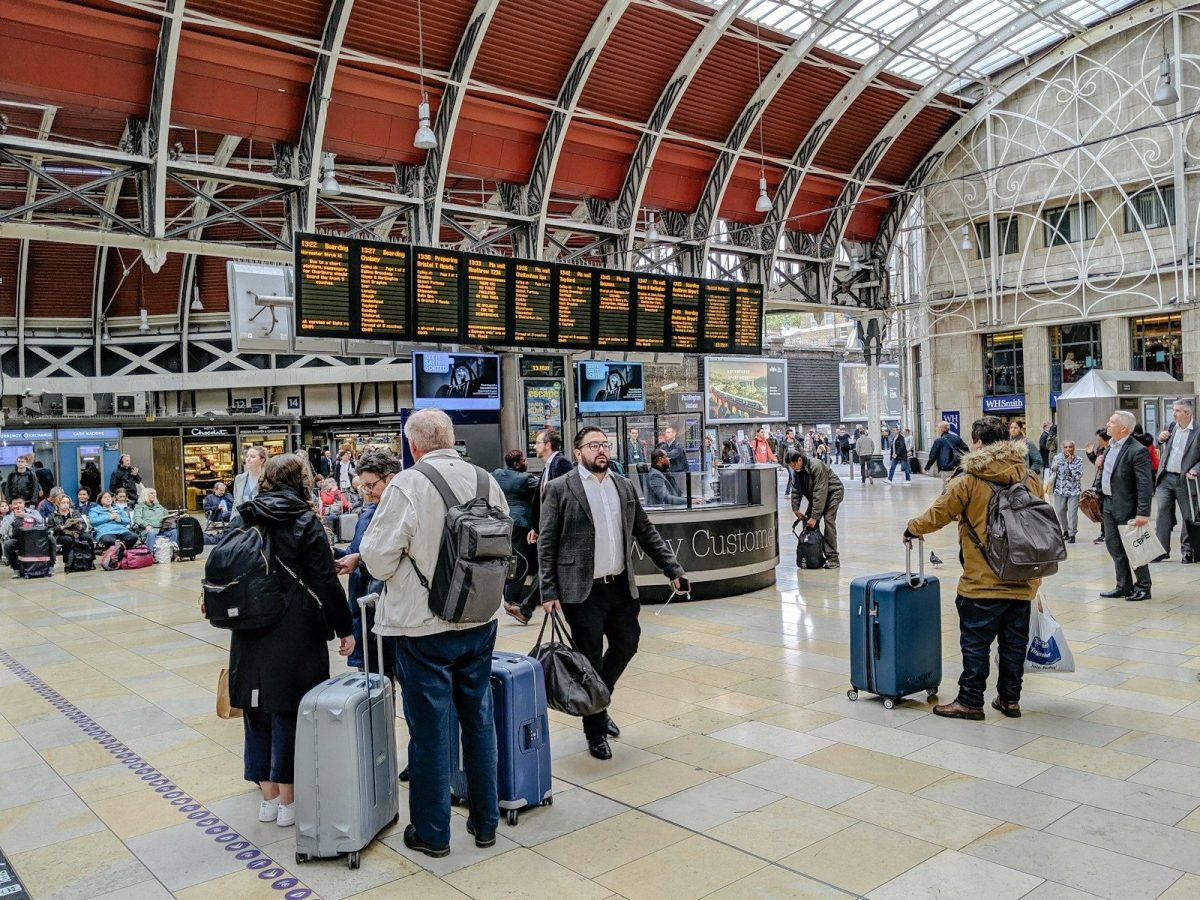
Airports make many people anxious, especially during long travel days or crowded holiday periods. TSA officers understand that nervous passengers are common. Extreme behavior still tends to attract attention. Travelers who avoid eye contact completely, appear visibly panicked, or react aggressively to simple instructions may stand out during screening. Officers are trained to observe body language and behavioral patterns as part of airport security procedures.
Clear communication and calm responses usually help interactions move quickly. Travelers do not need to appear cheerful or relaxed at all times. Patience and cooperation often make the screening process easier for everyone involved.
5. Making Jokes About Weapons or Threats
Comments about bombs, weapons, or security threats can create immediate problems at airport checkpoints. Even obvious jokes may trigger a serious response from TSA officers and airport police. Many travelers still underestimate how strictly airports handle these remarks. A careless comment made in frustration or for humor can lead to questioning, delays, or missed flights.
Security systems in 2026 combine surveillance technology, passenger reporting, and rapid response procedures. Officers are expected to investigate suspicious statements instead of dismissing them. Airport checkpoints are not the place for risky jokes or sarcastic comments about safety procedures.
6. Recording Too Much Near Security Areas
Travel videos and social media content remain extremely popular in 2026. Many travelers record parts of their airport experience before boarding a flight. Excessive filming near security checkpoints can still raise concerns. Passengers who repeatedly point cameras toward officers, screening monitors, or security procedures may draw additional attention. Some airports also limit recording in certain areas for safety and privacy reasons.
Quick photos or short clips rarely create problems. Long recording sessions near checkpoint equipment are more likely to attract scrutiny from airport staff. Travelers filming content should remain aware of airport rules and avoid interfering with screening operations.
7. Carrying Large Amounts of Electronics
Phones, laptops, tablets, cameras, and portable gaming systems are common travel items in 2026. Bags filled with excessive electronics or loose batteries often receive closer inspection from TSA officers. Lithium battery safety remains a major concern for airlines worldwide. Security staff frequently check large collections of battery packs, charging cables, and electronic devices to confirm they meet airline regulations.
Passengers traveling with professional camera equipment or work devices may experience additional screening because officers need a clearer look at the contents of the bag. Packing electronics neatly and separating large devices before reaching the scanner can speed up the process.
8. Ignoring Instructions From TSA Officers
Security checkpoints depend on coordination and efficiency. Travelers who ignore instructions or argue repeatedly with officers often attract immediate attention. Simple mistakes happen at airports every day. Problems usually begin when passengers refuse to follow directions about pockets, liquids, electronics, or identification checks. Officers may respond with additional screening if they believe someone is being uncooperative.
Most checkpoint interactions remain short and routine when travelers listen carefully and follow instructions the first time. Paying attention to announcements and preparing before reaching the scanner can prevent delays for everyone in line.
Preparation Makes Travel Easier
Most passengers move through TSA checkpoints without any issues. Travelers who stay organized and cooperative are less likely to experience delays or additional screening. Preparation remains one of the easiest ways to reduce stress at the airport. Organized bags, accessible identification, and calm behavior help security lines move more smoothly. Small actions often make a noticeable difference during busy travel periods.
Airport security technology continues to improve each year, but officers still rely on observation and routine screening procedures. Travelers who understand the process are more likely to reach their gates quickly and avoid unnecessary complications.
