
Desert travel continues to grow in popularity during 2026. Travelers are heading into remote areas for hiking, camping, photography, and off-road driving. The scenery attracts millions of visitors each year, but desert environments can become dangerous with little warning.
Heat, dry air, isolation, and long distances between services create conditions that demand planning. A minor problem can become an emergency if travelers are unprepared. Running out of water, getting lost, or dealing with a vehicle breakdown in extreme temperatures creates risks that are far greater than those found in most tourist destinations. Good preparation lowers those risks. Travelers who understand desert conditions before arriving usually have safer and more enjoyable trips.
1. Water Needs to Be the Top Priority
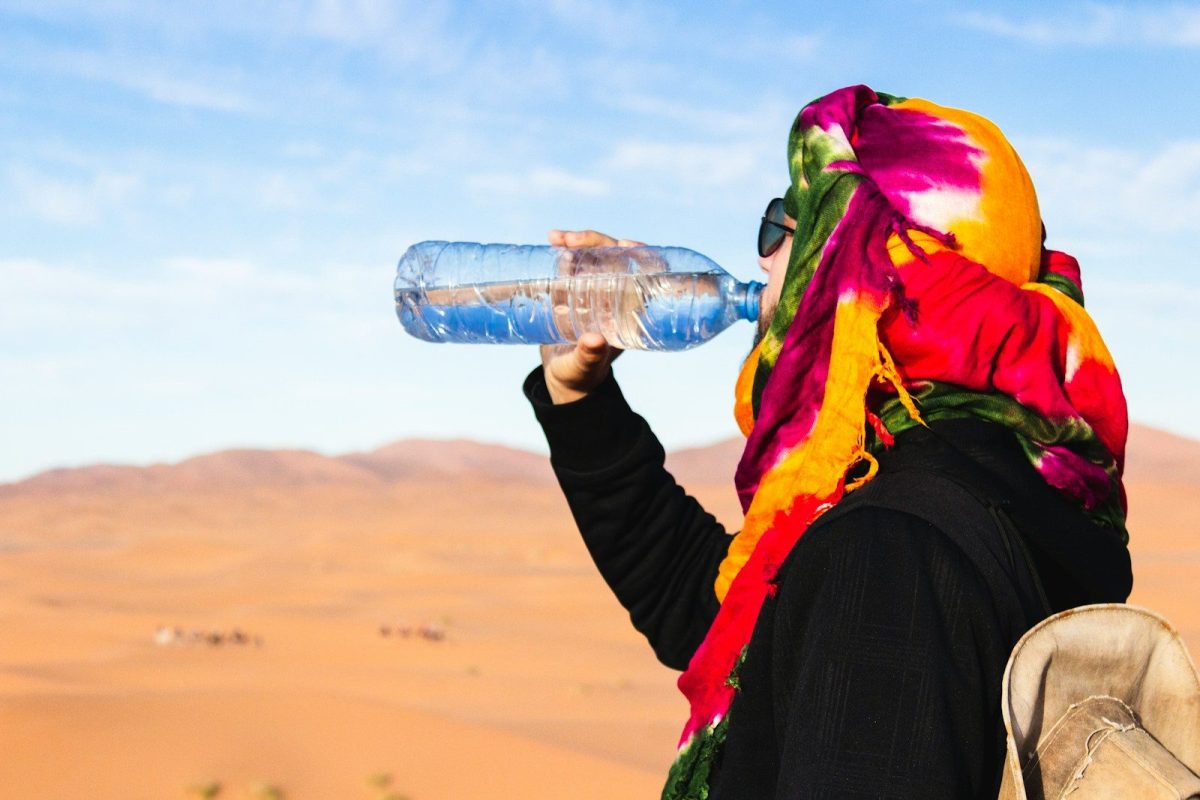
Dehydration remains one of the biggest dangers in desert environments. The body loses moisture quickly in dry heat, even when sweat is not obvious. Many travelers underestimate how much water they actually need during outdoor activity. Experts often recommend carrying at least one gallon of water per person each day. Extra supplies should stay inside the vehicle in case of delays or emergencies. Long hikes may require even more water, especially during summer months.
Electrolyte powders or tablets can help replace salt lost through sweat. Alcohol and heavily caffeinated drinks increase dehydration risks in hot weather. Drinking small amounts consistently throughout the day works better than waiting until thirst becomes noticeable.
2. Midday Heat Creates Dangerous Conditions
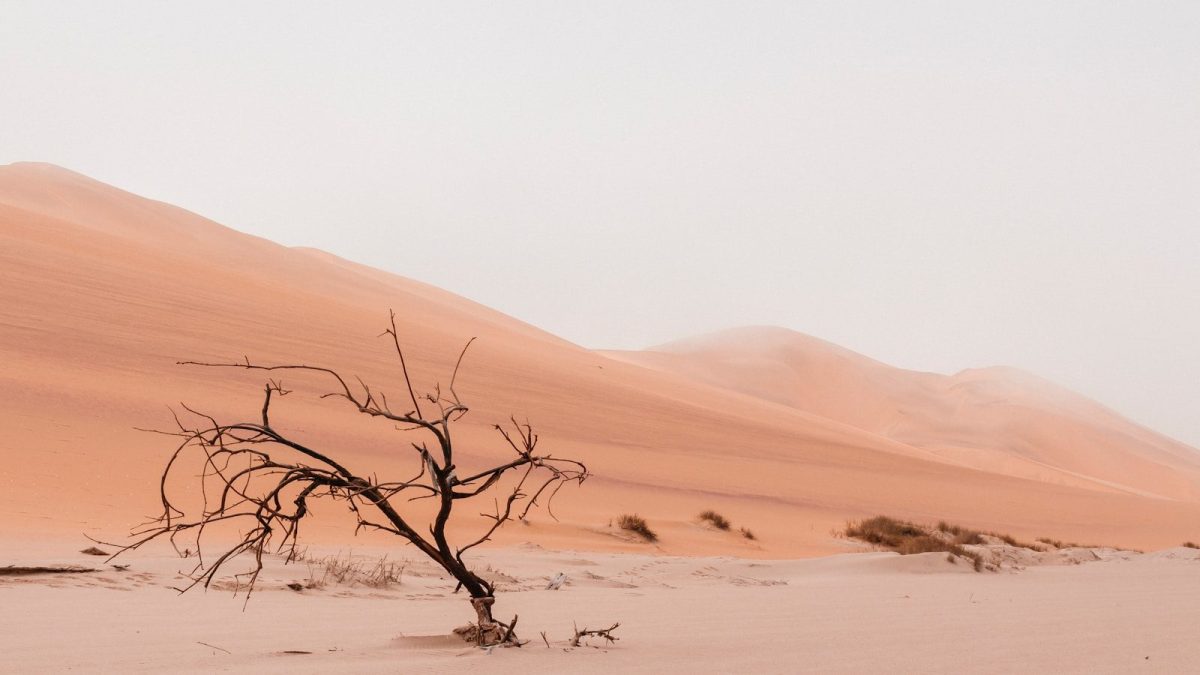
Temperatures in many deserts climb rapidly after late morning. Surfaces such as sand, rocks, metal railings, and vehicle interiors can become dangerously hot by early afternoon.
Experienced desert travelers often schedule activities around sunrise and sunset. Early morning temperatures are usually safer for hiking, biking, and exploring remote areas. Midday hours are better suited for resting indoors, finding shade, or limiting physical activity. Heat exhaustion can develop gradually. Common symptoms include dizziness, nausea, headaches, muscle cramps, and weakness. Severe heatstroke may lead to confusion or unconsciousness. Fast action matters when those symptoms appear.
3. Clothing Can Protect Against Extreme Heat
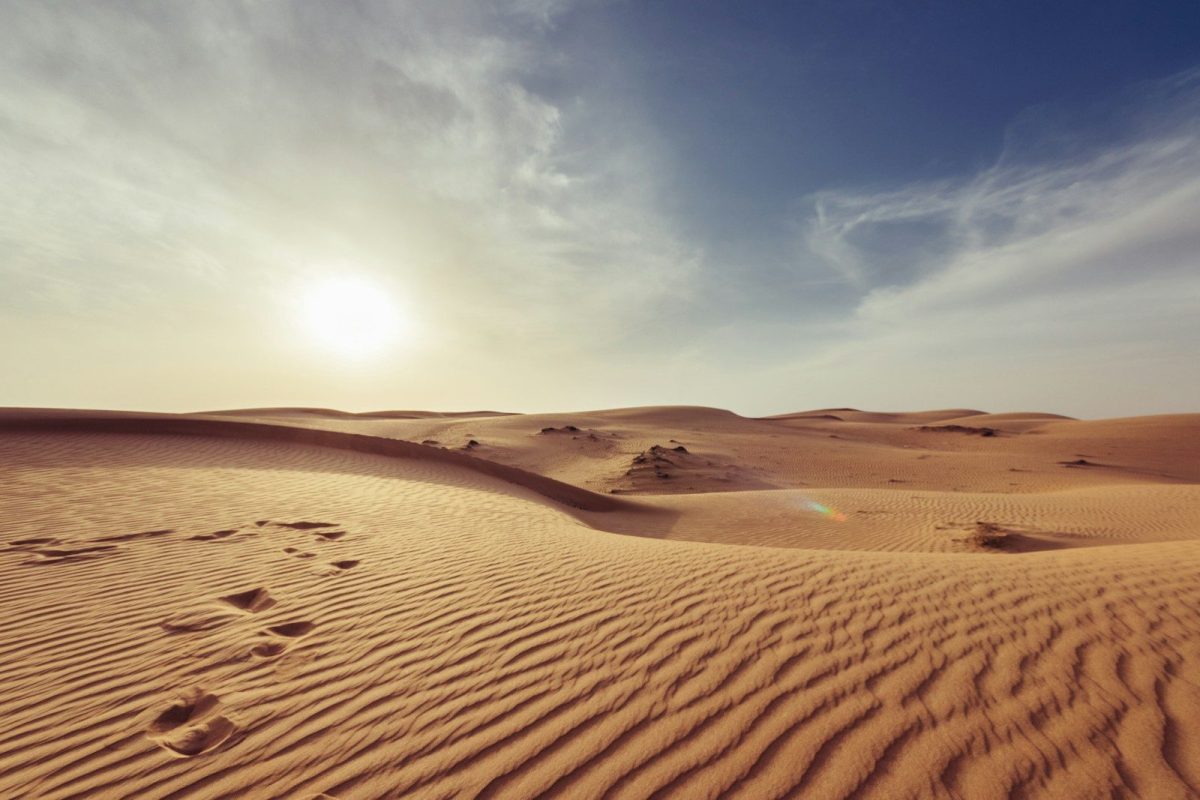
Lightweight clothing provides better protection than many travelers expect. Long sleeves and loose-fitting pants help shield the skin from direct sunlight without trapping excessive heat. Wide-brim hats, sunglasses with UV protection, and high-SPF sunscreen are essential in desert conditions. Sunburn develops quickly under strong sunlight, especially at higher elevations where ultraviolet exposure increases.
Footwear also deserves attention. Sandals may seem comfortable in hot weather, but desert terrain often includes sharp rocks, thorny plants, loose gravel, and scorching ground surfaces. Durable hiking shoes or boots provide better protection during long days outdoors.
4. Vehicles Face Extra Stress in the Desert
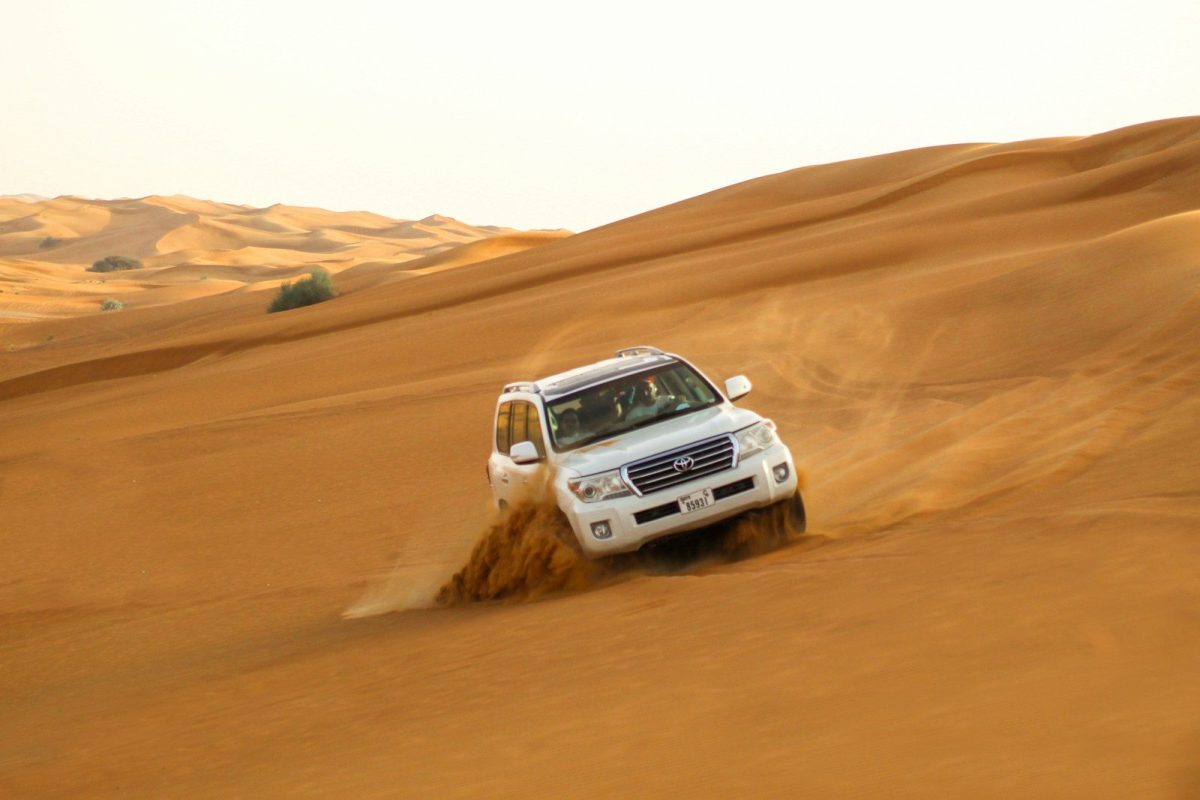
Extreme heat places heavy strain on vehicles. Engines, tires, batteries, and cooling systems all work harder during desert travel. A small mechanical issue can become serious in remote areas where help may take hours to arrive. Drivers should inspect tires, coolant levels, brakes, and oil before entering isolated regions. Spare tires and repair tools should always remain accessible. Tire blowouts become more common on hot pavement, especially when tires are worn or improperly inflated.
Fuel planning also matters. Gas stations may sit dozens of miles apart in certain desert areas. Many experienced travelers refill their tanks whenever fuel becomes available rather than waiting until levels run low.
5. Flash Floods Are a Serious Desert Threat
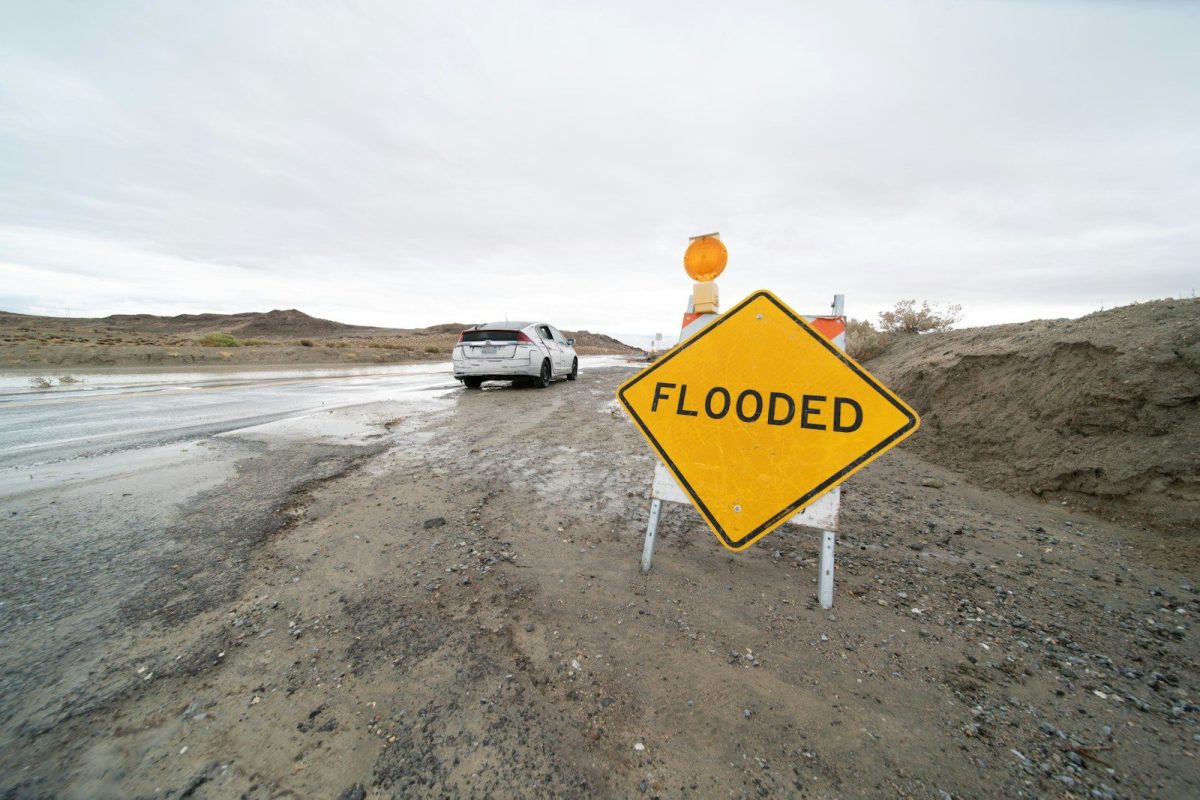
Many people associate deserts with dry weather, but flash floods remain one of the region’s most dangerous hazards. Heavy rainfall can send powerful water surges through dry riverbeds and narrow canyons with little warning. Flooding may begin miles away from where travelers are standing. A clear sky overhead does not guarantee safety if storms are moving through nearby mountains or valleys.
Driving through floodwater creates major risks. Fast-moving water can sweep away vehicles far more easily than most drivers realize. Travelers should avoid flooded crossings completely and wait for conditions to improve.
6. Navigation Problems Become More Dangerous in Remote Areas
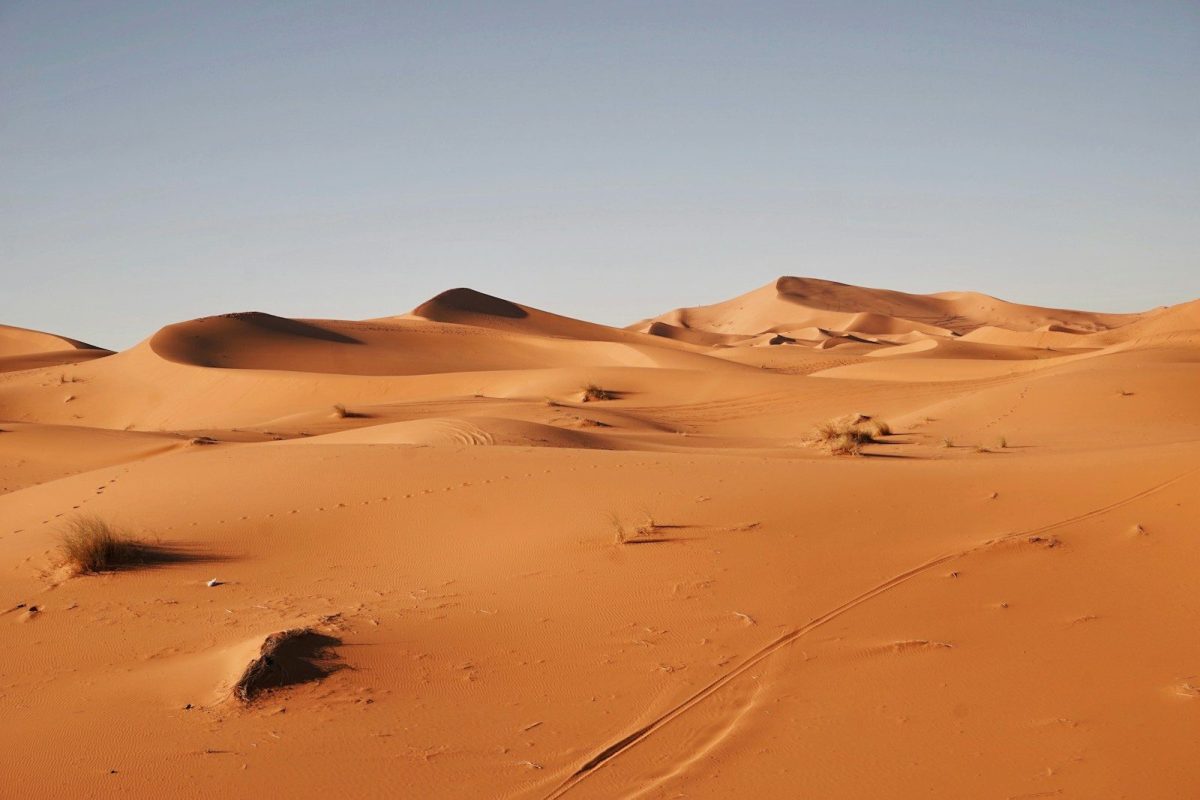
Cell service remains unreliable across large desert regions in 2026. Navigation apps may stop working without warning once travelers leave populated areas behind. Offline maps provide an extra layer of security during remote travel. Physical paper maps also remain useful backups when phones overheat or batteries fail.
Portable chargers and satellite communication devices have become more common among long-distance travelers and hikers. Sharing travel plans with family or friends adds another safety measure. Rescue teams can respond faster when someone knows the planned route and expected return time.
7. Wildlife Encounters Require Caution
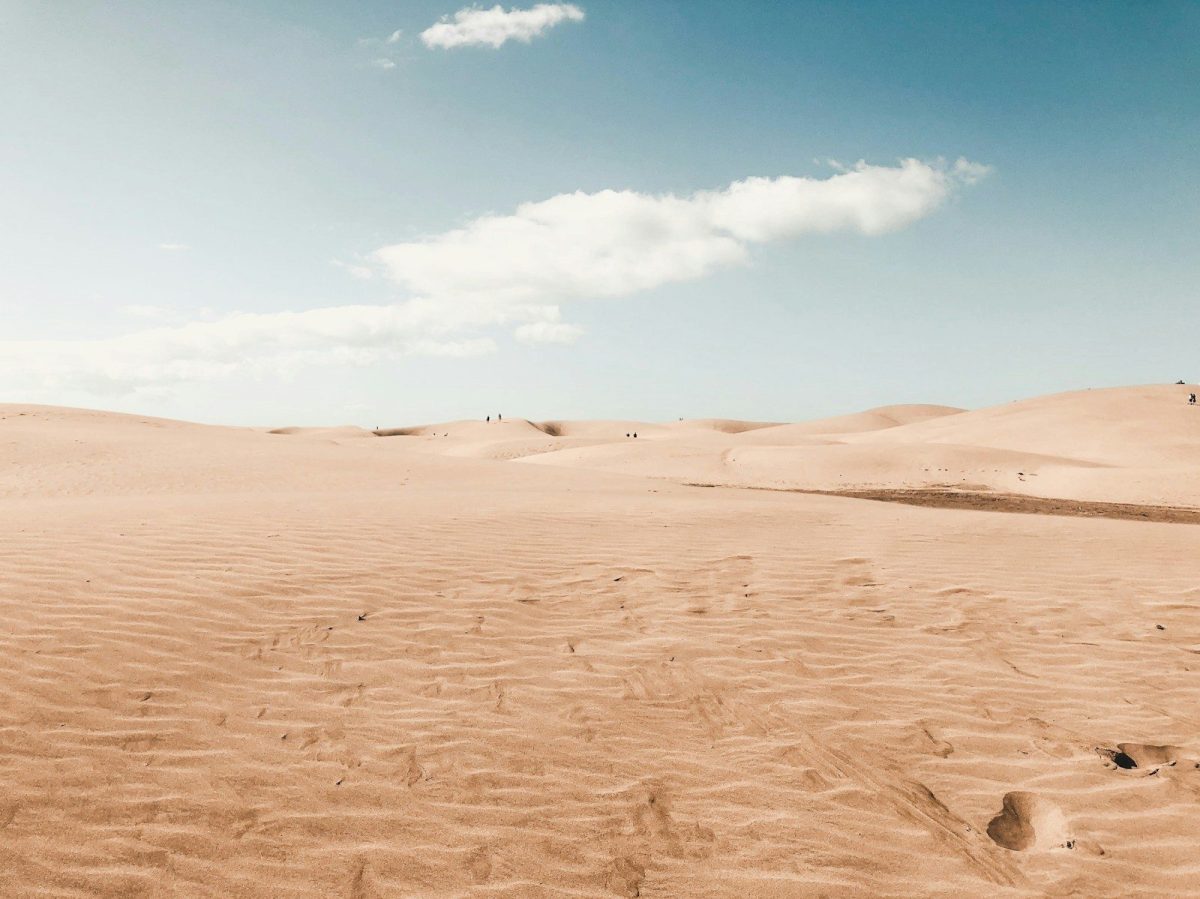
Desert wildlife is built for harsh conditions. Snakes, scorpions, spiders, coyotes, and other animals often stay hidden during the hottest parts of the day. Problems usually happen when travelers move carelessly around rocks, brush, or campsites. Checking shoes, sleeping bags, and gear before use helps prevent painful encounters. Campsites should stay clean because food scraps can attract unwanted animals after dark.
Wildlife photography has become more popular across desert parks and preserves. Maintaining distance protects both animals and visitors. Attempting close contact with wild animals often leads to injuries or damaged ecosystems.
8. Desert Nights Can Become Surprisingly Cold

Many travelers focus only on daytime heat and forget about nighttime temperatures. Some desert regions cool down dramatically after sunset, especially during spring and fall. Warm layers, blankets, and insulated sleeping gear help travelers stay comfortable once temperatures drop. Cold nighttime conditions can become dangerous for people who packed only lightweight clothing.
Visibility also changes after dark. Desert roads may have limited lighting, and wildlife crossings become harder to spot at night. Drivers should reduce speed and stay alert in isolated areas after sunset.
Preparation Creates a Safer Desert Experience
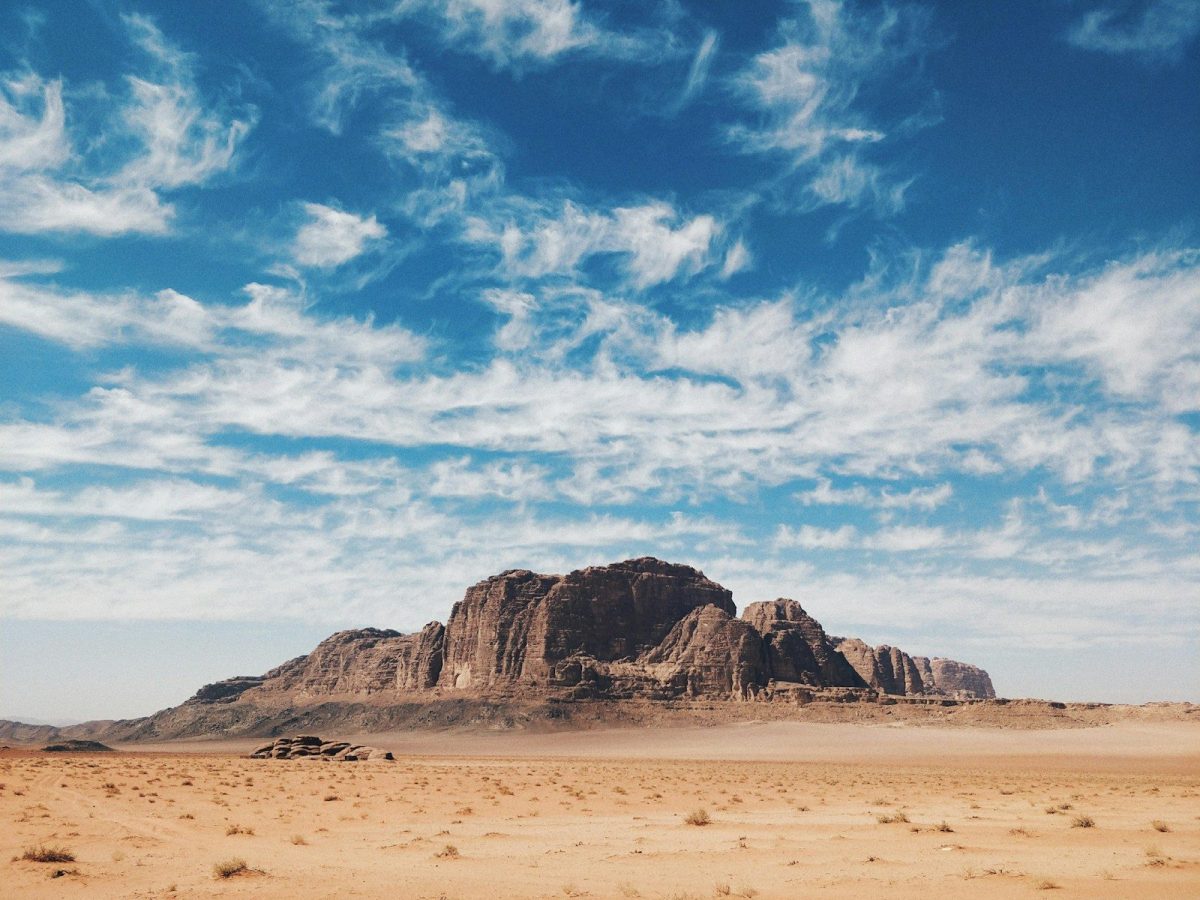
Deserts offer some of the most striking travel experiences in the world. Vast open terrain, clear night skies, and remote natural areas continue to attract travelers searching for adventure in 2026. Preparation remains the best defense against desert dangers.
Carrying enough water, monitoring weather conditions, maintaining vehicles, and understanding the environment reduce the chances of serious problems during a trip. Most desert emergencies begin with preventable mistakes. Careful planning allows travelers to enjoy the experience without turning avoidable risks into dangerous situations.
