
Global travel has never been more accessible, and the friction between tourists and residents has grown harder to ignore as visitor numbers surge worldwide.
Some tension comes down to logistics, some to cultural differences, and a good portion to habits that tourists repeat so reliably that locals recognize them on sight. These are nine of the most common ones.
1. Blocking Sidewalks and Doorways
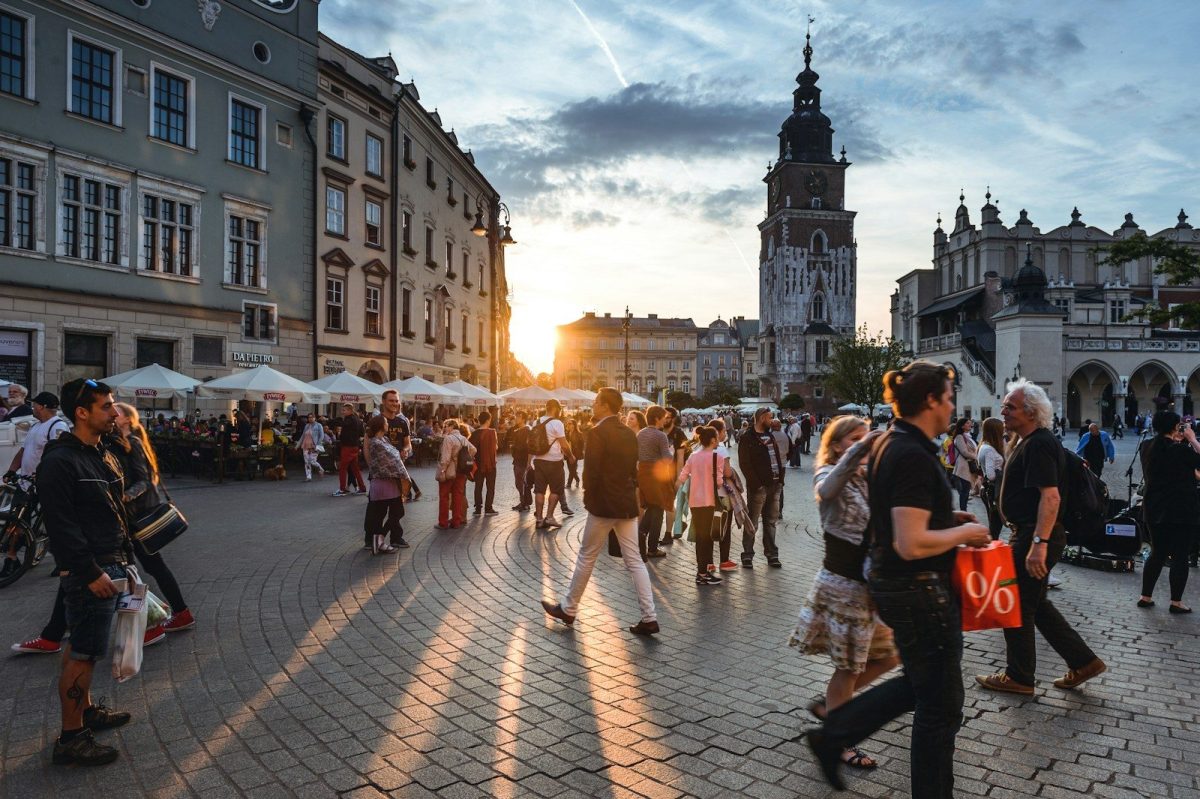
Few things frustrate a local heading to work more than a group of tourists who stop dead in the middle of a busy sidewalk to check a map or set up a photo. In high-traffic cities like Rome, Tokyo, and New York, the pavement is a working thoroughfare.
A sudden cluster of stationary visitors disrupts that flow in ways that ripple outward during rush hour. Step to the side before stopping. Find a wall or doorway alcove that pulls you out of the main pedestrian lane.
2. Talking Loudly in Quiet Spaces
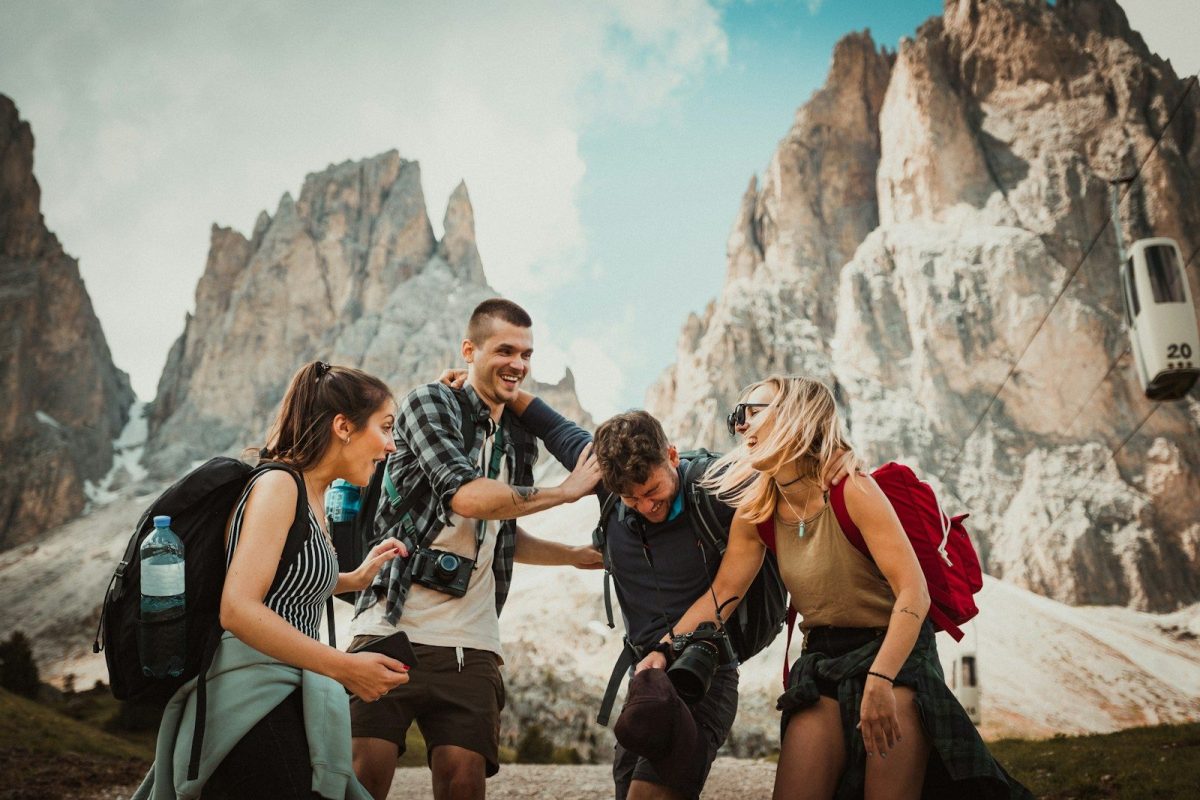
Every culture has places where quiet is expected, sometimes posted on a sign and sometimes just understood by everyone present. Temple interiors, memorial sites, and certain train carriages all fall into this category.
Some tourists treat these spaces like casual restaurants, speaking at full volume without noticing the effect on everyone around them. Volume norms vary sharply by country and context. Watch what the people around you are doing and match it.
3. Ignoring Local Customs Around Tipping

Tipping culture is among the most misunderstood parts of international travel. American tourists who over-tip in Japan can cause genuine embarrassment. Leaving a tip there is often read as condescending, as though the server required a financial bonus to perform a job they take professional pride in.
The reverse creates a different problem. Visitors from countries where tipping is uncommon sometimes leave restaurant staff in the United States significantly short-changed, since many servers there earn a base wage below the standard minimum. A short search before departure removes most of the ambiguity.
4. Photographing People Without Permission
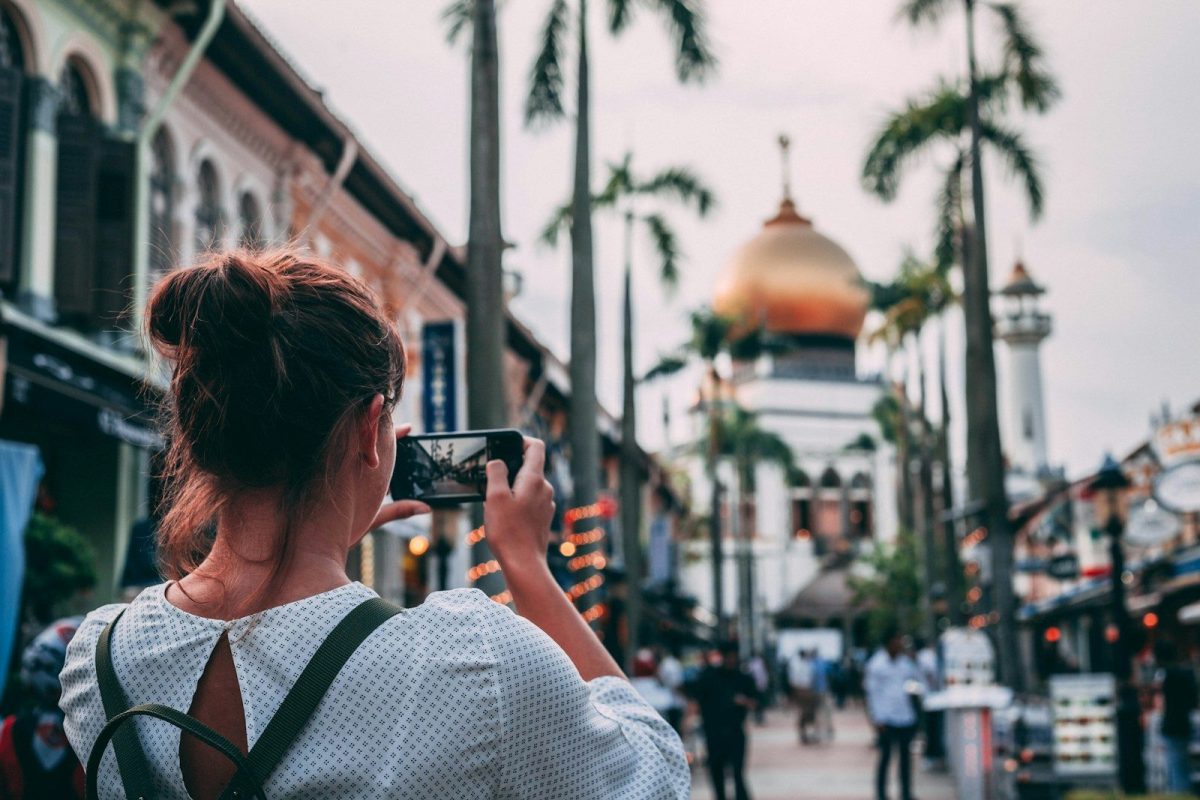
The urge to capture authentic local life has led to a habit of treating residents like background characters. Vendors at open markets, residents in neighborhood streets, and participants in religious ceremonies are not props for a travel album.
A straightforward standard applies: if someone is close enough to photograph clearly, they are close enough to ask. This concern has sharpened in 2026, with AI image manipulation now a widely recognized privacy risk. Learning “May I take your photo?” in the local language, even imperfectly, tends to be received warmly.
5. Complaining That Things Aren’t Like Back Home
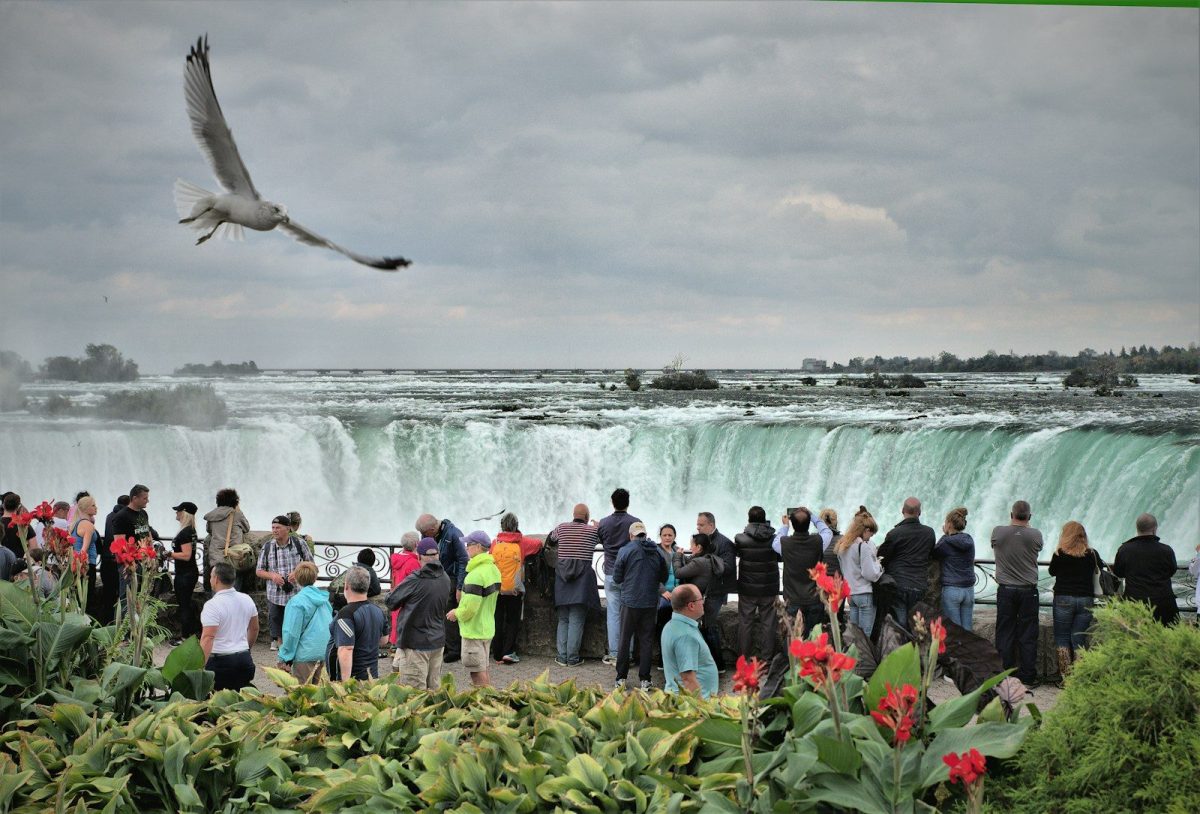
Service workers and bystanders overhear this constantly. Restaurants close earlier than expected. Card readers are not accepted everywhere. The coffee is different. The complaints are rarely delivered quietly, and locals absorb them as a running commentary on the inadequacy of their home.
The cultural norms that tourists find inconvenient are often precisely what makes a destination worth visiting. Adapting to them, or at minimum tolerating them without broadcasting frustration, is a basic expectation of being a guest somewhere.
6. Touching Things That Aren’t Meant to be Touched
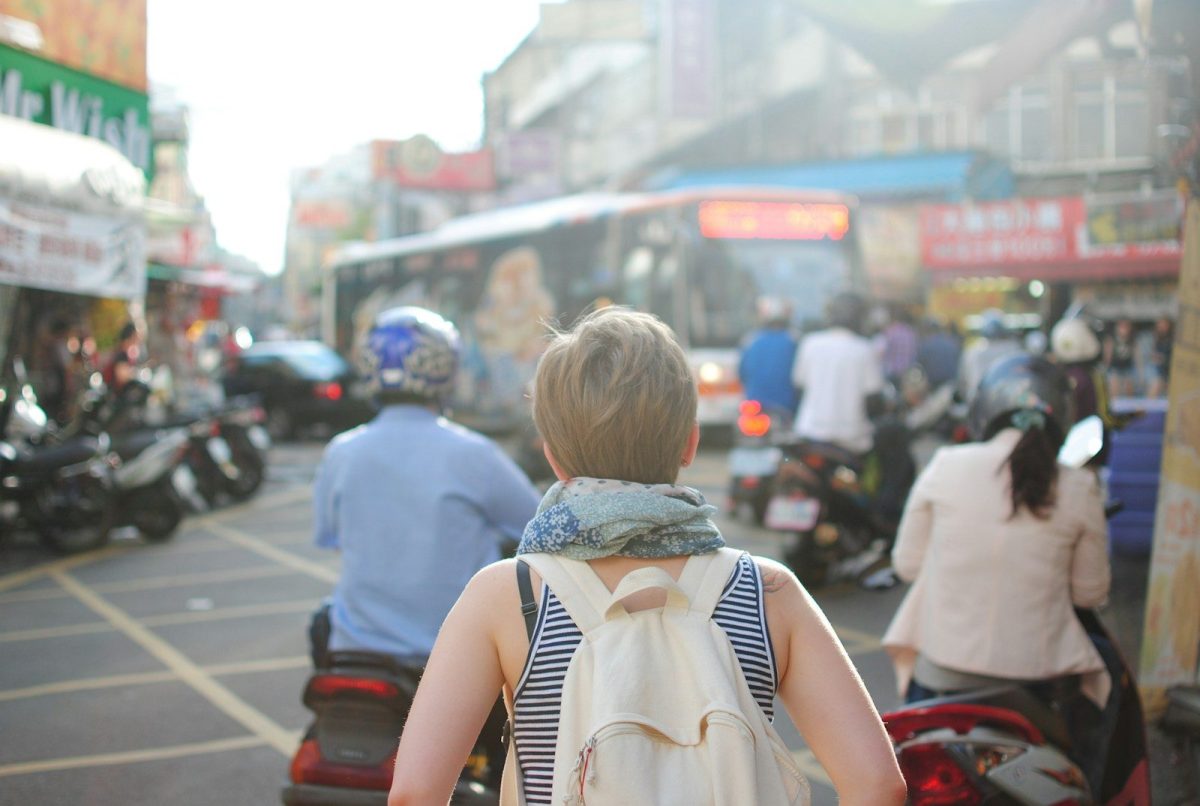
Ancient ruins, religious objects, and sacred natural features have all been subjected to tourist hands at a scale that causes measurable damage. The oils in human skin degrade stone and deteriorate old pigments over time. Millions of hands per year leave a cumulative mark that accelerates deterioration well beyond what time alone would cause.
Several major heritage sites have installed new barriers specifically because visitors would not stop making contact with surfaces that were never meant to be touched. The default position should be hands off unless a sign explicitly invites contact.
7. Assuming Everyone Speaks English
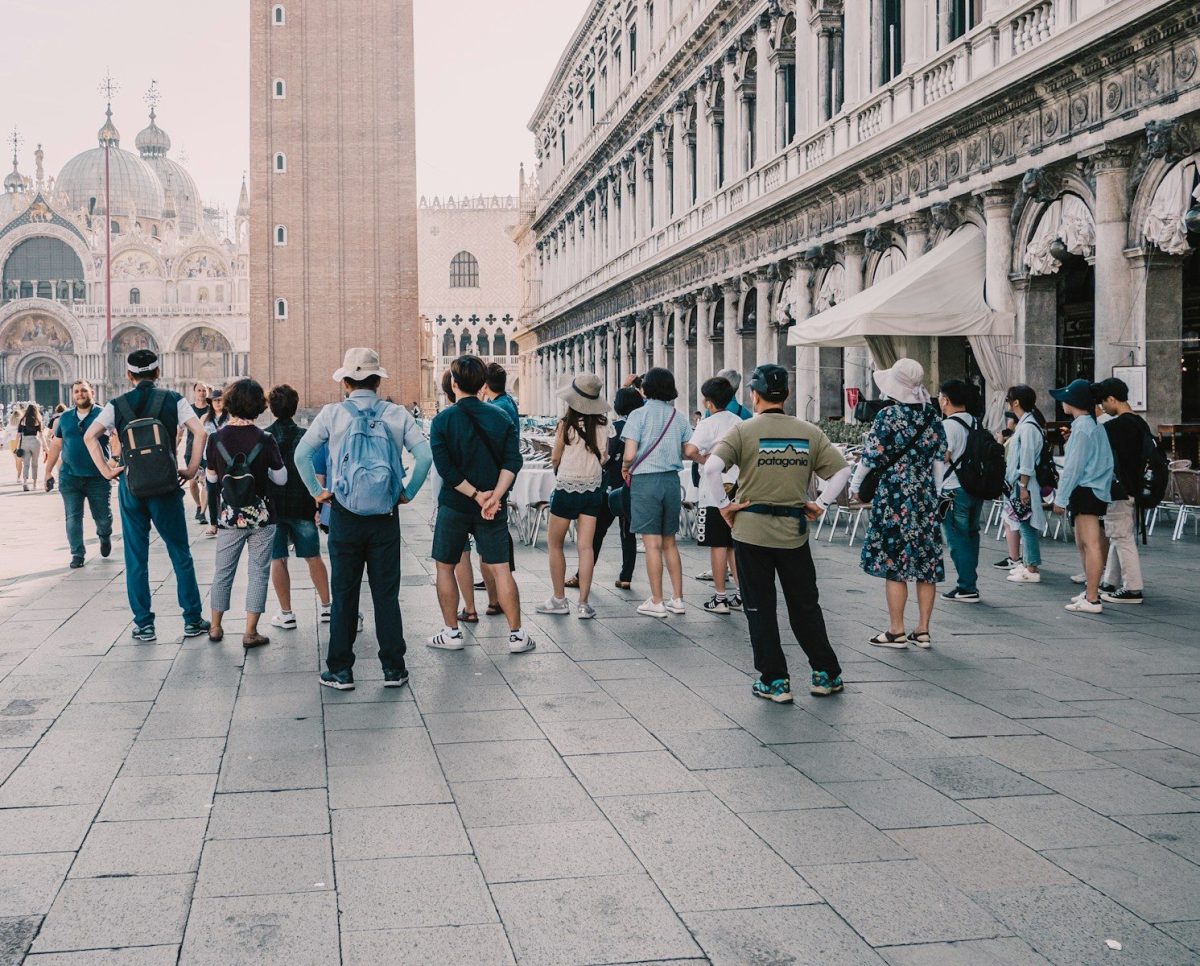
English is spoken widely but not universally, and defaulting to it immediately without any gesture toward the host language is something locals across Europe, Asia, and Latin America notice and remember. No one expects tourists to be fluent in a language they have not studied.
A tourist who opens with a basic local greeting before switching to English is received entirely differently from one who leads with demands and expresses impatience when not understood. Five phrases cover most situations: hello, please, thank you, excuse me, and some version of “do you speak English?”
8. Dressing Inappropriately for the Setting

Entering a mosque in shorts or walking through a conservative neighborhood in beachwear signals to locals that the visitor did not look up where they were going.
Several destinations, including coastal towns in Italy and temple complexes in Thailand, have increased dress code enforcement in recent years, with fines and denied entry becoming more common. A lightweight scarf that covers shoulders and knees takes up almost no space in a bag and solves the problem before it starts.
9. Leaving a Trail of Litter
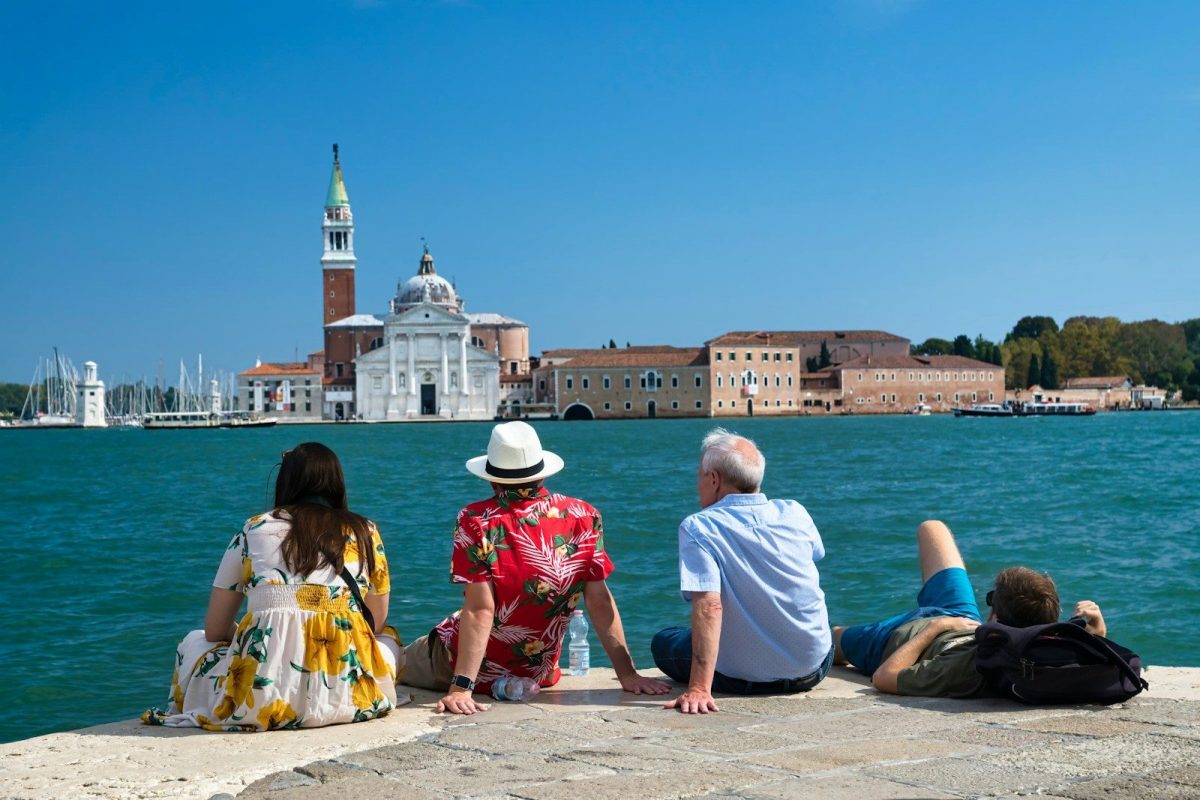
Locals who live near popular sites bear the cleanup cost long after visitors leave. Beaches across Bali, trails near Everest base camp, and stretches of the Amalfi Coast have all required large-scale cleanups driven directly by tourist waste.
Some governments now collect environmental levies from visitors specifically to fund those operations. Carrying a small bag for personal trash and holding onto it until a bin is available costs nothing and changes the experience for everyone who arrives after.
