
Beneath the geysers and sprawling meadows of Yellowstone National Park sits one of the most powerful volcanic systems on Earth. The Yellowstone Caldera, a supervolcano covering roughly 1,500 square miles across Wyoming, Montana, and Idaho, last erupted at full supervolcanic scale about 640,000 years ago.
Scientists consider a full supervolcanic eruption extremely unlikely in our lifetimes. Smaller hydrothermal blasts are a different matter. Travel across the United States depends heavily on functional infrastructure, clean air, and open roads. Even a moderate eruption could reshape how Americans move around the country for years. These are nine ways that could play out.
1. Ash Clouds Would Ground Flights Across Much of the Country
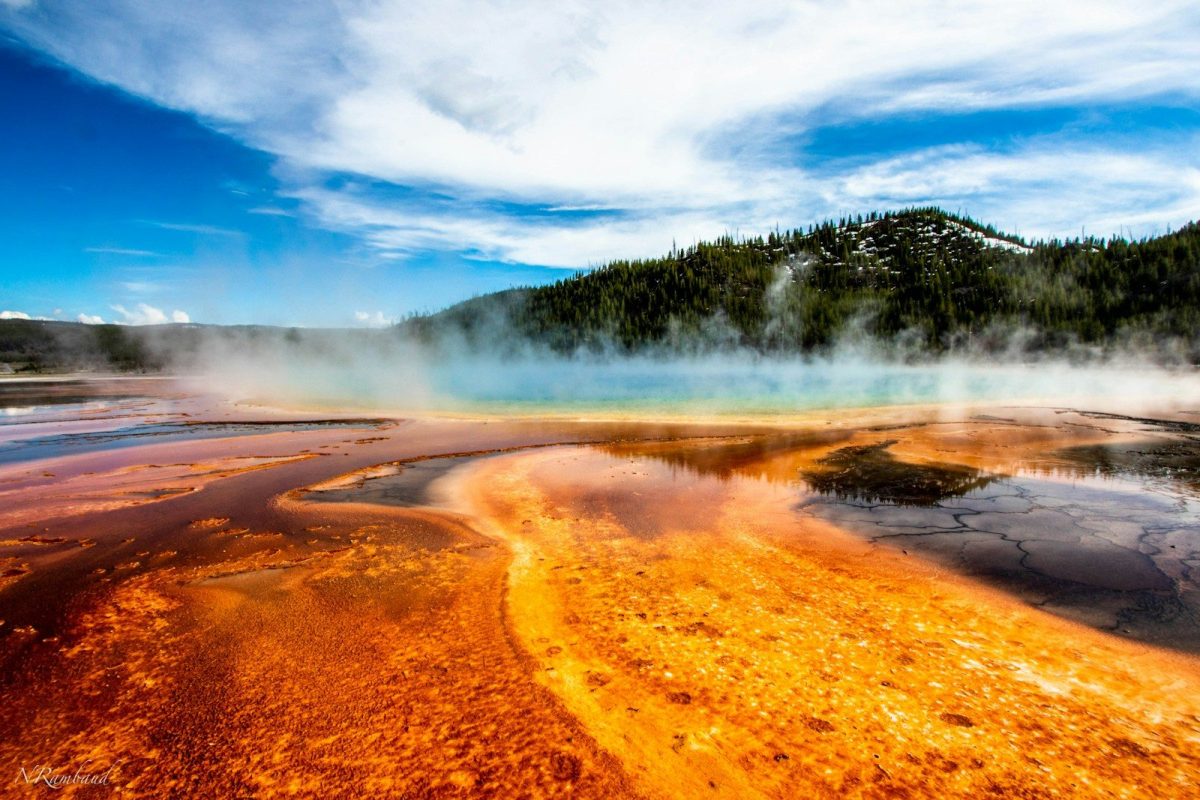
Volcanic ash consists of tiny jagged particles of pulverized rock capable of destroying jet engines within minutes. A serious Yellowstone eruption would send ash high into the atmosphere, carried eastward by prevailing winds.
Major hubs including Denver, Salt Lake City, and Dallas Fort Worth could face extended closures. The disruption would likely exceed Iceland’s Eyjafjallajökull eruption in 2010, which grounded over 100,000 flights across Europe in six days and cost airlines an estimated $1.3 billion. Yellowstone holds roughly 1,000 times the volcanic material. Booking flexibility and travel insurance would shift from optional extras to basic necessities.
2. Highways and Interstates Would Become Impassable
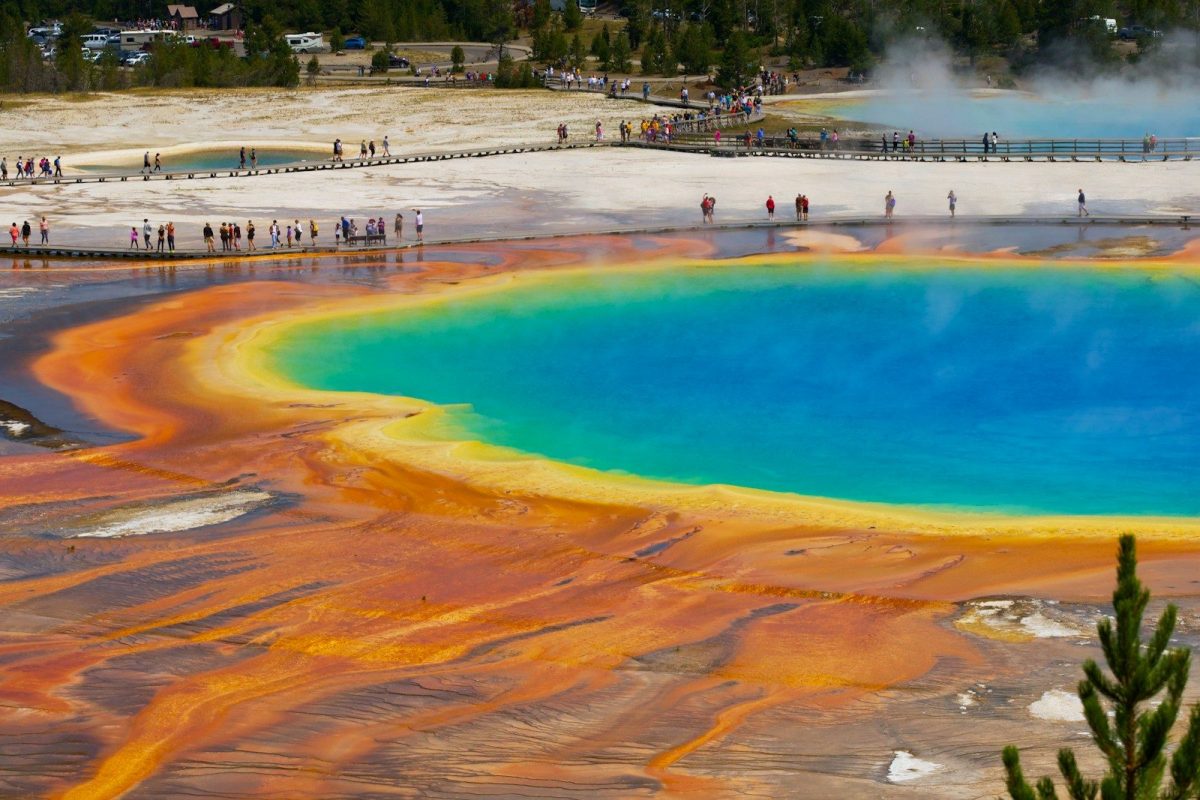
As little as one inch of volcanic ash makes roads as slippery as black ice, clogs vehicle air filters, and reduces visibility to near zero. Critical western corridors including I-90, I-80, and I-15 would likely face closures for weeks, cutting off communities that depend on a handful of highways for supplies and movement.
Road trips through the Rockies and the northern plains would be off the table entirely until crews cleared ash deposits and engineers confirmed bridges and overpasses were structurally sound.
3. Yellowstone and Neighboring Parks Would Close Indefinitely
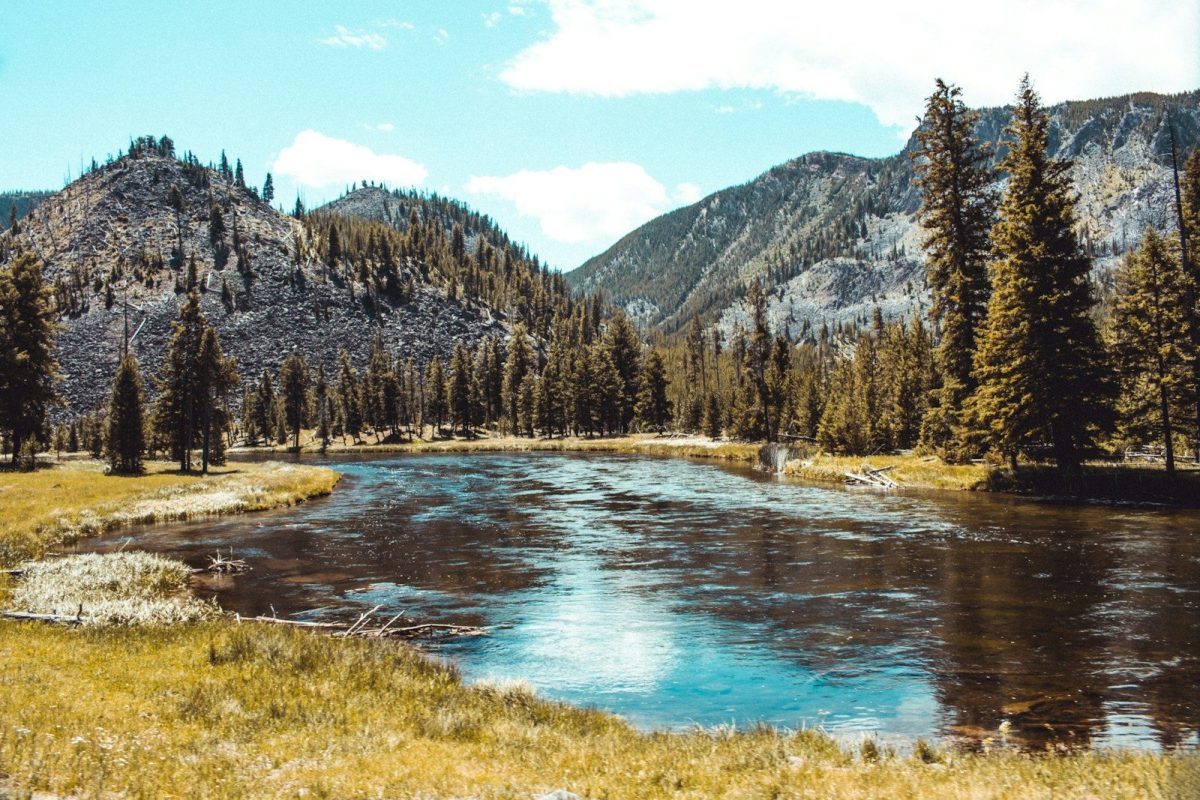
Yellowstone draws around four million visitors per year. Grand Teton, just to the south, adds another 3.5 million. An eruption would trigger immediate evacuation and indefinite closure of both parks.
Gateway towns like Jackson, Wyoming, and Gardiner, Montana, rely almost entirely on tourism. Jackson Hole’s local economy generates over one billion dollars annually from visitors alone. A prolonged closure would threaten thousands of jobs with no clear recovery timeline. Glacier National Park and the Beartooth Highway could face ash-related closures as well, effectively wiping out an entire summer season of western outdoor recreation.
4. Sulfur Dioxide Would Make Outdoor Travel Dangerous Nationwide
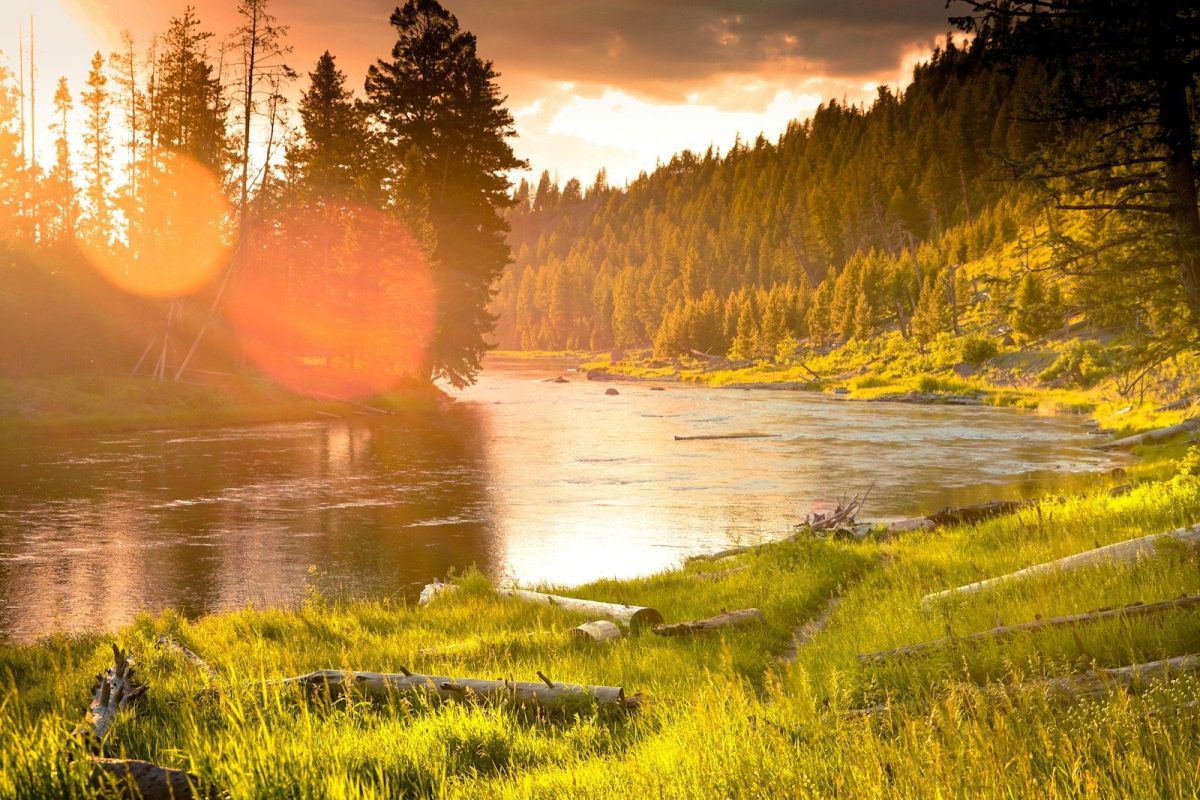
Volcanic eruptions release large quantities of sulfur dioxide, a toxic gas that irritates the lungs and becomes life-threatening at high concentrations. It combines with atmospheric moisture to form sulfuric acid aerosols capable of traveling thousands of miles downwind.
Hiking, outdoor festivals, and stadium events could face restrictions well beyond the blast zone. Cities as far as Chicago or Minneapolis could experience air quality warnings for weeks. Disruptions of this kind carry no firm end date and no easy rerouting option.
5. Rail Would Become Both a Lifeline and a Bottleneck
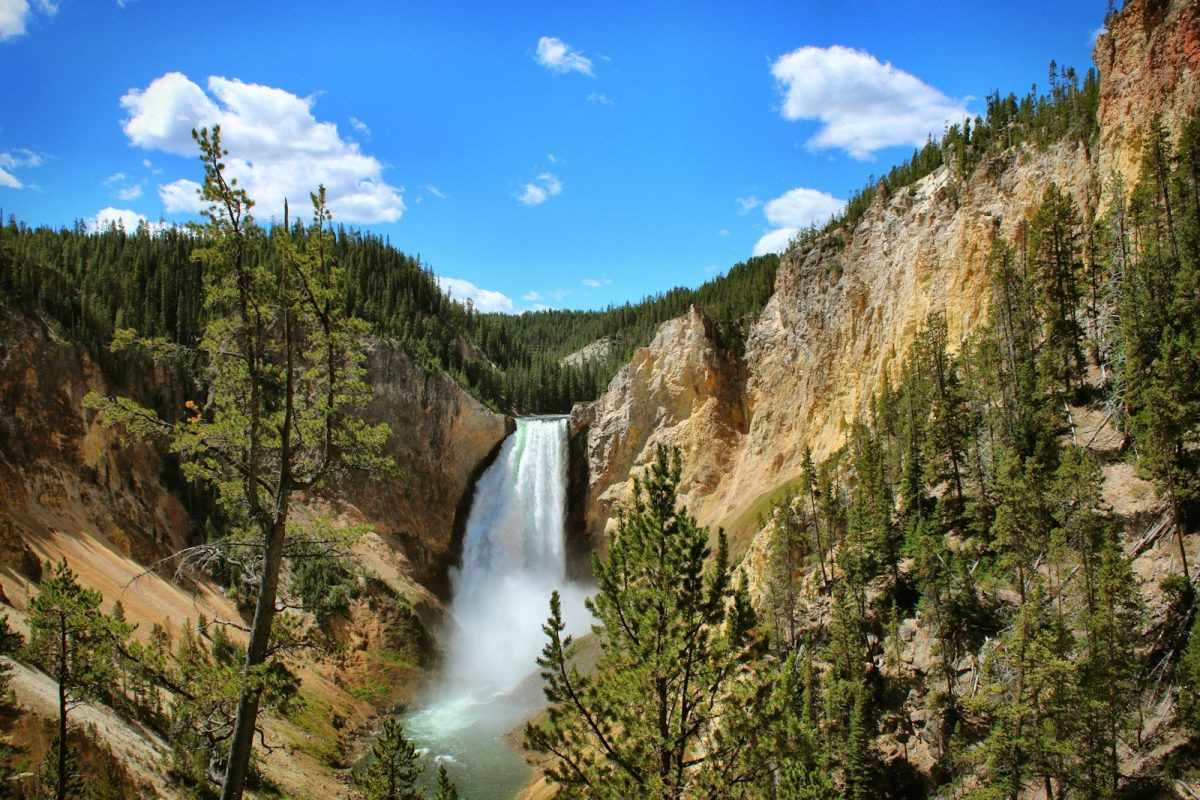
With flights grounded and roads closed, rail would become the most viable way to move people across long distances. Amtrak routes like the Empire Builder and the California Zephyr would face enormous demand spikes. American intercity rail is not built for surge capacity.
Tracks through ash-affected zones would require constant inspection, delays would compound, and ticket prices would climb. Bus networks would face the same pressure simultaneously.
6. International Visitors Would Cancel in Large Numbers
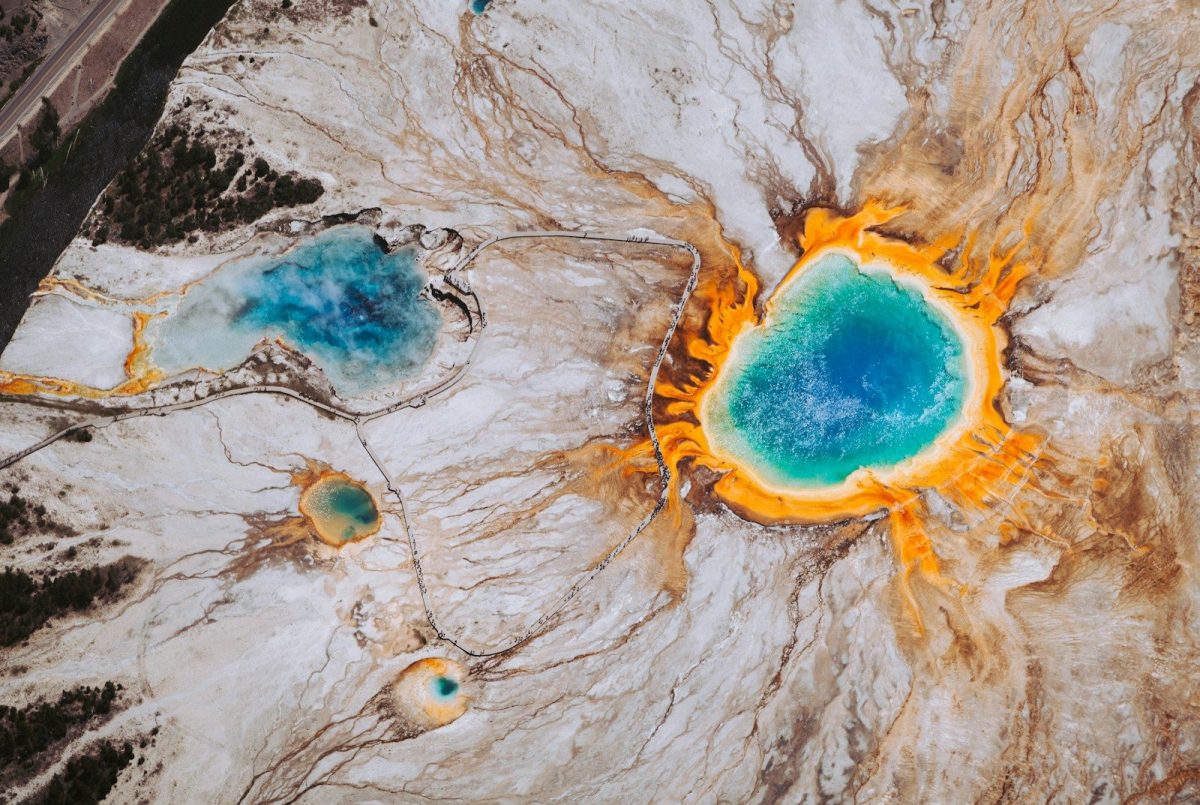
The United States welcomed roughly 77 million international visitors in 2024, generating over $180 billion in travel spending. Live footage of a volcanic plume over America’s most famous national park would dominate global news. Travelers with bookings in unaffected cities like Miami or New York would cancel out of uncertainty.
Travel sentiment research consistently shows that perceived danger suppresses tourism even hundreds of miles from an actual threat. Hotel bookings would fall. Cruise itineraries would be revised.
7. Fuel and Food Shortages Would Complicate Movement
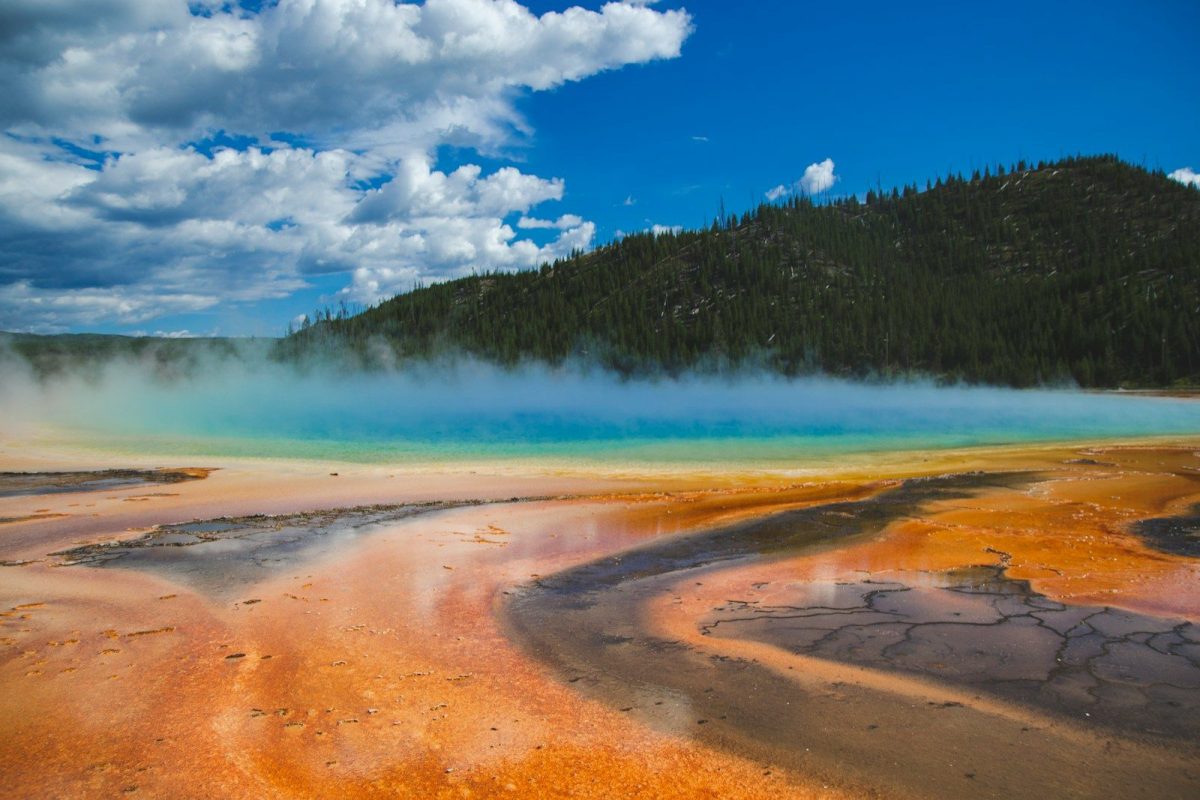
Approximately 30 percent of American wheat production comes from states within the ash-risk zone. Fuel pipelines running through the region could face operational halts, leaving gas stations along western corridors dry.
Travelers could find themselves with a vehicle and a destination but without the fuel to close the gap. Recovery logistics typically take months to normalize after disruptions of this scale.
8. Travel Insurance Would Be Transformed
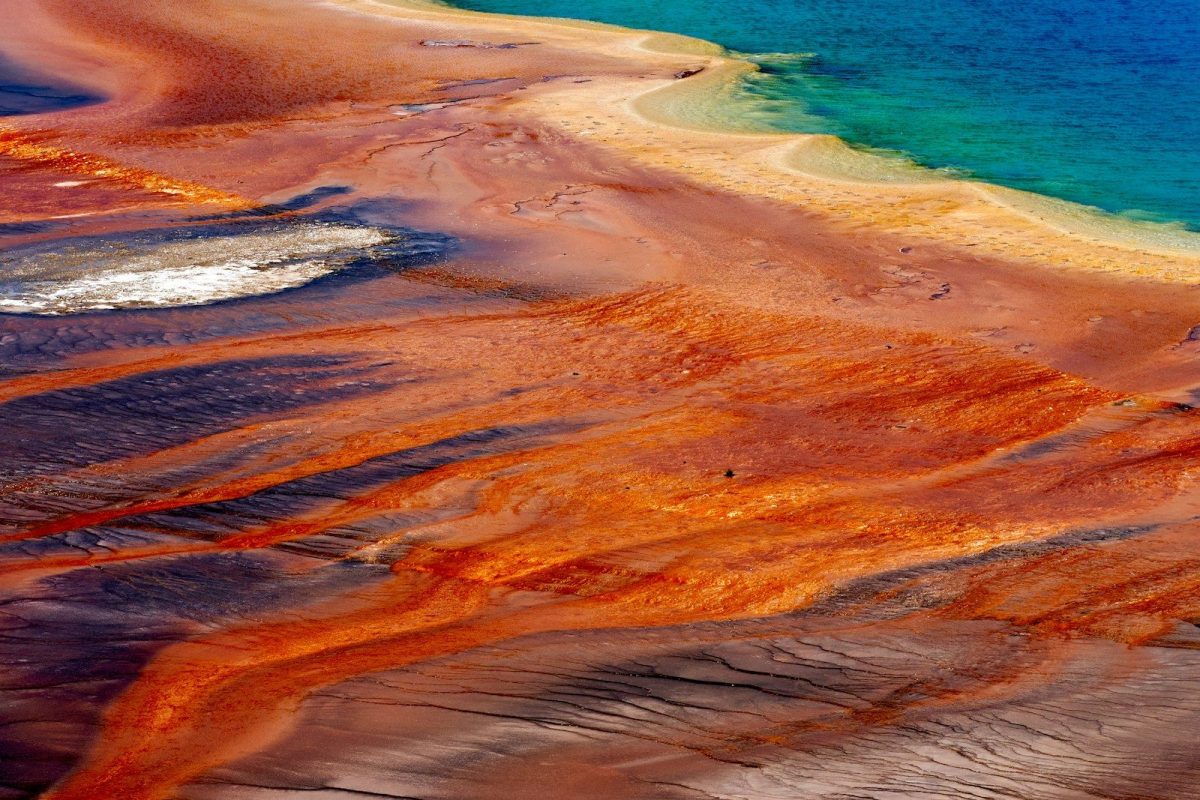
Most standard policies exclude volcanic eruptions as a covered event. A Yellowstone eruption would expose millions of travelers to unrecovered losses and force a structural reset across the industry.
Demand for cancel-for-any-reason policies would surge. Premiums for western U.S. travel would rise. Airlines and hotels would face pressure to offer flexible booking terms as a baseline expectation rather than a premium feature.
9. Some Destinations Would Actually Benefit
Mount St. Helens, which erupted in 1980, became one of the most visited sites in the Pacific Northwest. Iceland’s Reykjanes Peninsula eruptions, ongoing since 2021, increased tourist arrivals during multiple periods rather than reducing them. A stabilized Yellowstone event could eventually generate volcanic tourism through observation areas and geology tours.
Destinations far outside the affected zone, including Florida, the Southeast, and New England, would likely see a measurable uptick in domestic travel as Americans redirected summer plans. A Yellowstone supervolcanic eruption remains an extremely low-probability event. The disruptions a moderate event would produce are worth understanding for anyone building long-term travel plans in an era of increasing natural hazard awareness.
