
Long before the interstate highway or the budget airline, the train was how America told its own story. In 2026, riding the rails is less about getting somewhere and more about experiencing everything in between.
From the Pacific coastline to the Rocky Mountains, from the Deep South to the Great Plains, these eight routes offer something that flying never can: the unhurried pleasure of watching a continent unfold outside your window.
Why Train Travel Is Having Its Moment
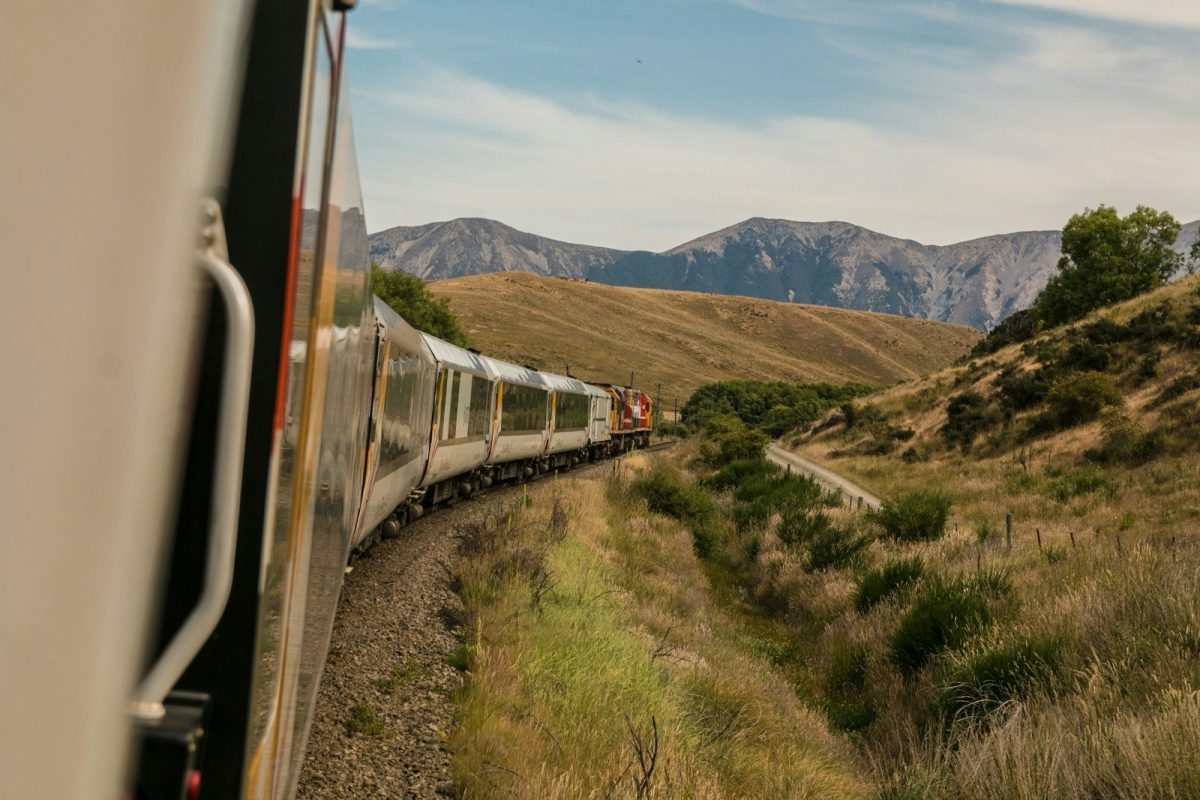
Amtrak ridership broke records in fiscal year 2025, with nearly 33 million passengers, and that momentum has carried into 2026. The rise of remote work has turned long-distance trains into rolling offices.
A sleeper car is no longer a luxury reserved for retirees. It has become a genuine alternative for anyone who wants to arrive somewhere having actually experienced the miles between. You share a dining car with strangers who become acquaintances by morning. You wake up in a different landscape than the one you fell asleep in.
1. California Zephyr, Chicago to San Francisco
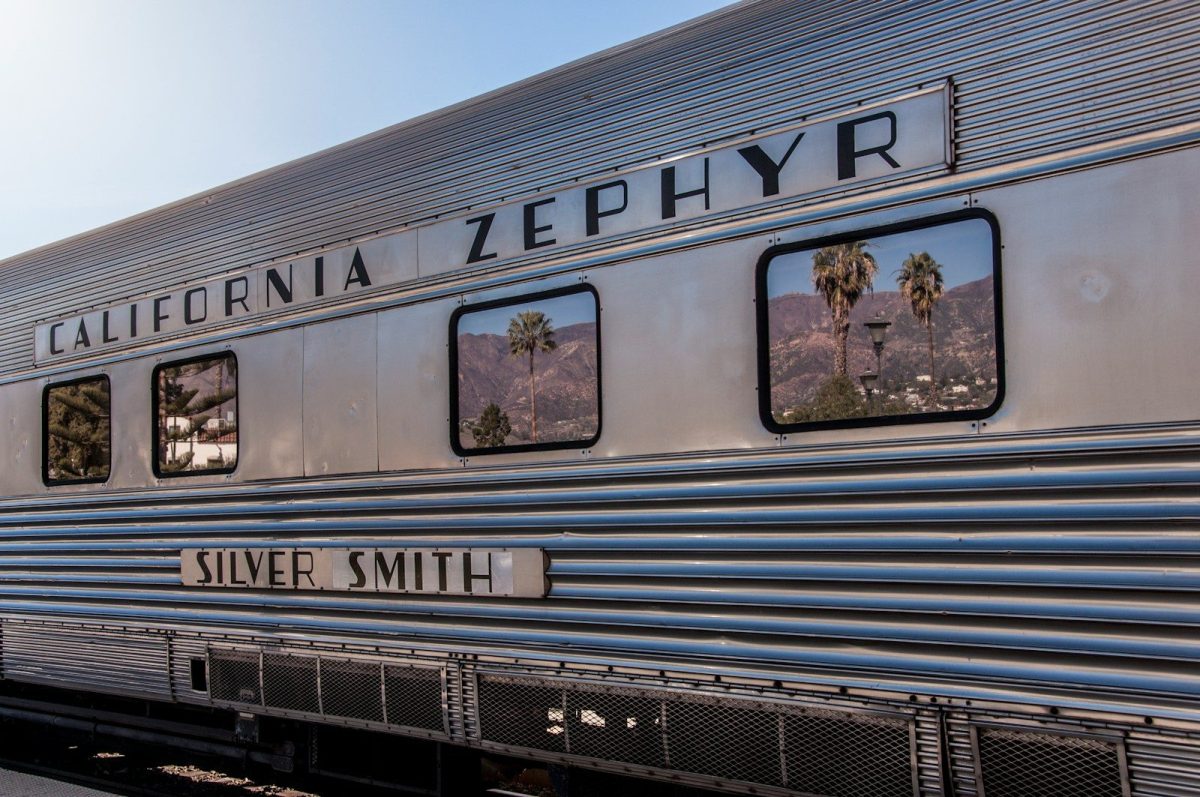
The California Zephyr is widely considered the crown jewel of American rail travel. The train climbs into the Colorado Rockies, passes through the Moffat Tunnel at over 9,000 feet, and skirts the edge of Glenwood Canyon before crossing the Sierra Nevada into California.
The final approach into the Bay Area, winding through the mountains above Sacramento, is a fittingly dramatic close to an already extraordinary two days.
2. Coast Starlight, Seattle to Los Angeles
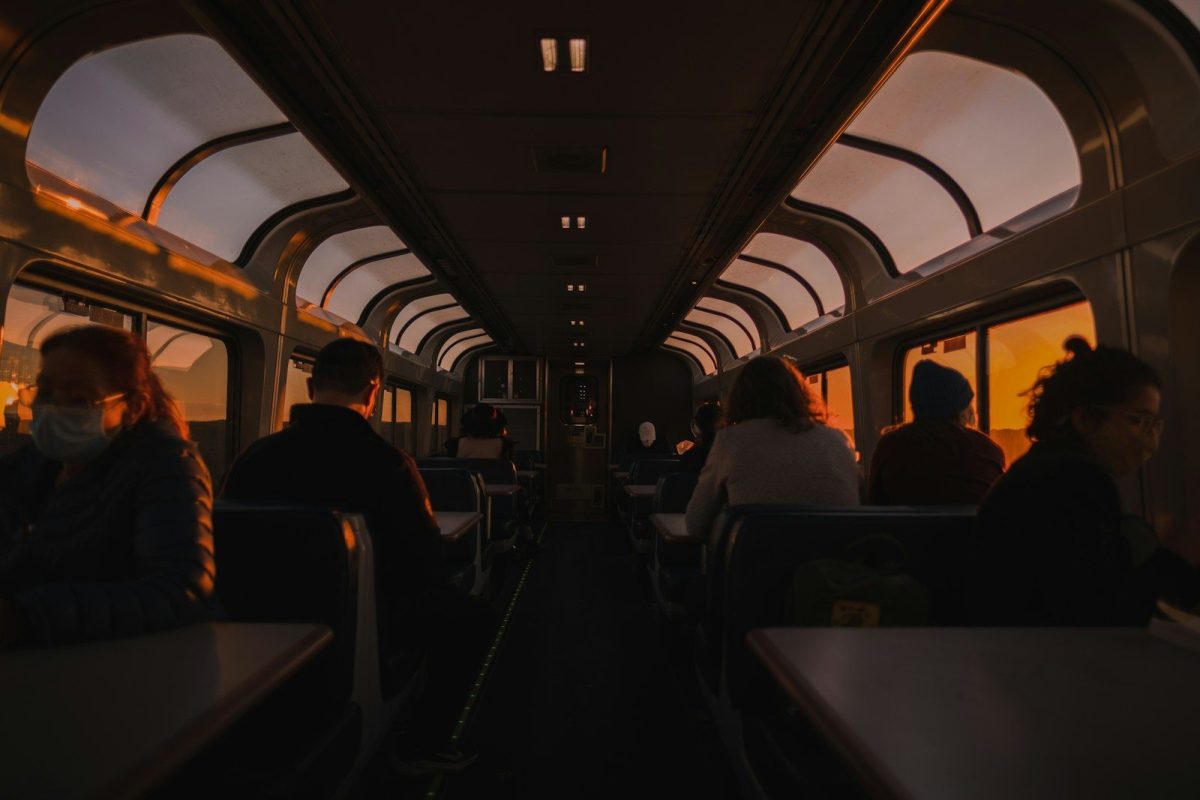
Out of Seattle, the train passes Mount Rainier before continuing south through Oregon’s Willamette Valley with Mount Shasta as a near-constant presence.
The California leg brings vineyard-covered hills along the Central Coast, followed by a legendary run near Santa Barbara where the tracks sit just yards from the Pacific surf. Union Station in Los Angeles marks the end of one of the most scenically varied rail routes in the world.
3. Empire Builder, Chicago to Seattle or Portland

The Empire Builder crosses the northern Great Plains before tracing the southern boundary of Glacier National Park, edging along the Continental Divide through valleys where mountain goats graze on hillsides above the tracks.
The train splits in Spokane, with one section headed to Seattle and the other to Portland, making it possible to combine both cities on a single round trip.
4. Southwest Chief, Chicago to Los Angeles
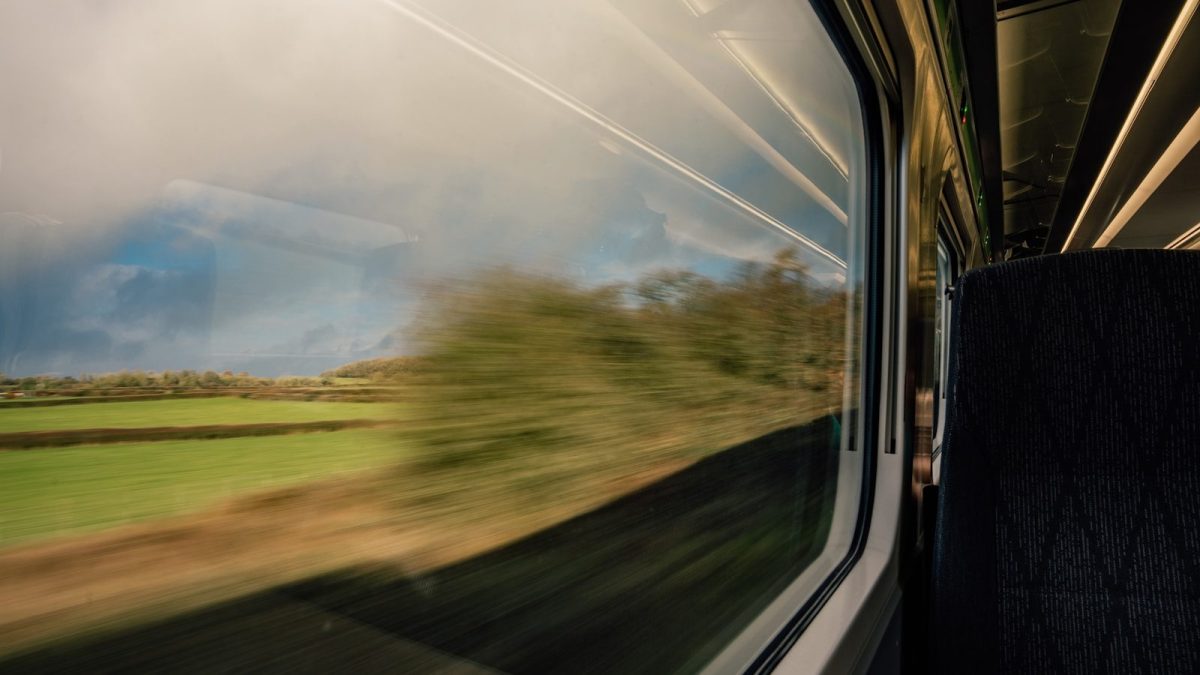
The Southwest Chief climbs into New Mexico through Raton Pass, where the terrain shifts from amber grassland to high desert mesa.
Arizona arrives with red rock formations near Winslow and a desert floor stretching toward the horizon in every direction. Native American artisans often board at Albuquerque and sell jewelry and crafts directly to passengers, a tradition that has been part of this route for decades.
5. Sunset Limited, New Orleans to Los Angeles
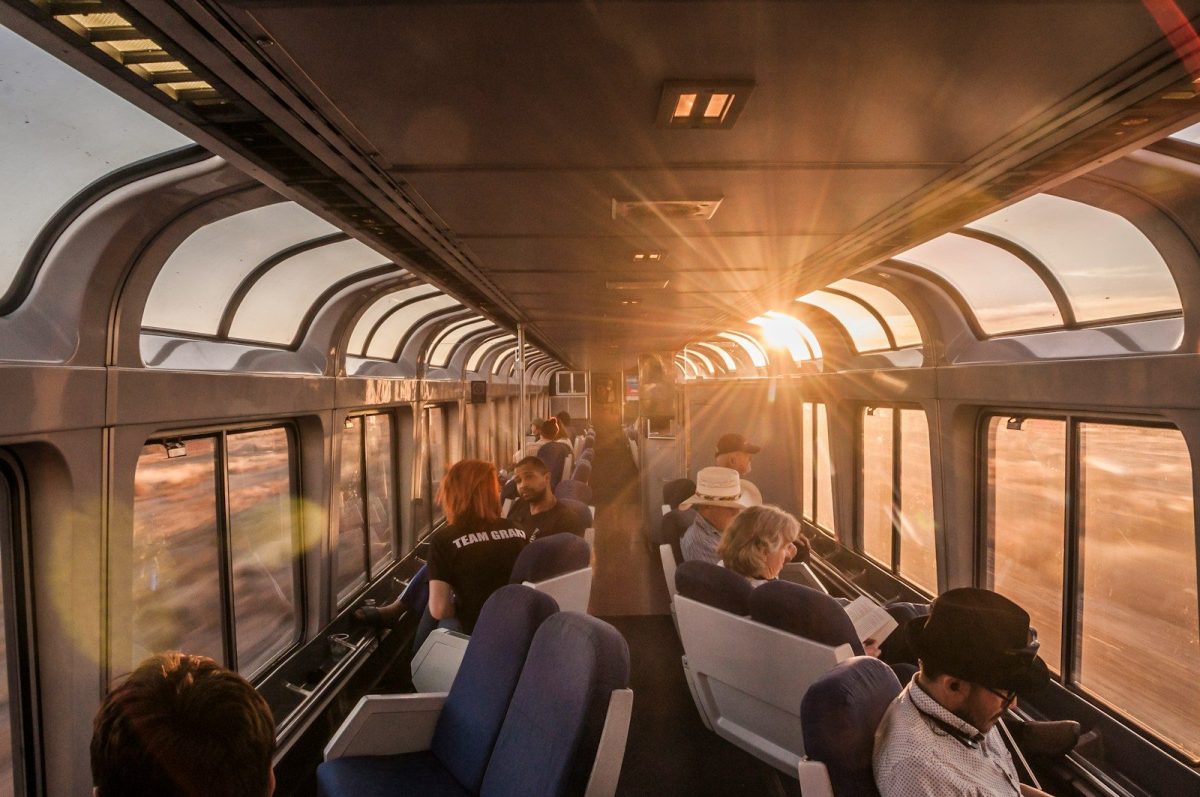
America’s oldest named train still in operation moves through cypress swamps, the Texas Gulf Coast, and the enormous open terrain of West Texas before reaching the El Paso border region, where the Rio Grande runs just below the tracks.
The saguaro cactus forests of the Sonoran Desert signal the final leg before Los Angeles. This route rewards those who lean into the pace.
6. The Cardinal, New York to Chicago
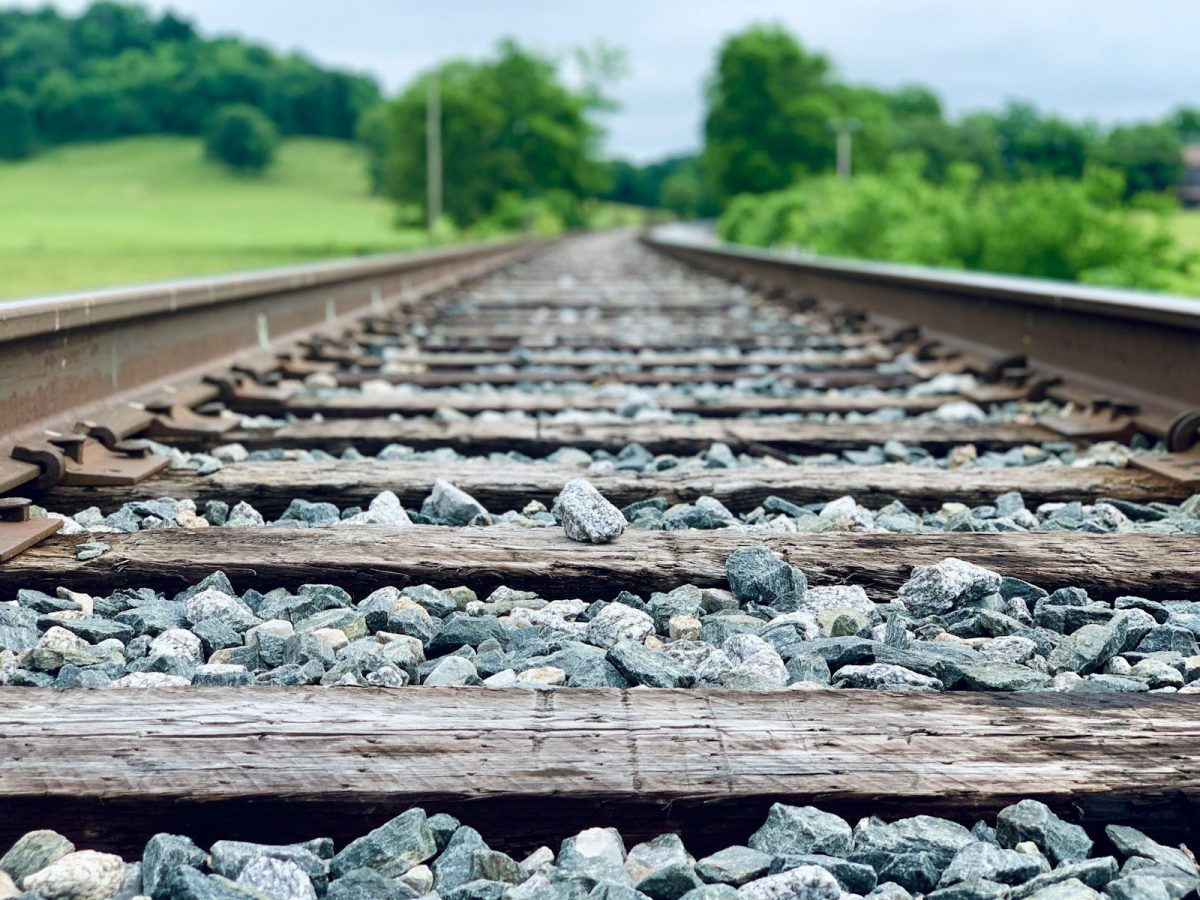
The Cardinal cuts through the New River Gorge in West Virginia, a 1,000-foot-deep canyon carved by one of the oldest rivers on the continent, before continuing through Kentucky horse country into Chicago.
It is a quieter route, less celebrated than the western journeys, but the eastern interior of this country holds landscapes as breathtaking as anything in the Rockies.
7. The Adirondack, New York to Montréal
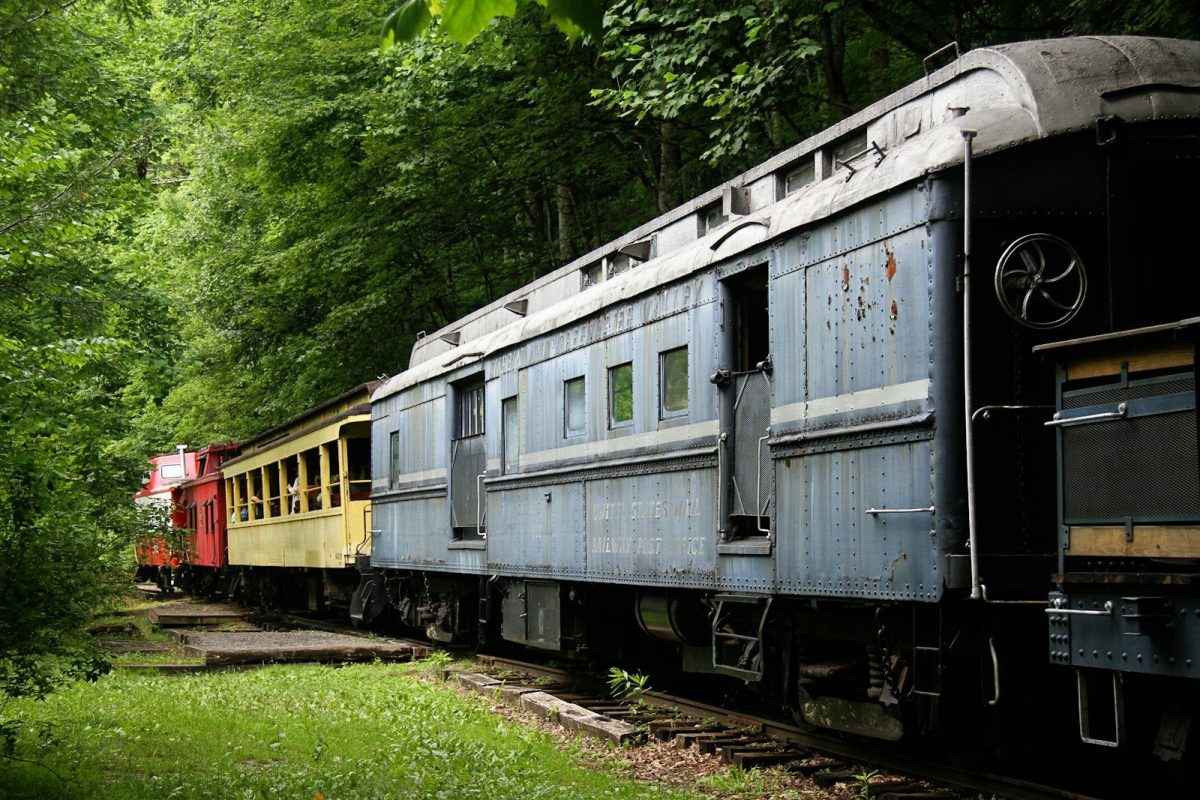
The Adirondack follows the Hudson River past the estates of the Hudson Valley before turning north into the Adirondack Mountains and crossing into Quebec.
Arriving in Montréal’s Gare Centrale, with French signage replacing English and the city’s distinct architecture coming into view, makes for one of the more satisfying arrival experiences on the entire network.
8. The Crescent, New York to New Orleans
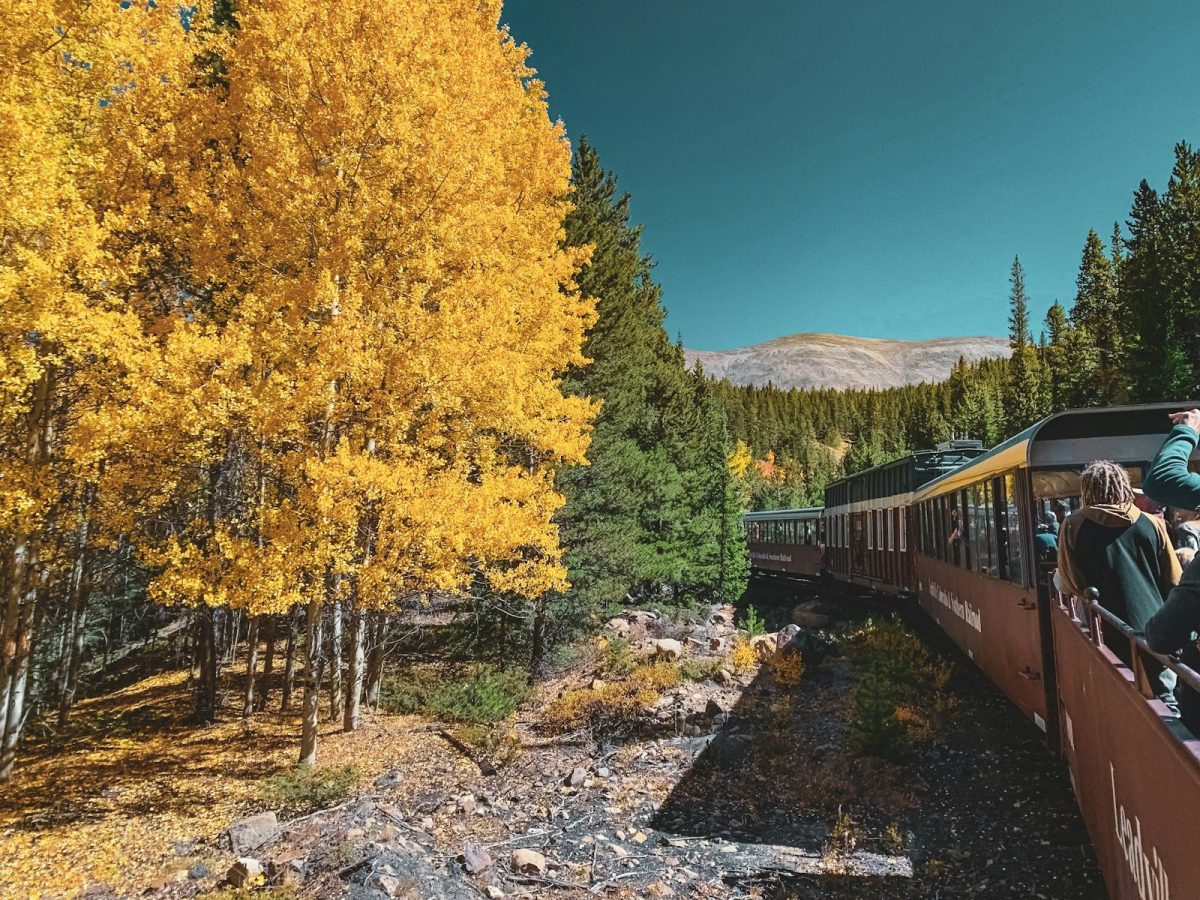
The Crescent moves south through Virginia and the Carolinas before pushing deeper into the region through Alabama and Mississippi. Spanish moss hangs from live oaks.
The architecture shifts toward the French, Spanish, and Caribbean blend that defines New Orleans and exists nowhere else in the country. Stepping off the train in Louisiana, with warm Gulf air rushing through the open doors, is one of the great arrival experiences in American travel.
