
There is a point on any long train journey where the trip stops feeling like transit and starts feeling like a little holiday all on its own. Train rides are special. They are quiet and relaxing while giving people the chance to see some of the most beautiful areas that they would not be able to see anywhere else. There is nothing like a great train ride.
These nine routes cross six continents and offer scenery, solitude, and arrivals that are worth remembering. Pack your bags, grab a comfortable window seat, and rethink how you get from one place to another.
1. The Glacier Express
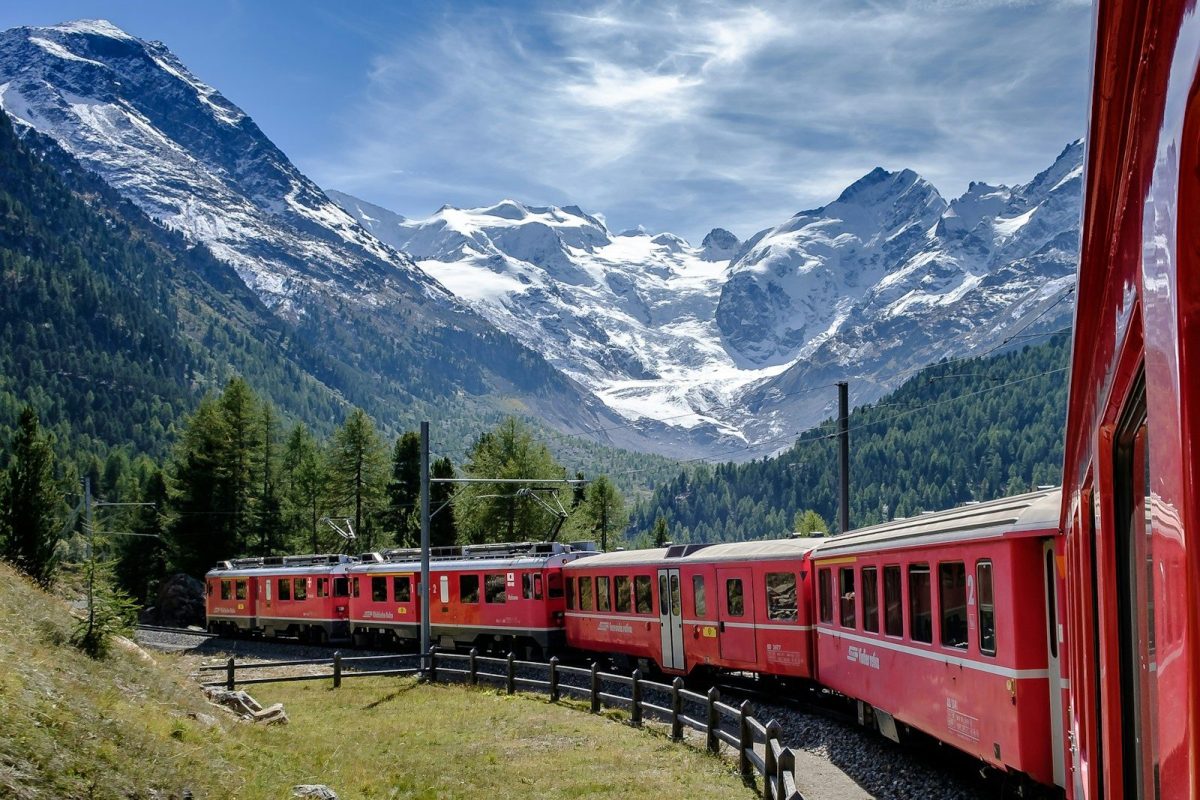
Marketed as the world’s slowest express train, the Glacier Express takes around eight hours to cover just under 180 miles, and every minute of that time is really special. The route travels through 91 tunnels, crosses 291 bridges, and climbs to the Oberalp Pass at nearly 6,700 feet. Panoramic windows stretch up into the roof carriage, showing Alps just beside you and even above you.
In 2025, the operators introduced a new dining car with a seasonally rotating Swiss menu. The Excellence Class carriage, for those with room in the budget, includes sommelier service, personalized route commentary, and a four-course meal. Outside, medieval villages, frozen gorges, and the Rhine Gorge pass by at a pace slow enough to actually absorb them.
2. The Bergen Railway
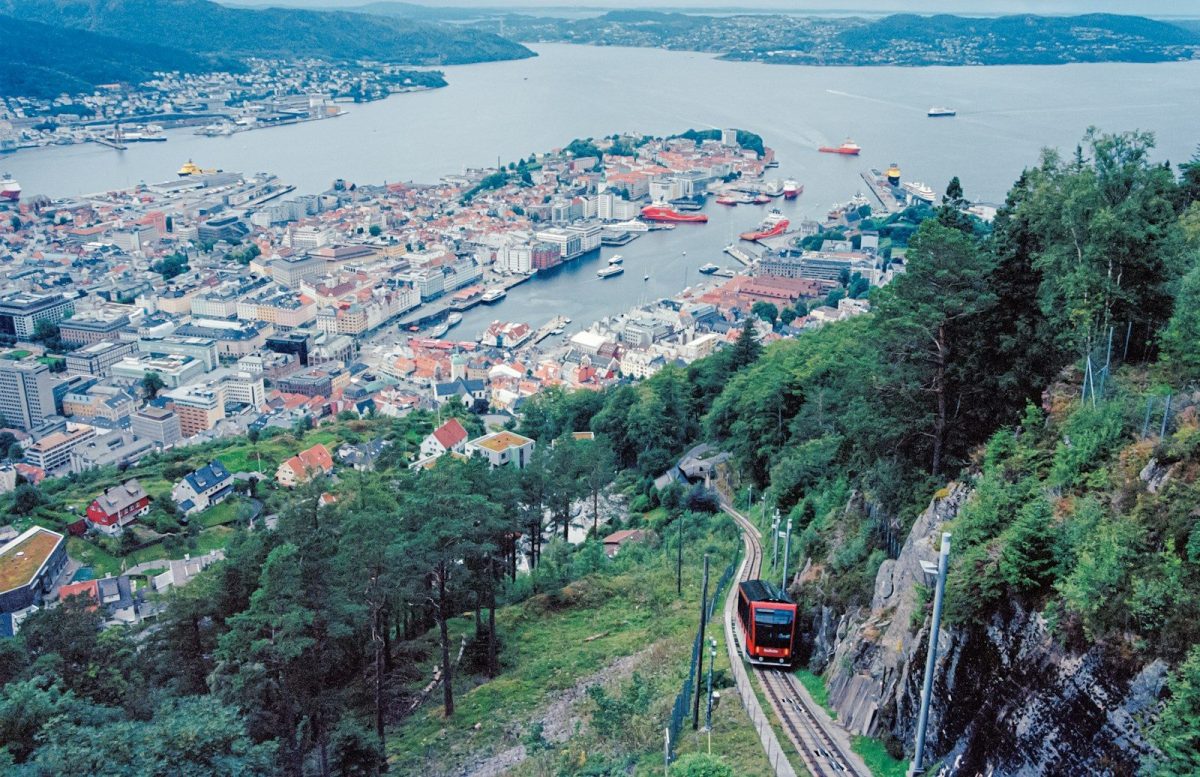
Norway has long understood that getting somewhere can be as rewarding as arriving. The Bergen Railway makes the case across roughly seven hours from Oslo to Bergen, climbing across the Hardangervidda plateau, the largest high-altitude plateau in Northern Europe. In winter, the terrain looks more like the surface of another planet than anything at lower latitudes. Snow-buried stations, frozen lakes, and wind-sculpted drifts press right up against the glass.
The train crests at Finse station, the highest point on the Norwegian rail network at 4,009 feet, before dropping into fjord country and eventually into Bergen, one of the most photogenic cities in Scandinavia. The light in late autumn and early spring is extraordinary, thin and low and relentlessly dramatic along the entire route.
3. The Darjeeling Himalayan Railway
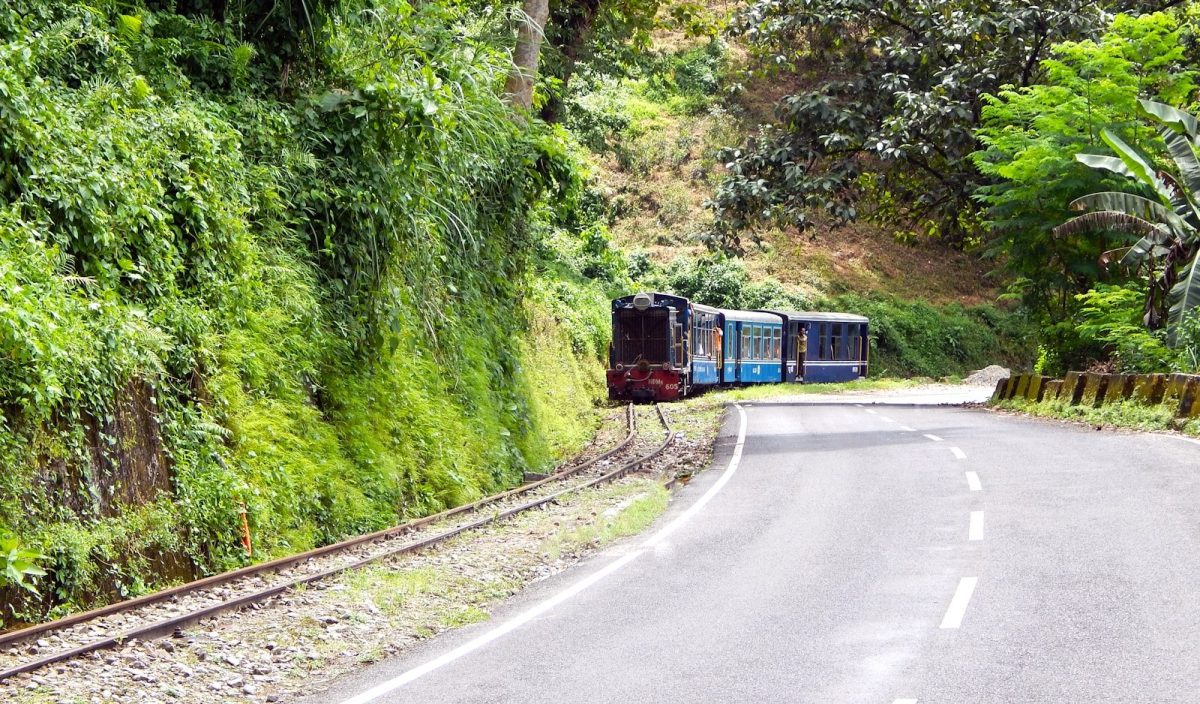
A UNESCO World Heritage Site since 1999, this narrow-gauge railway is often called the Toy Train, though the nickname undersells what it actually delivers. The line climbs more than 7,200 feet over roughly 50 miles, looping and zigzagging up through dense forests, terraced tea gardens, and hilltop towns that feel genuinely cut off from the rest of the world.
The steam-hauled sections between Kurseong and Darjeeling remain operational. Riding those cars with the windows open, coal smoke mixing with cool mountain air, puts modern travel through its clearest possible contrast with what rail used to be. In 2026, restoration work on several older locomotives has kept heritage sections running on weekends, giving visitors a fuller version of the historic journey.
4. The Canadian
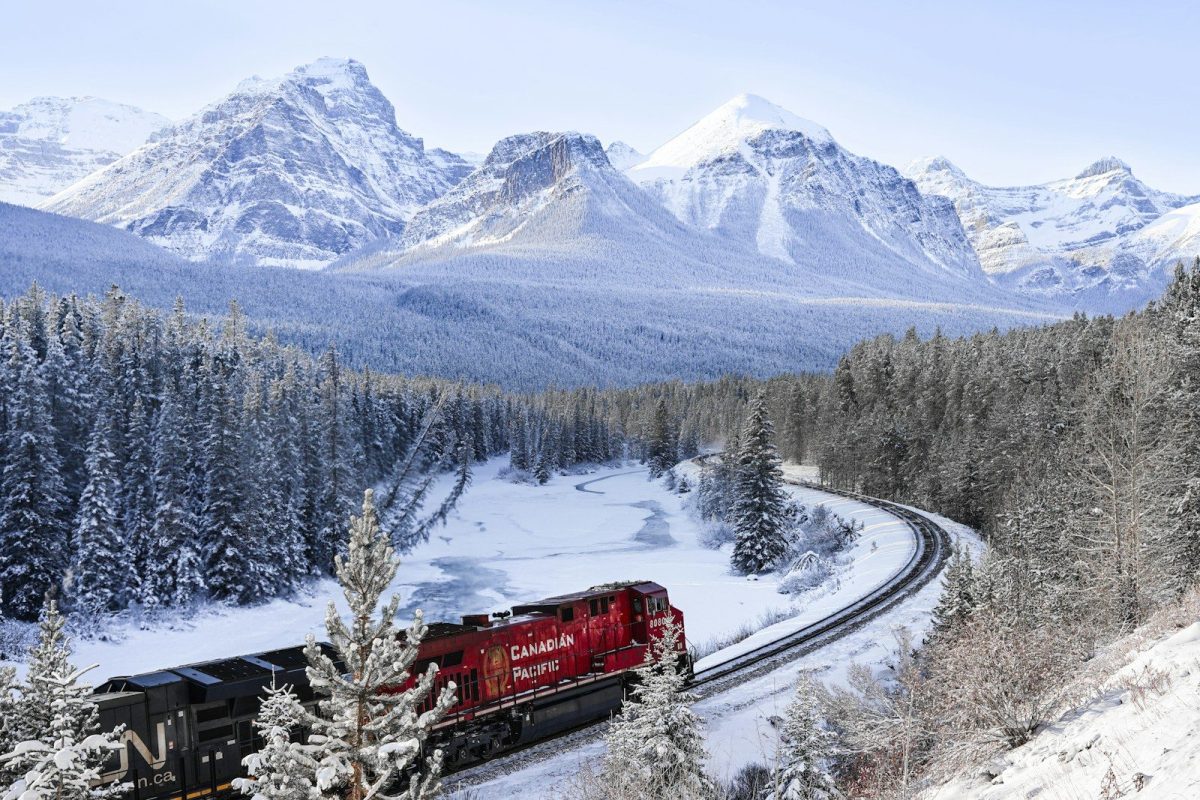
Four days. Three nights. One continent. VIA Rail’s flagship train covers nearly 2,800 miles between Toronto and Vancouver, and the pace forces a genuine reckoning with the scale of Canada. The route passes through the ancient rock formations of the Canadian Shield, across the prairies of Saskatchewan and Alberta, and then rises dramatically into the Rocky Mountains as the Pacific approaches.
The Prestige Class cabin includes floor-to-ceiling windows, a private ensuite, and the kind of sleep that comes with moving at 60 miles an hour through absolute darkness. The dome car, a glass-ceilinged lounge that sits above the rest of the train, draws all passengers together in the evenings when the Rockies appear on the horizon. That communal quality is something air travel was never built to offer.
5. Belmond Andean Explorer
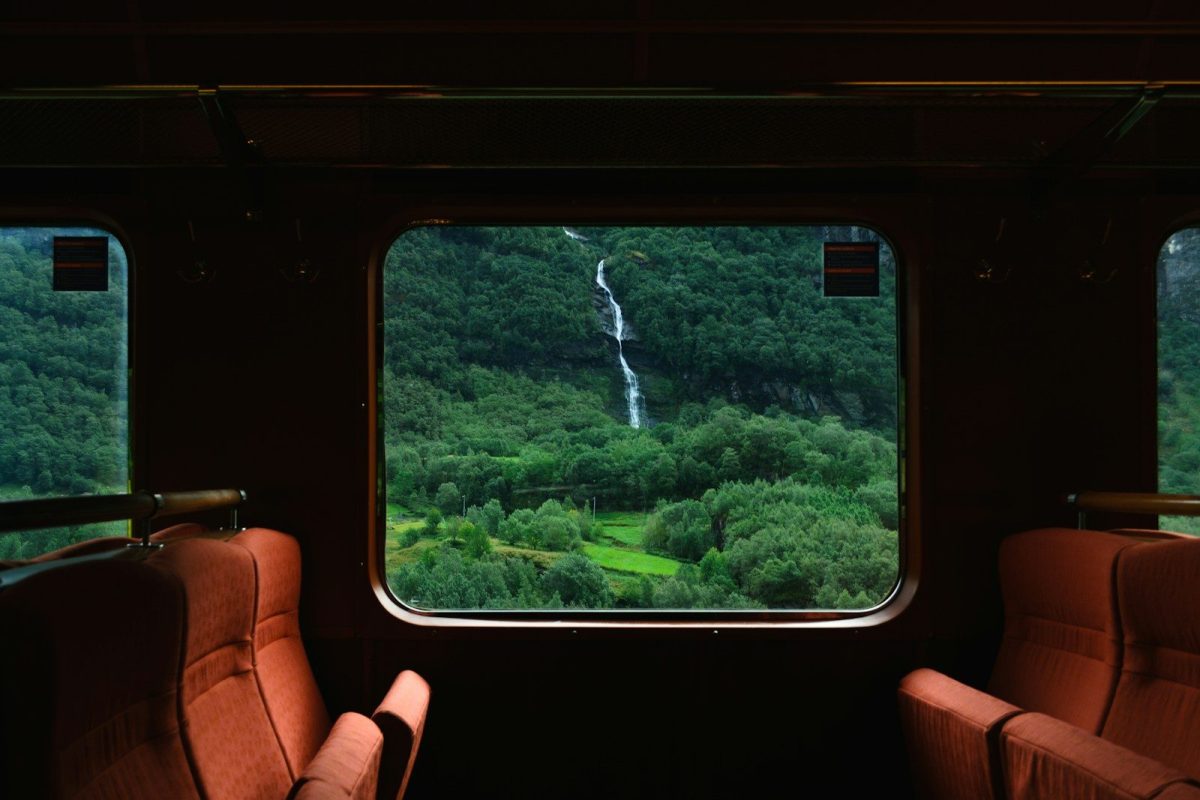
South America’s only luxury sleeper train operates at altitudes that push most passengers toward their altitude medication. The route climbs above 14,000 feet as it crosses the Peruvian Altiplano between Cusco, Arequipa, and Puno. The scenery is vast and spare: wide-open plains, herds of alpaca, volcanic peaks, and the enormous blue expanse of Lake Titicaca filling the horizon as the train descends.
At that altitude, even the light behaves differently. It arrives thinner, sharper, and without the softness of lower elevations. Belmond updated the Explorer’s carriages in late 2024 with new observation decks and upgraded suites. Onboard guides provide cultural context throughout, making this one of the more educational journeys on this list alongside the more purely scenic ones.
6. The Seven Stars in Kyushu
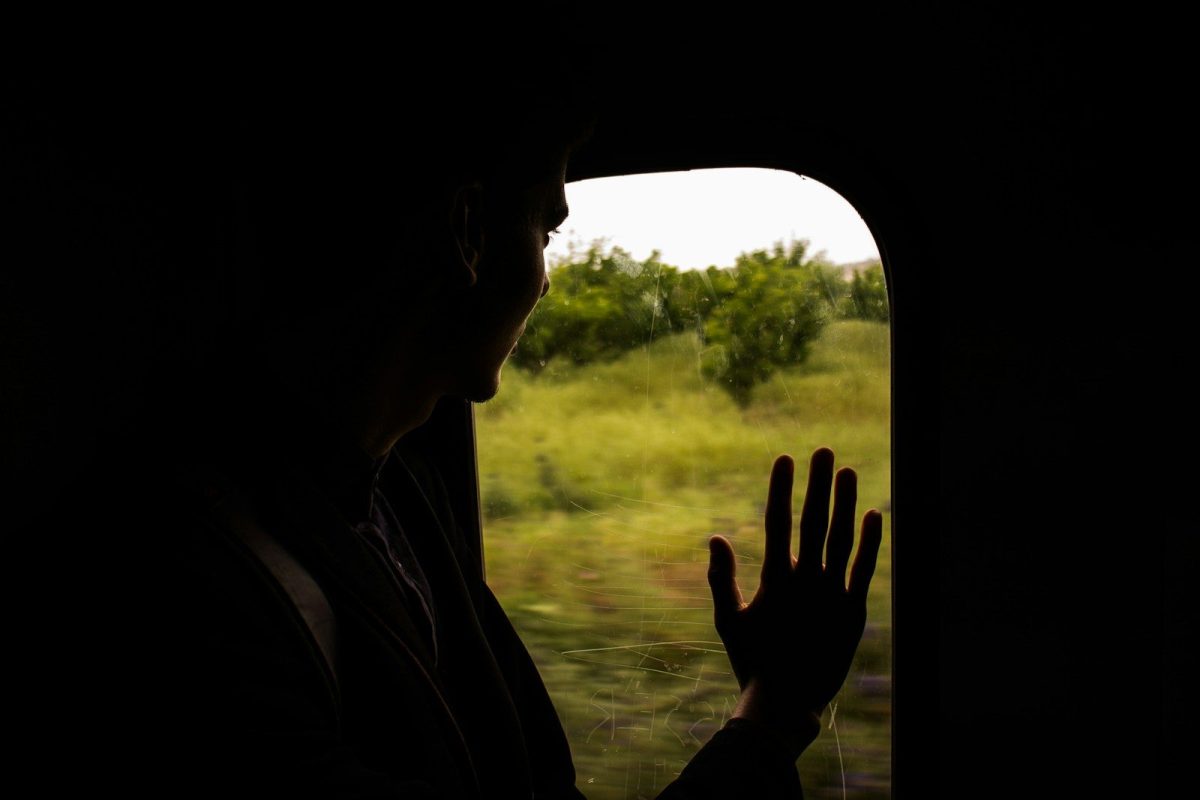
Japan’s bullet trains are super famous, but for sheer beauty the Seven Stars, which is a luxury cruise train operated by JR Kyushu, is on a whole other level. The train follows one of two circular routes around the island of Kyushu, stopping at hot spring towns, pottery villages, and coastal viewpoints that most visitors to Japan never reach. Fewer than 30 guests travel on each departure. The interiors, dark wood, Japanese lacquerwork, and handcrafted ceramics, were designed by architect Eiji Mitooka, who also designed the train’s exterior.
Booking is notoriously competitive. Departures are allocated through a lottery system. Availability improved slightly in 2025 when JR Kyushu expanded its international booking platform. The food alone justifies the effort: every meal is built around whatever each prefecture along the route produces that week.
7. The Indian Pacific
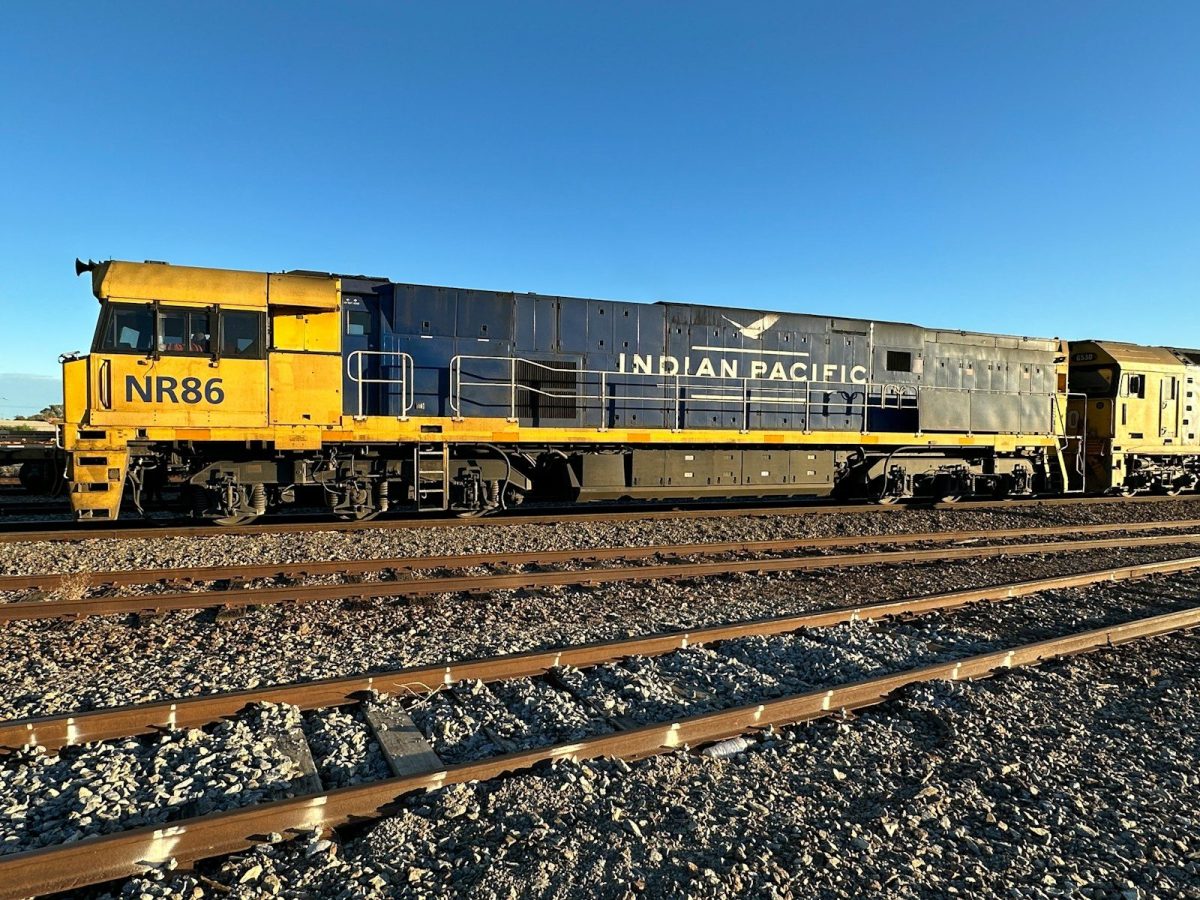
The Indian Pacific covers 2,700 miles between Australia’s east and west coasts over four days, and for a long stretch across the Nullarbor Plain it travels on the longest straight railway track in the world, 297 miles without a single curve. Outside, the terrain is red, flat, and seemingly endless in every direction.
Great Southern Rail completed a significant upgrade to the carriages in 2023, and the Platinum service cabins now feel genuinely hotel-quality. The train stops at Cook, an outback ghost town frozen in time since a rail reroute emptied it decades ago, and at Kalgoorlie, a gold rush city that still carries all the architecture and atmosphere of its 1890s origins. Neither stop appears on any standard tourist itinerary, which is exactly the point.
8. Marrakech to Tangier
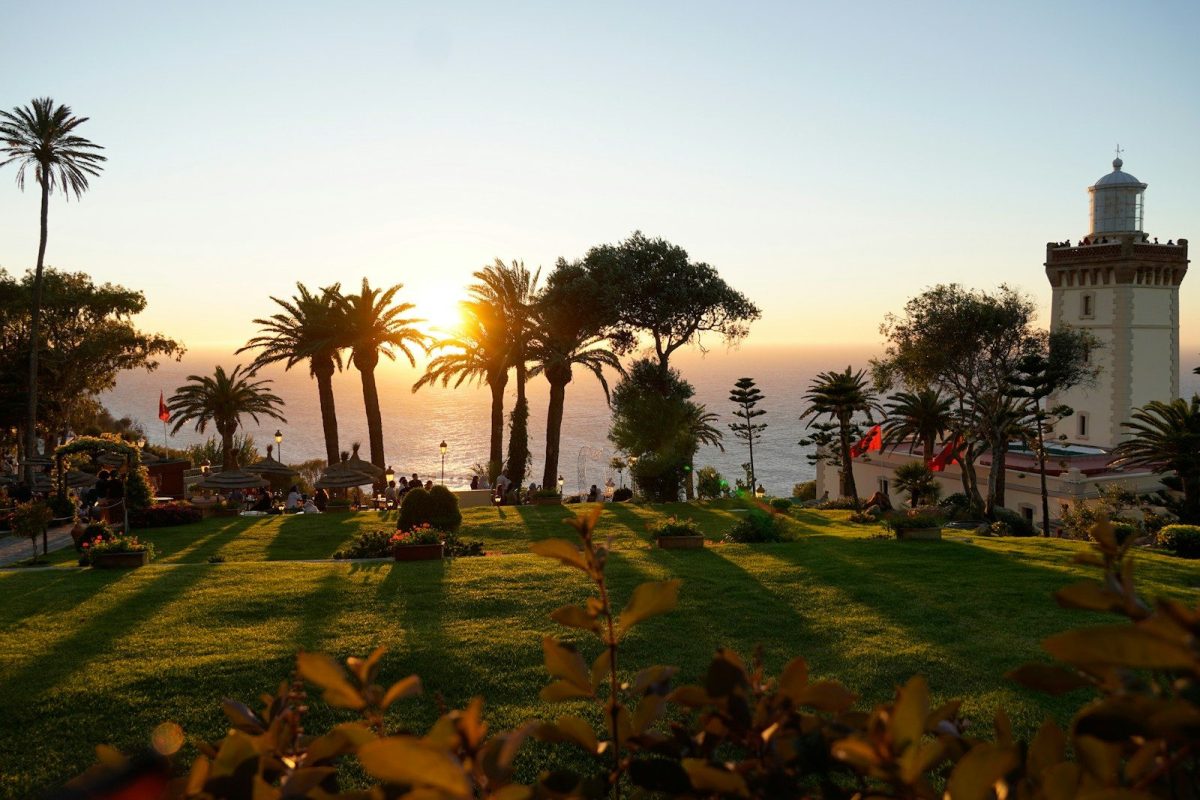
Morocco’s rail network is one of the most underrated ones in the world. The Al Boraq high-speed line connecting Casablanca and Tangier runs at speeds up to 200 mph, making it Africa’s first true high-speed service. The connecting classic route through Rabat, Casablanca, and into Marrakech adds a slower, fuller picture. Across roughly nine hours, the terrain shifts from Atlantic coastline to rolling Middle Atlas foothills to the edge of the pre-Saharan south.
ONCF, the national rail operator, completed a comfort upgrade across its long-distance fleet in 2025. First-class carriages now feature reliable air conditioning, and the café car has been expanded. Ticket prices remain among the most affordable of any scenic long-distance journey on the planet, making this the clearest value proposition on the entire list.
9. The West Highland Line
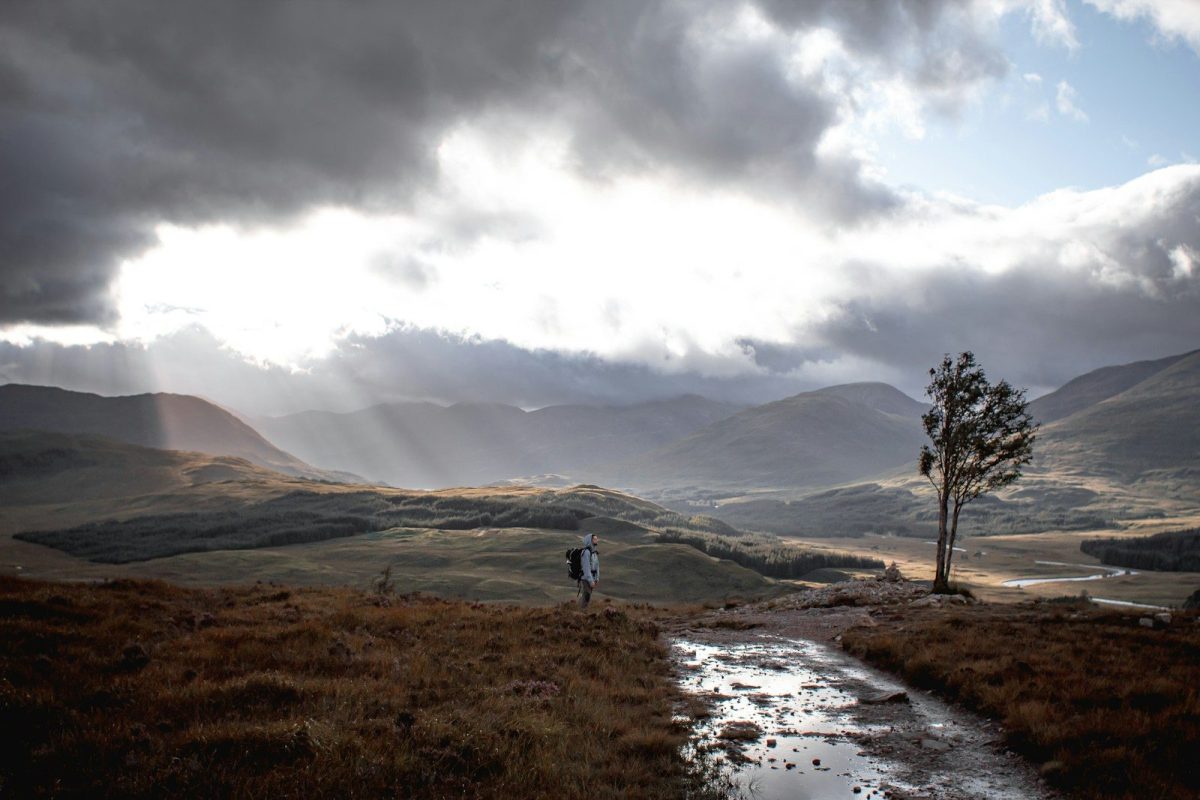
This train has been voted as the most scenic railway journey in the world, again and again, the West Highland Line earns that reputation whether its a beautiful sunny day, or grey with clouds. The lochs and moorland of the Scottish Highlands carry a weight and stillness that is hard to shake once you’ve experienced it. The route from Glasgow to Mallaig takes around five hours, passing Loch Lomond, Rannoch Moor, and the Glenfinnan Viaduct, the 21-arch structure that became globally recognizable through the Harry Potter films, though its engineering was impressive long before any production crew arrived.
The Caledonian Sleeper from London Euston delivers passengers into Fort William overnight, where a morning connection to the West Highland Line turns the whole thing into one of the great 24-hour journeys available anywhere in Britain. In 2026, ScotRail has maintained daily services on the route, and the Jacobite steam train continues seasonal heritage departures for those who want the full period experience.
