
Forget the destinations clogging your feed and the waitlists for overwater bungalows and the €400-a-night “hidden gems” that stopped being hidden around 2019. The most interesting travel is in places most people couldn’t locate on a map, in regions where the infrastructure has just tipped from “adventurous” to “manageable” without tipping all the way into “crowded.”
These fourteen destinations are all at that specific, fleeting moment. These are 14 places that you’ve probably never heard of, but that are about to blow up in 2026, so book your tickets before anyone else does!
1. Kakheti, Georgia
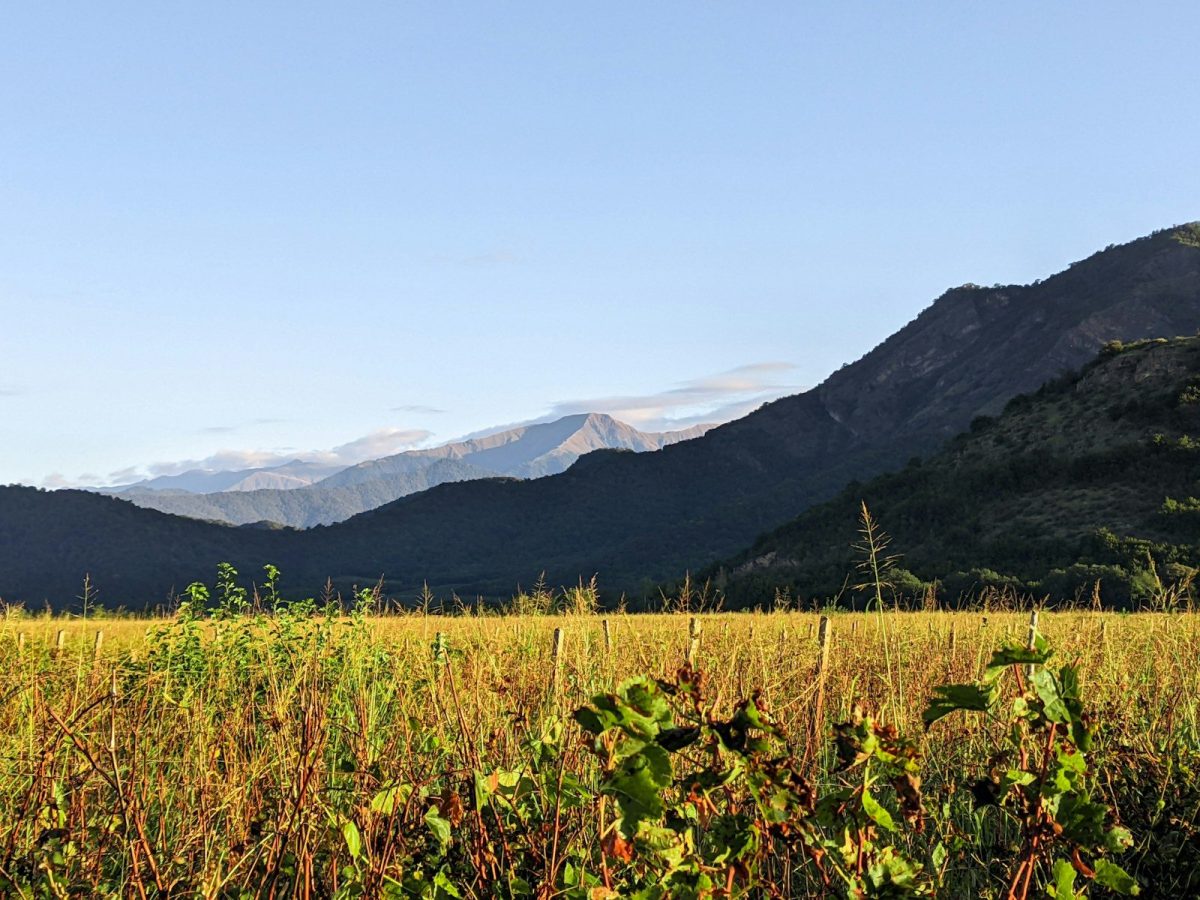
Most people who visit Georgia stop in Tbilisi, take a day trip to the cave city of Uplistsikhe, and fly home satisfied. But that’s a shame, because the country’s most extraordinary region is east of the capital, in a valley so beautiful that it feels like Tuscany before the tour buses arrived.
Kakheti is Georgia’s wine country, but it’s super unique! This is where wine has been made for roughly 8,000 years, fermented in buried clay vessels called qvevri using techniques that UNESCO now considers part of humanity’s intangible cultural heritage. The wines that emerge are amber-colored, tannic, and unlike anything from a French or Italian cellar. They have developed a massive following among natural wine lovers around the world!
But the valley offers more than just wine. The Greater Caucasus mountains provide a permanent, snow-dusted backdrop. Medieval fortified towers mark hilltops across the landscape. Monasteries dating back to the fifth and sixth centuries sit largely unvisited. In 2026, a new generation of small guesthouses and renovated family homes has made staying in the valley super comfortable, without stripping away what makes it worth staying in. This is one of the top places to visit this year, and thousands of people will!
2. Siwa Oasis, Egypt
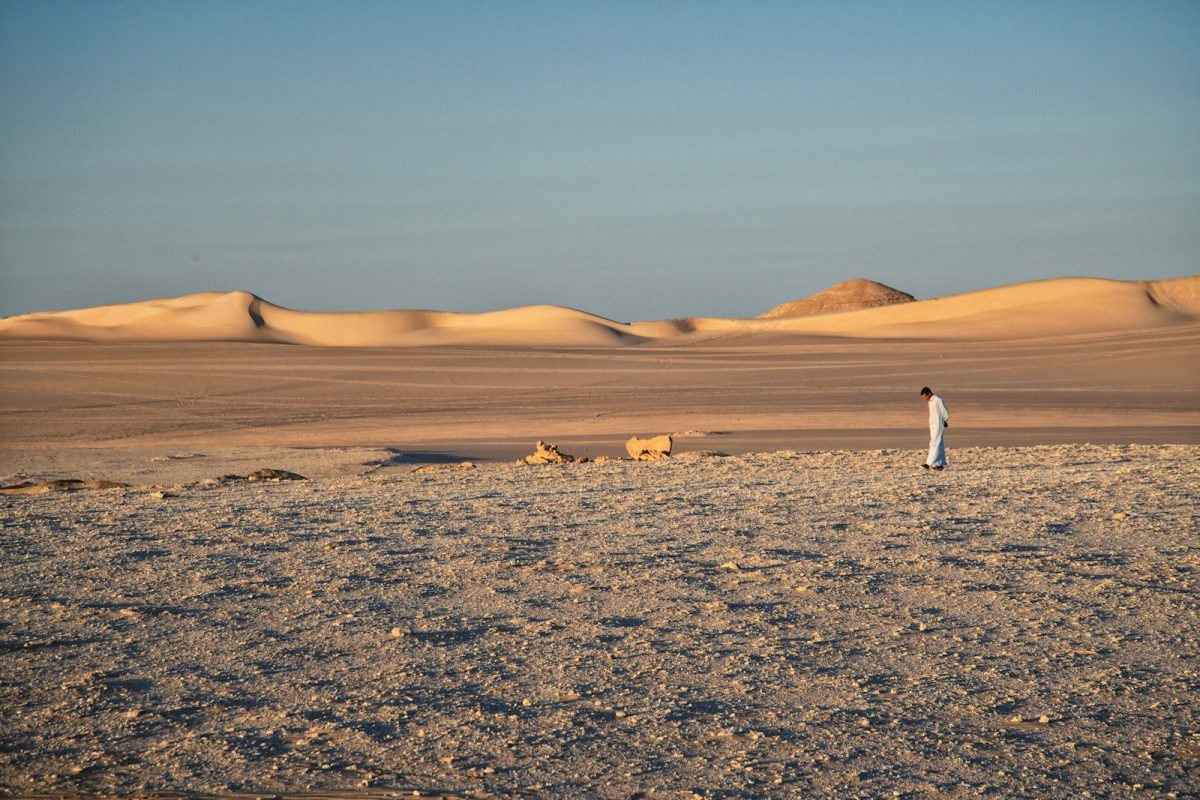
Egypt draws tens of millions of visitors a year, and almost all of them go to look at the Nile, the pyramids, and the Red Sea coast. Meanwhile, four hours west of the Mediterranean coast, deep into the Sahara near the Libyan border, one of the country’s most unusual places sits largely unvisited, which is a shame!
Siwa is a Berber oasis town and is linguistically, culturally, and historically distinct from the rest of Egypt. It has its own language, its own architecture built from a local salt-mud material called kershef, its own dates, and its own olive oil. Alexander the Great made the long desert march here in 331 BCE to consult an oracle. The ruins of that oracle’s temple still stand to this day!
What’s changed in 2026 is the region’s access. A newly surfaced road from the Mediterranean coast has cut the drive time considerably, and a handful of thoughtfully designed desert camps near the Great Sand Sea have opened up. These are properties built in traditional materials, powered partly by solar, and designed for people who want seclusion rather than service. Dune trips, natural hot springs, and skies with essentially no light pollution make Siwa the kind of place that converts skeptics. It won’t stay overlooked for long, and is expected to become a new awesome travel destination!
3. Gorontalo, Indonesia
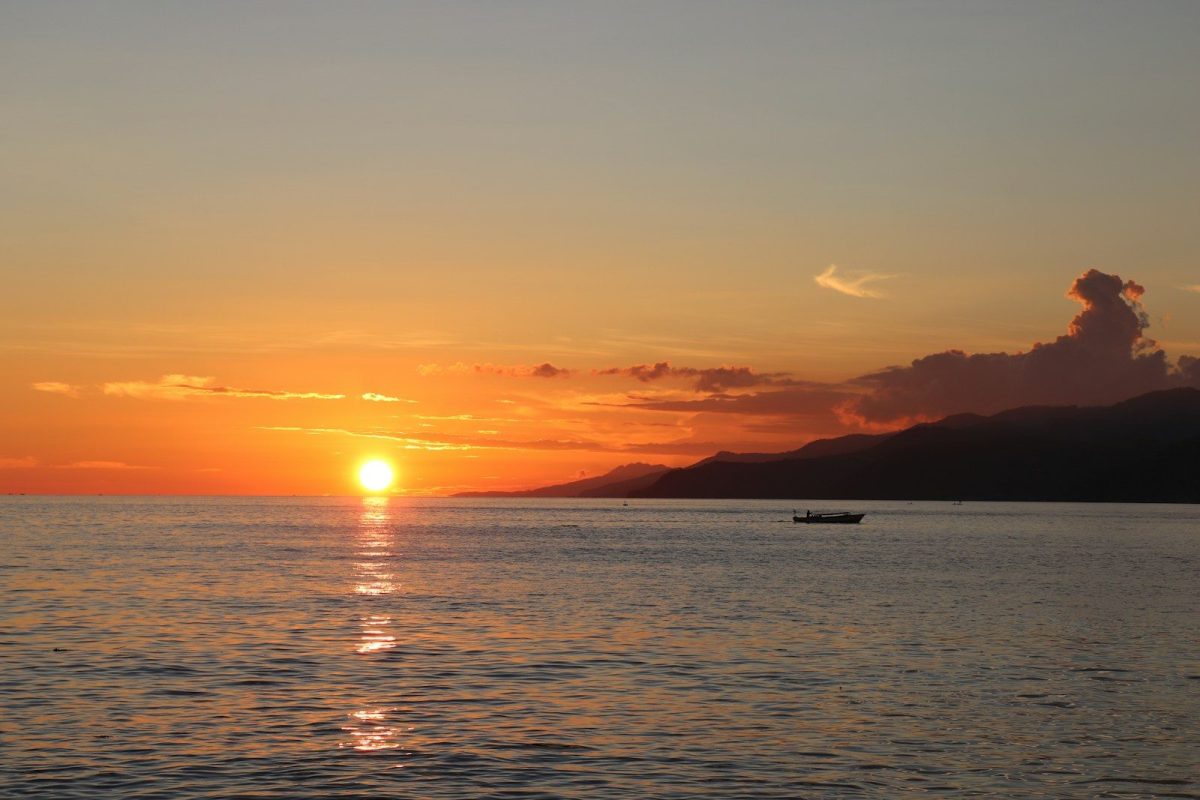
The name rarely comes up in conversations about Indonesian travel, which is precisely why it belongs on this list. Located on the northern arm of Sulawesi, Gorontalo is the launching point for one of the most biodiverse marine environments on the planet; Tomini Bay and the surrounding Togean Islands.
The reefs here escaped the worst of the bleaching events that damaged coral systems elsewhere across Southeast Asia. Whale sharks pass through seasonally, and Pygmy seahorses cling to sea fans in water so clear it barely looks like water. For divers who have already done Bali, Lombok, and the Gili Islands and are looking for somewhere genuinely unspoiled, this is the place.
The city of Gorontalo itself, which is home to a Dutch colonial fort, a cuisine built around corn rather than rice, and a waterfront that moves at its own unhurried pace, is also worth time. Several small dive resorts have opened on the surrounding islands since late 2025, providing a base that makes the marine park practical to explore without a fully self-sufficient expedition.
4. Chiquitos, Bolivia
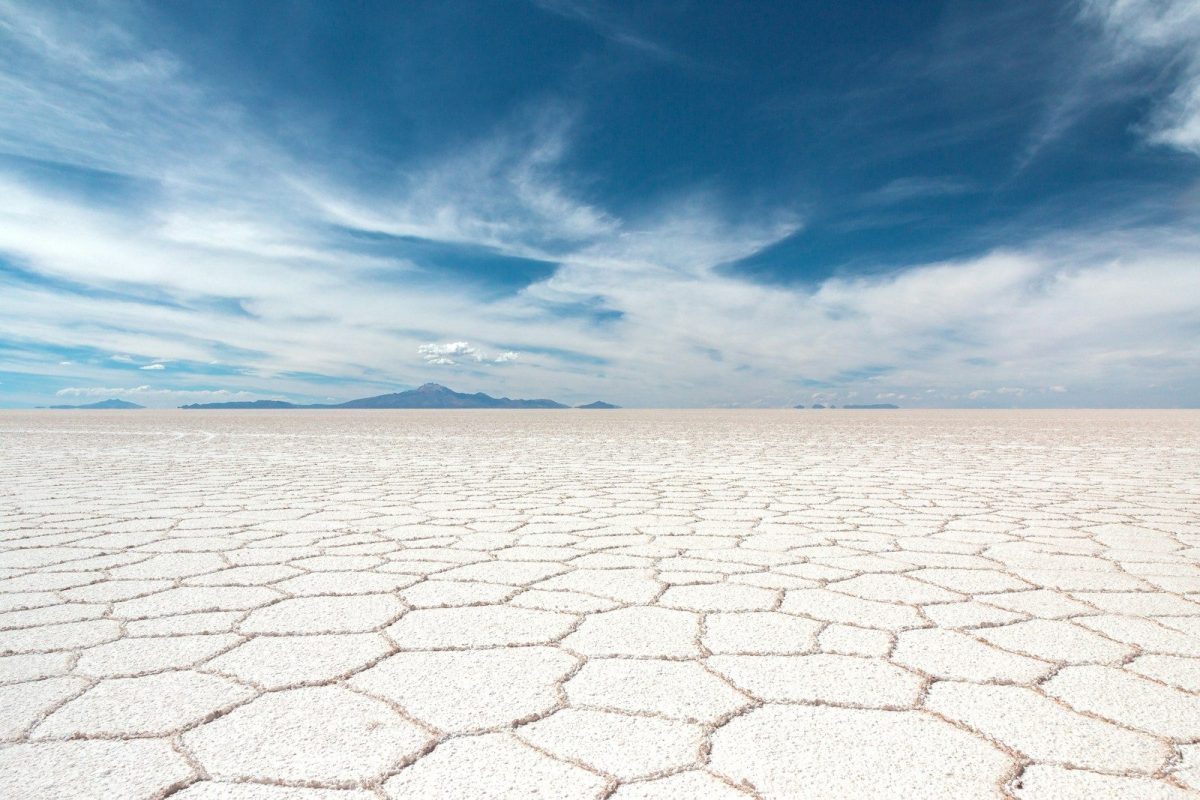
Deep in Bolivia’s eastern lowlands, well beyond the reach of the standard Andean travel circuit, you can find a bunch of small towns that UNESCO designated a World Heritage Site in 1990 and that international tourism has largely ignored ever since. The Jesuit Missions of Chiquitos are six baroque churches built between the late 1600s and mid-1700s, designed by Jesuit priests in collaboration with local Chiquitano craftsmen. The results are unlike anything else in the Americas, with interiors covered in intricate hand-carved woodwork and facades that blend European baroque forms with indigenous geometry, all set in flat savanna landscape that adds to the sense of mild disbelief that you are standing in front of them.
Every other year, the region hosts an international baroque music festival performed inside the mission churches. The acoustics, inside buildings designed four centuries ago with no knowledge of modern acoustic science, are remarkable. In 2026, Bolivia’s improved land and rail connections from Santa Cruz, combined with a growing number of small-group operators, have made the Chiquitos circuit genuinely accessible for the first time.
5. The Interior of the Faroe Islands
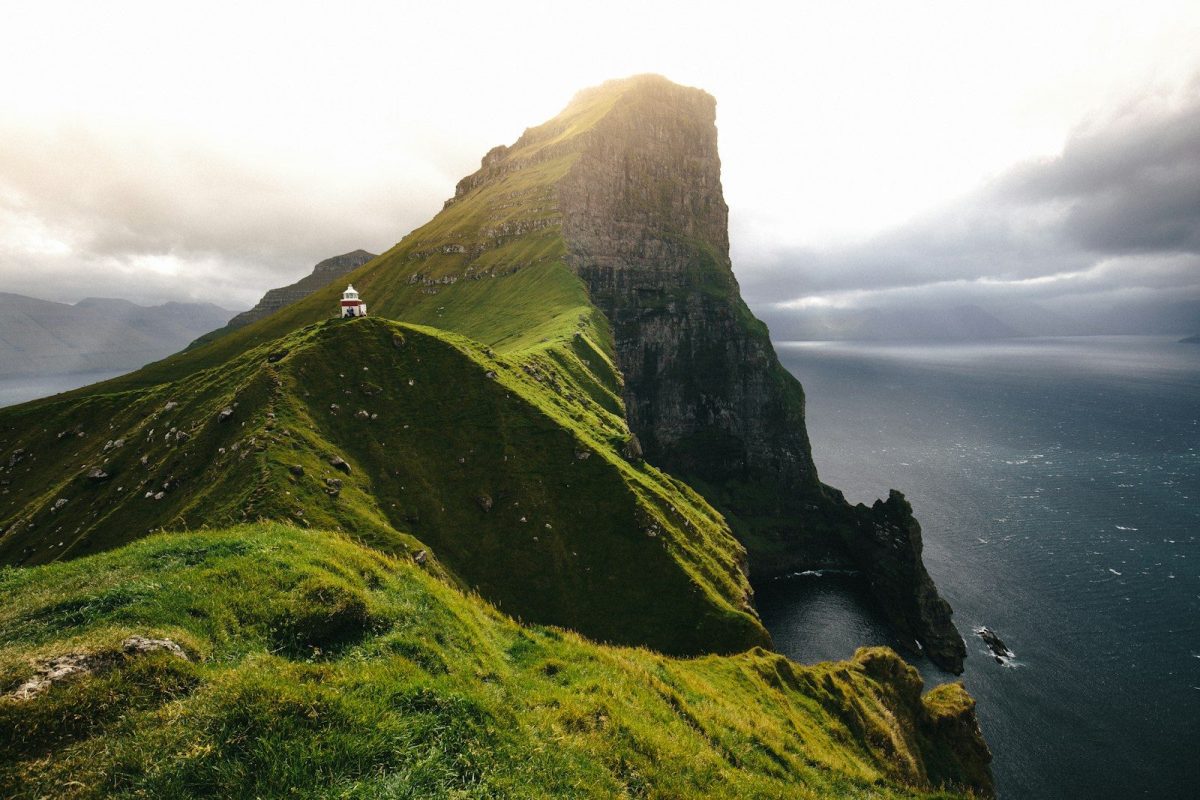
The coastal highlights of the Faroes are well known, but what remains largely unknown, even to people who have visited, is the island group’s interior: a landscape of high moorland plateaus, sudden glacial lakes, and valleys where the wind arrives before any other sound does.
Reaching the interior requires a lot of effort, but it’s worth it! Many of the best routes involve several hours of hiking on unmarked terrain in weather that changes without warning. The Faroese tourism authority has responded to growing interest by developing a guided hut-to-hut network that makes multi-day traverses of the inland landscape possible without needing full mountaineering preparation.
New direct flights from London and Amsterdam in 2026 have expanded the audience for this kind of travel. The Faroes are still not easy, but they are one of the few places in Europe that genuinely reward the effort required to understand them.
6. Lamu, Kenya
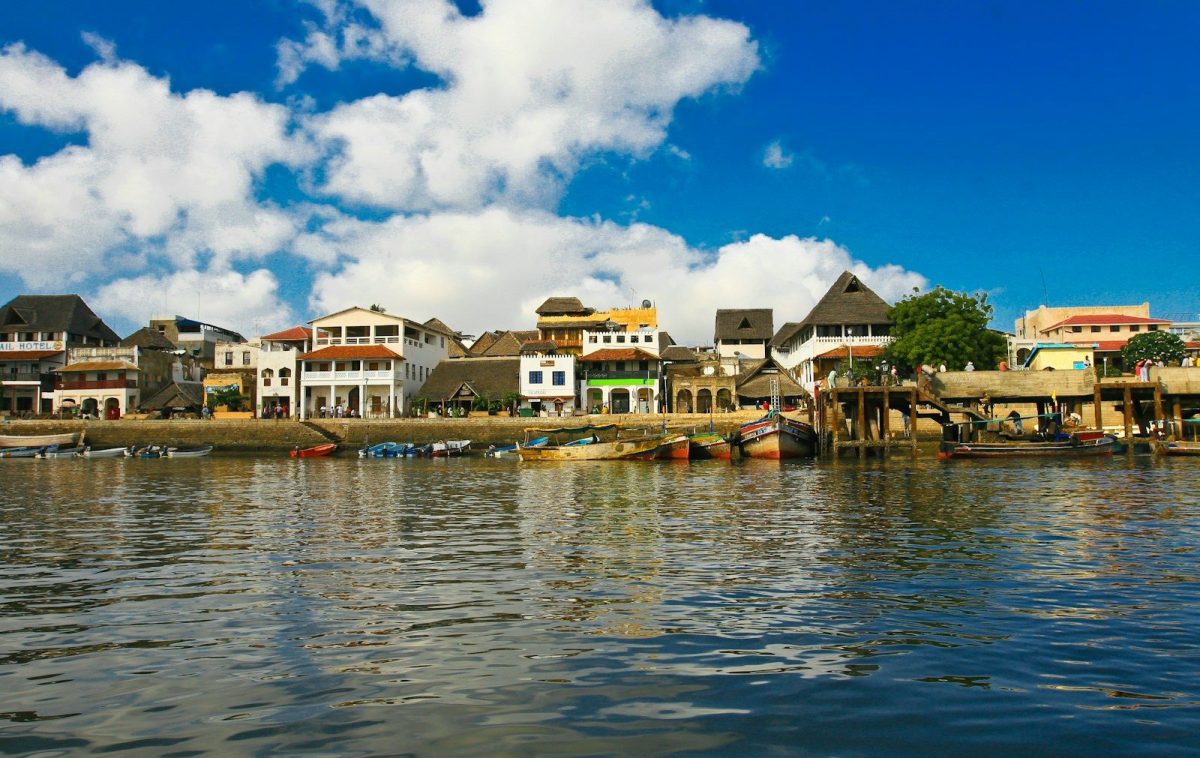
Lamu Old Town is one of East Africa’s oldest continuously inhabited settlements, a Swahili trading port whose architecture, culture, and daily rhythm reflect centuries of contact with Arab merchants, Indian traders, and Portuguese navigators. There are no cars on the island, the streets are too narrow, and donkeys remain the primary means of moving anything heavy.
After a period of reduced tourism during the 2010s, Lamu has recovered, and in 2026 it is experiencing something of a golden era. A number of former Swahili merchant houses, crumbling but structurally magnificent, with carved wooden doors, internal courtyards, and rooftop terraces, have been restored as boutique hotels. The food scene, shaped by every culture that passed through the port across half a millennium, is extraordinary: coastal curries, coconut rice, whole grilled fish, and spiced coffee served on rooftops while dhows move slowly through the harbor below.
Lamu operates at its own pace. That pace is slow. But after two or three days, most visitors stop fighting it.
7. Daman, India
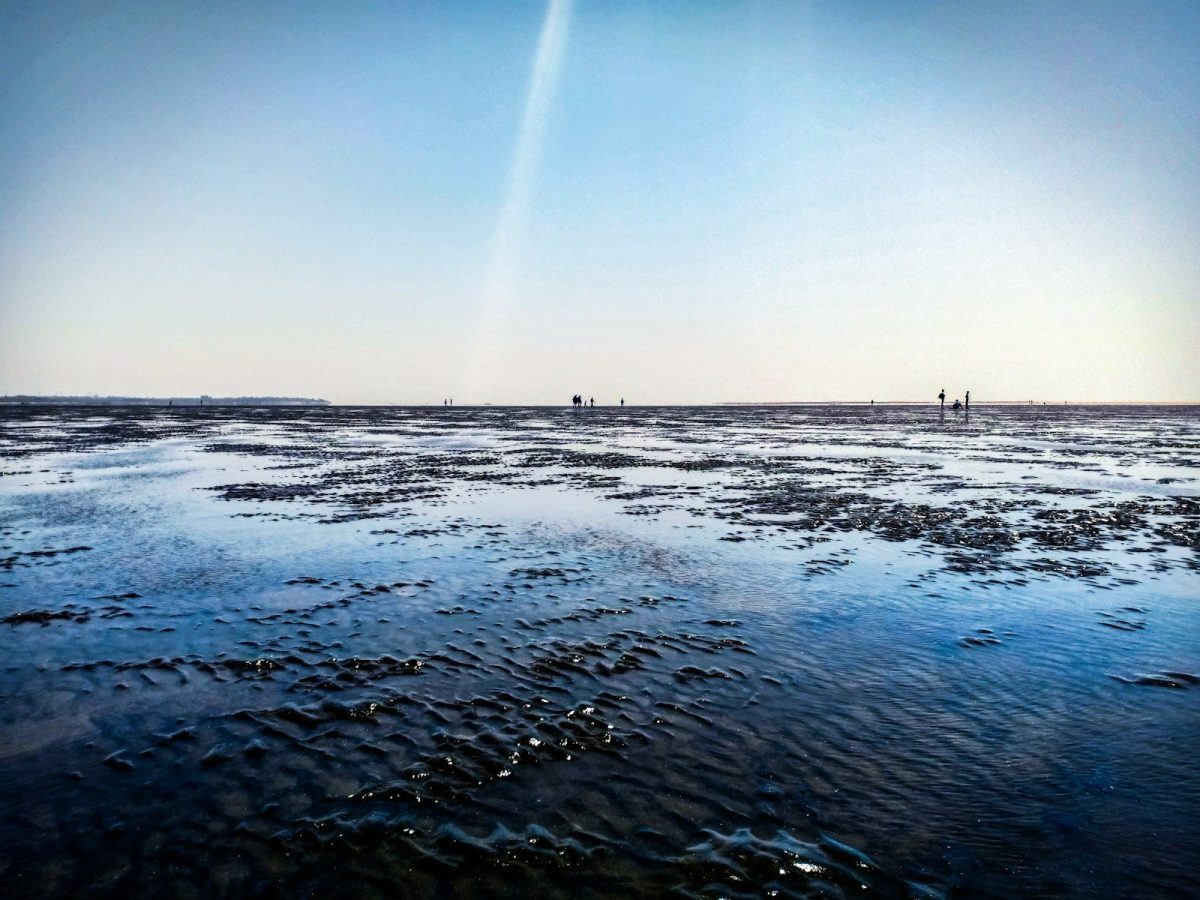
India’s western coast is full of places that domestic travelers have known about for decades but that international visitors have overlooked entirely. Daman, a small union territory wedged between Gujarat and Maharashtra, falls into that category.
Aa a former Portuguese colony, Daman retains one of the best-preserved examples of colonial fortification in Asia. The Moti Daman fort encloses an entire neighborhood of Portuguese-era buildings, including a cathedral and several churches, all set along the Damanganga River. Unlike Goa, which processes its Portuguese heritage into something polished and commercially convenient, Daman wears its history with less self-consciousness.
In 2026, a small collection of design-conscious boutique properties have opened in the old quarter, attracting visitors from Mumbai willing to drive north for somewhere genuinely unhurried. The seafood, with most of it fished locally and served without ceremony in small restaurants along the beach road, is excellent and inexpensive.
8. Yushu, China
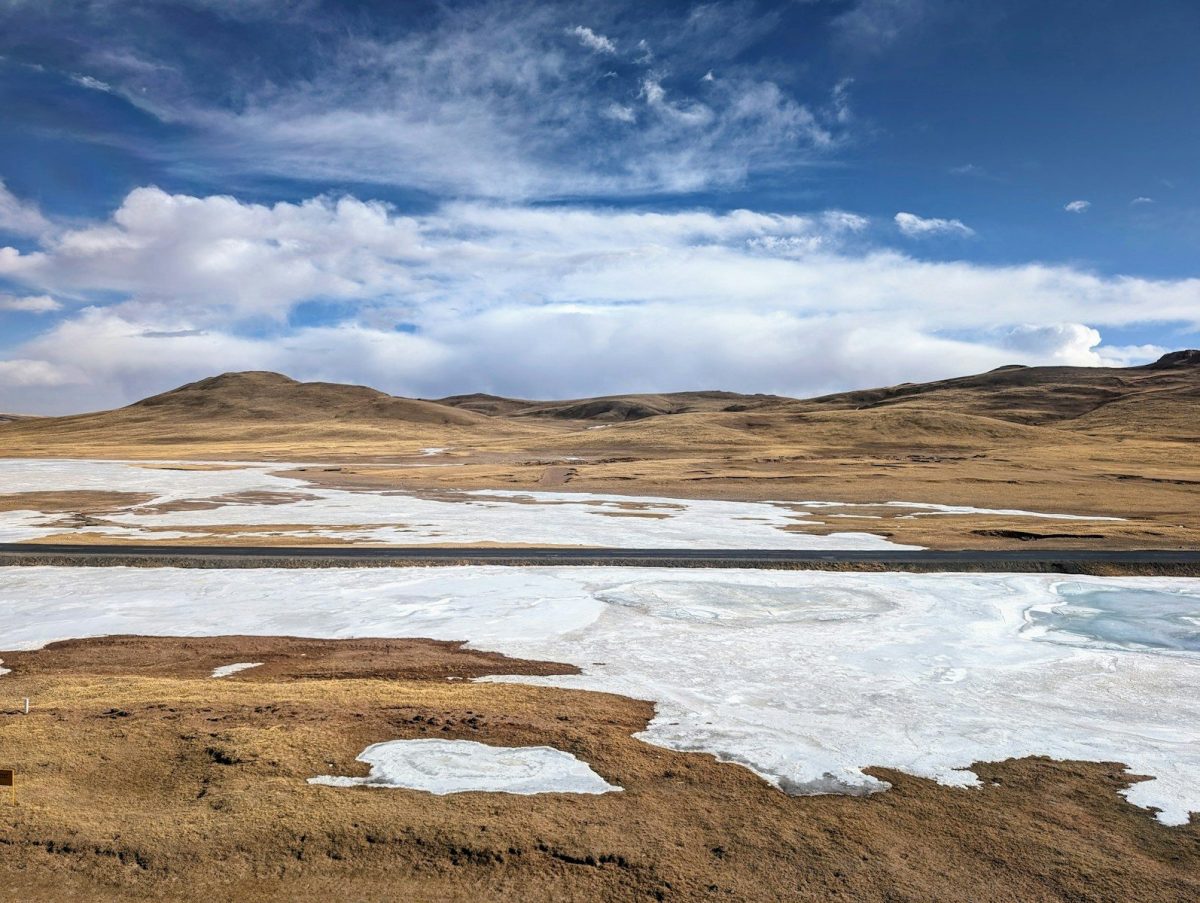
High on the Tibetan Plateau, at an elevation of around 3,700 meters, Yushu has been a center of Tibetan Buddhist culture for well over a thousand years. The Jiegu Monastery dominates the city’s skyline. Outside it, spread across a vast open field, is what is reportedly the world’s largest collection of mani stones, flat rocks engraved by hand with Tibetan Buddhist scripture and prayers, accumulated over centuries by pilgrims who have been coming here long before anyone was counting.
Yushu was devastated by an earthquake in 2010 and has since been rebuilt, retaining deliberate Tibetan architectural elements throughout its urban fabric. The surrounding grasslands, where nomadic herders still move with yak herds through the summer months, remain one of the last intact high-altitude pastoral landscapes that travelers can reasonably access.
Improved air connections from Chengdu and Xi’an have made Yushu more reachable in 2026. The altitude still keeps most people away, acclimatization is not optional here, but it also guarantees a kind of stillness and visual drama that lower destinations simply cannot offer.
9. The Coffee Region of Quindío, Colombia
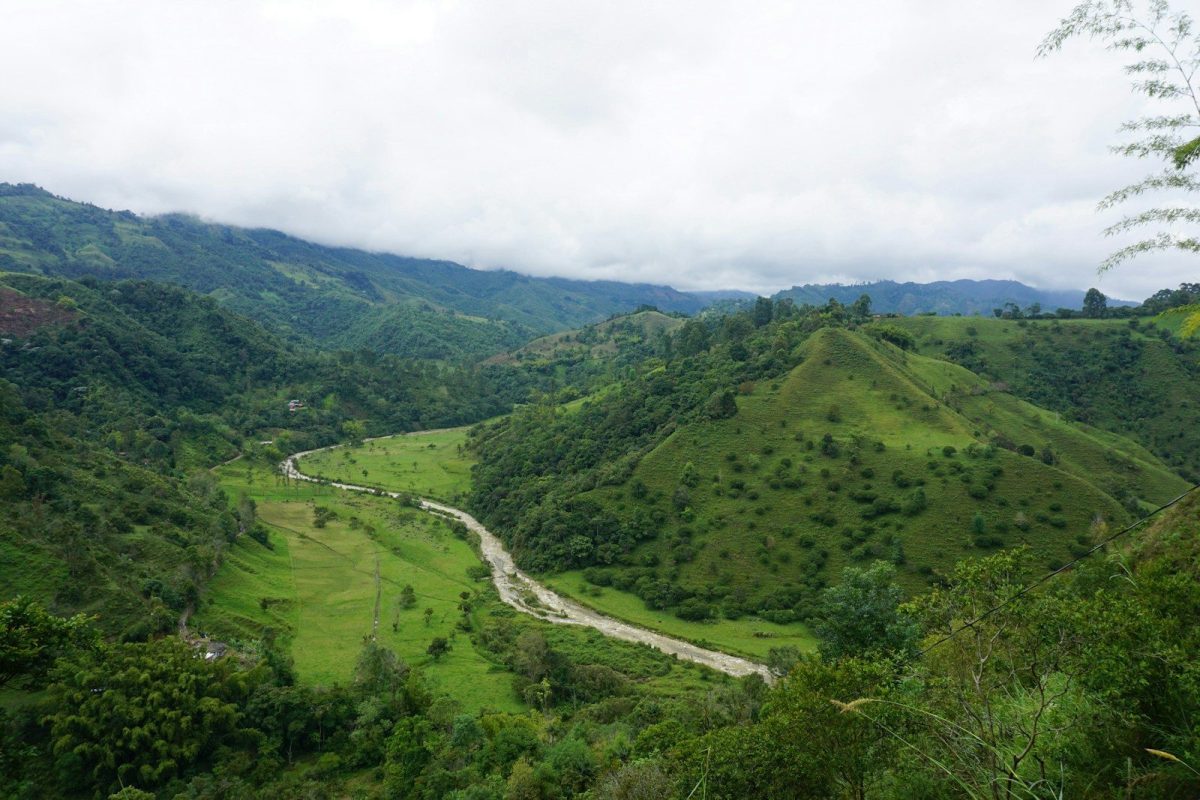
Salento has been on the backpacker trail for years, but the broader Quindío valley surrounding it has only recently developed the hospitality infrastructure to attract travelers. In 2026, the surrounding municipios of Filandia, Pijao, and Córdoba are offering something that Salento proper cannot: working coffee farms with genuine multi-day immersion experiences, small-batch roasters with tasting rooms, and finca guesthouses where the mornings smell like roasting coffee and the evenings smell like woodsmoke.
The Cocora Valley, which is accessible from Salento, contains a forest of wax palms, which is the tallest palm species on Earth, rising 60 meters above a cloud-level landscape that looks unbelievably stunning from every angle. At dawn, when it is nice and misty below the canopy, it is one of the most visually stunning places in South America. For travelers moving through Bogotá or Medellín, the Coffee Region is now a great reason to extend a Colombia trip by several days!
10. Timimoun, Algeria
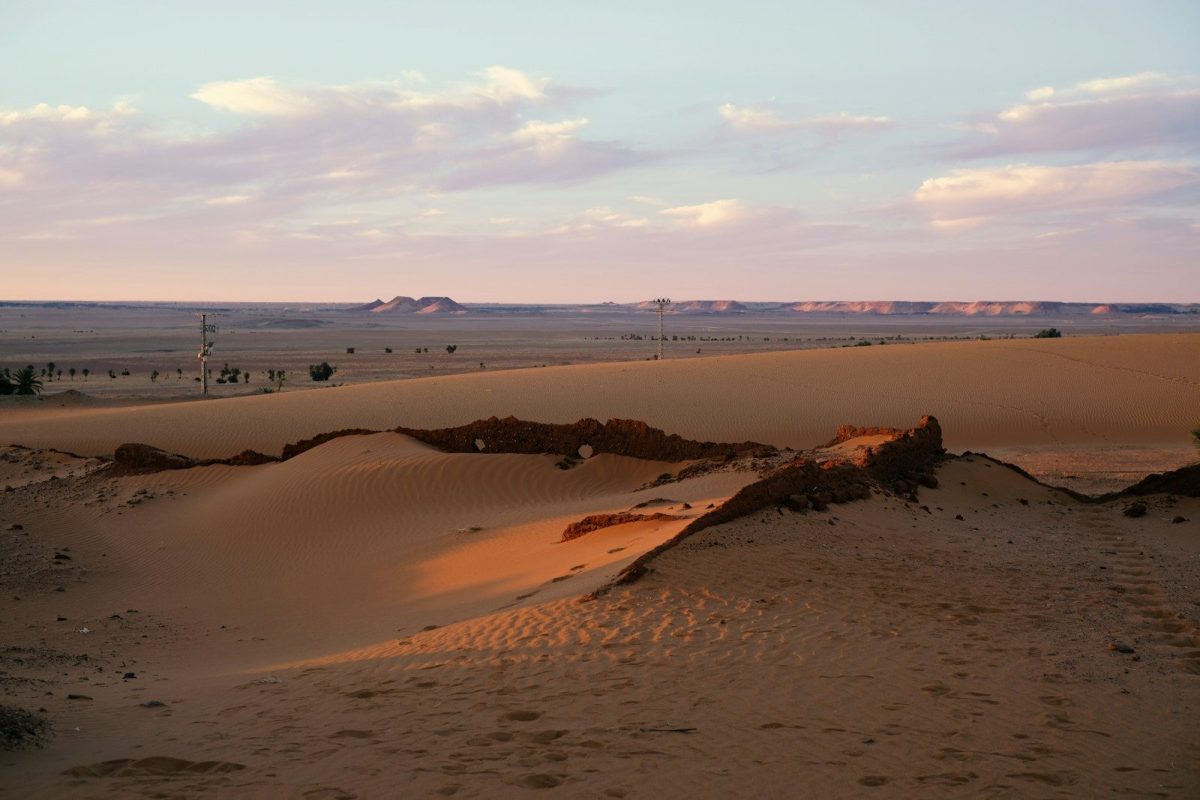
Algeria has spent years being the Sahara destination that travel writers discussed in theory but almost nobody visited. Because of complicated visa systems and limited tourist infrastructure, few people have traveled to this destination. But these problems changed in 2025, when Algeria overhauled its entry requirements for citizens of 69 countries, and the first organized international tours began moving through the country’s southern desert territories.
Timimoun quickly turned into a favorite for the few people who saw it. It is constructed almost entirely in deep red mud-brick in a style that is unique to this part of the Sahara. The town sits above a dry salt lake surrounded by dunes and ancient underground irrigation channels that have carried water to the surrounding palm groves for centuries. A French colonial-era hotel in the center of town is now being restored, which is super exciting for many travelers around the world.
11. Maramureș, Romania
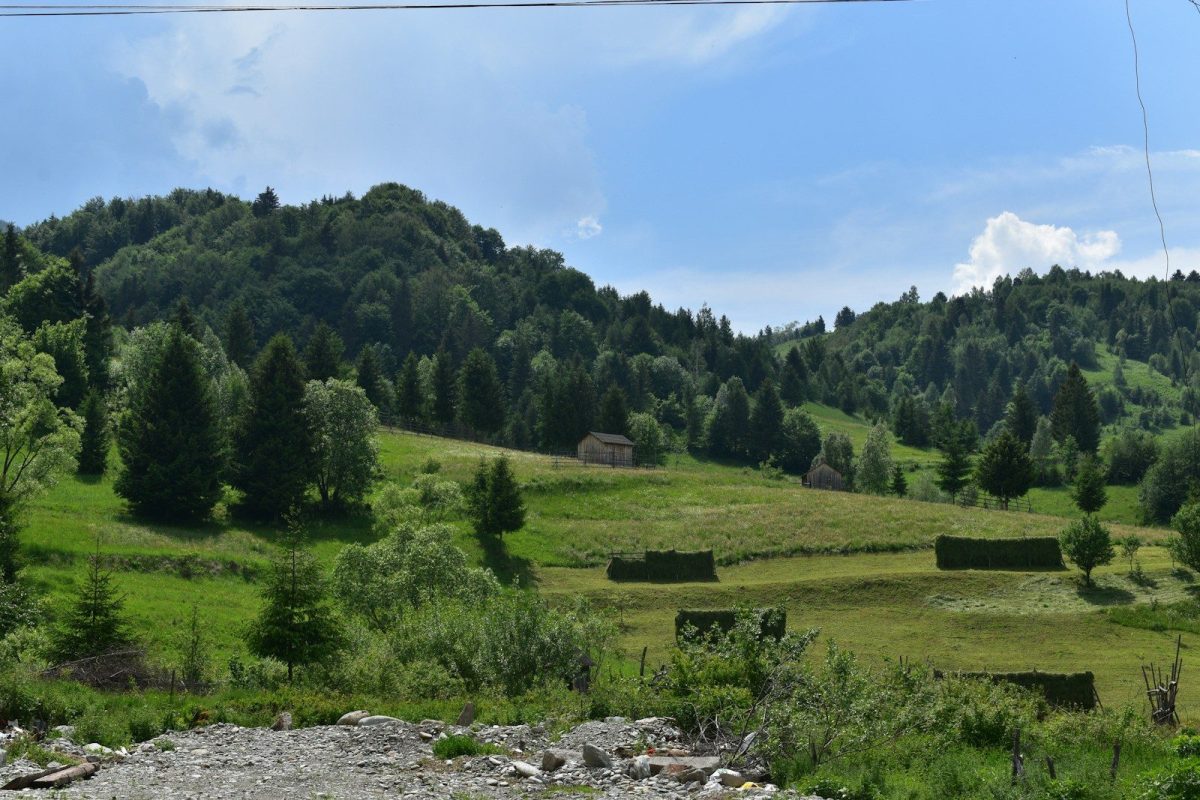
While Romania’s Transylvania region handles its considerable tourism with practiced efficiency, the country’s far north has remained largely outside the international travel conversation. Maramureș is a region where the 21st century has arrived incompletely and, depending on your perspective, that is its greatest asset.
Horse-drawn carts are a practical tool here. The wooden churches, eight of which are UNESCO-listed, with slender gothic spires that point dramatically skyward, serve active congregations in villages where traditional textile patterns are worn without irony or performance. It is a forested area with stunning river valleys that make it feel super remote.
In 2026, local families have made agritourism guesthouses that are very hard to find anywhere in Western Europe. There, you stay on working farms, eating what is grown there, and watching how a rural community actually functions. This is something you likely won’t see in many other places, which is why it is such a wonderful place to visit!
12. Northern Palawan, Philippines
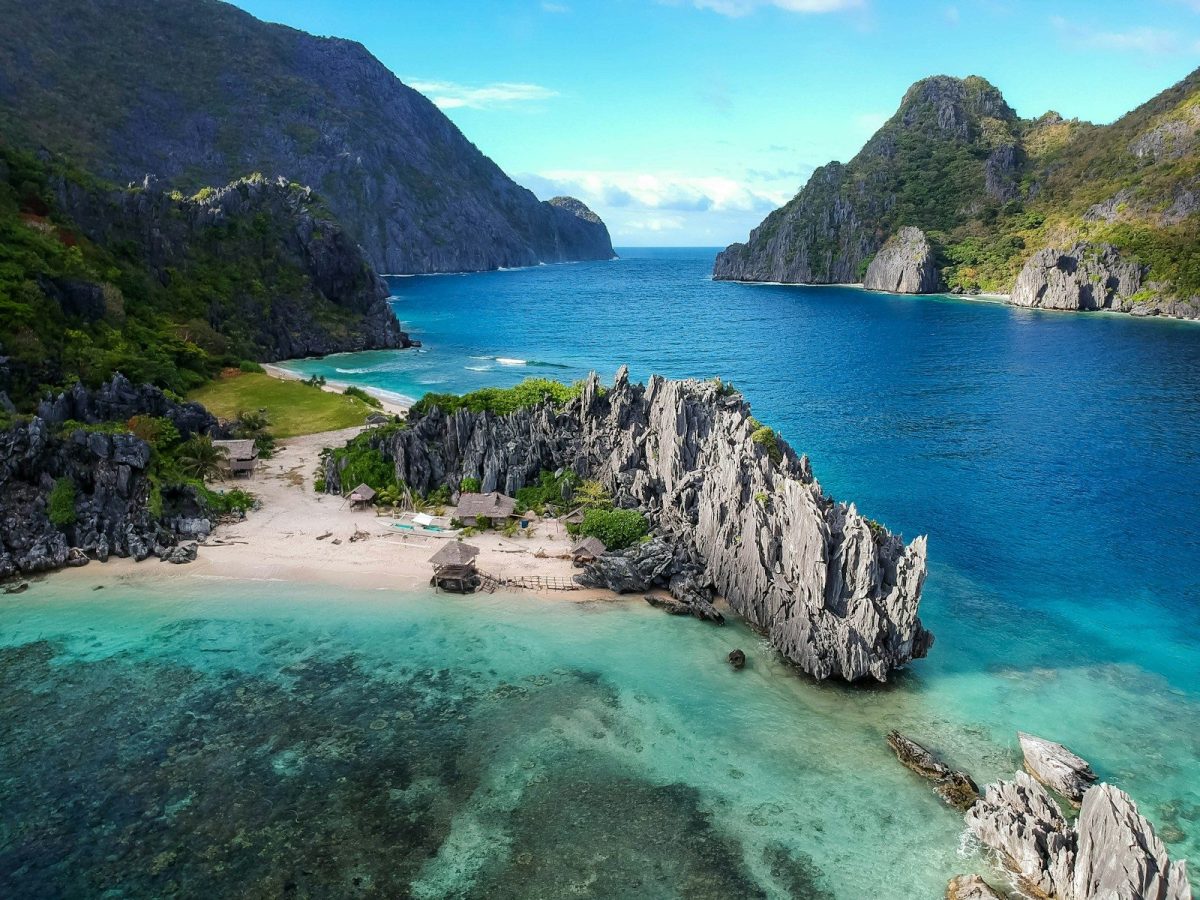
El Nido and Coron are full, and the Philippine government has responded with visitor caps on both of these areas, which has had an unintended consequence. Travelers who would have spent their entire Palawan trip in one of those two places are now looking north and west, into the Linapacan Strait and the outer Calamian islands.
What they are finding is the Palawan that El Nido used to be before the beach bars and speedboat queues arrived. Here, you can find empty beaches on islands with no permanent residents, along with coral systems that have seen almost no dive traffic. Around the larger island of Busuanga, you can also find a collection of World War II Japanese shipwrecks in water that is clear enough to see from the surface.
In 2026, a small number of liveaboard operators and island-based guides are offering structured trips through this area. It’s definitely worth seeing!
13. Tatev, Armenia
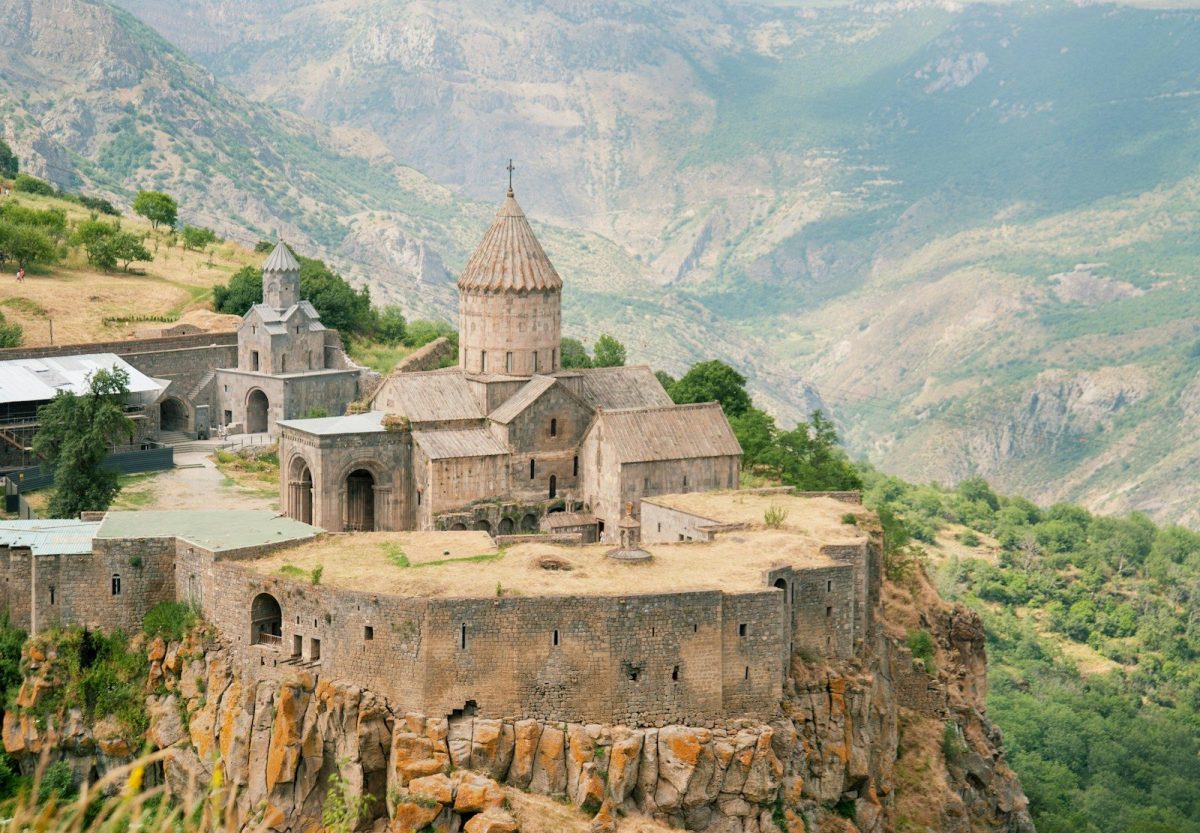
Armenia is one of those countries that rewards travelers who take it seriously. The south of the country, which is historically under-visited even by Armenian standards, is the most rewarding! Tatev Monastery occupies a basalt plateau above the Vorotan Gorge in Syunik Province, which is one of the most dramatic pieces of natural geography in the entire Caucasus region. The monastery dates to the ninth century and contains a 13th-century column that sways during earthquakes, and can be reached by a cable car that covers 5.7 kilometers above a gorge filled with hornbeam and beech forest. How awesome is that?
In 2026, the road south from Yerevan through Goris has been significantly upgraded, and new accommodation options in the town of Kapan, the regional capital, are turning Syunik into something more than a day trip destination. For travelers building a Caucasus itinerary that already includes Georgia and Azerbaijan, adding Armenia’s south extends the trip in a direction that most itineraries simply miss.
14. Punta Arenas, Chile
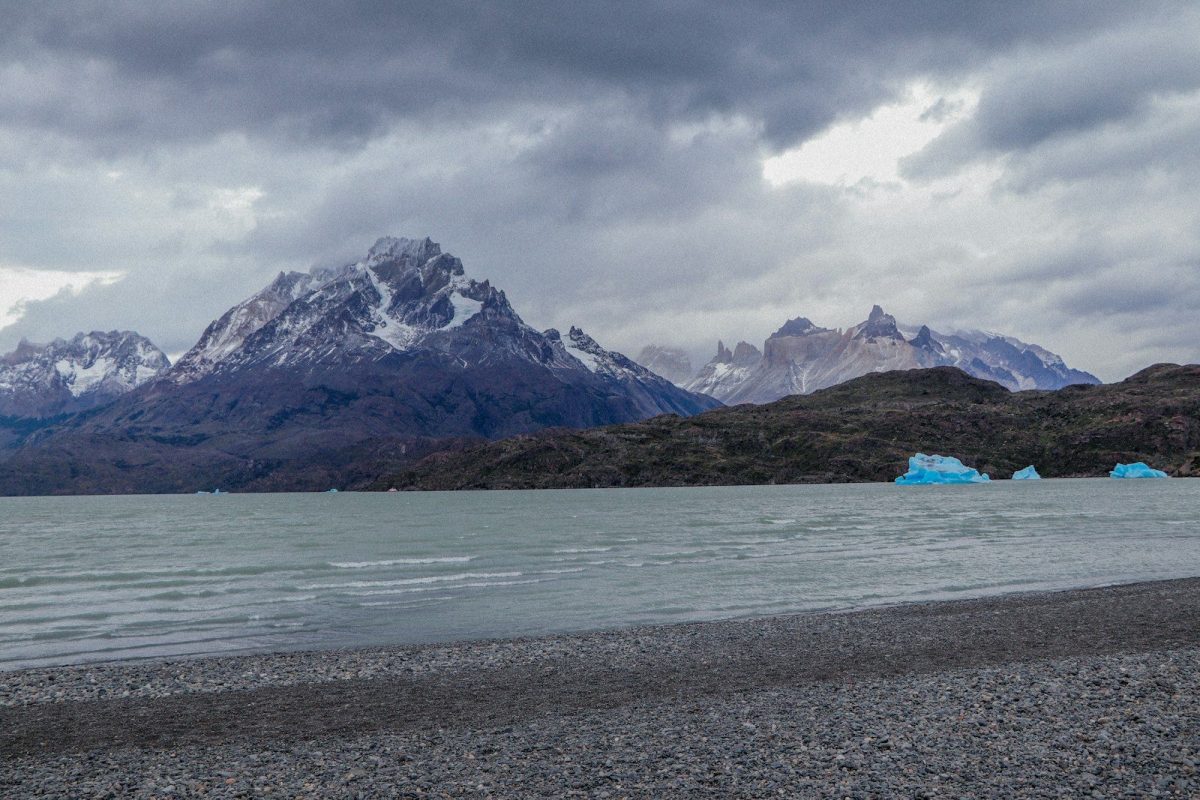
Most travelers who pass through Punta Arenas treat it as city you fly into before heading to Torres del Paine or boarding a ship south toward Antarctica. That framing has been slowly changing, and in 2026 it has shifted considerably.
Punta Arenas is the world’s southernmost city of any meaningful size, sitting at 53 degrees south latitude on the Strait of Magellan. The strait itself, on a calm evening with the mountains of Tierra del Fuego catching the last light across the water, is one of the most overwhelming views available to travelers anywhere in South America. The city’s Victorian-era architecture, which was built during a wool and gold boom at the turn of the last century, is stunning and largely intact. The food scene, which features by king crab, southern lamb, and shellfish pulled from some of the coldest and cleanest waters on Earth, has become worth a visit on its own.
New Antarctic expedition routes departing directly from Punta Arenas, bypassing the traditional starting point of Ushuaia across the border in Argentina, have increased the city’s profile among serious adventure travelers. The surrounding area, including the vast, seldom-visited Kawésqar National Park and a Magellanic penguin colony at Otway Sound, is finally being treated as a destination rather than an afterthought. At the edge of the world, it turns out, there is quite a lot to see!
