
Some places are known for tall mountains. Others are known for wide, flat land that seems to stretch forever. These low-lying countries and islands can be very beautiful for travelers, with beaches, lagoons, calm coastlines, and easy views across the land.
A country is often called flat when there is only a small difference between its lowest and highest points. This is called the elevation span. Some of these places are also at risk from rising sea levels, which makes them even more important to protect.
Here are some of the flattest places in the world that travelers may find interesting.
1. Maldives
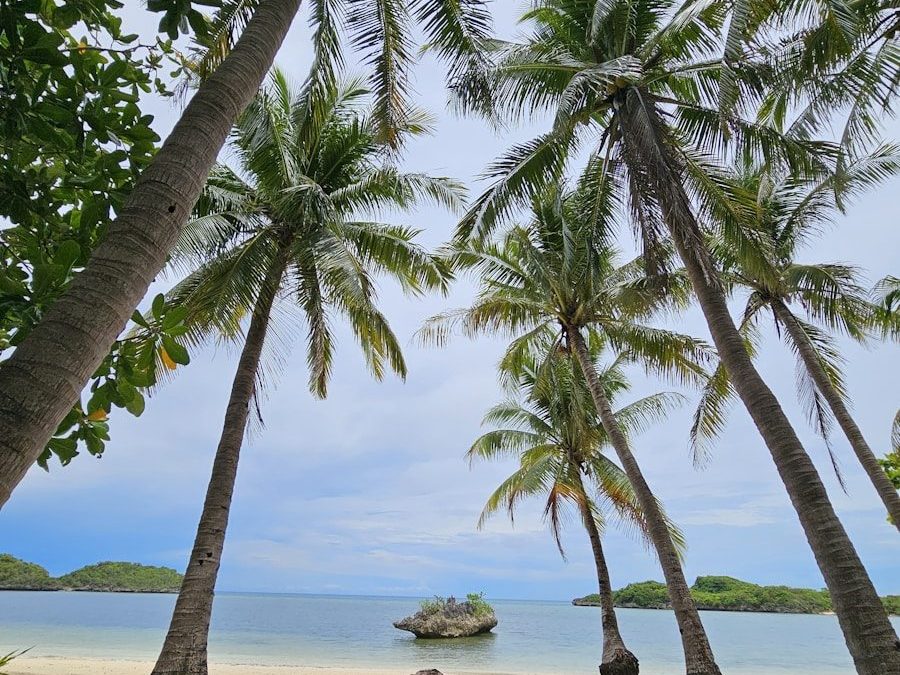
The Maldives is often called the flattest country in the world. Most of its land sits only about 1.5 meters, or 5 feet, above sea level.
This island country is famous for clear water, white sand, and peaceful resorts. It is a dream place for beach lovers and honeymoon travelers.
But its low land also makes it very open to rising sea levels. For visitors, the Maldives is not just beautiful. It is also a reminder of how fragile island life can be.
2. Tuvalu
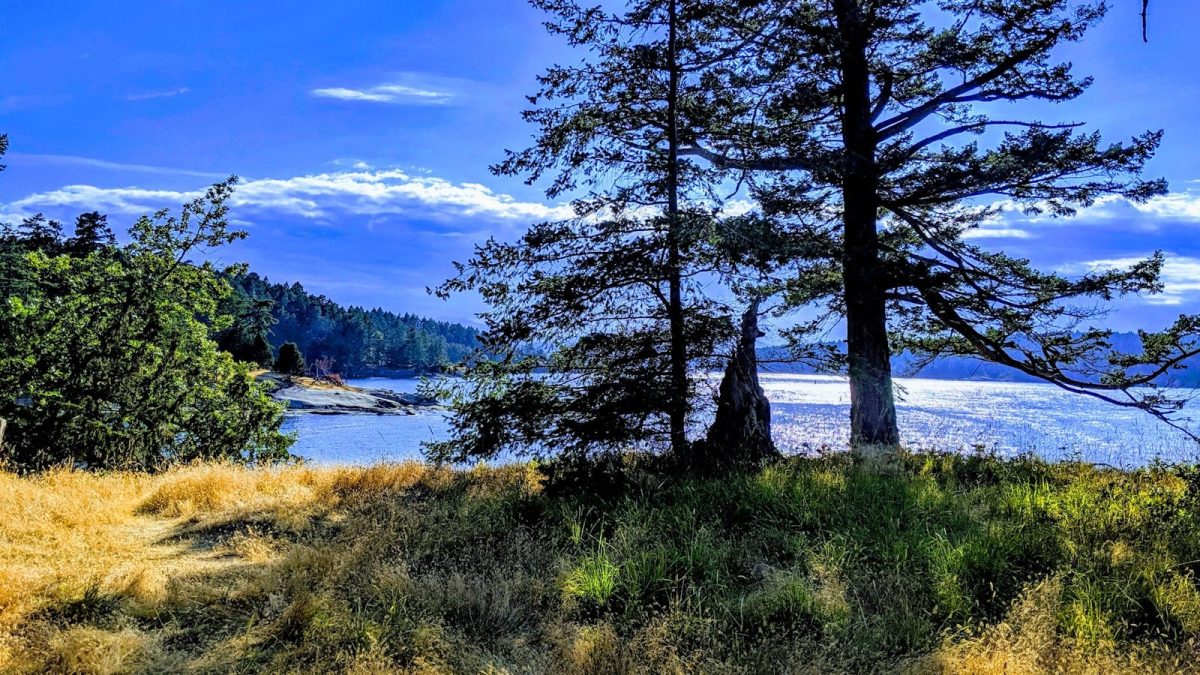
Tuvalu is a small island country in the Pacific Ocean. Its highest and lowest points are only about 5 meters, or 16 feet, apart.
Life here moves slowly. Travelers come for quiet beaches, local culture, and a feeling of being far away from busy cities.
Tuvalu is also one of the countries most at risk from sea level rise. Its flat land makes the ocean feel very close at all times.
3. Tokelau
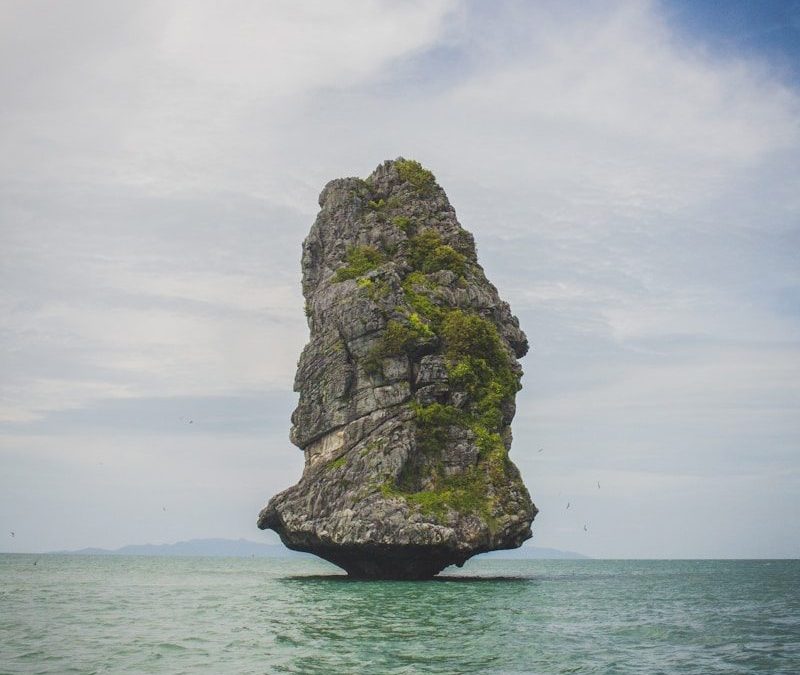
Tokelau is a small territory linked to New Zealand. It sits in the South Pacific and has an elevation span of only about 5 meters, or 16 feet.
This is not a place for mass tourism. It is remote, calm, and simple. Travelers who reach Tokelau find small island communities and a strong connection to the sea.
Because the land is so low, climate change is a serious worry here too.
4. Marshall Islands
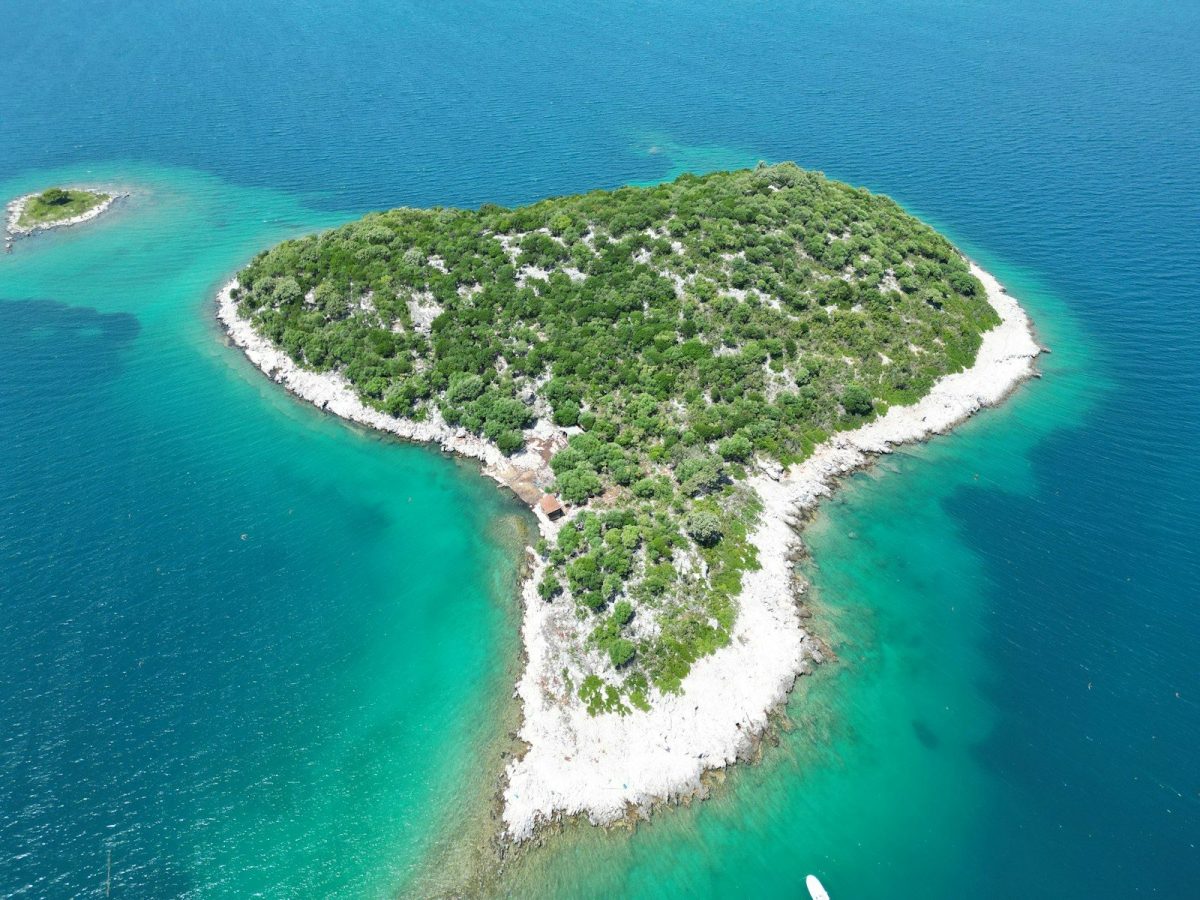
The Marshall Islands are made up of 29 coral atolls and five main islands in the northwestern Pacific Ocean. The elevation span is only about 10 meters, or 33 feet.
This island nation is known for lagoons, coral reefs, and World War II history. It is a special place for travelers who like remote islands and ocean views.
The flat land also means the country faces real risks from storms, flooding, and rising seas.
5. Netherlands
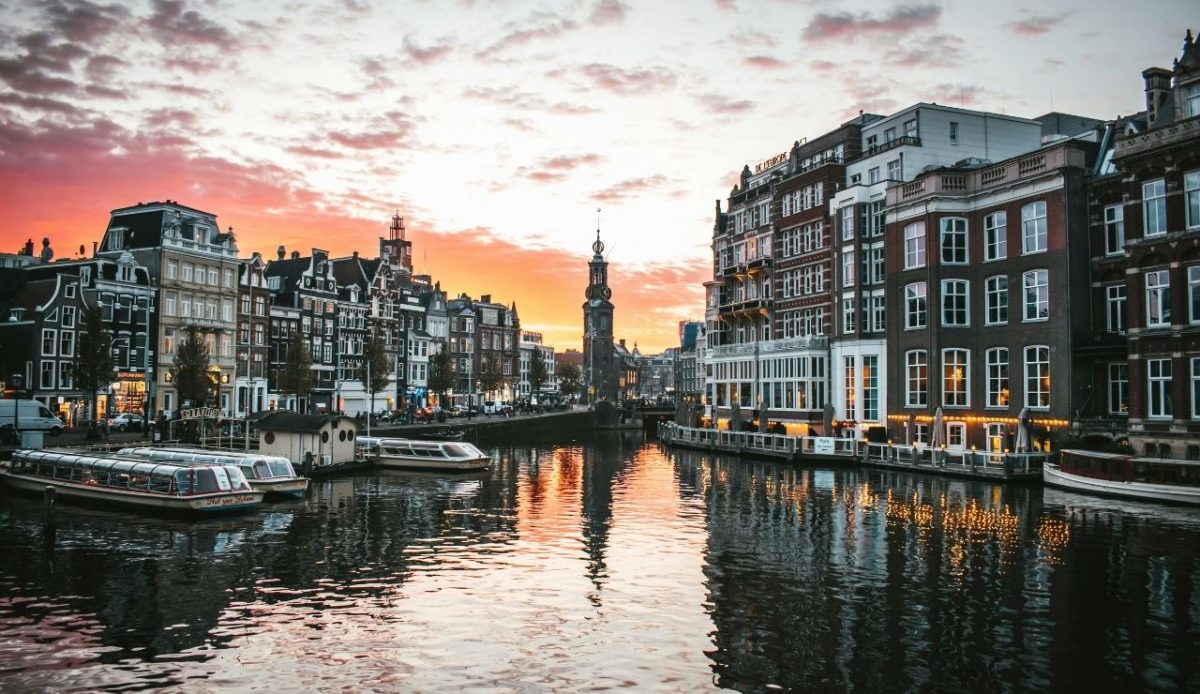
The Netherlands is the flattest country in Europe. More than half of the country is less than one meter, or 3.3 feet, above sea level.
For travelers, this flat land makes cycling very easy. Cities like Amsterdam and small Dutch towns are great for bike trips, canal walks, and relaxed exploring.
The country is also famous for its water control systems. Its flat land has shaped how people live, travel, and build.
6. Vatican City
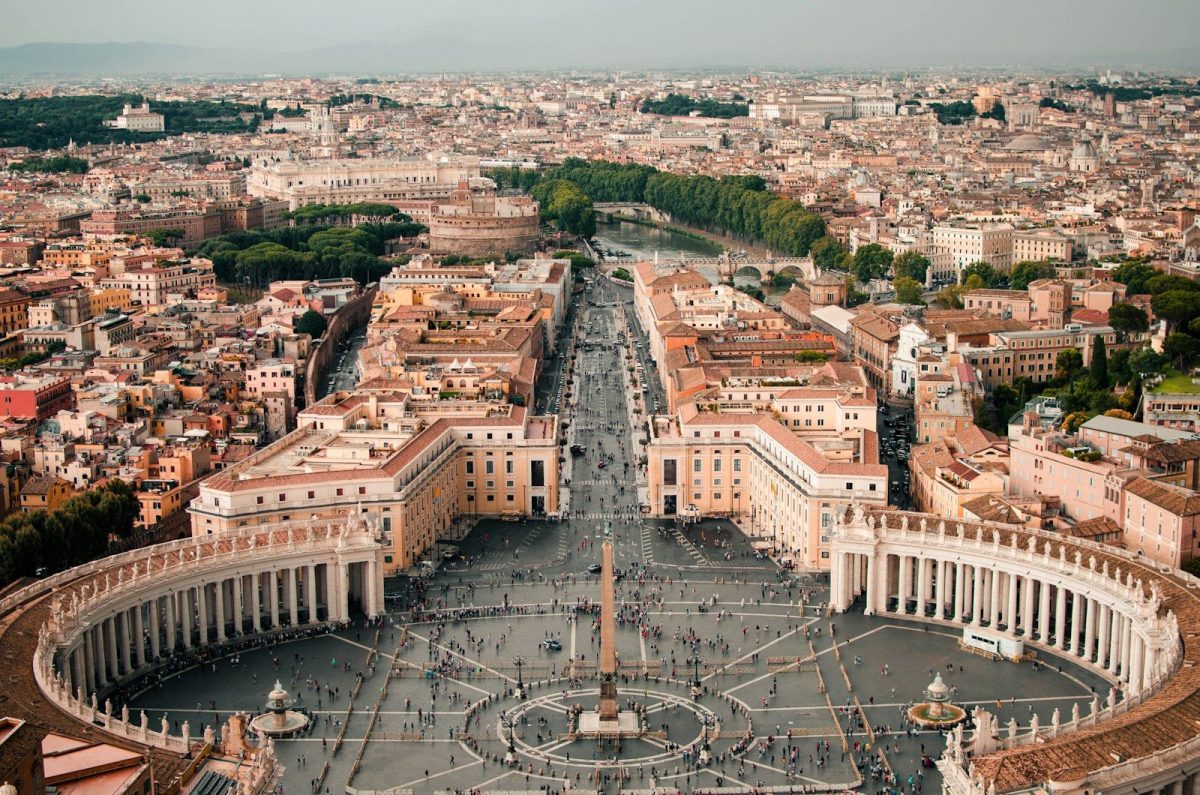
Vatican City is the smallest country in the world. It has an elevation span of about 42 meters, or 138 feet.
Even though it is tiny, it is one of the most visited religious and cultural places on Earth. Travelers come to see St. Peter’s Basilica, the Vatican Museums, and the Sistine Chapel.
Its flat and compact layout makes it easy to explore on foot.
7. Cayman Islands
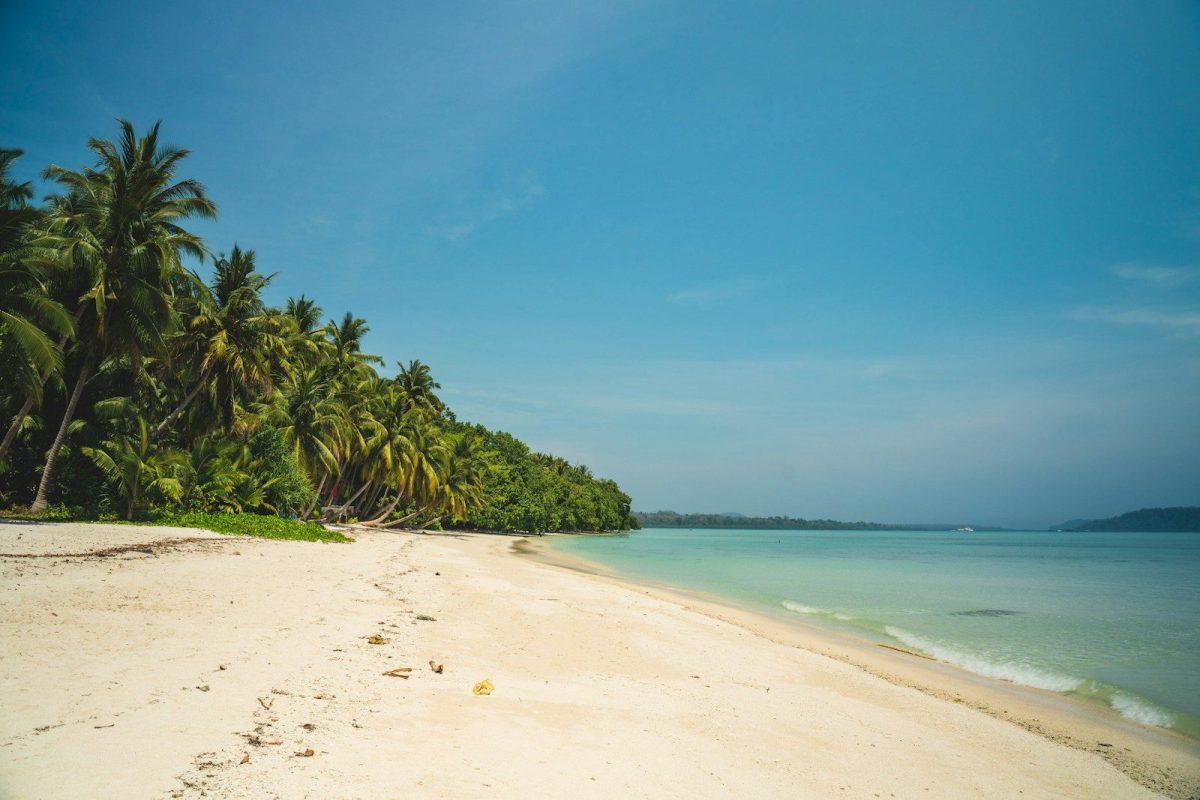
The Cayman Islands sit in the Caribbean Sea. This British Overseas Territory has an elevation span of about 46 meters, or 151 feet.
The islands are known for beaches, diving, and clear blue water. Many visitors come for snorkeling, boat trips, and relaxed island stays.
The low land gives the islands a soft, open feel, with the sea always nearby.
8. Turks and Caicos Islands
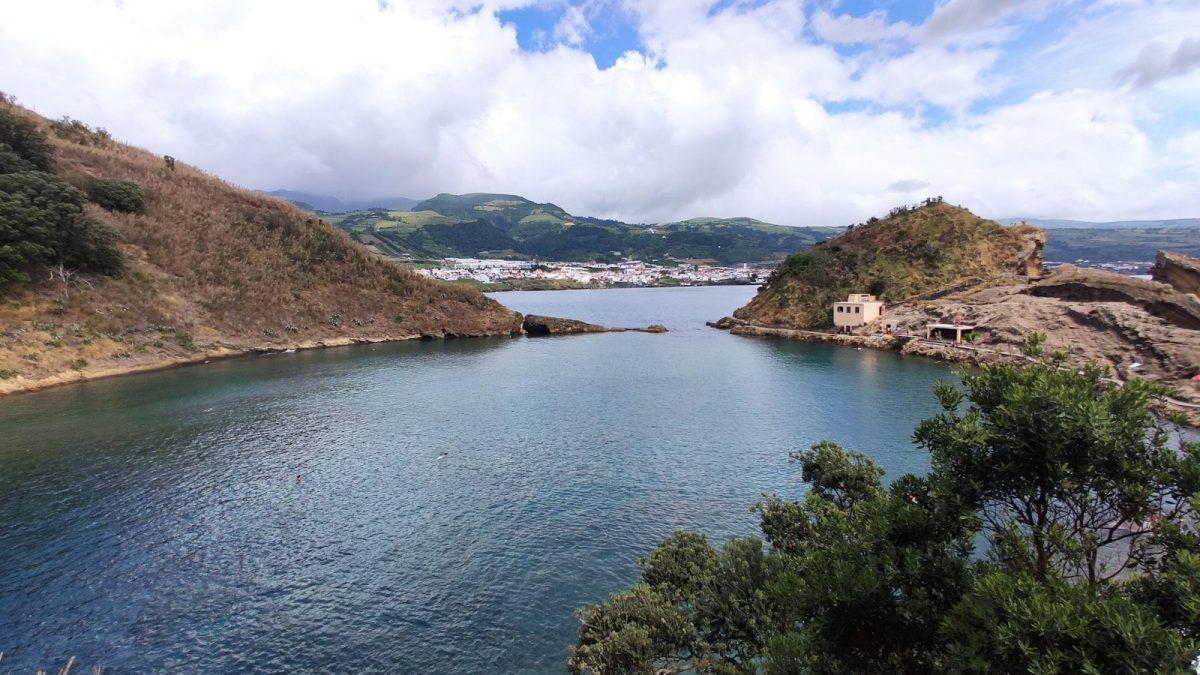
The Turks and Caicos Islands are in the Atlantic Ocean. Their elevation span is about 49 meters, or 161 feet.
This destination is famous for soft beaches and bright turquoise water. Grace Bay is one of its best-known beach areas.
The flat land makes the islands easy to enjoy. Many travelers spend their days walking beaches, swimming, or taking boat tours.
9. Bahamas
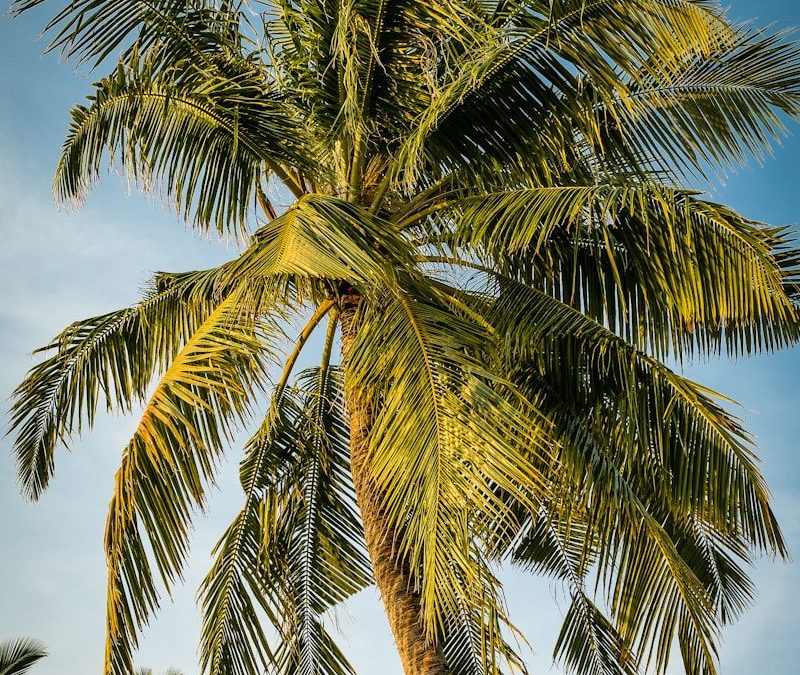
The Bahamas is an island country in the Atlantic Ocean. Its elevation span is about 63 meters, or 207 feet.
It is made up of many islands, each with its own feel. Some are lively and full of resorts. Others are quiet and more local.
For travelers, the Bahamas offers beaches, island hopping, boating, and warm weather. Its low land also keeps the sea close to daily life.
10. Gambia
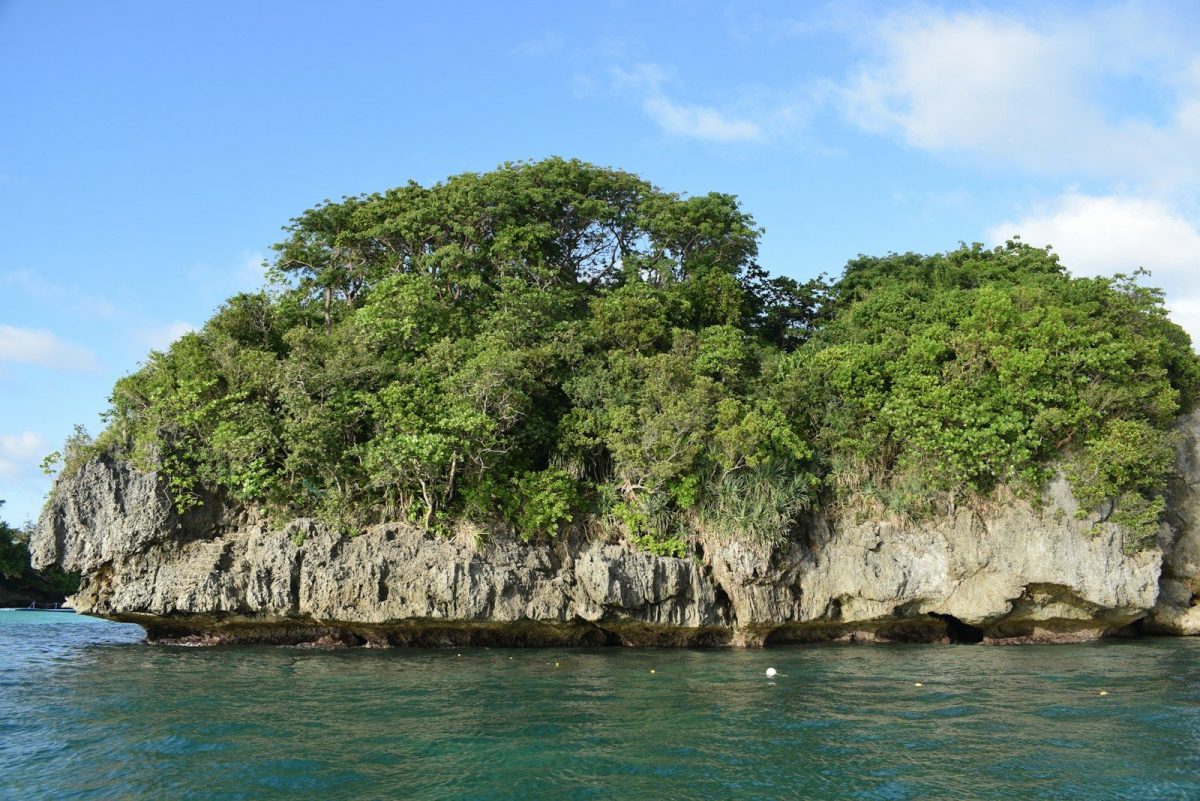
The Gambia is the smallest non-island country in Africa. It has an elevation span of about 64 meters, or 210 feet.
The country follows the Gambia River, which is a big part of its landscape and travel experience. Visitors can enjoy river trips, birdwatching, markets, and cultural sites.
Its flat land makes the river and coast feel like the heart of the country.
11. Nauru
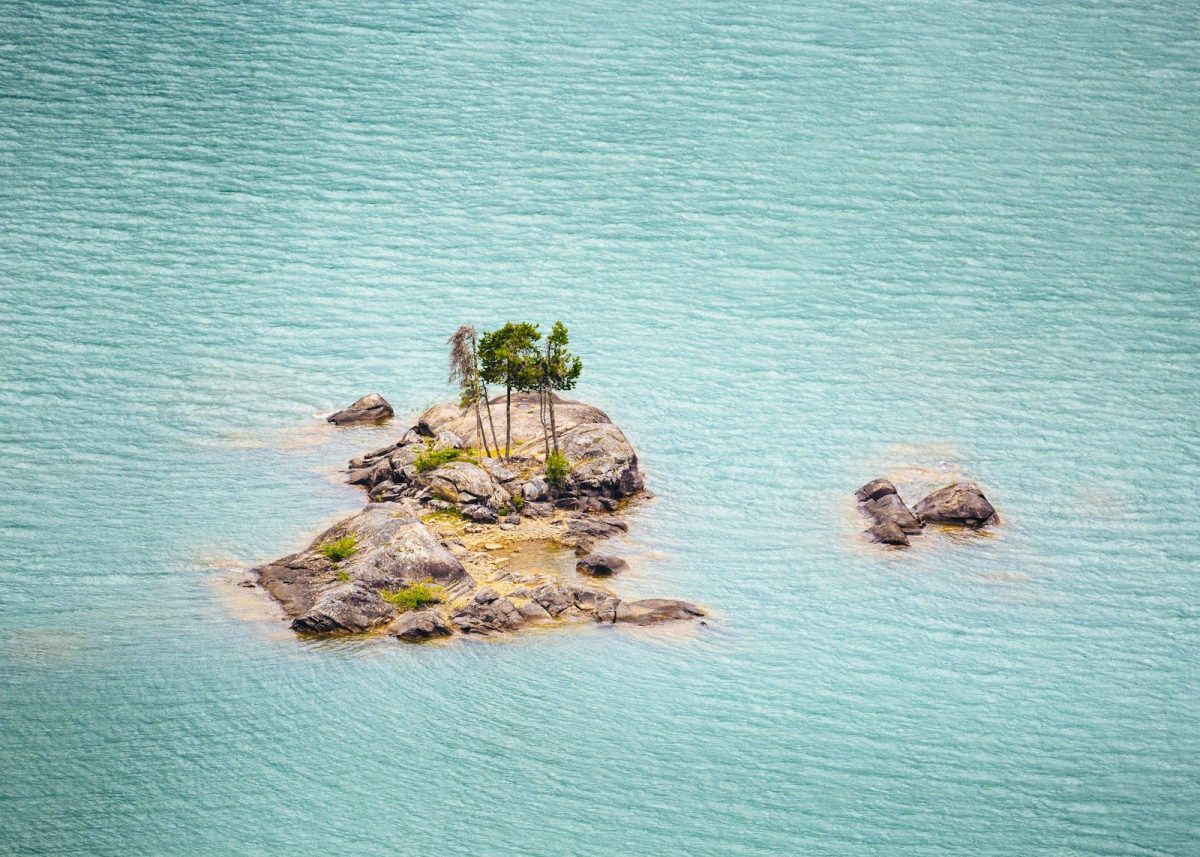
Nauru is a tiny island country in the South Pacific. It is the third-smallest country in the world and has an elevation span of about 65 meters, or 214 feet.
It is not a common tourist stop, but that makes it interesting for travelers who like unusual places. Nauru has a quiet island setting and a history shaped by phosphate mining.
Its small size and low land make it very different from typical travel destinations.
Why Flat Countries Are Worth Seeing
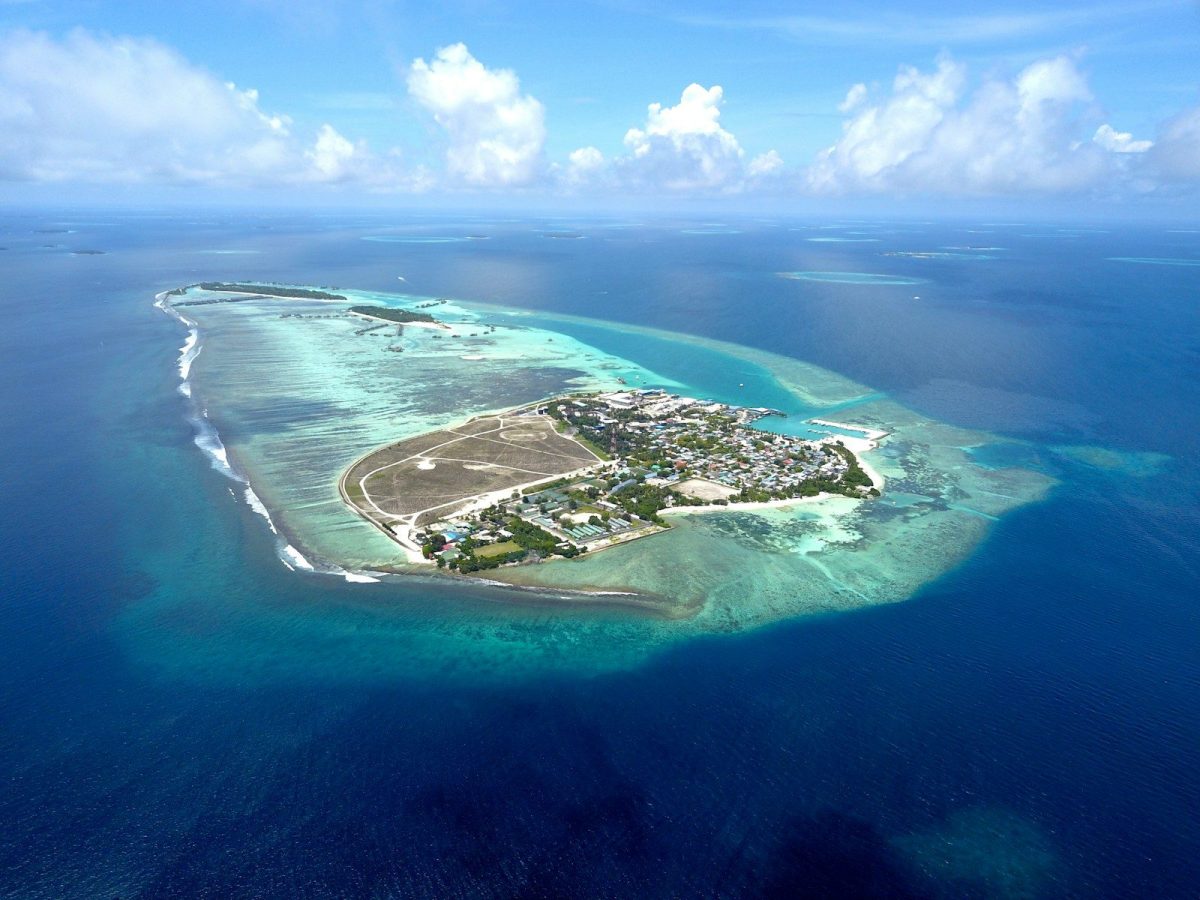
Flat countries may not have big mountain views, but they offer something else. They often have open skies, wide coastlines, peaceful beaches, and easy travel routes.
Many of these places also show how closely people live with the sea. For travelers, they are beautiful places to visit. They are also places where nature, climate, and daily life are deeply connected.
