
Tourism happens in shared places, so visitors are often being noticed even when nobody says anything directly. In city centers, coastal towns, historic districts, and resort areas, locals quickly pick up on how tourists move through streets, use public space, take photos, queue, and talk to staff. Most reactions stay unspoken, but the behavior still affects how respectful or disruptive a visitor seems.
That quiet local awareness matters more than many travelers realize. A place may depend on tourism, yet residents still notice when guests treat neighborhoods like backdrops or ignore the pace of everyday life around them.
These are nine tourist behaviors locals may not openly challenge, but they are very likely watching all the same.
1. Stopping Without Looking in Busy Public Spaces
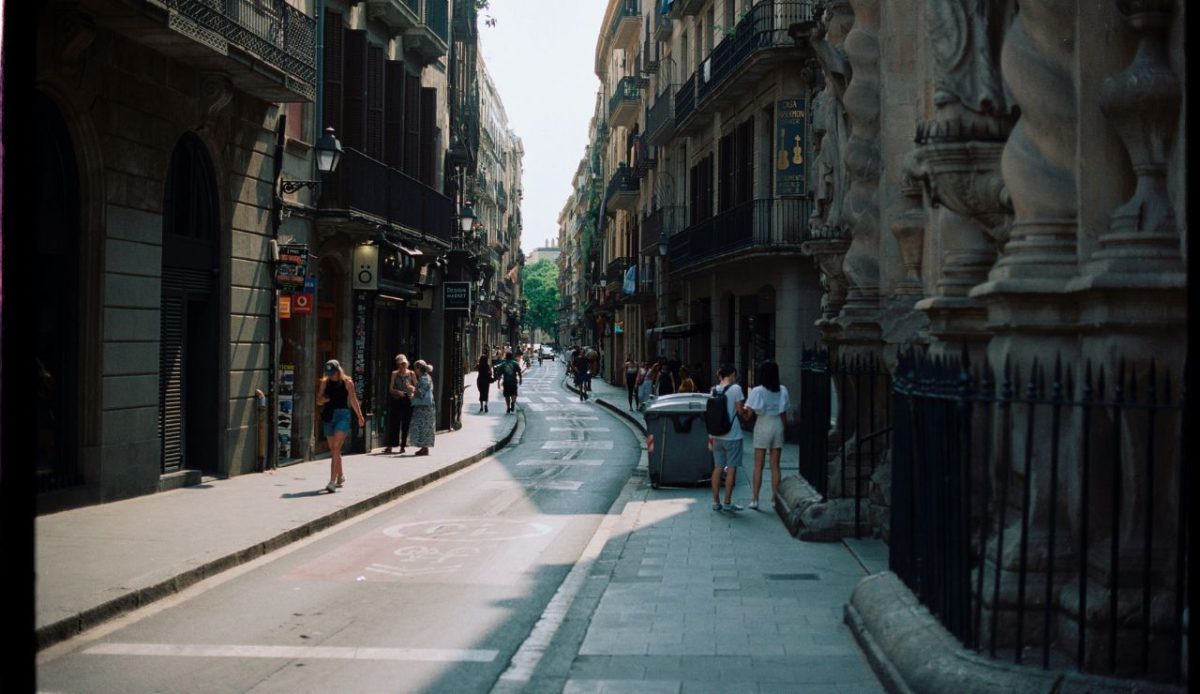
One of the fastest ways tourists stand out is by stopping suddenly in the middle of busy walkways. It often happens when someone checks directions, spots a landmark, or decides it is time for a photo. In a crowded area, that quick pause can interrupt the flow for commuters, workers, and residents trying to move through the space.
Locals are used to sharing streets with visitors, but they still notice when people block stairs, entrances, pavements, or station corridors without looking around first. The problem is rarely the stop itself. It is the lack of awareness about who else needs to pass.
That behavior reads as inconsiderate rather than curious. Even when nobody says anything, it often shapes a local’s impression immediately.
2. Treating Everyday Streets Like Personal Photo Sets
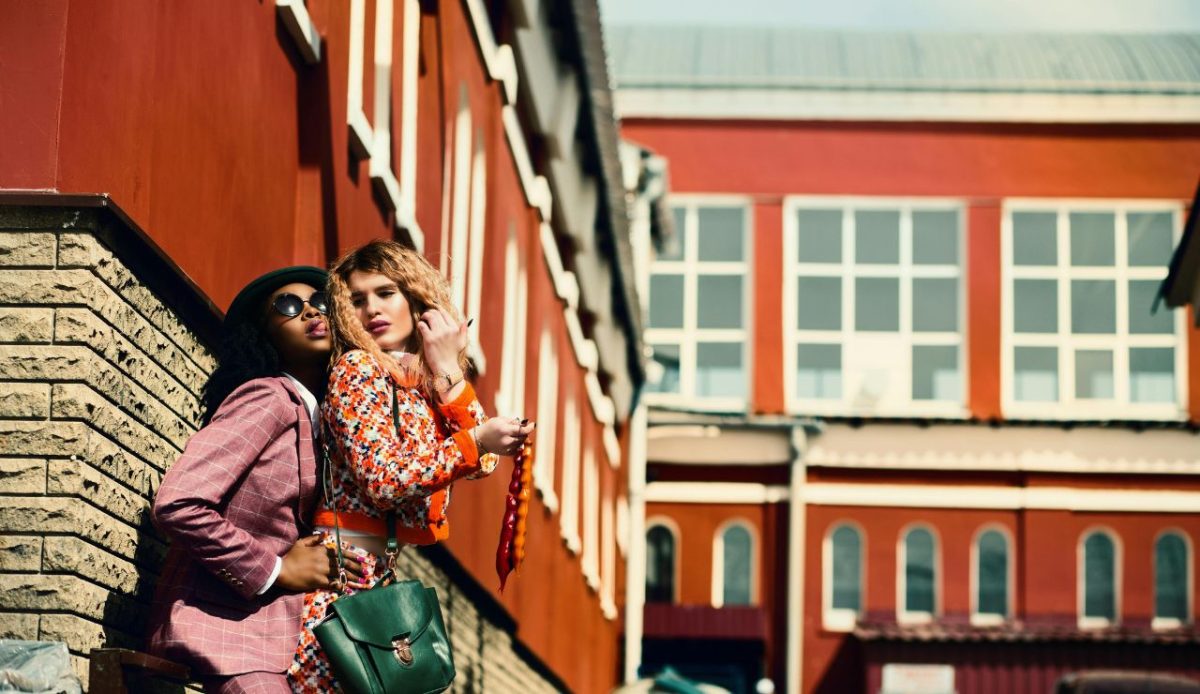
Photo-taking is part of modern travel, but locals notice when it overrides awareness. A traveler may stand in front of a shop entrance, lean into a private doorway, or photograph a residential street as if it exists only for visitors. None of that may lead to confrontation, yet it rarely goes unseen.
The tension is not about cameras alone. It is about turning ordinary life into a backdrop without considering who lives, works, or moves through that setting each day. People opening shutters or stepping out for errands may suddenly feel pulled into someone else’s content.
Residents often stay polite, but repeated moments like this can make tourism feel intrusive. The camera may leave quickly, while the local discomfort lasts longer.
3. Speaking at a Volume That Does Not Fit the Setting

Locals also pay attention to volume. Visitors on holiday are often relaxed and moving in groups, which can make them louder than they realize. A conversation in a hotel corridor, a phone call on public transport, or laughter through a quiet square may feel normal to the traveler but disruptive to nearby residents.
This stands out even more in places where daily life moves at a lower volume, especially early or late in the day. In residential streets, apartment buildings, and small cafés, noise travels differently than it does in nightlife districts.
Nobody may step in to correct it. Even so, locals are aware of which visitors are adapting to the setting and which ones expect the setting to adapt to them.
4. Ignoring Local Norms Until They Become Inconvenient
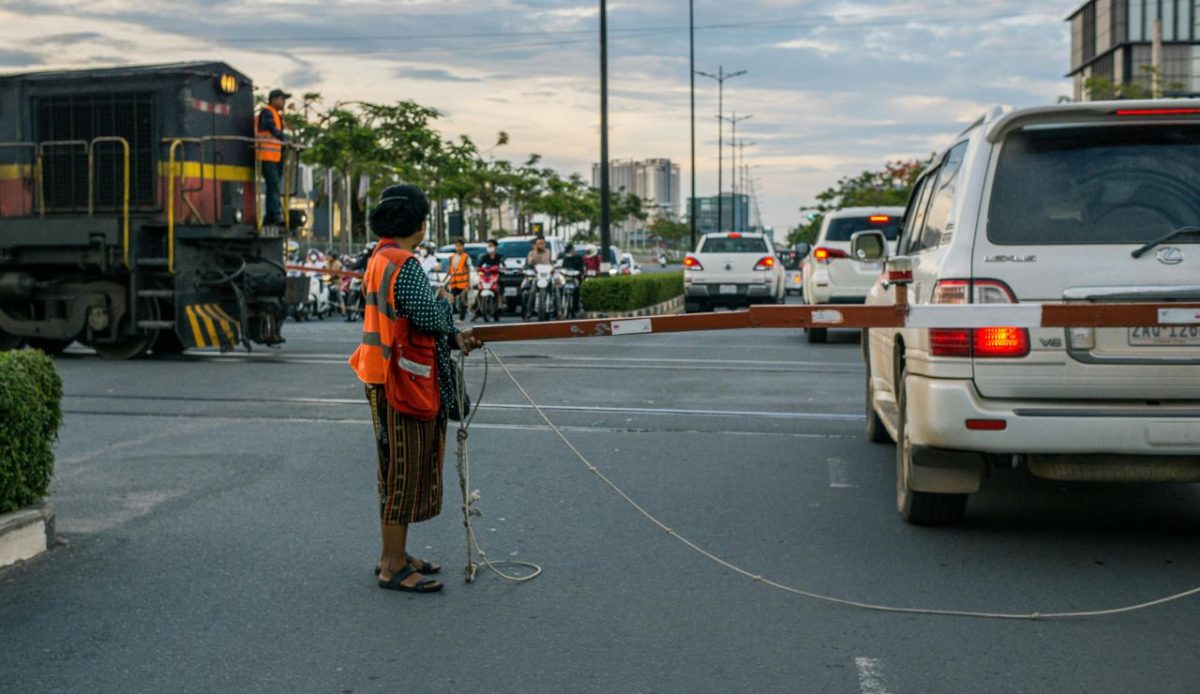
Another behavior locals notice is when tourists treat every custom as optional unless it suits them. That can mean ignoring queue order, entering religious spaces dressed inappropriately, or assuming that posted rules do not apply to short-term visitors. The behavior may seem minor, but it rarely goes unnoticed.
In many destinations, etiquette helps public life stay functional. Small habits around dress, timing, greetings, tipping, transport, or noise reflect what people in that place consider normal and respectful.
Visitors are not expected to know everything immediately, but locals notice the difference between someone trying to observe local norms and someone acting as though the destination exists mainly for tourist convenience.
5. Being Rude to the People Keeping Tourism Running

Staff in cafés, markets, museums, and hotels are often the first people to absorb the tone tourists bring with them. Locals notice when visitors speak sharply to service workers, complain impatiently, or act as though language differences are a personal inconvenience. Even if the exchange stays calm, the attitude is obvious.
In many places, residents are sensitive to how tourists treat workers because those employees deal with visitor behavior every day. A rushed tone, dismissive gesture, or refusal to attempt a basic greeting can signal entitlement.
Politeness is remembered, and so is disrespect. Locals may not interrupt the moment, but they pay attention to which guests engage with people and which ones treat them like obstacles.
6. Searching for “Authenticity” in a Performative Way
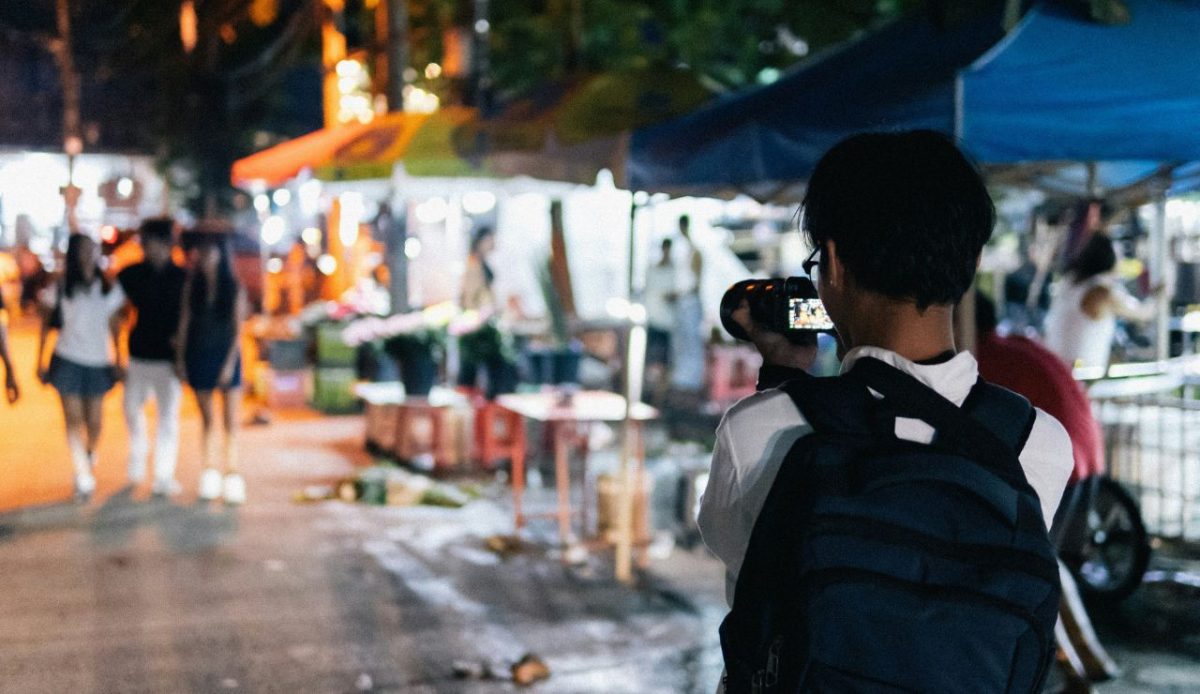
Tourists want to see the most authentic side of a destination, but locals notice when that search turns performative. Some visitors treat markets, homes, religious spaces, or working neighborhoods like exhibits for visitors. They may ask intrusive questions, film too freely, or act disappointed when ordinary life looks ordinary.
Travelers say they want something real, yet sometimes react only when the setting matches a romantic idea they already had before arriving. Anything less curated can be dismissed as not worth the stop.
That attitude can make a place feel reduced to a concept rather than respected as a living community. Locals notice when curiosity is genuine and when it is mostly a search for a story.
7. Forgetting That Public Transport Is Shared Space
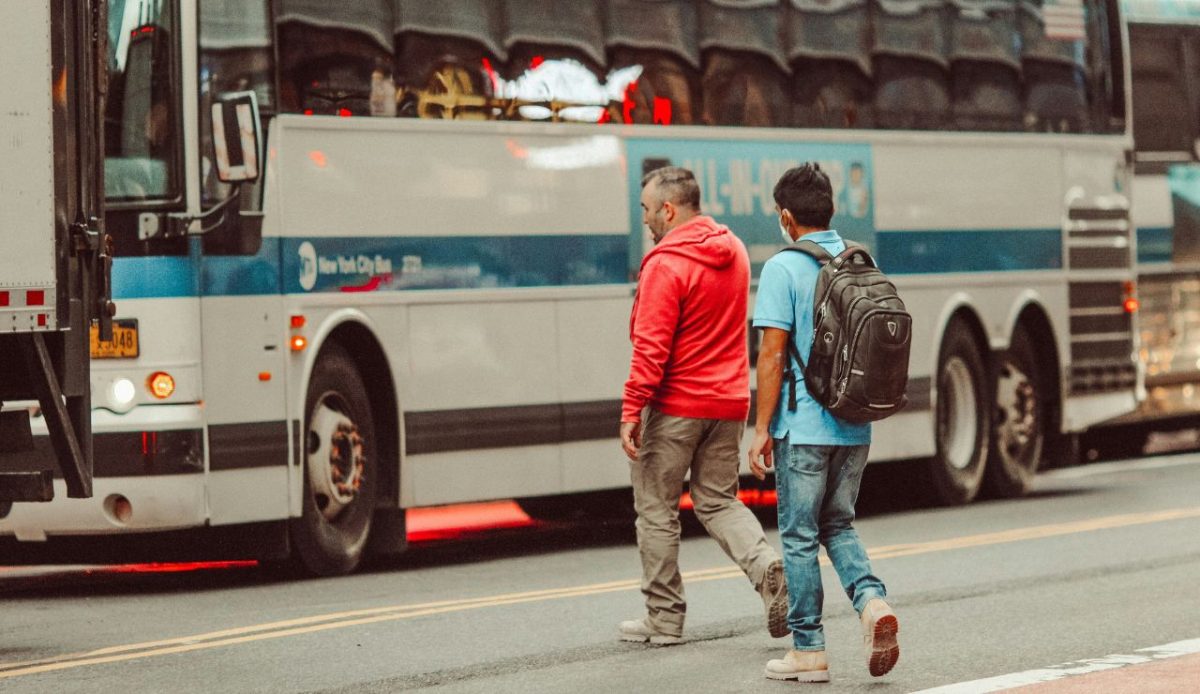
Shared transport is another setting where tourist habits become visible. On trains, buses, ferries, and airport links, locals notice oversized luggage blocking aisles, people spreading across seats, or groups failing to prepare tickets and bags before a crowded exit. These details stand out in daily transit.
Residents using transport for work, school, or errands usually move with practiced efficiency. When visitors stop suddenly, reorganize belongings at the doorway, or ignore the boarding flow, they can slow down everyone around them.
Few locals will comment unless the disruption becomes serious. Still, transport behavior shows whether a traveler understands shared routines or moves as though only their journey matters.
8. Talking About a Place as It Exists for Bargains

Another thing locals quietly watch is how tourists speak about prices, neighborhoods, and daily life. Visitors may describe a place as cheap, exotic, undeveloped, or perfect for escape without considering how that language sounds to residents. What feels casual to a traveler can sound dismissive to a resident.
Locals may hear outsiders praise affordability while residents deal with higher costs shaped partly by visitor demand and short-term stays.
No argument may follow, but the wording still lands. People remember whether a tourist spoke with respect and context or treated the place like a bargain built mainly for outside enjoyment over local reality.
9. Expecting the Destination to Perform on Command

Locals also notice when tourists move through a destination as if it exists only to entertain them. It appears in small ways, such as impatience when things close early, frustration with public holidays, or annoyance that a neighborhood feels residential instead of lively all day. The expectation is that the place should perform on demand.
For residents, shops close, buses run late, streets get quiet, and daily routines continue whether or not that suits visitors. A destination is not a permanent display. It is a functioning community with rhythms not built around guest expectations.
Locals may say nothing, but they are aware of which travelers are participating respectfully and which ones are treating real places like service environments.
