
Travel trends spread fast, and many habits that look smart on social media can make real trips harder, more expensive, or more stressful. Experienced travelers usually learn that convenience is not always the same as good planning, and popular routines are not always the ones that hold up once delays, crowds, and changing conditions enter the picture.
Over time, seasoned travelers tend to cut out behaviors that waste time, reduce flexibility, or create avoidable friction. Their choices are often less flashy but far more practical.
These are nine common travel habits many people follow, but experienced travelers are more likely to leave behind.
1. Overpacking for Every Possibility

Packing for every possible scenario often feels responsible, but experienced travelers know it usually creates more problems than it solves. Heavy bags slow down transfers, make stairs and public transport harder, and raise the chance of paying extra baggage fees. They also make it harder to stay organized once the trip is underway.
Seasoned travelers usually pack around realistic needs, not unlikely situations. They choose versatile clothing, repeat key items, and leave space for changes along the way.
A lighter bag means faster movement, easier decisions, and less physical strain, especially on trips with multiple stops or unpredictable schedules.
2. Booking Every Hour of the Trip
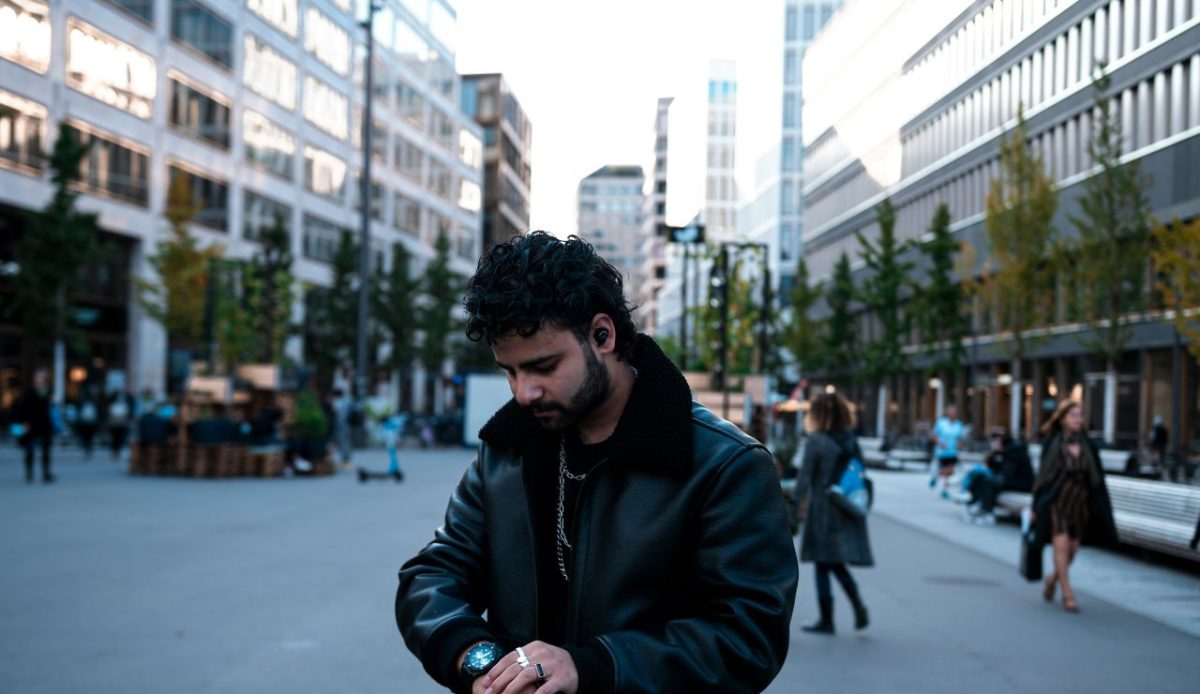
Filling a travel itinerary from morning to night can look efficient, but experienced travelers often avoid schedules with no breathing room. Tight plans leave little space for delays, weather changes, unexpected closures, or simple fatigue. When one thing runs late, the rest of the day can quickly become stressful.
More experienced travelers usually plan a few priorities and leave open time between them. That flexibility makes it easier to adjust without feeling that the trip is falling apart.
A little empty space in an itinerary is often what keeps the entire journey manageable, pleasant, and easier to adapt.
3. Eating Only Near Major Attractions

Restaurants closest to famous landmarks are often convenient, but experienced travelers know those areas can prioritize speed, foot traffic, and visibility over value or quality. Menus may be more generic, prices may be higher, and service can feel designed for quick turnover rather than a memorable meal.
Travelers with more experience often walk a little farther, eat a bit earlier or later, or look in nearby residential and business areas instead. Those small changes can open up better options.
The goal is not to avoid popular districts entirely, but to recognize that the best food on a trip is rarely the first place directly facing the main square or monument.
4. Relying Fully on Airport Exchange Counters

Airport currency exchange counters are easy to spot, which is exactly why many travelers use them without much thought. Experienced travelers tend to avoid depending on them because rates are often less favorable and service fees can quietly increase the overall cost. Convenience at the terminal can come at a surprisingly high price.
More seasoned travelers usually prepare before departure, compare exchange options, or rely on cards and cash withdrawal methods with clearer terms. Even a little planning can protect the travel budget.
The lesson is simple: quick access to money matters, but the easiest option in the airport is not always the smartest one once fees are taken into account.
5. Treating Travel Days Like Normal Days
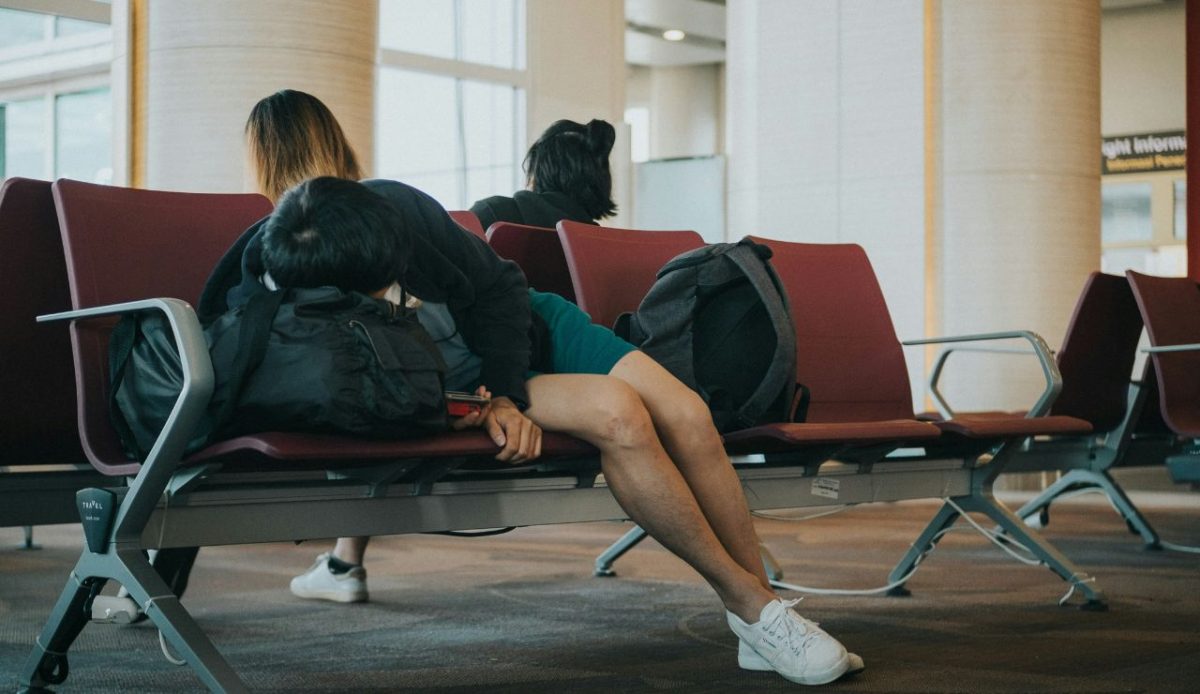
Travel days are often more demanding than they appear. Even short journeys involve lines, waiting, navigation, transfers, and small decisions that add up over time. Experienced travelers usually avoid stacking heavy sightseeing, long meals, or important reservations onto arrival and departure days because those plans are easiest to disrupt.
Instead, they often treat travel days as transition periods with lighter expectations. A simple walk, one flexible meal, or a short nearby activity is usually easier to manage.
That approach reduces stress and makes the day feel more realistic. It also protects the rest of the trip from being shaped by exhaustion, lateness, or missed connections right at the start.
6. Assuming Online Advice Fits Every Traveler

Travel advice online can be useful, but experienced travelers know that not every recommendation suits every trip. A packing list, transit tip, or neighborhood guide that works for one person may not work for another with a different budget, schedule, mobility level, or travel style. Popular advice can sound universal when it is not.
More practiced travelers usually treat online content as a starting point rather than a rulebook. They compare sources, check local details, and adjust advice to fit their own priorities.
That habit helps them avoid copying routines that look smart in theory but create inconvenience in practice once they reach the destination.
7. Chasing Every Viral Photo Spot
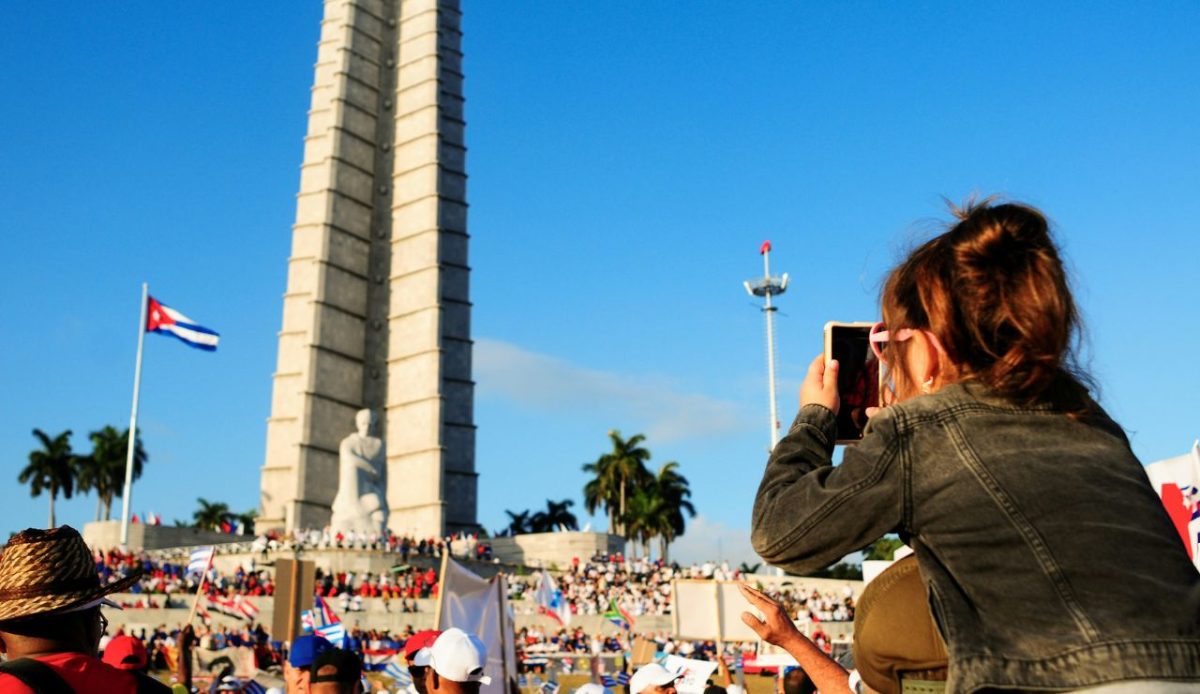
Viral travel images can create strong expectations, but experienced travelers often avoid building a trip around every famous photo location. Popular spots may involve long lines, timed access, crowd control barriers, or angles that look very different in real life. The effort required to recreate a specific image can outweigh the value of the stop itself.
Travelers with more experience usually focus on the wider place rather than one heavily repeated shot. They leave room for streets, views, and moments that are not built around online trends.
That shift often makes travel feel less performative and more grounded in the destination, rather than in the pressure to prove that they visited the same places as everyone else.
8. Ignoring Rest to Maximize Value
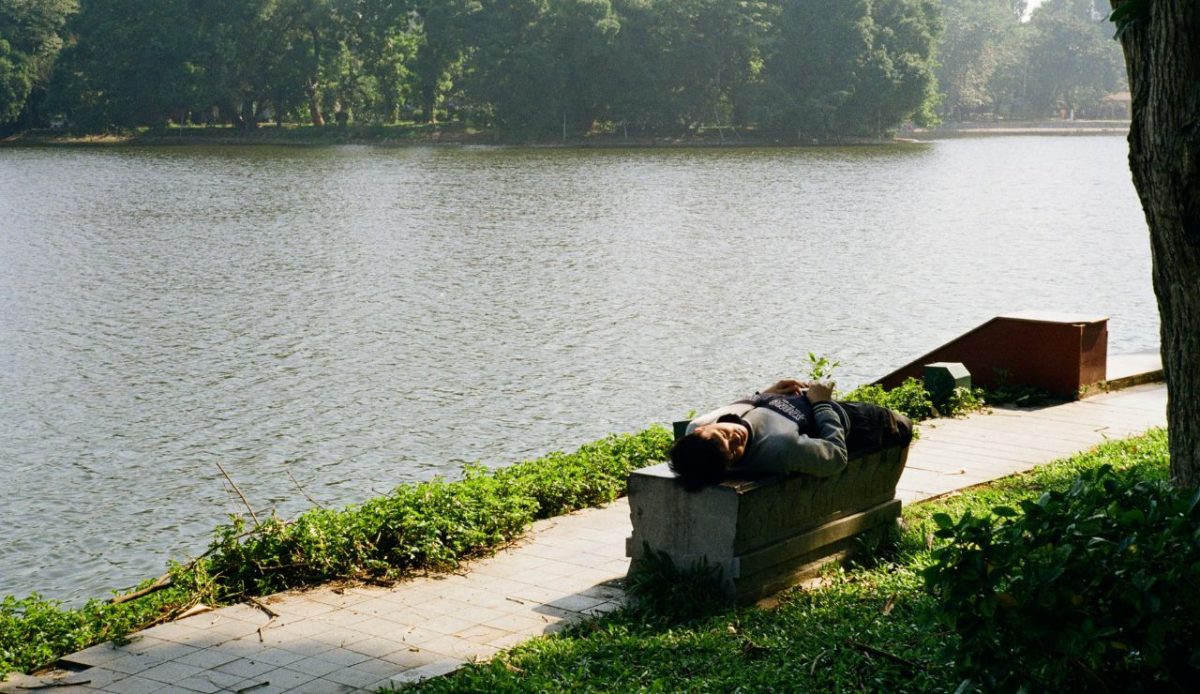
Many travelers try to squeeze as much as possible from every day because they want the trip to feel worth the cost. Experienced travelers usually learn that nonstop activity can reduce value rather than increase it. Fatigue affects judgment, patience, and enjoyment, and it can turn even well-planned outings into something that feels rushed or forgettable.
More seasoned travelers build in rest on purpose, whether that means a slower morning, a quiet afternoon, or an earlier return at night. Recovery is part of the plan, not a wasted gap.
Trips often become more enjoyable when energy is managed well. Seeing slightly less can lead to remembering more and experiencing each stop with greater attention.
9. Leaving All Planning Until Arrival

Spontaneity has real appeal, but experienced travelers usually avoid arriving with no preparation at all. Waiting until arrival to think about transport, entry rules, opening times, payment methods, or local booking patterns can waste valuable time and lead to unnecessary costs. Some choices are easier when handled before the trip begins.
More experienced travelers tend to plan the essentials first and leave the rest flexible. They secure the pieces that are harder to solve on the ground and improvise around the rest.
That balance keeps the trip open without making basic logistics harder than they need to be. Good travel planning is often less about controlling everything and more about removing avoidable friction.
