
Tourism supports many cities by sustaining hotels, restaurants, transport, and local businesses. At the same time, rising visitor numbers can create daily pressure for the people who live there throughout the year.
As tourism expands, residents often deal with crowded streets, higher rents, and public spaces that feel less available for ordinary local use. What helps the economy can also strain housing, mobility, and services.
The issue is no longer whether visitors are welcome. It is whether cities can protect local life while continuing to depend on tourism as a major source of jobs, revenue, and urban activity.
Housing pressure grows as visitor demand expands
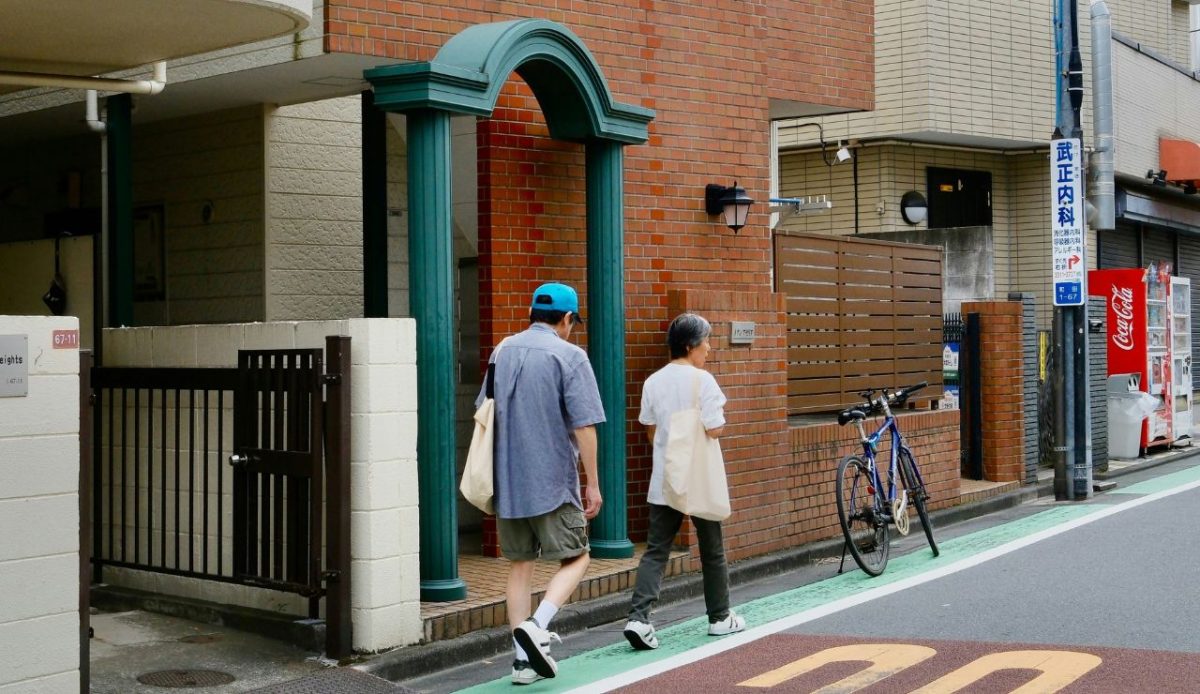
In many tourism-led cities, short-term rentals reduce the supply of long-term housing for residents. Homes once used by local families are often converted into visitor stays in central neighborhoods.
This can raise rents faster than local wages and make it harder for workers to live near their jobs. Service staff, younger residents, and long-term tenants are often hit first as housing choices become more limited.
As affordability declines, frustration grows. Many residents feel their city is being shaped more for temporary guests than for the people who maintain communities, services, and everyday life throughout the year.
Public spaces become harder for residents to use
In popular destinations, parks, squares, waterfronts, and historic streets are often filled with visitors for much of the day. This may help local businesses, but it also makes ordinary movement more difficult.
Crowding changes how residents experience familiar places. Streets become slower, louder, and more commercial, especially during peak months when tours, buses, and visitor traffic dominate the environment.
Over time, some residents begin to avoid central areas. Places once used for errands, leisure, or neighborhood gatherings can feel increasingly organized around visitor activity rather than local daily routines.
Local services shift toward visitor spending
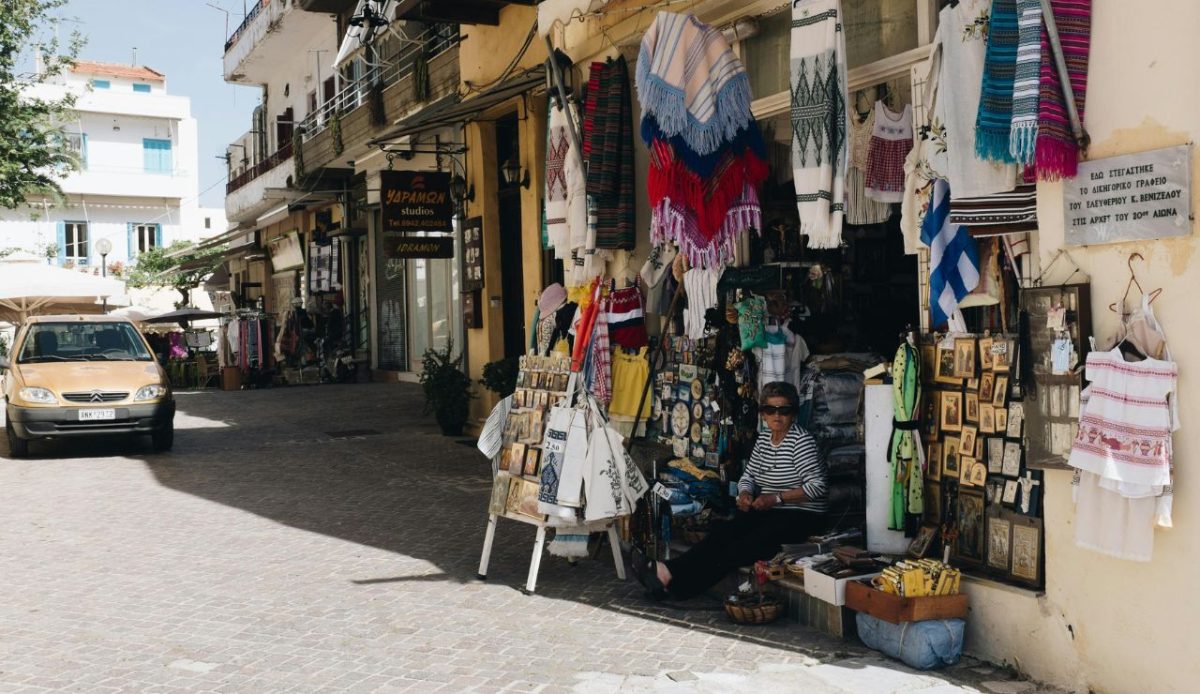
As tourism grows, businesses often adapt by focusing on souvenirs, quick dining, and premium experiences. In busy districts, practical local services such as grocers, repair shops, and pharmacies may become less common.
Commercial rents often rise with visitor demand. This makes it harder for everyday businesses to remain in central neighborhoods, where landlords may favor tenants who can earn more from seasonal foot traffic.
The result is a district that stays active but becomes less useful for residents. People may still live nearby, yet the services around them no longer reflect basic daily needs or long-term community stability.
Residents respond with protest and policy demands
In some cities, frustration over tourism pressure has moved into public protests and neighborhood campaigns. Residents are calling for tighter rental rules, better crowd control, and stronger housing protection.
These demands do not always mean people oppose tourism itself. More often, they reflect a call for limits that prevent visitor activity from overwhelming local systems and reducing the everyday urban quality of life.
The larger question is whether city leaders respond in time. When residents feel ignored, tourism stops being only an economic issue and becomes a wider debate about fairness, planning, and public trust.
Cities search for a more balanced tourism model
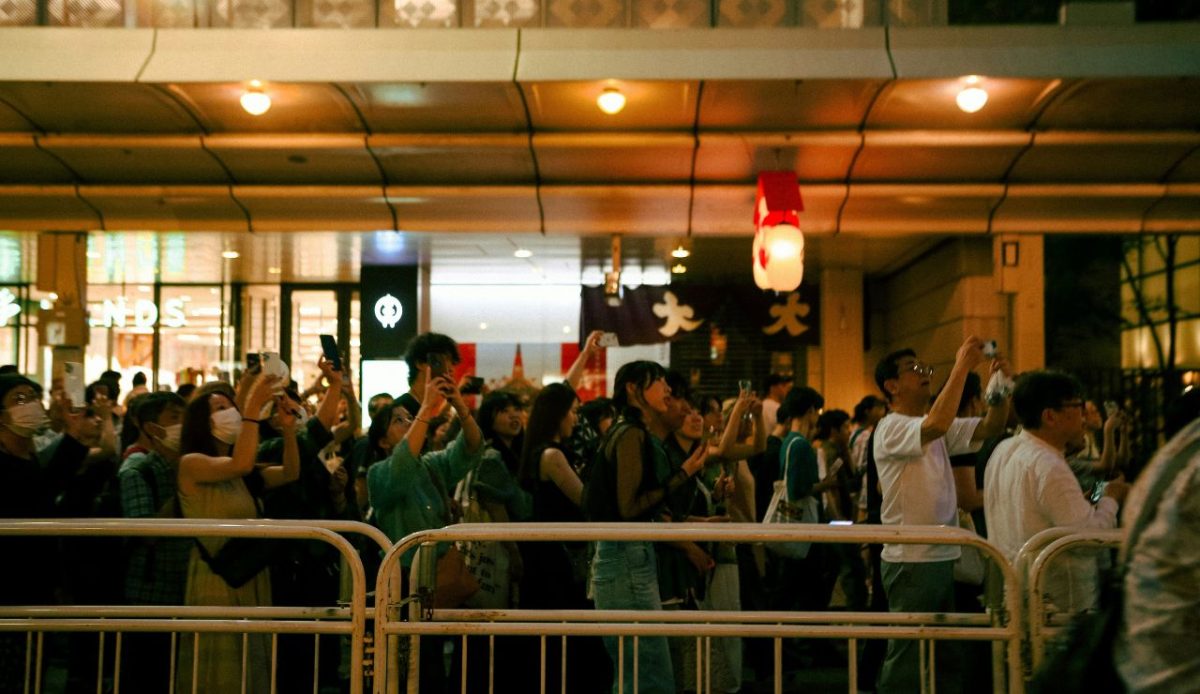
Many destinations are now testing ways to reduce pressure without damaging the jobs and revenue linked to tourism. Measures include visitor caps, timed entry systems, and stricter rules for short-term rentals.
Some cities are also spreading tourism across different seasons and neighborhoods to reduce crowding in the busiest areas. Others are improving transport, waste services, and street management to handle demand better.
Long-term success depends on treating residents as central to tourism planning. Cities that protect local livability are more likely to remain attractive to visitors while keeping tourism workable over time.
