
Knowing gun safety rules is not the same as applying them automatically. Many owners, especially those who shoot infrequently, understand the basics in theory but have not repeated them enough for those habits to become instinctive. That missing step usually shows up during ordinary handling, not dramatic emergencies.
When safety behavior has not been reinforced through practice, people tend to rely on memory, assumption, or comfort. That is where small handling errors begin to appear, even among owners who believe they are being careful.
These signs do not always mean recklessness. More often, they point to a lack of consistent repetition. Recognizing them can help owners build safer routines before those weak spots become serious.
1. Muzzle Awareness Breaks Down Under Routine Handling
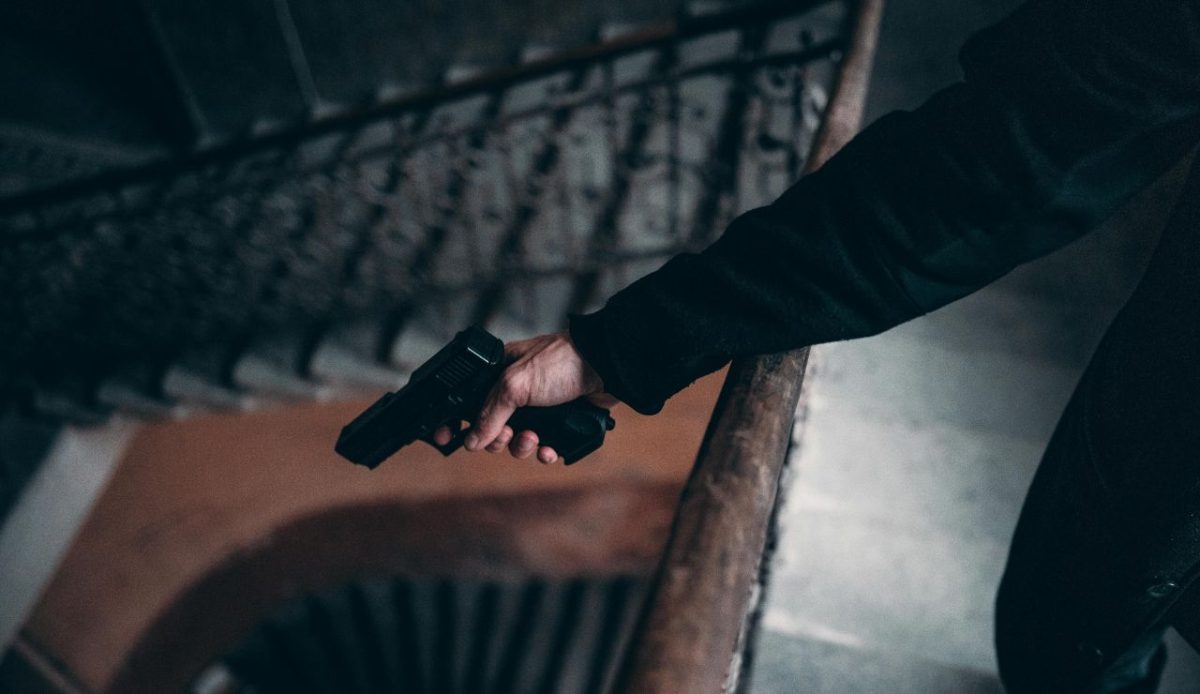
One of the clearest signs of skipped habit-building is poor muzzle awareness during simple tasks. A firearm may briefly point at a leg, a nearby person, or an unsafe direction while being moved, checked, or put away. The owner may correct it quickly, but the lapse still reveals weak repetition.
This usually happens when safe handling has been learned as a rule to remember rather than a behavior practiced until it becomes automatic. Under distraction, the hands move before the mind catches up.
Consistent safety practice trains people to monitor direction at all times, not only when they are actively preparing to shoot. When muzzle control slips during normal handling, it often shows that the most important step has not fully taken hold.
2. The Trigger Finger Does Not Stay Disciplined
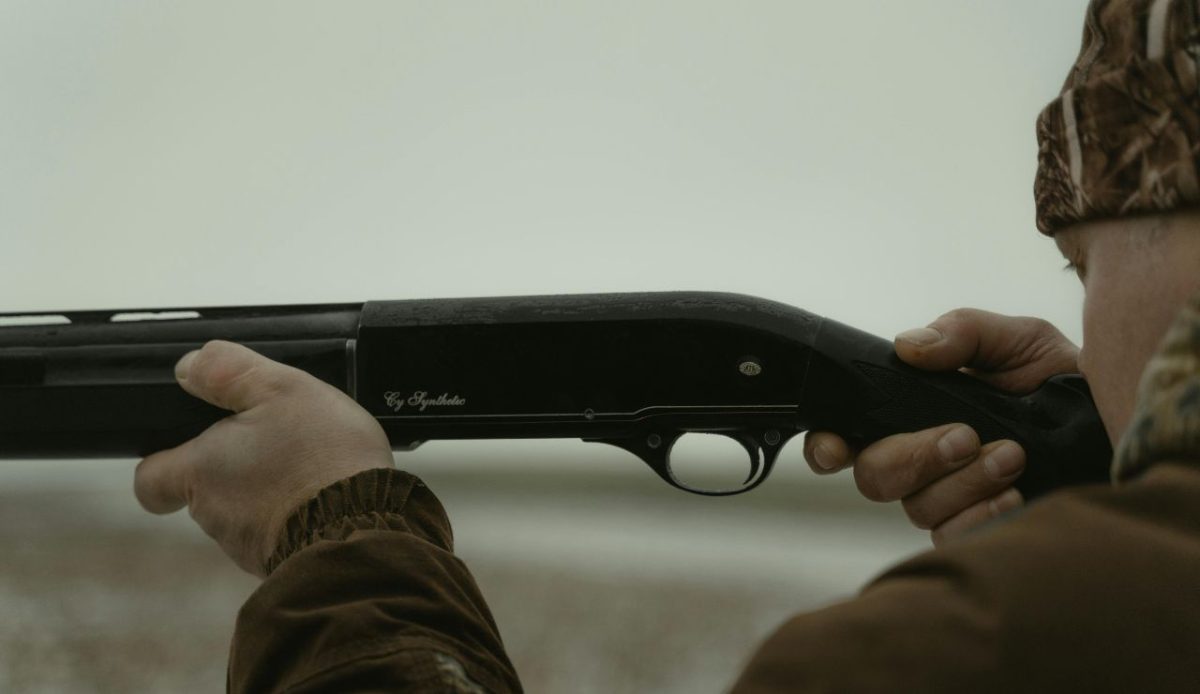
Another common sign appears when the trigger finger drifts inside the guard too early. It may happen while picking up the firearm, adjusting the grip, or moving between steps. Even brief contact suggests that the owner is relying on intention instead of a fixed habit.
Trigger discipline is one of the clearest markers of whether safety has been practiced enough to become subconscious. People who repeat it consistently tend to keep their finger indexed along the frame without needing to think about it.
When that finger wanders under routine conditions, it often means the owner knows the rule but has not reinforced it through enough realistic repetition. That gap becomes more obvious when attention is divided, or movement feels rushed.
3. The Firearm Is Treated as Safe Based on an Assumption

A frequent warning sign is the belief that a firearm is safe because the owner is certain it was already cleared. That confidence can come from memory, familiarity, or the fact that it was recently stored. The problem is that the assumption begins to replace the habit of checking every time.
Safe ownership depends on a consistent mindset, not on trusting recall. When a person handles a firearm differently because they believe they already know its condition, the process has started to weaken.
The issue is not simply forgetting a rule. It is failing to repeat that rule often enough for it to become the default response. Owners who skip habit-forming practice are more likely to rely on what they think they know instead of what they verify.
4. Dry Practice Never Becomes Part of the Routine
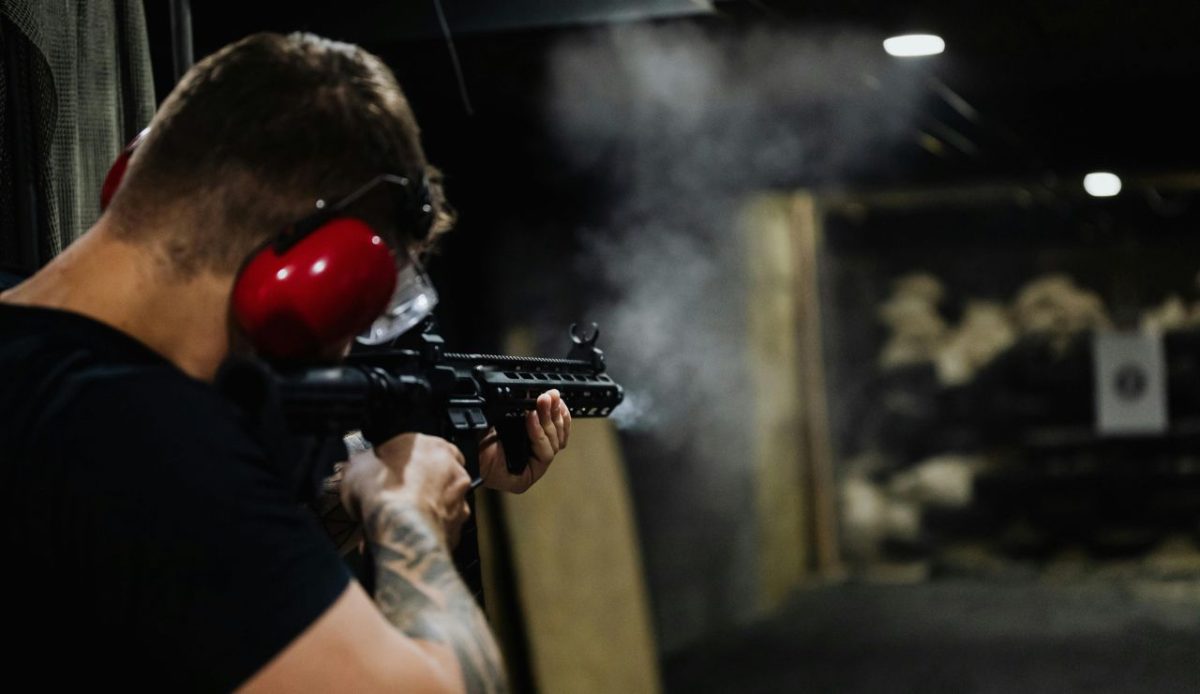
Many gun owners talk about range days, but rarely make safe dry practice part of regular ownership. That absence often shows that safety behaviors are not being reinforced between live-fire sessions. Without repetition in a controlled setting, fundamentals can stay familiar in theory while remaining weak in practice.
Dry practice, when done safely and deliberately, helps build handling habits that do not depend on noise, pressure, or distraction. It allows people to repeat safe movements until they become more natural.
When an owner never creates time for this repetition, the result is often uneven handling during ordinary moments. The missing step is not knowledge. It is the routine that turns safety rules into dependable habits.
5. Chamber Checks Feel Optional Instead of Automatic
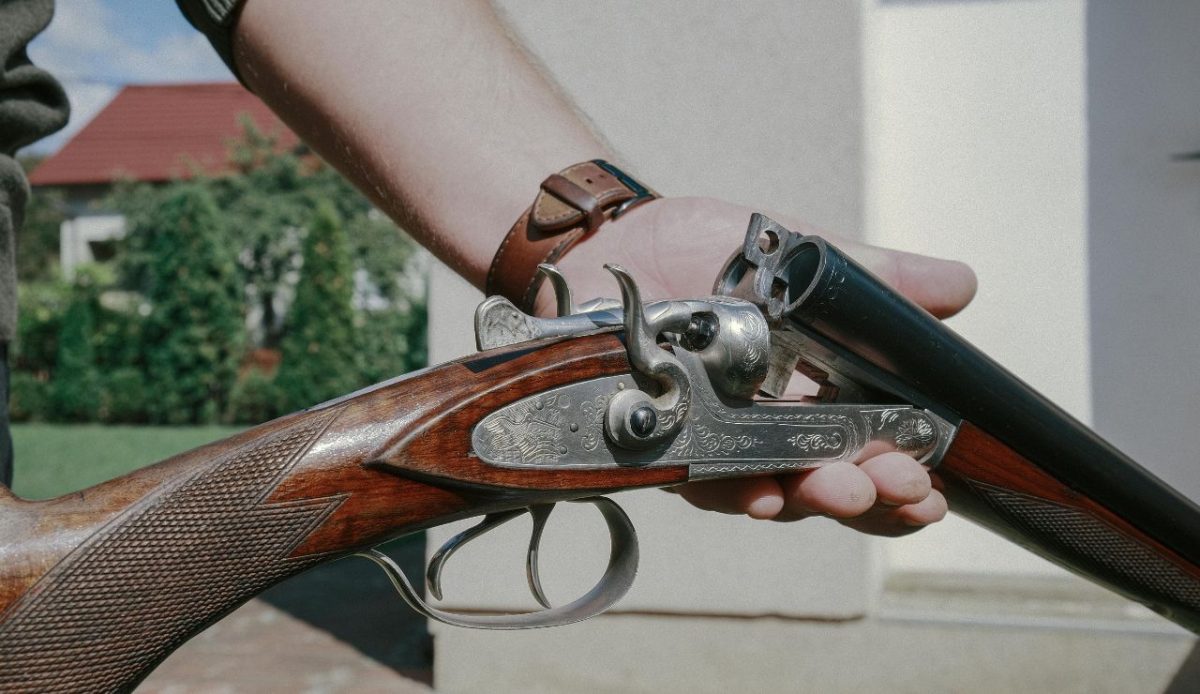
A strong safety routine includes physically and visually confirming the condition rather than assuming it. When someone passes a firearm, receives one, stores it, or handles it again without making that check feel automatic, it usually points to a gap in training repetition.
People often believe they will remember to verify when it matters, but habits built only on good intentions tend to fail when attention is split. The action has to feel standard, not occasional.
If chamber checks are skipped, rushed, or treated as something only done in formal settings, that is a sign the owner has not fully internalized the most important step. Consistent practice is what makes verification a reflex instead of a task that depends on perfect focus.
6. Mechanical Safety Is Used Like a Substitute for Judgment
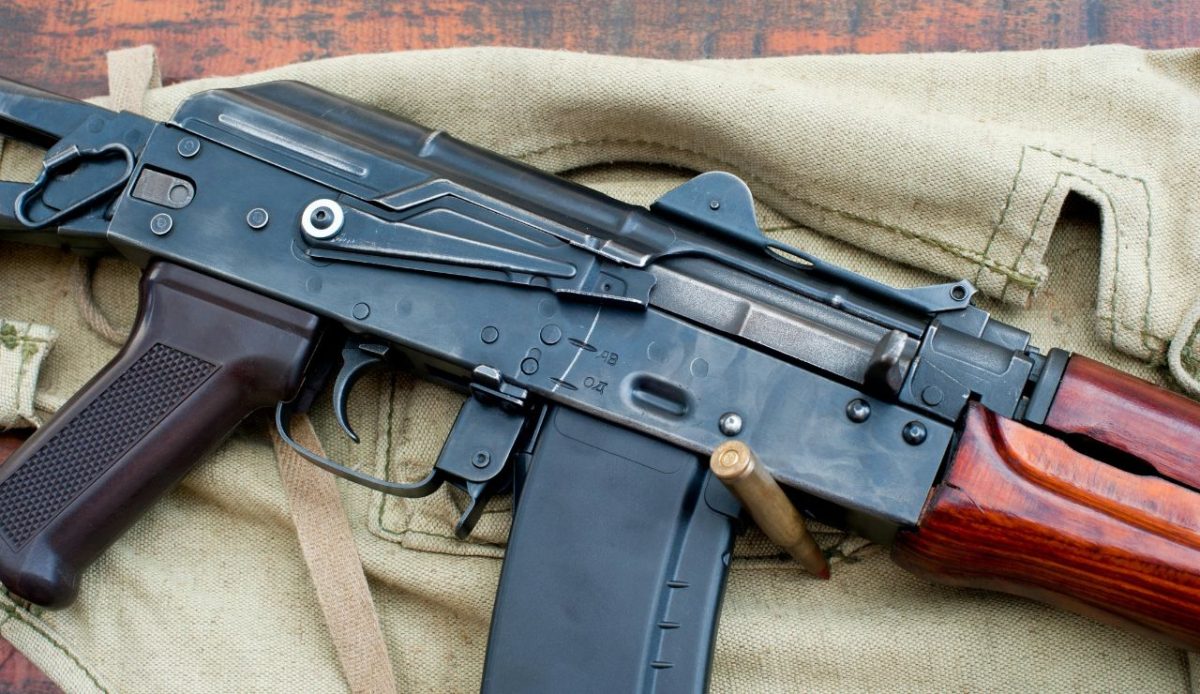
Some owners become overly comfortable with the idea that a manual safety will prevent a mistake on its own. That mindset can lead to looser handling, weaker finger discipline, or less attention to direction. A mechanical feature may support safe use, but it cannot replace responsible behavior.
When people lean too heavily on a device, it often means the underlying habits were never repeated enough to feel dependable by themselves. Instead of trusting their process, they trust the gun to correct for them.
That is a warning sign, not because safeties are useless, but because they should sit on top of strong habits rather than cover for weak ones. If handling gets casual when a safety is engaged, the missing step is usually regular practice.
7. Grip and Handling Look Uncertain Every Time
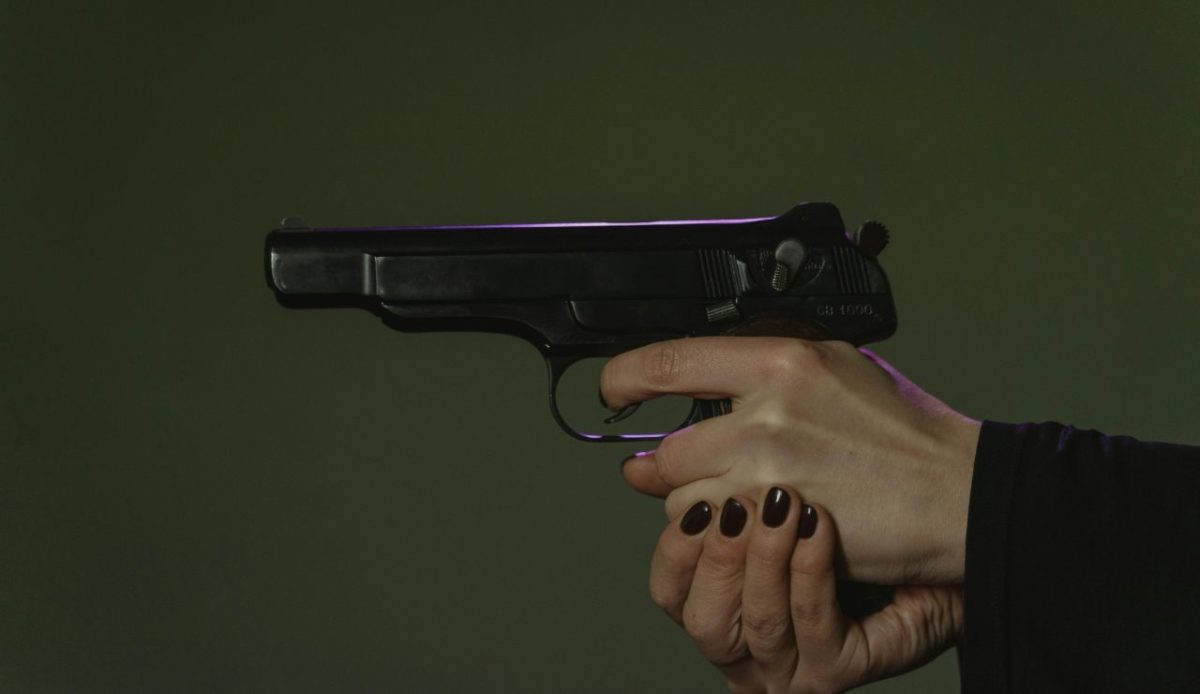
A lack of consistent practice often shows in the way a firearm is handled before anything else happens. The owner may fumble for a secure grip, readjust repeatedly, or look awkward during simple handling tasks. Those small corrections suggest that the movements have not been repeated enough to become smooth and controlled.
This matters because uncertainty in the hands can lead to other lapses, including poor muzzle direction or rushed finger placement. Weak handling habits tend to create a chain reaction.
Confident handling does not mean fast movement. It means stable control that looks the same each time. When grip and handling remain inconsistent, it usually reflects a missing routine built before pressure enters the picture.
8. Maintenance Problems Start Causing Preventable Issues
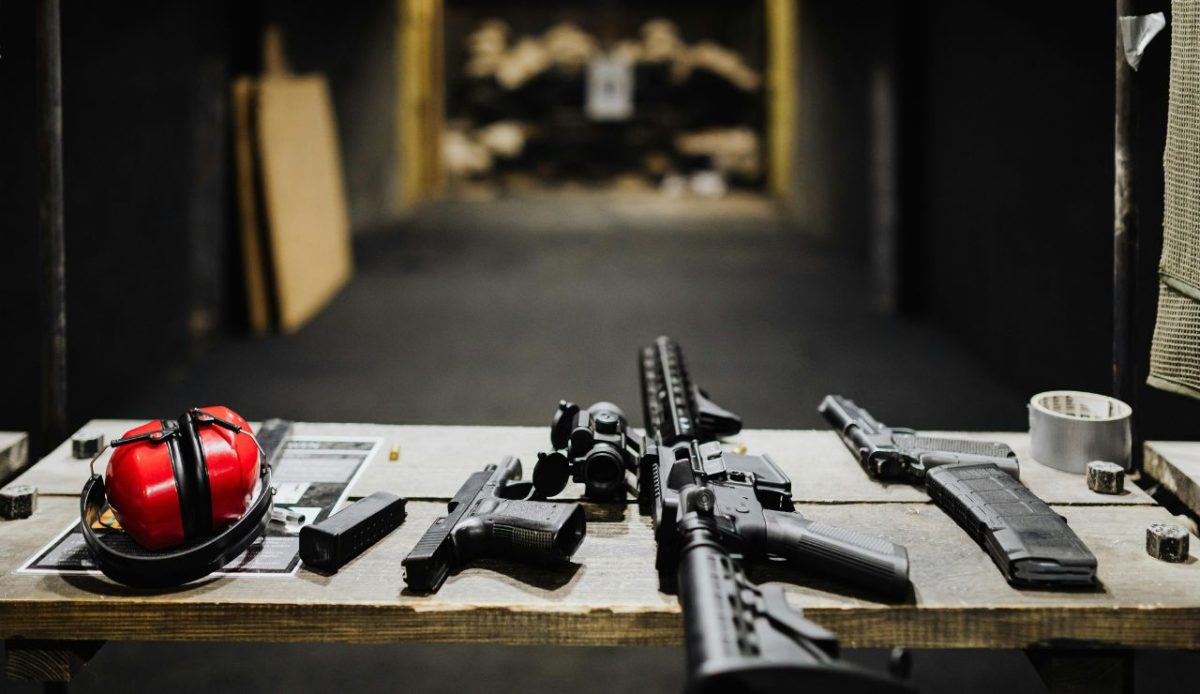
Neglecting cleaning and lubrication can also reveal a larger training gap. When a firearm is repeatedly brought out in poor condition, the owner is showing that routine care is not part of their ownership habits. That neglect can create avoidable problems and force extra handling at the worst moments.
Maintenance is not separate from safety culture. It is one more place where discipline shows up through repetition, attention, and consistency. Owners who build strong routines usually notice condition changes early.
When upkeep is irregular, and problems keep appearing, it often means the owner has not built a complete habit system around the firearm. The issue is bigger than dirt or wear. It reflects a broader pattern of inconsistency.
9. Storage Habits Reveal a Casual Mindset
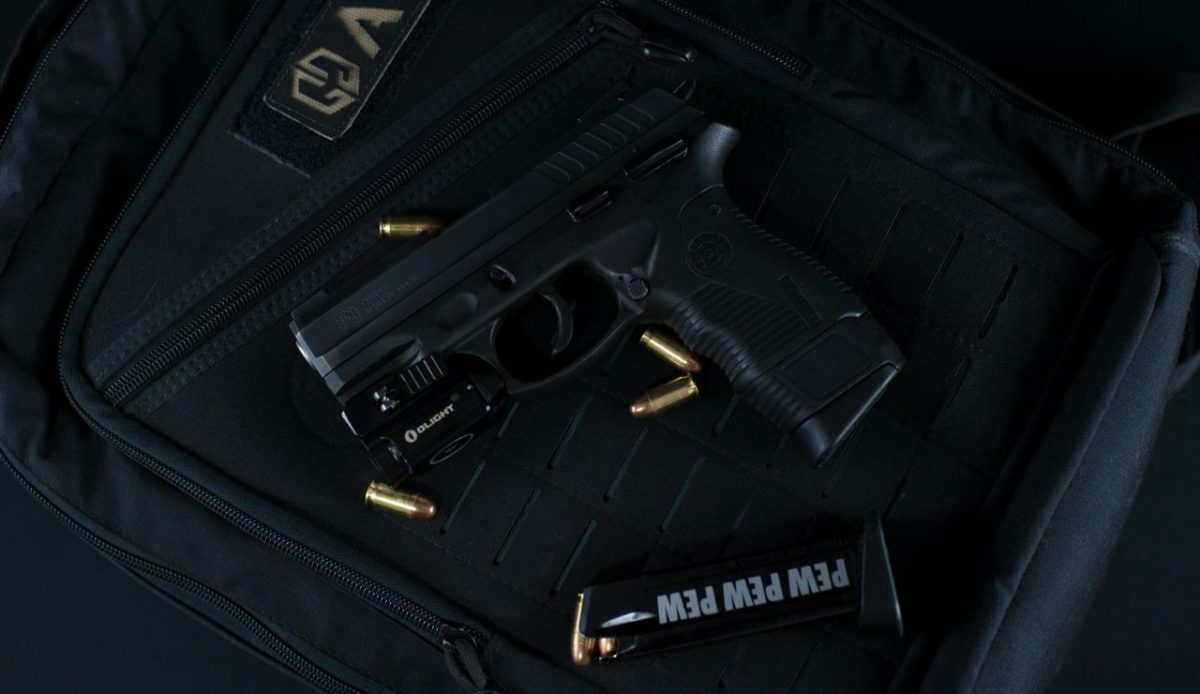
Improper storage is often the final and most visible sign that the key step has been skipped. A firearm may be left unsecured, stored inconsistently, or placed wherever it seems convenient in the moment. That behavior usually reflects more than forgetfulness. It shows that responsibility has not been turned into a fixed routine.
Safe storage works best when it is automatic, not dependent on mood, schedule, or memory. The standard should remain the same whether the owner is tired, distracted, or in a hurry.
When firearms are not secured in a consistent way, it often points to the same missing foundation seen in handling and maintenance. The owner may know the right answer, but without practice, knowledge fails to become reliable behavior.
