
Social media has turned certain viewpoints, roads, beaches, and trails into instant attractions. A short video can transform a relatively quiet place into a stop where visitors arrive with the same image already in mind.
That attention often sends large numbers of people to destinations never designed for heavy traffic. Parking, walkways, barriers, and emergency access can quickly become strained when crowds arrive in waves.
The bigger issue is that viral travel is not only about popularity. It can also encourage rushed decisions, poor preparation, and risky behavior as people try to recreate moments that looked simple and safe online.
The Photo-First Mindset Changes How People Travel
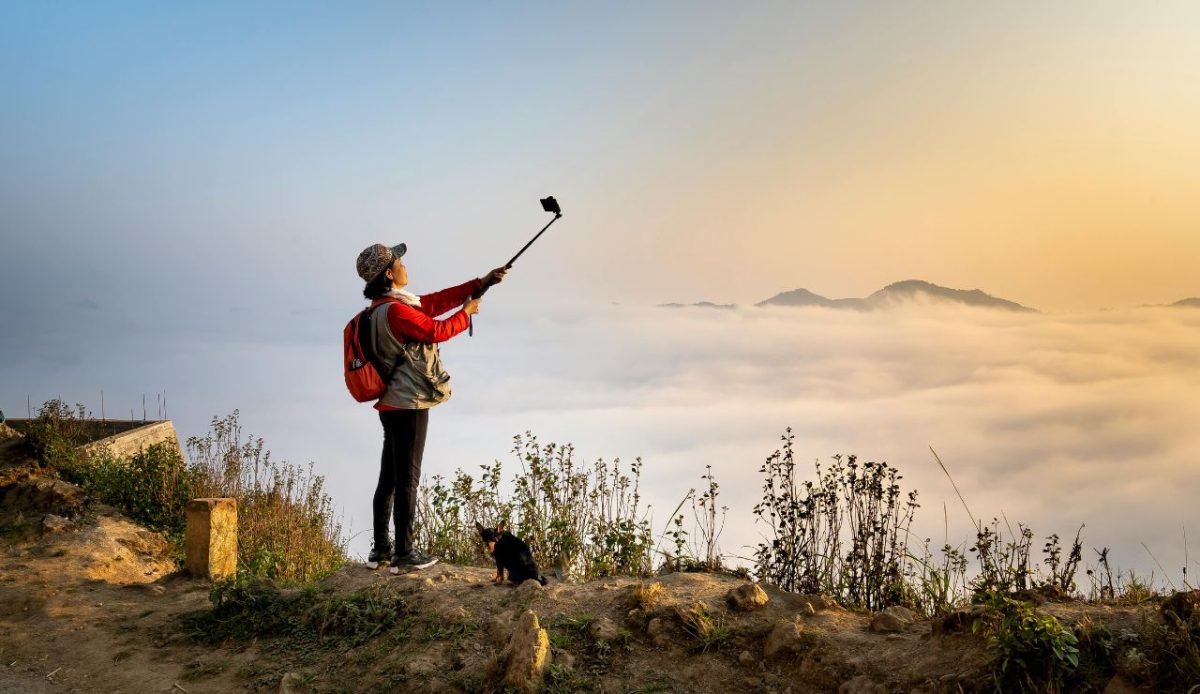
Many viral trends are built around capturing a specific shot rather than understanding the place itself. Travelers may focus on the angle, pose, or timing they saw online and give less attention to weather, footing, traffic, or local rules.
That photo-first mindset can reduce situational awareness. People may step beyond barriers, stop suddenly in crowded areas, or move closer to edges because the image feels more important than the setting around them.
When enough visitors behave that way, the destination starts functioning less like a shared public space and more like a live content set, where safety is pushed into the background.
Edited Videos Often Hide Real Safety Hazards
Short-form travel content is designed to look smooth and effortless, but it often removes the details that matter most on the ground. Steep drop-offs, loose rocks, strong currents, changing weather, or fast-moving traffic may not appear in the final clip.
That creates a false sense of simplicity. A viewpoint may seem easy to reach, or a roadside stop may look harmless, even though both require careful timing, proper footwear, or awareness of local conditions.
Visitors who rely on polished visuals instead of practical information can end up underprepared, especially in places where hazards are not obvious until they are already too close.
Sudden Crowds Create Their Own Set of Risks
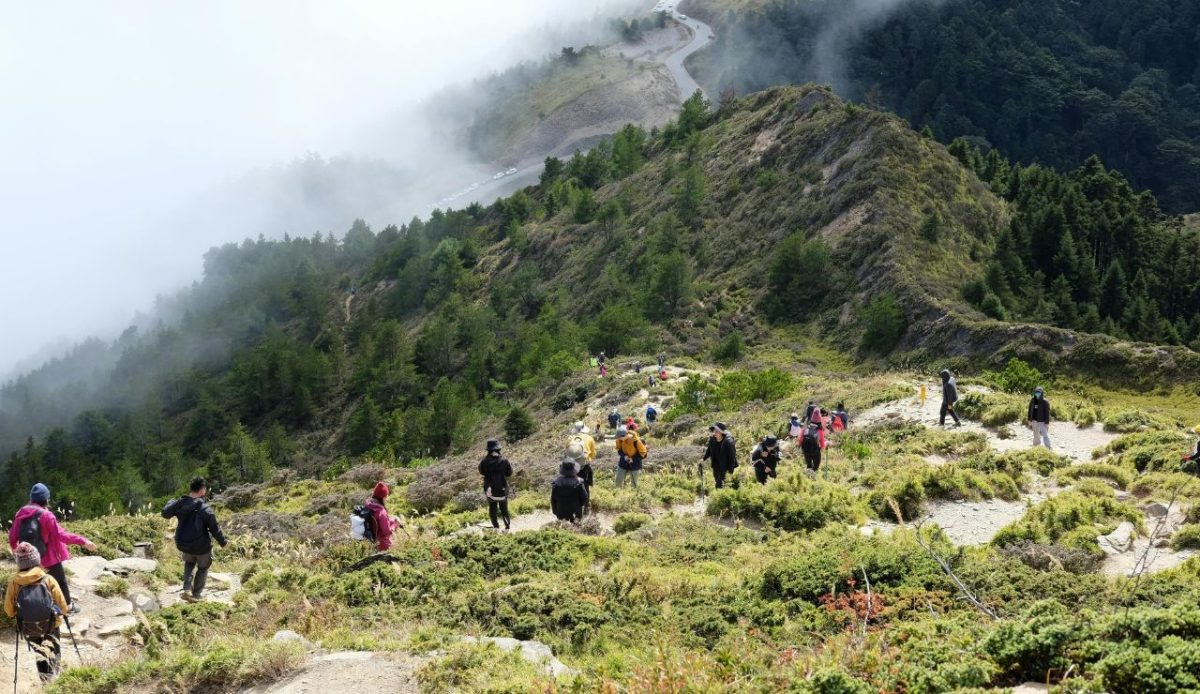
Even when a location is normally manageable, viral popularity can change how safe it feels. Narrow trails become congested, roadsides fill with parked vehicles, and popular corners turn into bottlenecks where people stop without warning.
Crowding increases pressure on everyone nearby. Visitors may feel rushed, pushed toward unsafe edges, or tempted to follow others into restricted areas simply because the crowd seems to be doing the same thing.
In these moments, risk is not only about the landscape itself. It also comes from group behavior, reduced space, and the difficulty of moving carefully when too many people want the same moment.
So-Called Hidden Gems Can Be the Least Prepared
Viral travel often promotes lesser-known places as secret finds, but those locations are frequently the least equipped for large visitor numbers. Remote waterfalls, unstaffed lookout points, and fragile natural areas may have limited signage, weak mobile service, or no nearby emergency support.
That makes mistakes harder to manage. A minor injury, wrong turn, or weather shift can become far more serious in a place without staff, formal paths, or quick rescue access.
The irony is that once a hidden gem goes viral, it stops being hidden but still keeps the same limited infrastructure that made it vulnerable in the first place.
Popular Destinations Are Responding With Stricter Rules
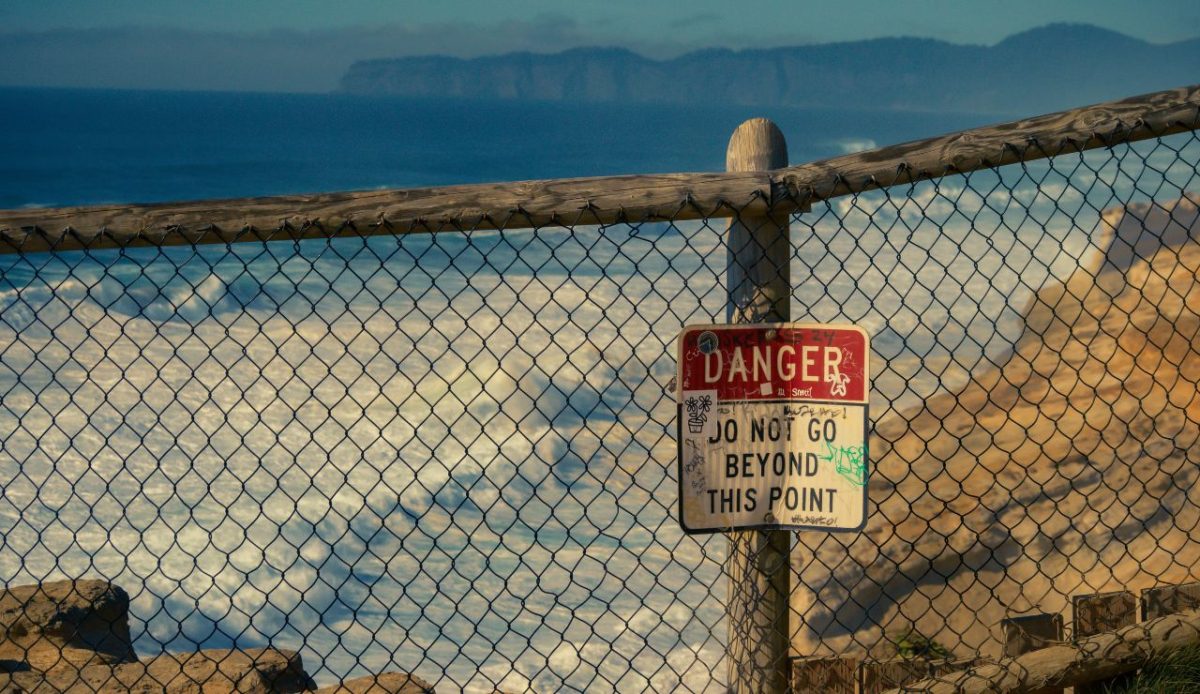
As viral tourism grows, more destinations are responding with tighter controls. Some places have added barriers, timed entry systems, fines, and trail restrictions to reduce dangerous behavior and protect daily life.
These responses reflect a practical reality. Local communities often carry the burden when visitors block roads, ignore boundaries, damage fragile areas, or increase demand on cleanup and emergency services.
For travelers, the lesson is simple. A trending destination may still be worth visiting, but it should be approached with research, patience, and respect rather than assuming an online moment tells the full story.
