
Some destinations build trust almost instantly. Clean streets, efficient transport, and strong reputations can make travelers feel protected before they fully understand how the city works. That easy confidence is part of what makes these places appealing.
The catch is that perceived safety and practical safety are not always the same thing. A city can rank well on crime measures and still expose visitors to petty theft, scams, weather hazards, strict local rules, or digital risks that are easy to underestimate.
This article looks at nine cities that are widely seen as safe but still deserve careful travel habits. The point is not to alarm visitors, but to show how confidence can sometimes turn into carelessness.
1. Tokyo, Japan
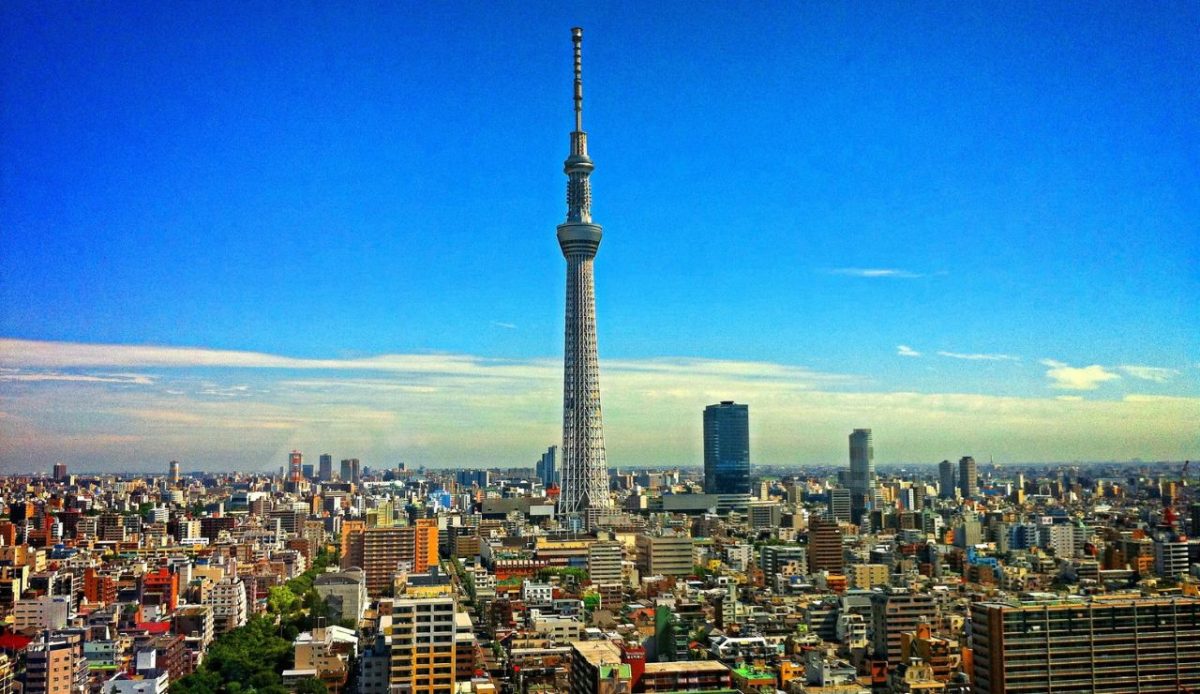
Tokyo ranks highly in global safety discussions, and for good reason. The city is orderly, efficient, and easy to navigate, even for first-time visitors. That reputation is largely earned, which is why many travelers stop thinking critically once they arrive.
Most problems in Tokyo are not dramatic street-crime situations. Instead, risks tend to involve nightlife districts, bar solicitation, overcharging, and the belief that a safe reputation removes the need for judgment after dark. Busy areas can also invite occasional theft.
Tokyo remains one of the world’s easiest major cities to visit. Still, travelers do best when they treat safety as a baseline rather than a guarantee that every late-night setting is harmless.
2. Singapore
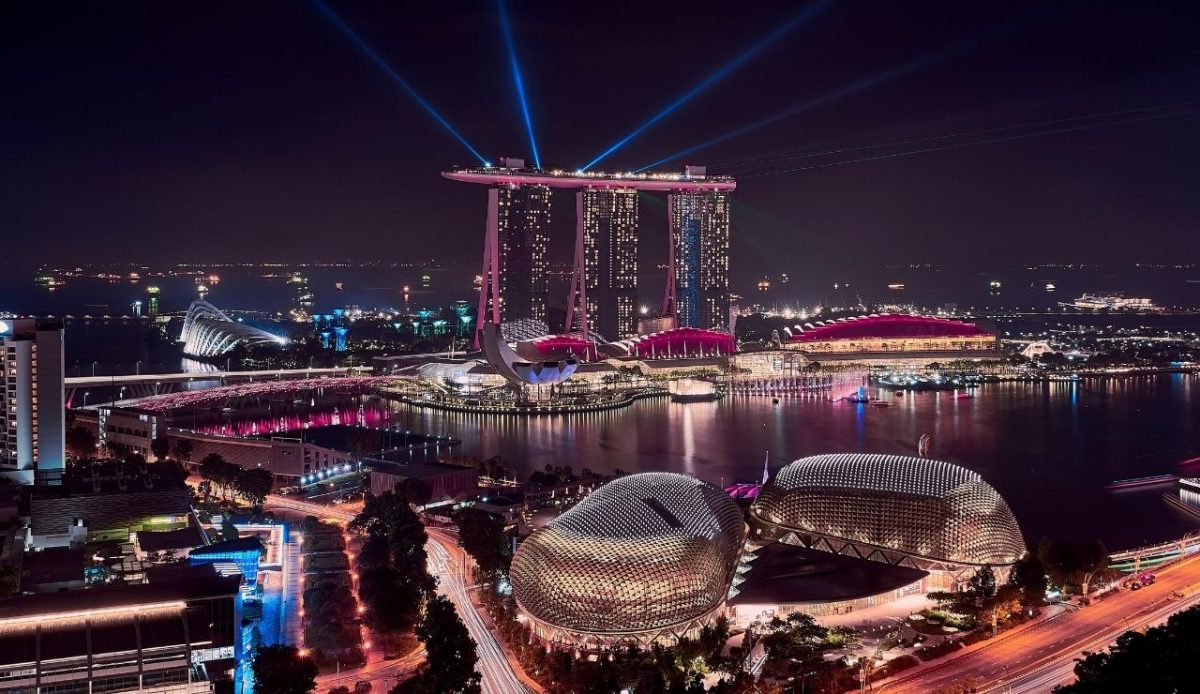
Singapore is often treated as the model safe city. Its low visible disorder, strict law enforcement, and organized public environment make it feel controlled in a way few destinations can match. For many travelers, that creates instant confidence.
The hidden issue is not widespread street danger. It is the assumption that a polished city removes all need for caution. Visitors can still face digital privacy concerns, nightlife missteps, and legal trouble if they ignore rules enforced more seriously than they might expect elsewhere.
Singapore is exceptionally structured, but structure does not replace common sense. Travelers still need to protect devices, respect local laws, and avoid confusing a low-crime setting with zero personal risk.
3. Amsterdam, Netherlands
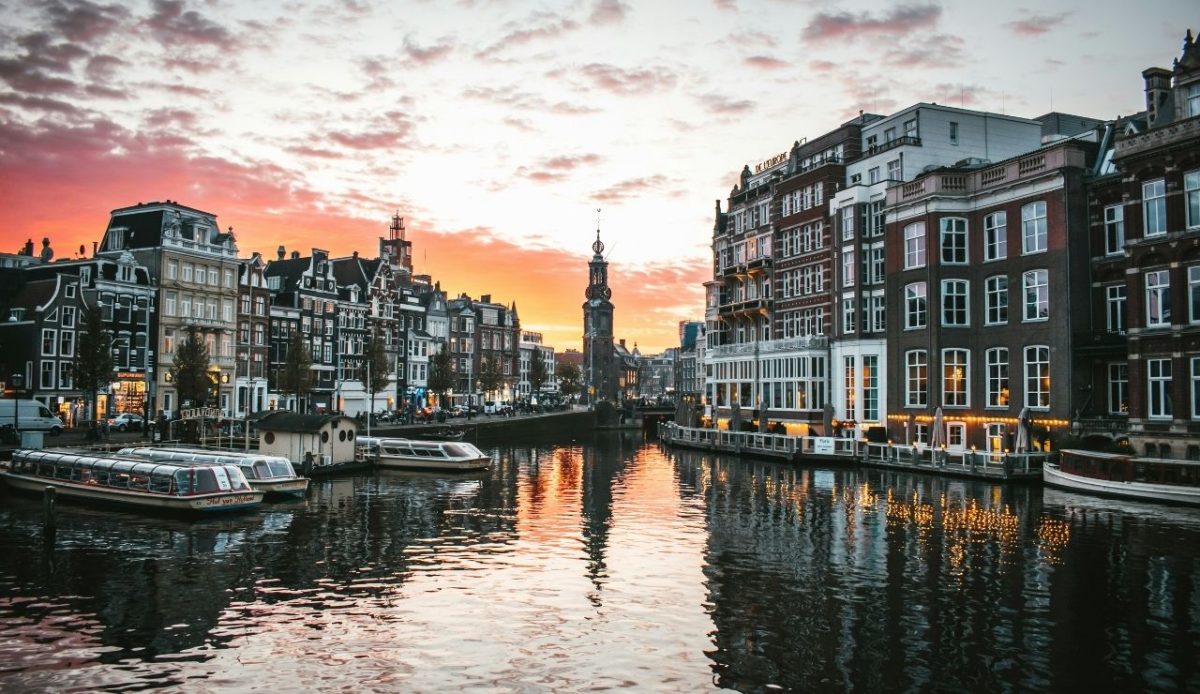
Amsterdam feels compact, open, and easy to enjoy, which is why it often seems safer than larger European capitals. The canals, walkable center, and relaxed atmosphere can make visitors comfortable quickly, especially in the districts tourists explore.
The risk usually comes from what that comfort encourages. Heavy visitor traffic creates ideal conditions for pickpocketing, unattended bag theft, and bicycle-related opportunism, particularly around stations, nightlife zones, and crowded public spaces.
Amsterdam is not a city that calls for fear. It calls for steady awareness. Travelers who stay relaxed but remain careful with bags, wallets, phones, and rented bikes usually avoid the problems that catch overconfident visitors off guard.
4. Reykjavik, Iceland
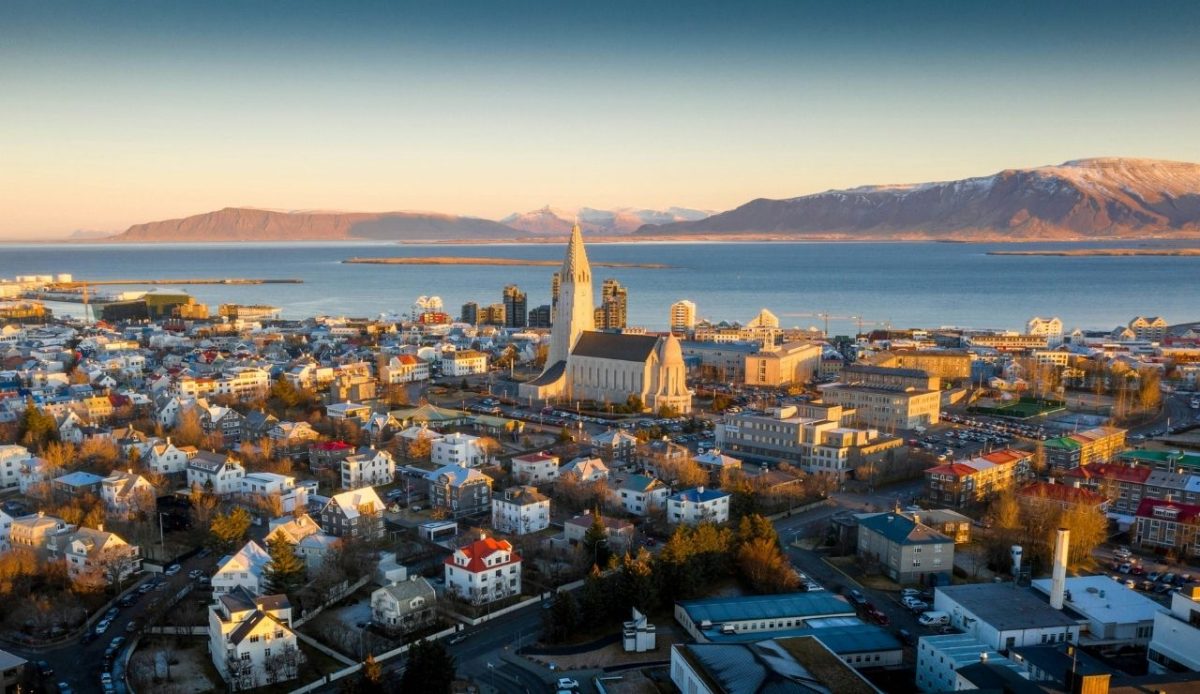
Reykjavik has a strong reputation for safety, helped by Iceland’s low crime profile and high public trust. The city feels calm and manageable, which can make visitors assume that risks are minimal. In the center, that is often partly true.
The hidden danger in Iceland is not usually urban crime. It is the tendency to underestimate weather, road conditions, isolation, and the limits of help outside the capital. Travelers who feel safe in Reykjavik may carry that confidence into remote areas that demand more preparation.
Reykjavik is a comfortable base, but it can create false confidence about the country beyond it. In Iceland, natural conditions and distance can become far more serious travel issues than the city’s calm image suggests.
5. Abu Dhabi, UAE
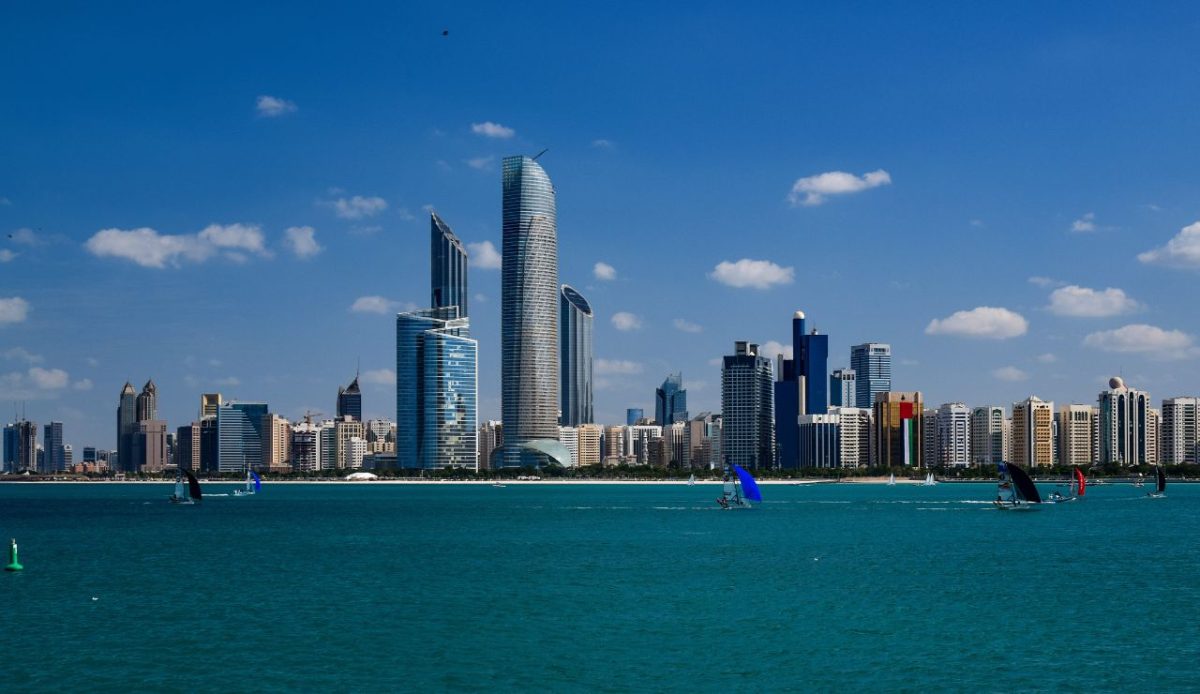
Abu Dhabi is widely viewed as one of the safest cities in the world, and its low violent crime levels reinforce that image. The city feels orderly, modern, and highly regulated, giving visitors a strong sense that public life is stable and predictable.
What travelers sometimes miss is that safety here is closely tied to legal and cultural expectations. Misunderstanding local rules or social customs can create problems even in a city where conventional crime is relatively low. The challenge is often compliance.
Abu Dhabi rewards informed travel more than casual assumption. Visitors who respect local law and public behavior norms usually find it straightforward, while those relying only on the city’s safety image can misread the environment.
6. Doha, Qatar
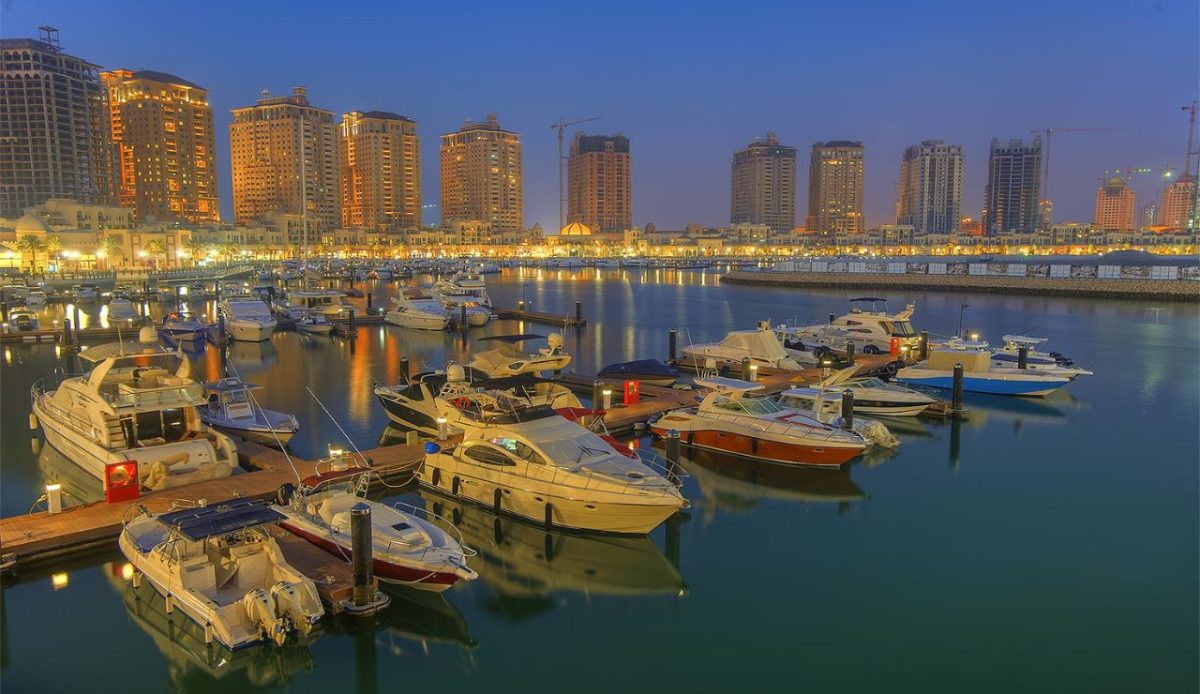
Doha is often praised for its security, cleanliness, and modern infrastructure, all of which contribute to a strong impression of stability. Visitors commonly describe it as calm and easy to manage, especially compared with larger regional hubs.
The less obvious risk is similar to other highly regulated cities: travelers may assume safety means flexibility. In reality, cultural norms and expectations around conduct matter a great deal. A place can feel secure while still being unforgiving toward visitors who ignore local standards.
Doha is not difficult to navigate, but it does require awareness beyond personal security alone. The smartest approach is to pair urban caution with a clear understanding of local customs and rules.
7. Sydney, Australia
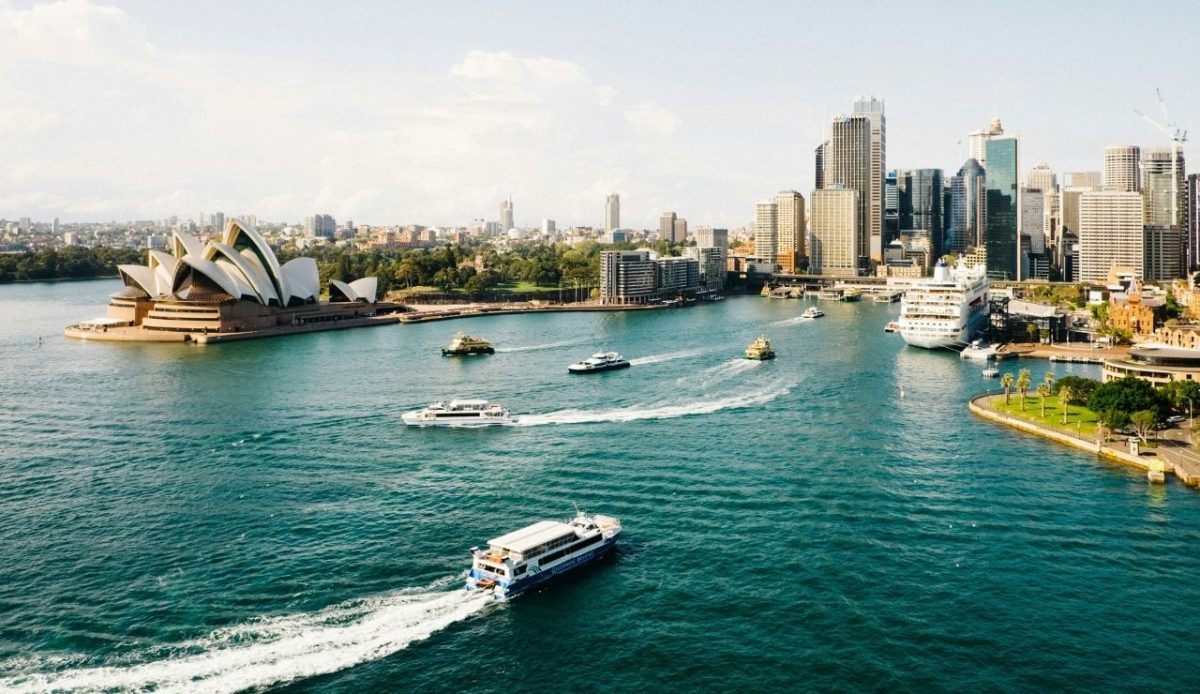
Sydney is frequently seen as an easy, familiar city for international visitors. Its beaches, public spaces, and English-speaking environment can make it feel immediately accessible, especially for travelers who assume familiarity also means low risk in every setting.
Most of Sydney’s concerns are not about constant danger across the city. They are more situational, including alcohol-related incidents in nightlife districts, petty theft, and the tendency to underestimate surf conditions, sun exposure, or late-night vulnerability.
Sydney is still one of the more approachable major cities for tourists. The issue is not that it feels safe, but that the feeling can encourage travelers to relax too much in places where judgment still matters.
8. Toronto, Canada
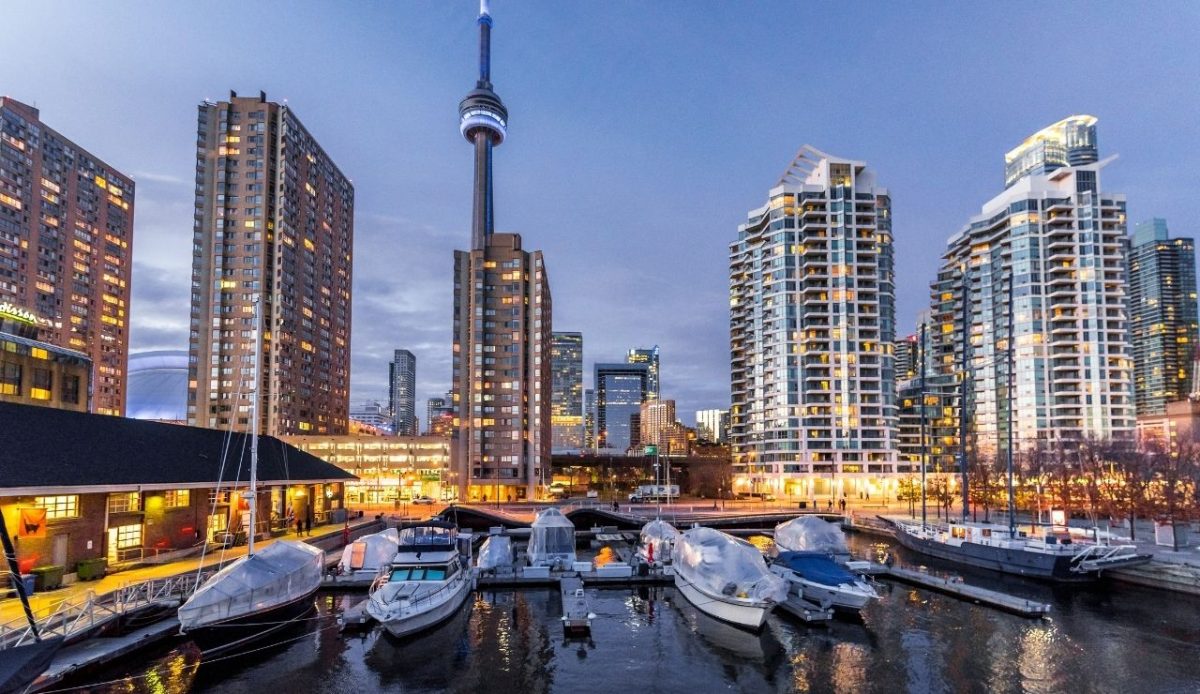
Toronto often feels comfortable, readable, and socially familiar to visitors. Its diversity, organized downtown core, and reputation as a stable North American city can lead travelers to treat it as a place where serious caution is rarely necessary.
That confidence can hide the fact that Toronto is still a large metropolitan area with uneven conditions. Property theft, transit-related concerns, and neighborhood differences matter more than many visitors expect when they arrive with a simplified image of urban safety.
Toronto is not unusual in this respect. Its reputation is broadly positive, but smart travel still depends on paying attention to location, timing, and personal belongings rather than relying only on the city’s calm image.
9. Copenhagen, Denmark
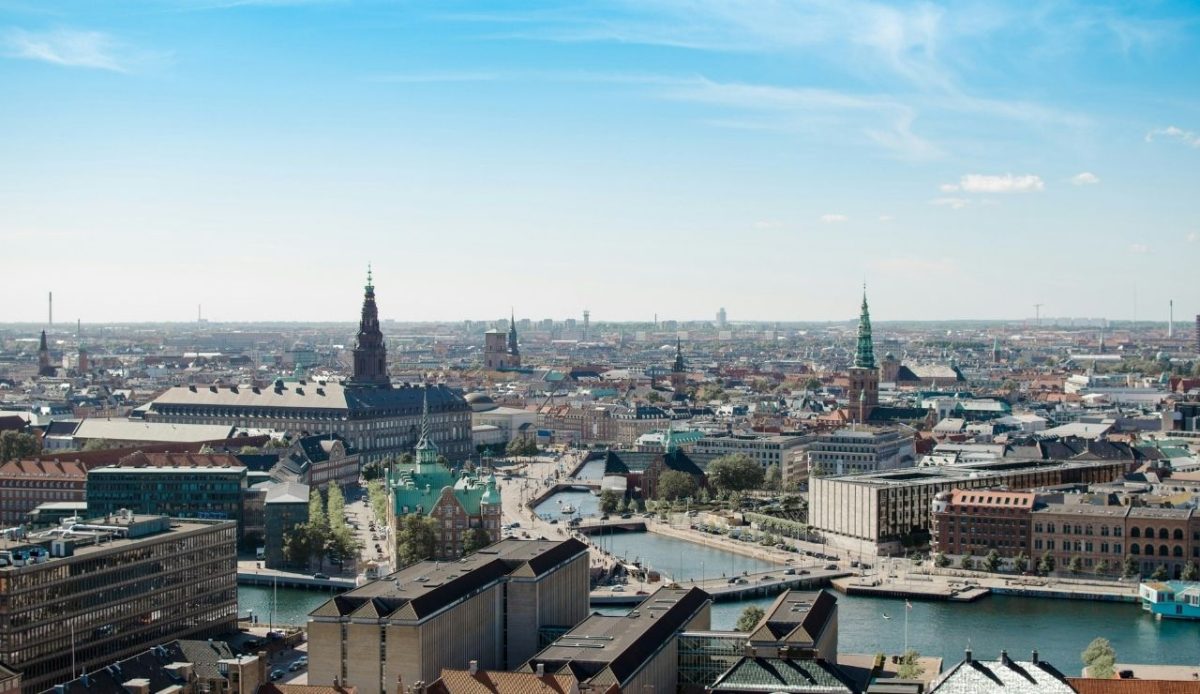
Copenhagen is associated with a high quality of life, public trust, and strong urban safety, which makes it feel easy for visitors to decode. Clean design, efficient transport, and a calm street atmosphere can create the impression that few travel precautions are necessary.
The hidden problem is usually not a serious confrontation. It is a petty crime aimed at distracted tourists, especially in transit hubs, and places where people leave phones, bags, or luggage unattended because the city feels controlled around them.
Copenhagen remains one of Europe’s more manageable capitals. Even so, travelers are better off treating it as a well-run city rather than a risk-free one, because confidence can make avoidable mistakes easier to make.
