
Scenic detours can sound irresistible. They promise famous viewpoints, dramatic coastlines, or mountain curves that seem worth the extra miles. In practice, some of these recommended drives demand far more time, patience, and planning than casual travelers expect.
That does not make them bad roads. It means they can be poor last-minute choices when drivers are simply trying to reach a destination. A route that suits a full-day outing can feel frustrating when added to an already long travel day.
This article looks at eight drives with strong reputations and real trade-offs. The scenery is genuine, but delays, closures, fees, weather, or congestion can leave drivers feeling the original route would have been the smarter choice.
1. Big Sur’s Highway 1
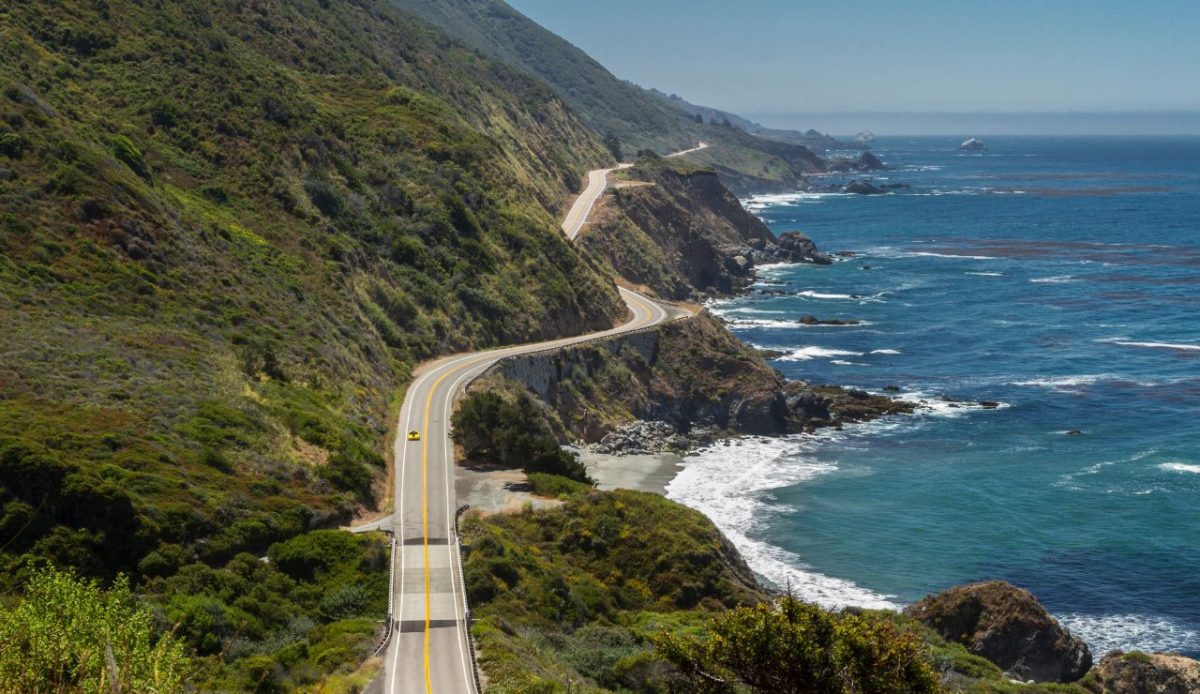
California’s Big Sur stretch of Highway 1 is one of the country’s most praised detours, and the coastline fully deserves attention. The problem is that this road has also been shaped by closures, repairs, and slow travel through winding sections.
As of January 2026, full-through access was restored after the Regent’s Slide closure, but travelers still need to check conditions before heading out. Even when open, this is not a fast scenic add-on. A short distance on the map can turn into a longer drive once traffic builds.
For travelers on a schedule, Big Sur works better as the main plan than as a side trip. Drivers expecting a brief detour often find that staying on their original route would have been easier and more predictable.
2. The Blue Ridge Parkway
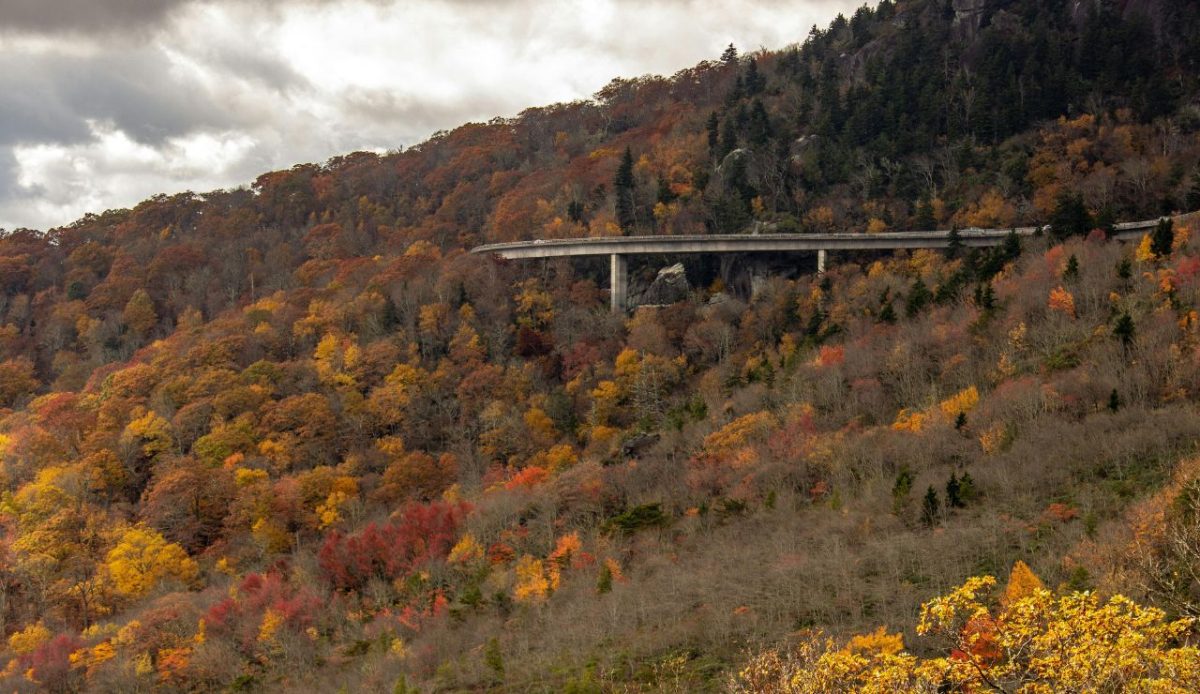
The Blue Ridge Parkway is known for mountain views, overlooks, and a slow style of road travel. That relaxed pace is part of the appeal, but it is also why some drivers regret using it as a detour instead of staying on faster highways.
The National Park Service regularly posts closures tied to weather, maintenance, and recovery work, and those interruptions can affect large sections of the road. Even when open, the parkway is designed for sightseeing rather than efficient driving, so progress can feel slower than expected.
Drivers who enter without checking conditions sometimes end up leaving and rejoining the route in ways that erase the value of the detour. For travelers trying to stay efficient, the main route is often the better call.
3. Going-to-the-Sun Road
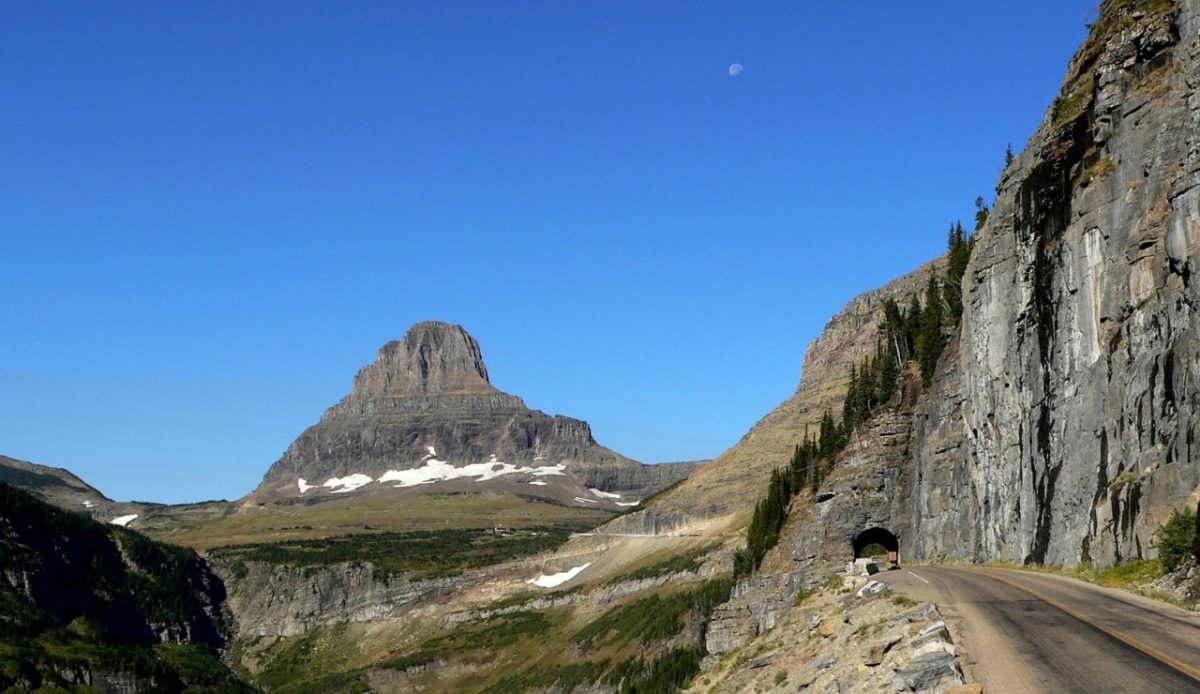
Going-to-the-Sun Road in Glacier National Park delivers the kind of mountain scenery that gets recommended again and again. What many first-time visitors underestimate is how quickly the experience can turn into a stop-and-wait drive once congestion builds near Logan Pass.
Glacier says vehicle reservations are not required in 2026, but incoming traffic may still be restricted when areas become too crowded. A three-hour limited parking system at Logan Pass is also part of the 2026 setup, so timing matters more than expected.
That makes this road less forgiving as an impulsive detour. It is spectacular, but it rewards planning and patience. Drivers trying to add it casually may end the day wishing they had stayed on their original route.
4. 17-Mile Drive
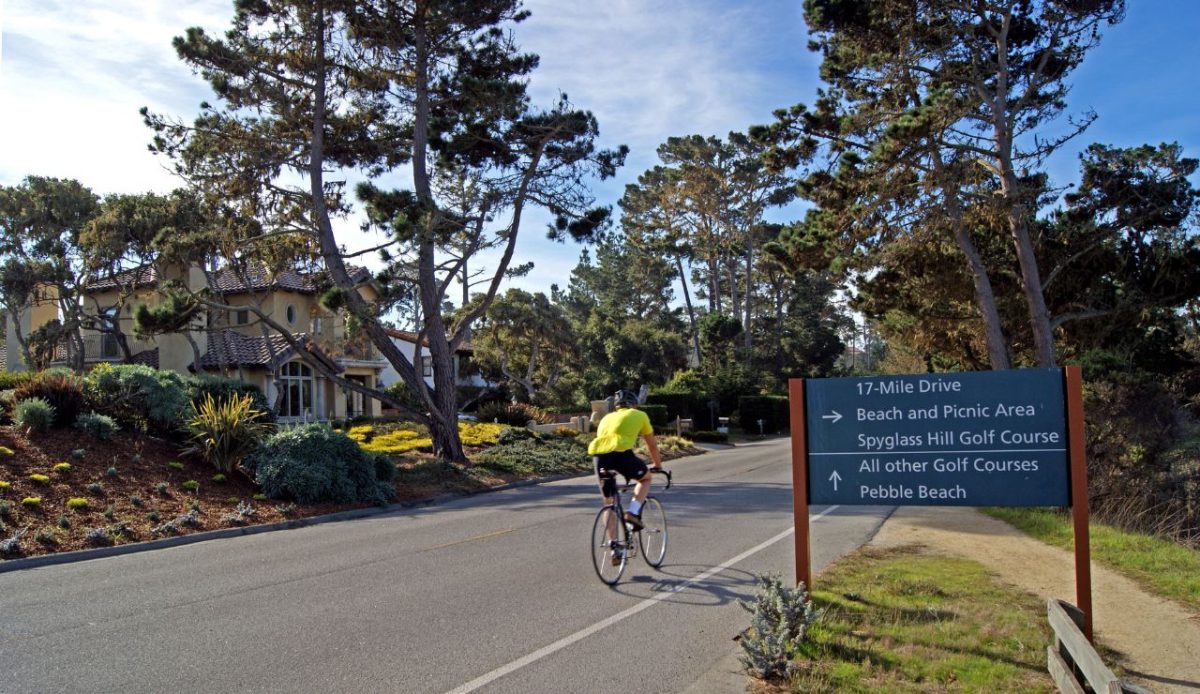
Pebble Beach’s 17-Mile Drive has a polished reputation built on ocean views, cypress trees, and famous golf scenery. It is easy to see why people recommend it, but the experience can feel less spontaneous once fees, gates, and slow traffic enter the picture.
Pebble Beach Resorts says the drive charges a per-vehicle admission fee and is open only from sunrise to sunset. That makes it different from a simple public scenic road. Some visitors enjoy the structure, while others find that it makes the detour feel more managed than relaxed.
This drive suits an unhurried Monterey day better than a packed itinerary. Drivers expecting a quick scenic loop may decide the coastline was lovely, but not lovely enough to justify leaving the main route.
5. The Hāna Highway
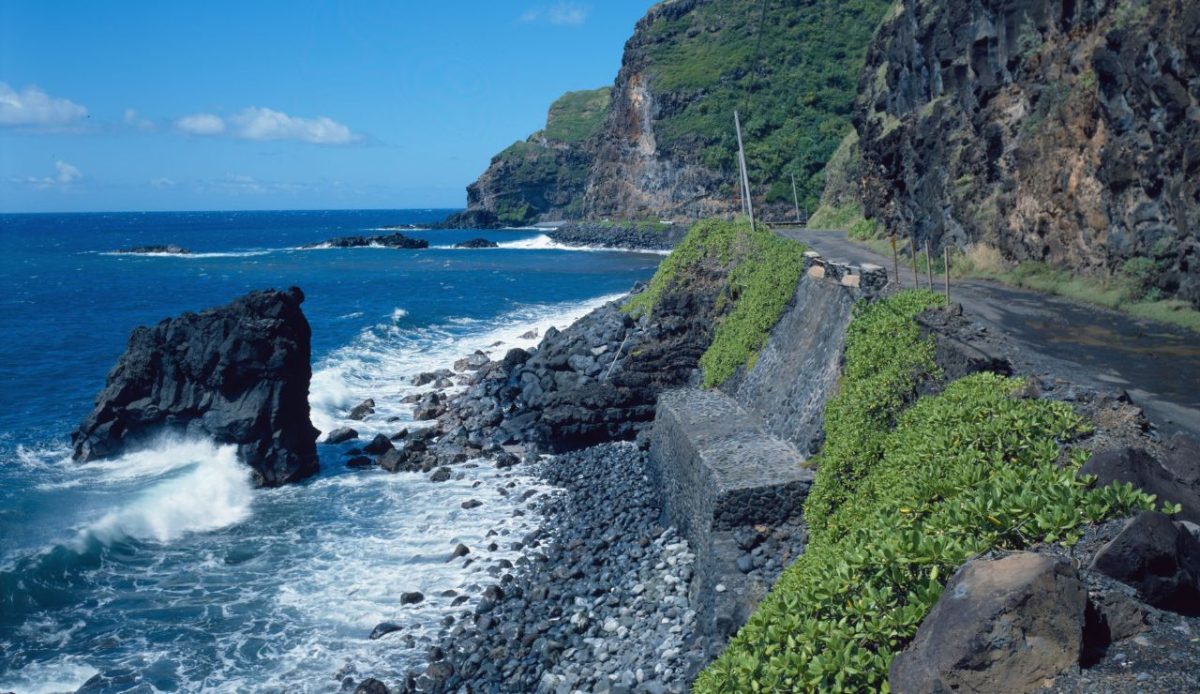
The Hāna Highway on Maui is often described as a must-do drive, and the landscape is undeniably memorable. Even so, this is one of the clearest examples of a detour that can disappoint drivers who arrive casually instead of with a full-day plan.
GoHawaii notes that the highway includes 620 curves and 59 bridges, which helps explain why travel is slower and more demanding than many visitors expect. The route rewards patience, but it does not respond well to rushing or tight schedules.
That mismatch is where regret begins. People hear about waterfalls and coastal views, then assume the drive will behave like an ordinary scenic extra. In reality, it can take over the day, which is why some later wish they had stayed on their original plan.
6. Skyline Drive
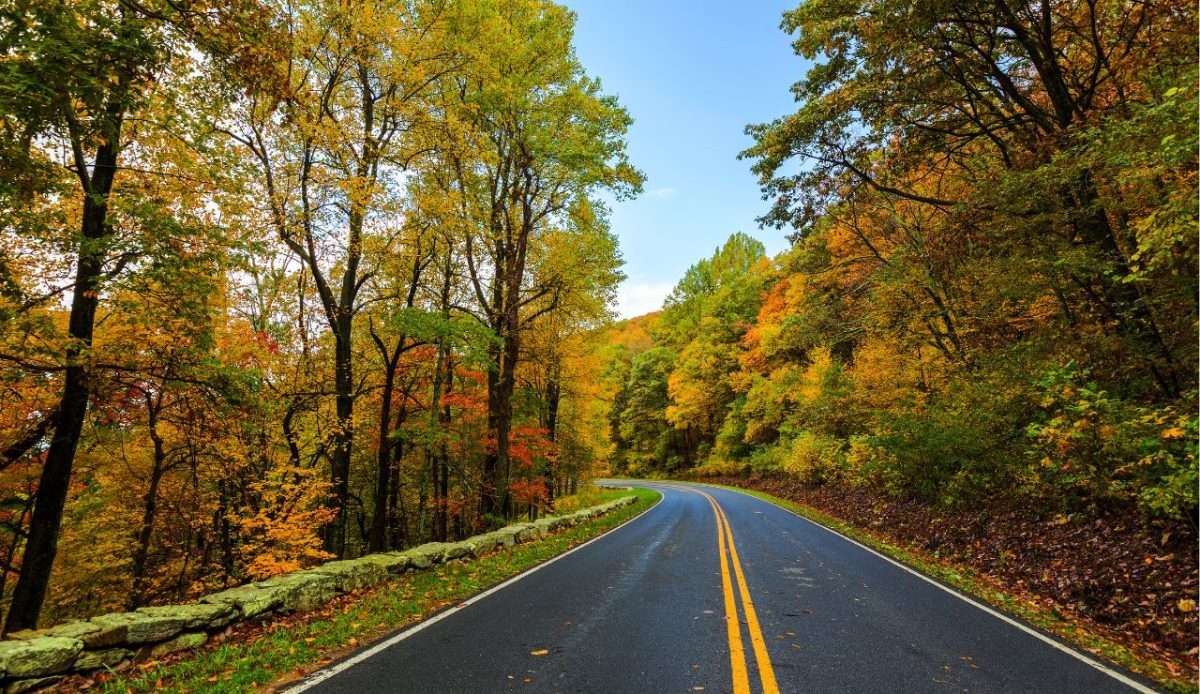
Skyline Drive in Shenandoah National Park is beautiful in a calm, steady way, especially for travelers who enjoy overlooks and a slower pace. The issue is that it only works as a detour if drivers are comfortable treating time as secondary.
The National Park Service sets the speed limit at 35 mph in most places and warns that weather, road conditions, and wildlife can require even lower speeds. That is sensible for safety, but it also means the drive rarely works as a quick scenic shortcut.
Drivers expecting fast progress can end up surprised by how slowly the miles pass. Skyline Drive is best approached as a sightseeing road. Added impulsively to a longer travel day, it can leave people wishing they had stayed on the direct route.
7. The Million Dollar Highway
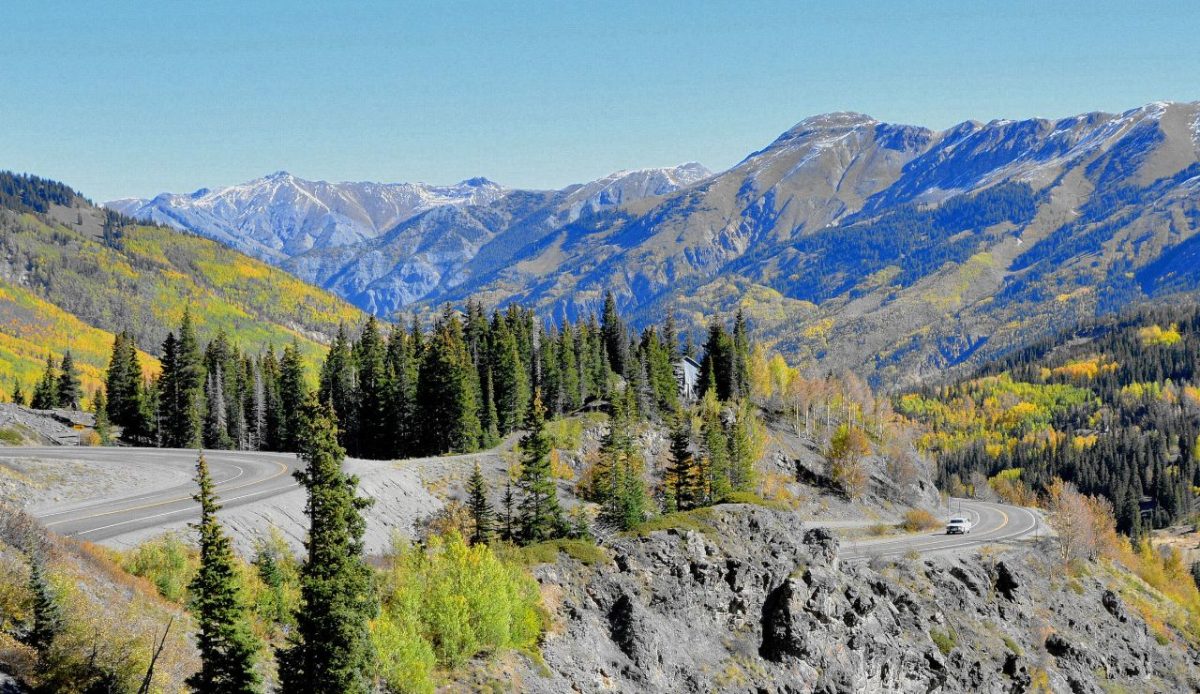
Colorado’s Million Dollar Highway is a road people recommend with admiration and warning. The scenery between Ouray and Silverton is real, but so are the narrow lanes, steep drop-offs, and mountain conditions that make the drive stressful for some visitors.
Travel guidance for the route emphasizes caution and checking conditions before heading out, especially outside stable weather. That is the key issue with this detour: it is not just about beauty, but about comfort behind the wheel and confidence on exposed roads.
Those who enjoy mountain driving may like the challenge. Others reach the end relieved rather than impressed. For them, the famous detour feels less like a highlight and more like proof that the original route was better.
8. The Dalton Highway
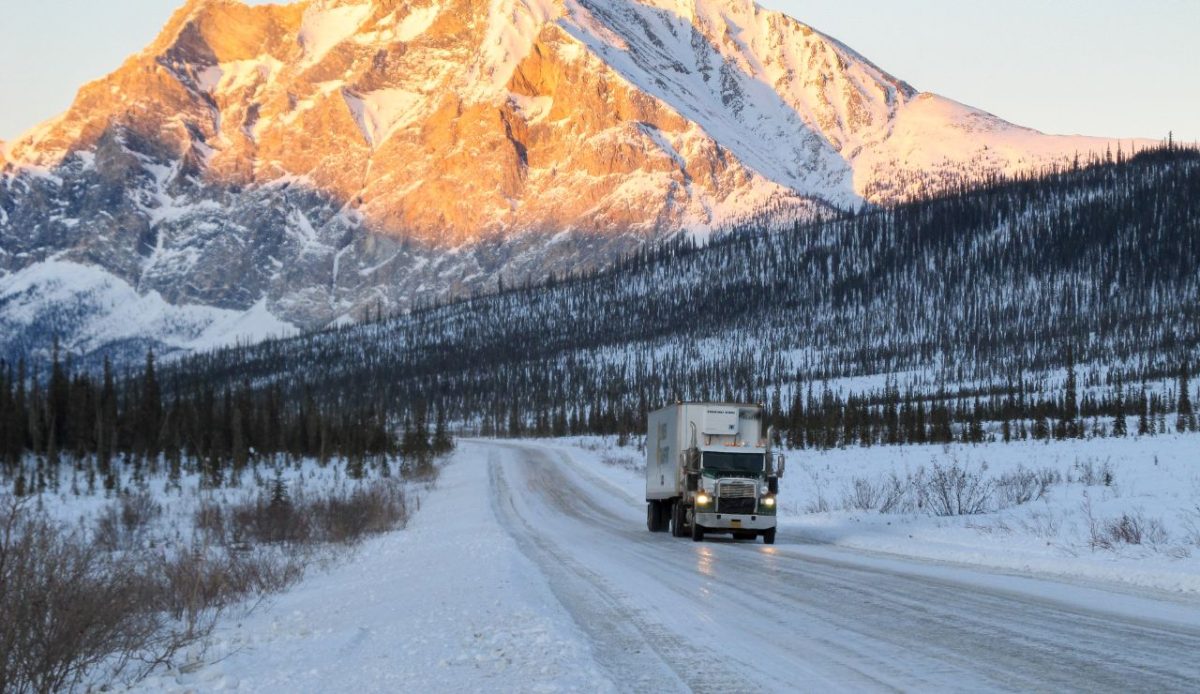
Alaska’s Dalton Highway has legendary status, which can make it sound like an irresistible detour. In reality, it is less a casual scenic addition and more a remote commitment that requires preparation, fuel awareness, and comfort with limited services.
Alaska DOT says the road is open year-round, while the Bureau of Land Management notes that services are few along the way. That combination explains its appeal and drawbacks. Isolation can sound exciting until it begins to affect timing, supplies, and driver fatigue.
For travelers planning carefully, the Dalton can be rewarding. For drivers, adding it because someone called it unforgettable, restraint is often wiser. This is a road where staying on route is the practical decision.
