
Some border crossings feel routine on paper but far more stressful in practice. What unsettles travelers is not always distance or poor infrastructure. It is the combination of visible security, political tension, difficult terrain, and the sense that small mistakes can quickly become serious problems.
In some places, the anxiety comes from armed patrols and strict controls. In others, it comes from isolation, smuggling routes, or conflict that has shaped the border for years.
That is why certain crossings stay in travelers’ minds long after they are over. These seven are known less for convenience than for the pressure, unpredictability, and tension they can create for even experienced visitors.
1. Darién Gap (Colombia–Panama)
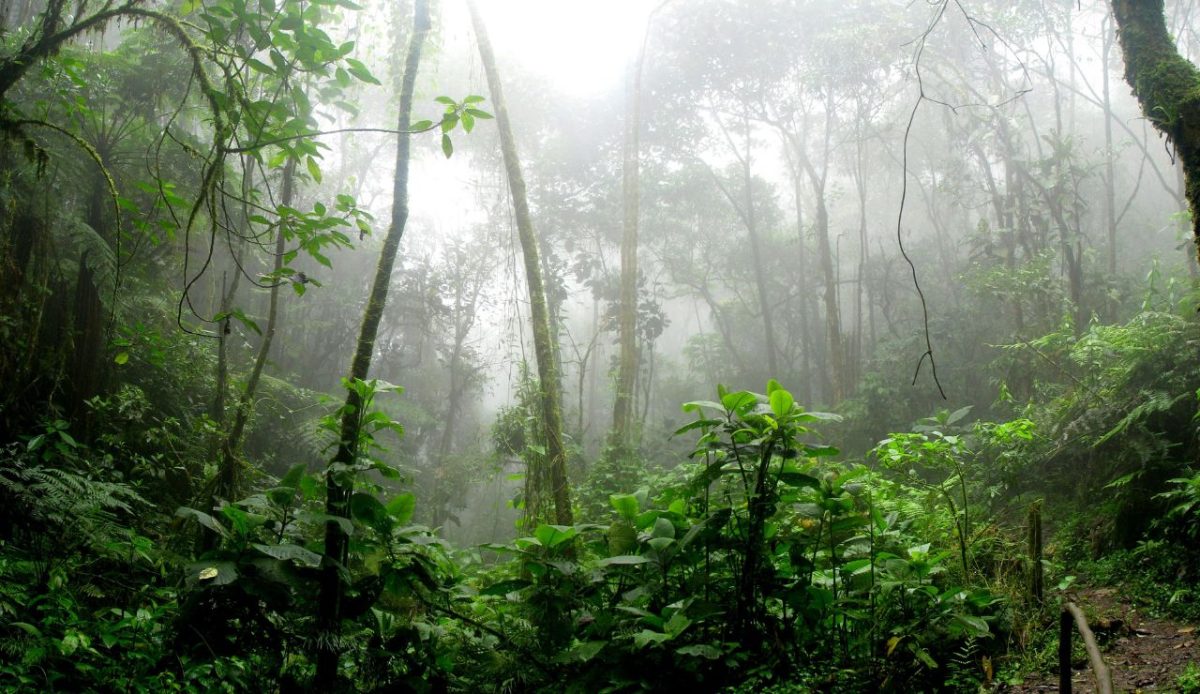
The Darién Gap is not a conventional border crossing with paved lanes, passport booths, and predictable transit. It is a dense, roadless jungle region between Colombia and Panama that has become widely associated with extreme hardship, criminal activity, and dangerous migration routes.
Travelers are often unnerved by the lack of infrastructure as much as the reputation. The terrain is physically punishing, communications can be limited, and the area has long been linked to smugglers, armed groups, and serious personal risk.
What makes it especially intimidating is that the danger is layered. Harsh landscape, illegal movement, and weak access to help combine to create a crossing few people would ever describe as routine.
2. Durand Line (Pakistan–Afghanistan)
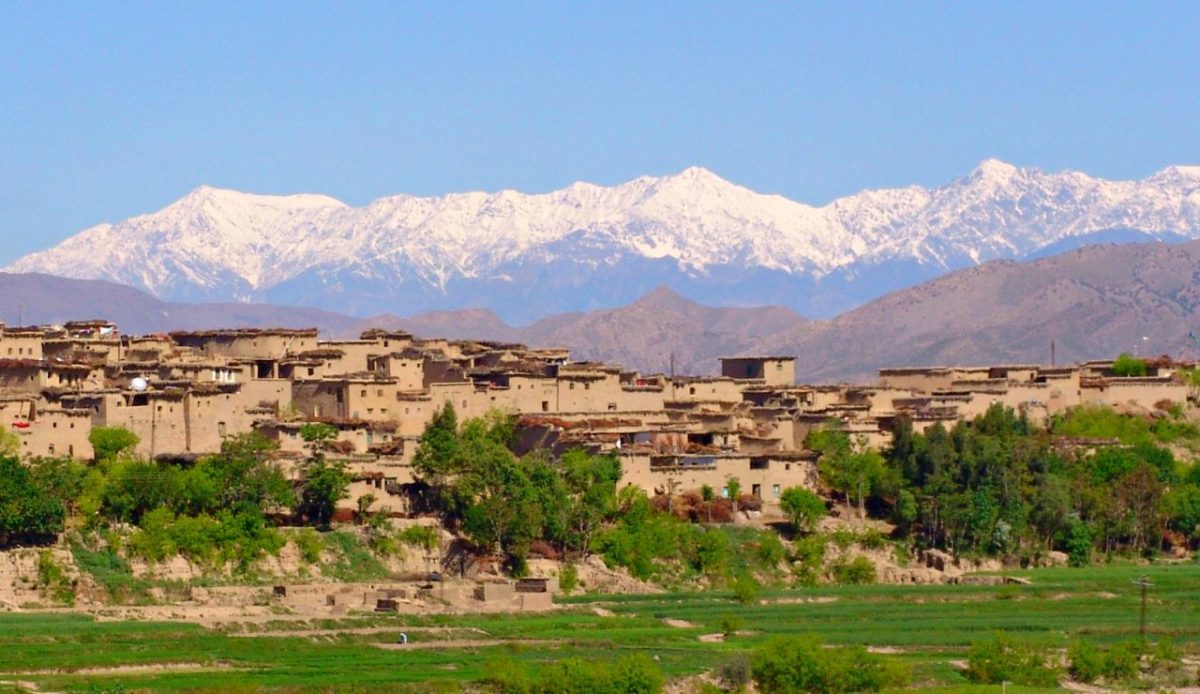
The Pakistan–Afghanistan border, often referred to as the Durand Line, carries a level of tension that goes well beyond ordinary international travel. It cuts through rugged terrain and areas that have seen repeated instability, military activity, and security crackdowns over many years.
For travelers, the stress comes from unpredictability. Checkpoints, closures, and shifting local conditions can change the feel of a journey very quickly, even when movement is technically permitted.
It is this atmosphere of uncertainty that makes the crossing so unnerving. The route is shaped not just by geography, but by conflict history, armed presence, and the constant awareness that border conditions can harden without much warning.
3. India–Pakistan Border (Attari–Wagah)
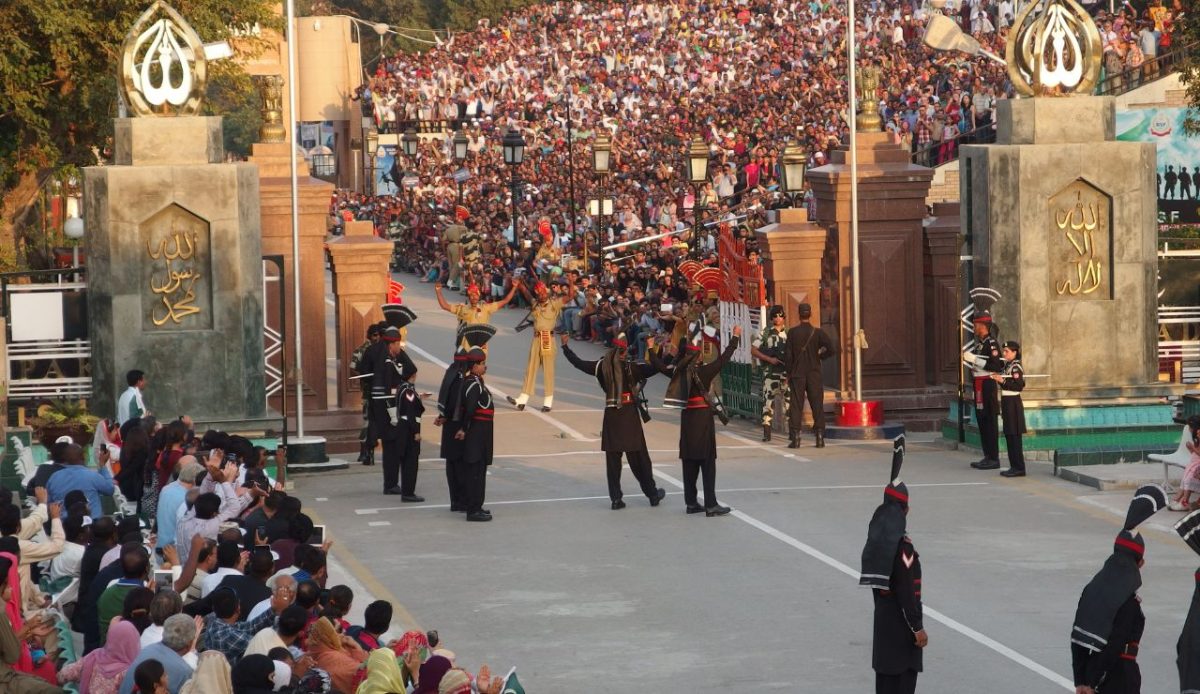
The Attari–Wagah crossing is one of the world’s most recognized borders, partly because it is open to visitors and tied to a highly choreographed daily ceremony. Even so, it can still make confident travelers uneasy because the spectacle exists within a heavily fortified and politically sensitive setting.
Security presence is obvious, and the border’s symbolism is hard to ignore. Long-standing rivalry between India and Pakistan gives the crossing a seriousness that many travelers feel as soon as they approach the gates.
That contrast is what makes it memorable. It is both a tourist landmark and a frontline symbol of division, where formal ceremony, visible defenses, and historical tension all shape the experience at once.
4. Bangladesh–India Border
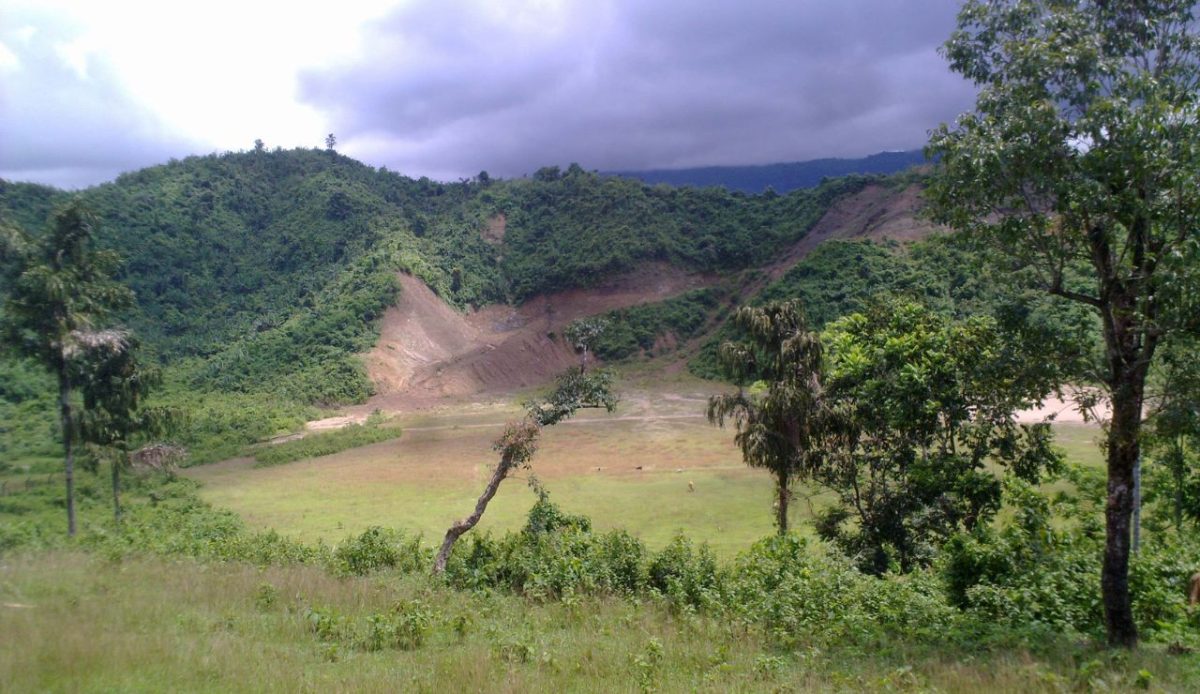
The Bangladesh–India border stretches across villages, farmland, river sections, and fenced areas, making it very different from a standard checkpoint experience. It has long been associated with smuggling, disputed movement, and harsh enforcement in some sectors.
Travelers and observers often describe the region as tense because daily life and border control exist so close together. In some places, homes, fields, and local routes sit near heavily monitored lines, creating an atmosphere that feels unusually charged.
What makes this border troubling is the human intensity around it. It is not just a line on a map, but a lived-in frontier where security policy, migration pressure, and ordinary movement can collide in difficult ways.
5. Korean Demilitarized Zone (South Korea–North Korea)
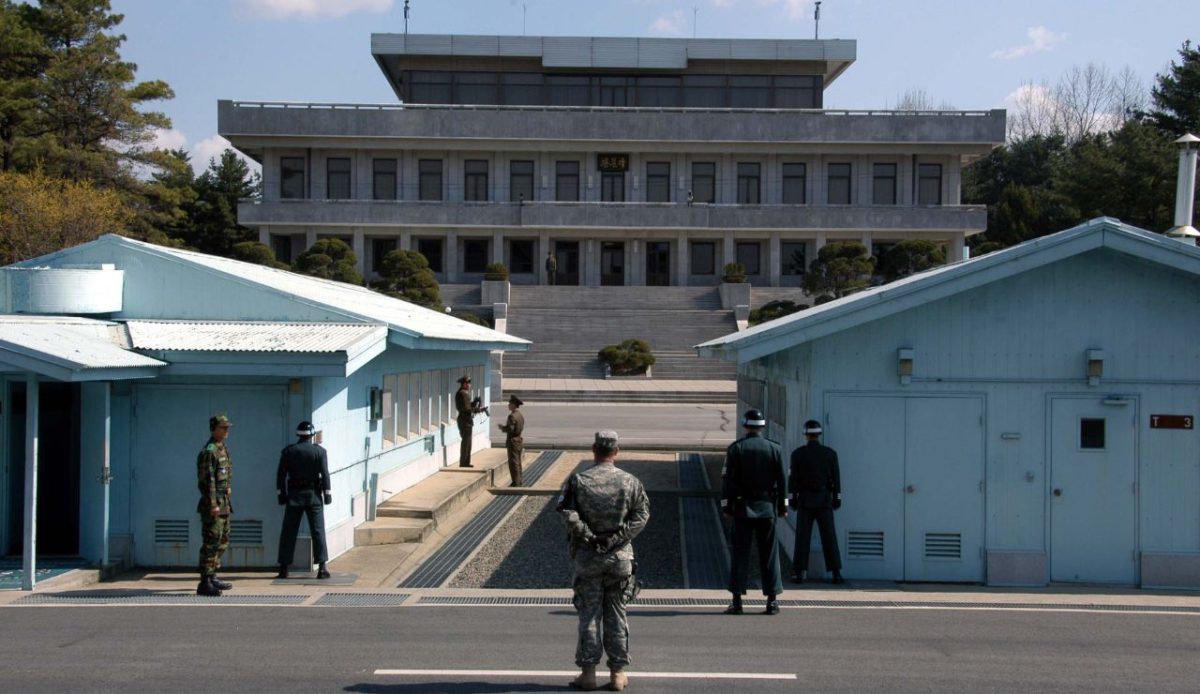
Few borders feel as symbolically heavy as the Korean Demilitarized Zone. Even though parts of it are visited through controlled tours, the DMZ remains one of the most militarized and politically loaded frontiers in the world, shaped by an unresolved conflict that never fully disappeared.
The tension is visible in every detail. Guard posts, surveillance, military personnel, and the knowledge of mines and separation all reinforce that this is not a normal sightseeing stop, even when the visit is orderly and supervised.
That is why it unsettles travelers so quickly. The crossing is less about physical difficulty and more about the psychological weight of standing at a border defined by decades of hostility, division, and military readiness.
6. Taftan Border (Pakistan–Iran)
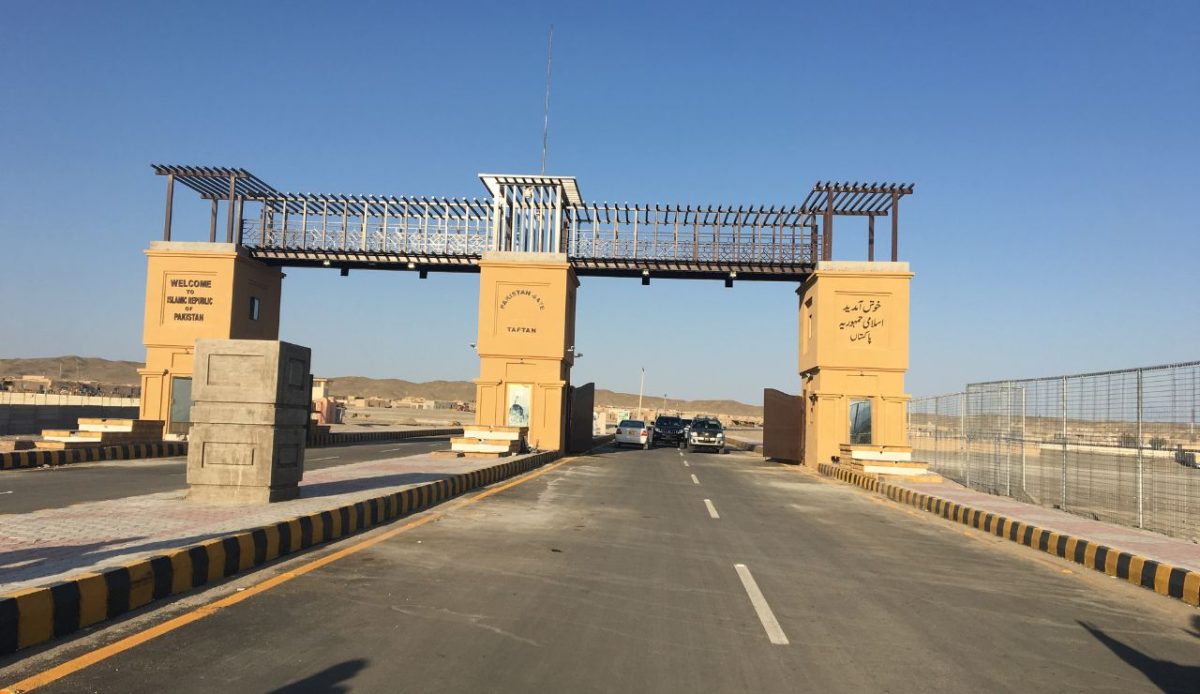
The Taftan crossing between Pakistan and Iran has a reputation for being one of the region’s hardest overland border experiences. The surrounding landscape is remote and harsh, and the broader Balochistan area has long carried security concerns that add pressure to an already demanding route.
For many travelers, the discomfort starts before the formal crossing itself. Long waits, convoy-style movement in some circumstances, and limited roadside comfort can make the journey feel exhausting even when procedures go as planned.
What makes Taftan so nerve-racking is the combination of isolation and control. The environment is unforgiving, the logistics can be slow, and the wider security context means the crossing rarely feels casual or easy.
7. Mexico–United States Border (Tijuana/El Paso)
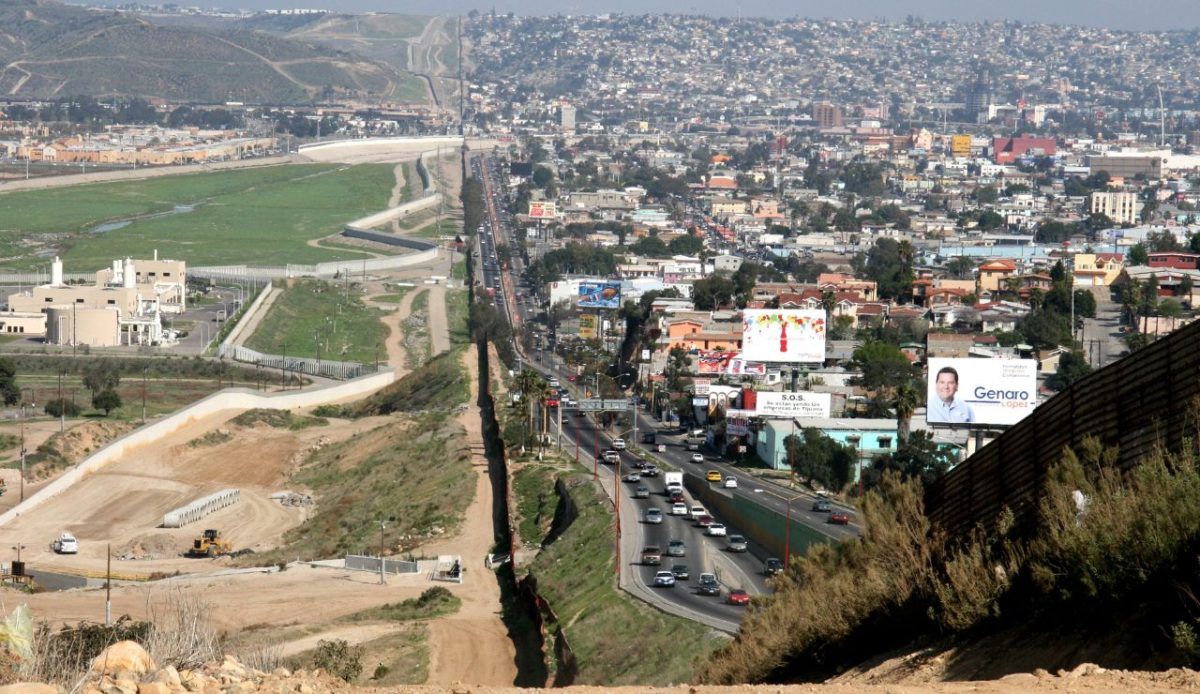
The Mexico–United States border includes some of the busiest legal crossings in the world, but high volume does not always make the experience feel relaxed. In places such as Tijuana and El Paso, the scale of enforcement and the visibility of border infrastructure can make routine crossings feel intense.
Travelers often notice pressure in queues, document checks, surveillance, and the awareness that these gateways sit within a politically charged border region. News coverage of illegal crossings and cartel violence nearby adds to that sense of scrutiny.
As a result, the crossing can feel stressful even when everything is orderly. It is the mix of security, scale, and political weight that gives these border points their tense reputation.
