
Overtourism is no longer limited to famous capitals or major resort centers. Smaller coastal towns, mountain communities, and historic villages now face growing visitor pressure as cheap travel, road trips, and social media trends steer travelers toward quieter alternatives.
Many of these destinations appeal because they feel less crowded and more authentic. Yet fast tourism growth can erode that advantage when roads, housing, and public services are not built for repeated surges in demand.
The result is a widening gap between what visitors expect and what smaller towns can accommodate without disrupting residents’ daily life.
Viral Travel Has Changed the Map

Smaller towns now appear on travel wish lists much faster than before. A viral post, influencer video, or trending image can turn a quiet village, lakeside town, or scenic rural stop into a heavily visited destination within weeks.
Unlike older tourism patterns, this attention is often sudden and concentrated. Visitors do not always spread evenly across a region, but cluster around the same streets, viewpoints, cafés, and waterfronts highlighted online.
That creates sharp spikes in demand, leaving local officials and residents little time to prepare for changes that once would have unfolded gradually over several travel seasons.
Limited Systems Reach Capacity Quickly
Smaller destinations usually operate with narrower margins than large cities. Parking, waste collection, public toilets, water supply, sewage systems, and local transport may work for residents, but they can struggle once visitor numbers rise sharply.
Historic towns and rural communities are especially exposed because many were never designed for heavy daily turnover. Even a modest increase in traffic or footfall can disrupt routines far faster than in larger urban centers.
When that happens, the strain becomes visible through overcrowded streets, overflowing bins, long queues, noise, and growing pressure on basic public services.
Residents Bear the Cost of Popularity

One of the clearest effects of overtourism in smaller towns is the pressure it places on local housing and everyday affordability. Homes may shift into short-term rentals, landlords may target tourist demand, and prices can rise faster than local wages.
This change often affects workers first, including teachers, hospitality staff, health workers, and younger residents who want to stay in the community but find fewer realistic housing options nearby.
Over time, the town may remain busy and profitable on the surface, while the people who support its schools, shops, and services are gradually pushed farther away.
The Environment Feels It Too
In smaller towns, environmental damage can show up quickly because the spaces under pressure are often limited and fragile. Trails erode faster, litter builds up more visibly, water resources come under strain, and noise changes the character of once-quiet places.
Mountain communities, coastal areas, and historic sites can be especially vulnerable because their appeal depends on landscapes, heritage, and a sense of calm that is harder to protect at higher visitor volumes.
Even when damage is not dramatic at first, repeated seasonal pressure can gradually weaken the qualities that made the destination attractive in the first place.
More Towns Are Trying to Push Back
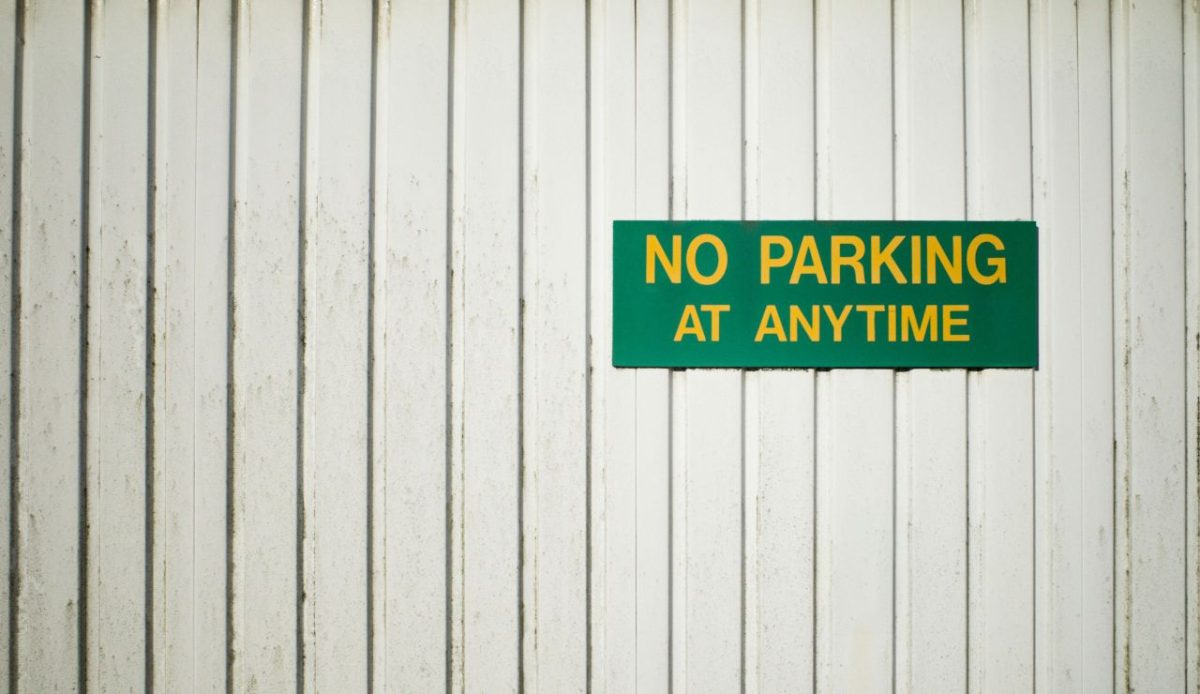
Smaller towns are not necessarily rejecting tourism, but many are trying to manage it more carefully. Local authorities are testing short-term rental limits, access controls, parking restrictions, seasonal messaging, and visitor education to reduce pressure on residents and public spaces.
Some places are also encouraging travel outside peak periods or directing visitors toward less crowded areas to spread demand more evenly. The aim is to make tourism more workable.
As overtourism spreads beyond major cities, smaller towns are being pushed to balance economic benefit with the need to remain livable for the people who call them home.
