
Beach towns that once inspired loyal return trips are starting to lose their regular visitors. In many coastal destinations, the qualities people loved most have been pushed aside by congestion, rising prices, heavy development, and visible environmental wear. What once felt easy and familiar now feels more crowded and more controlled.
Locals usually notice the shift first. They see traffic worsening, public space shrinking, and new development changing the shoreline’s character in ways visitors feel right away.
When comfort, access, and local charm decline together, repeat travelers begin looking elsewhere.
Overtourism Has Changed the Everyday Experience
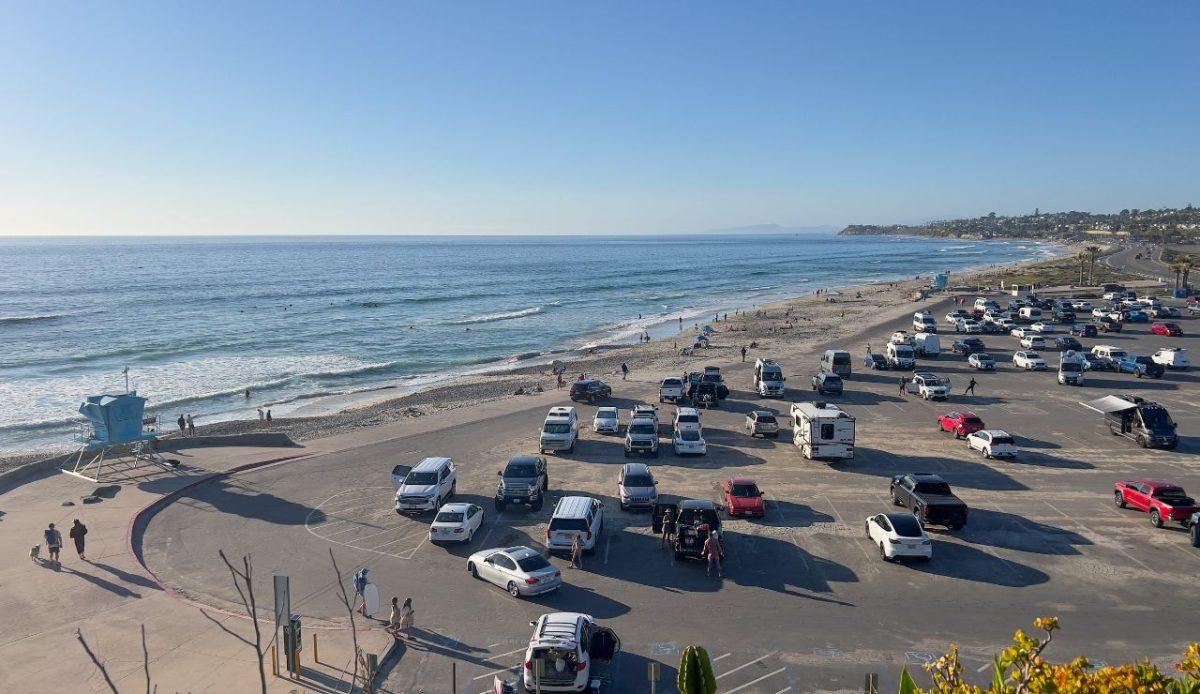
In many beach towns, overtourism has changed the entire experience. Roads back up earlier, parking disappears faster, and long lines form for restaurants, beach access points, and even basic services during the busiest parts of the season.
For repeat visitors, the issue is not simply popularity. It is the way crowding now shapes every part of a trip, replacing spontaneity with waiting, noise, and constant competition for space. A quiet coastal escape can start to feel more like an endurance test.
Locals usually spot the tipping point first. When the town becomes difficult to move through, visitors notice too.
Local Character Is Being Replaced by Generic Growth
The loss of local character is another reason these towns struggle to keep loyal visitors. Small seafood spots, family-owned stores, and familiar public spaces are increasingly replaced by chains, luxury builds, and businesses aimed at fast tourist turnover.
That shift may look polished, but it often makes one beach town feel much like the next. The details that once gave a destination its identity begin to fade, leaving behind a version that feels more commercial than personal.
Locals know people return for atmosphere as much as scenery. Once that atmosphere fades, habit alone rarely keeps visitors coming back.
Environmental Wear Is Becoming Harder to Ignore
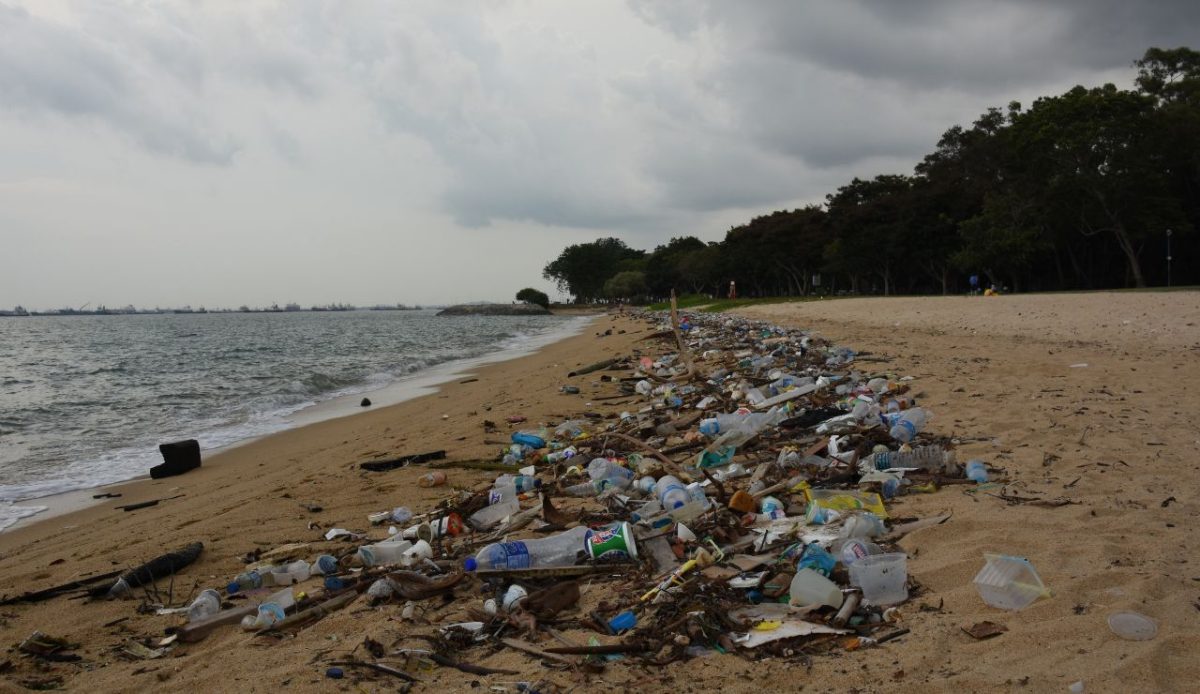
Environmental strain is also changing how beach towns are experienced. Erosion, litter, overbuilt coastlines, and damage to nearby ecosystems can make even a well-known destination feel less healthy and less inviting than it once did.
Visitors may not describe the problem in technical terms, but they notice narrower beaches, murkier water, damaged dunes, and a shoreline that feels more stressed than cared for. These changes weaken the sense of escape many people expect from a coastal trip.
Locals often connect those changes directly to overuse and unchecked development. The beach may still be there, but the condition is no longer the same.
Higher Prices No Longer Feel Worth It
Higher costs have made many once-affordable beach towns feel less rewarding. Hotel rates rise, parking comes with added fees, and food, rentals, and access-related charges can turn a simple trip into a much more expensive outing than expected.
Repeat visitors are especially sensitive to this shift because they remember when the experience felt better balanced. Paying more is not always the problem. Paying more for more stress, less convenience, and a thinner sense of value is what pushes people away.
Locals hear the frustration clearly. Travelers do not just feel priced out; they feel nickel-and-dimed at nearly every step.
Public Access Feels More Limited Than Before
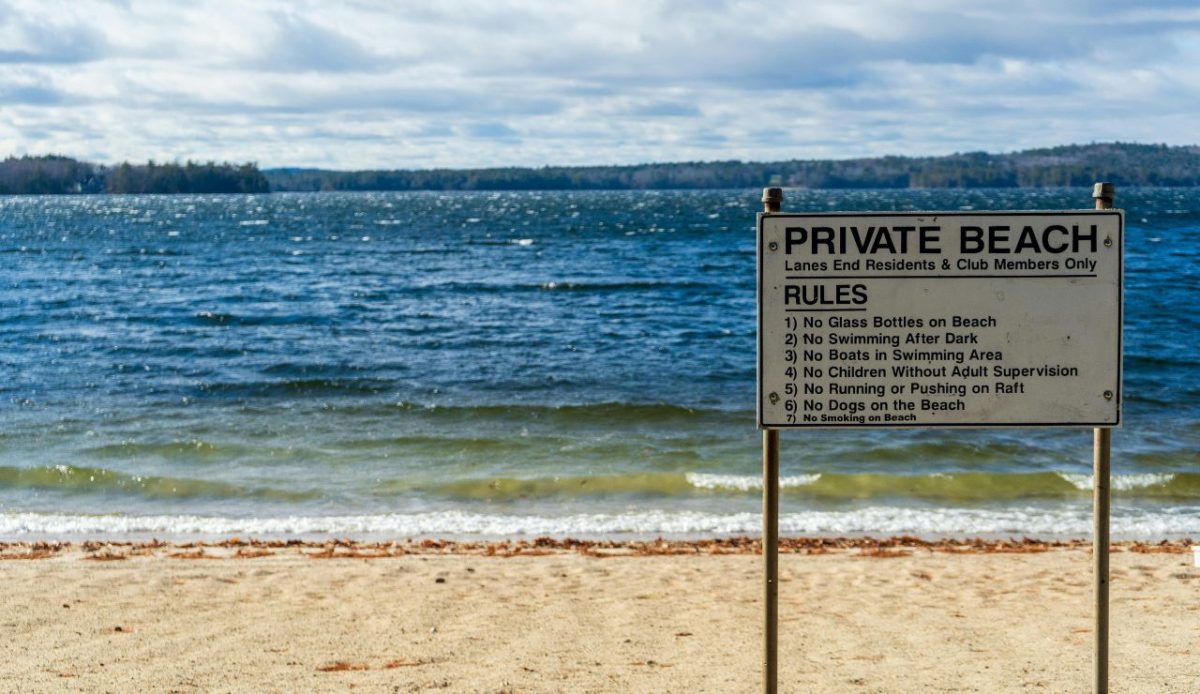
In some towns, reduced public access has become part of the problem. As private developments, gated communities, and high-end coastal projects expand, everyday visitors can find it harder to reach the beach or enjoy it comfortably once they arrive.
That change matters because access shapes the entire relationship people have with a destination. When the shoreline feels controlled, crowded, or carved up for a smaller group of users, the town loses part of what made it appealing in the first place.
Locals often see the contradiction clearly. A place can still be busy on paper while feeling less open, less welcoming, and less worth returning to.
