
Flight search tools often make a short connection look perfectly reasonable, especially when both flights appear on one booking, and the airport code never changes. On screen, a tight layover can look efficient and easy, with no clear sign that the transfer may involve far more than walking to a nearby gate.
Real airports are less forgiving. A connection that seems simple online can unravel once security screening, passport control, terminal trains, gate changes, and early boarding cutoffs begin cutting into the time between flights.
Layovers are not spare time; they are timed obstacle courses with very little slack. These eight connections are known for sounding easy at checkout and feeling very different once the first plane lands.
1. Changing Terminals at Heathrow
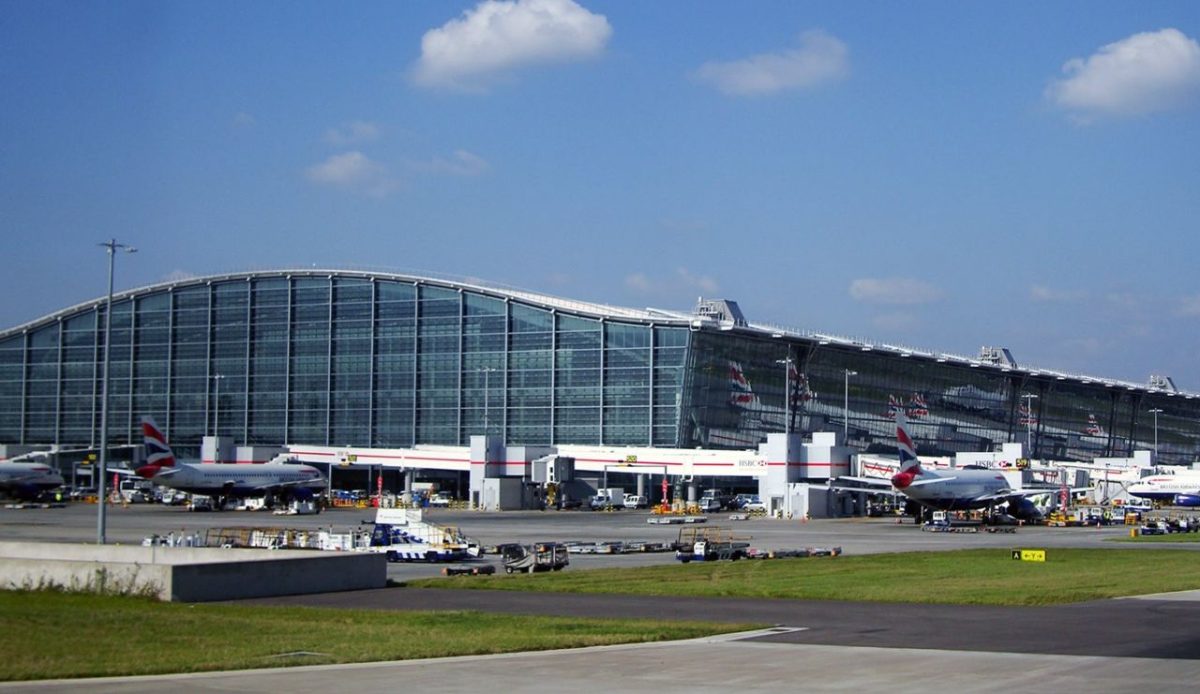
A connection at London Heathrow can appear comfortable until travelers realize that staying within the same airport does not mean staying within the same building.
Some transfers involve buses, long walks, document checks, and another round of security, all of which can move slowly during peak periods. Terminal changes also reduce the small buffer that looks generous when booking.
Add an inbound delay or a late gate assignment, and the connection starts shrinking fast. What sounds like one airport handoff often behaves more like a small regional trip inside a much larger travel day. For travelers unfamiliar with Heathrow, the airport’s scale is often the first problem, not the airline.
2. Domestic to International at JFK
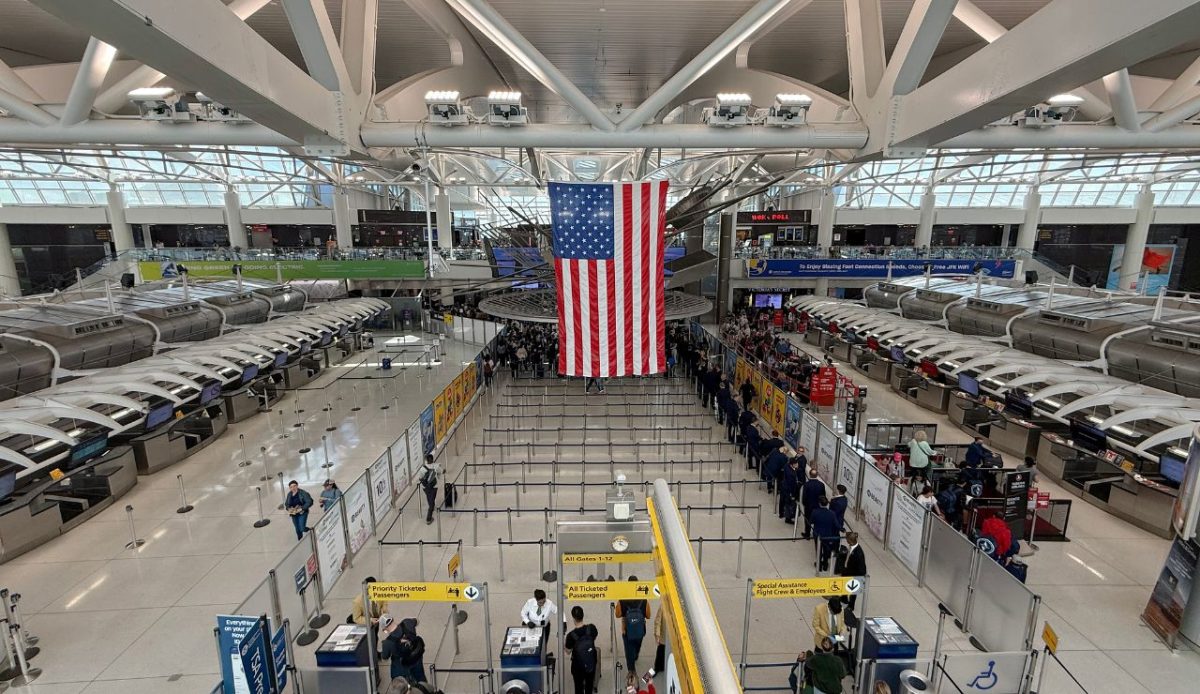
New York’s JFK often looks manageable on an itinerary because many flights cluster under one airport name, but domestic-to-international connections can be more demanding than expected.
Travelers may need to leave one terminal, ride a train or shuttle, re-clear security, and reach a gate area where boarding starts earlier than the departure time suggests. Airline partnerships do not always translate into neighboring gates.
Busy traffic around the terminals and long screening lines can also turn a decent-looking layover into a race. The transfer works best with margin, not optimism and a fast walking pace alone. That is why even seasoned travelers rarely treat a short JFK international connection casually.
3. Schengen to Non-Schengen in Paris
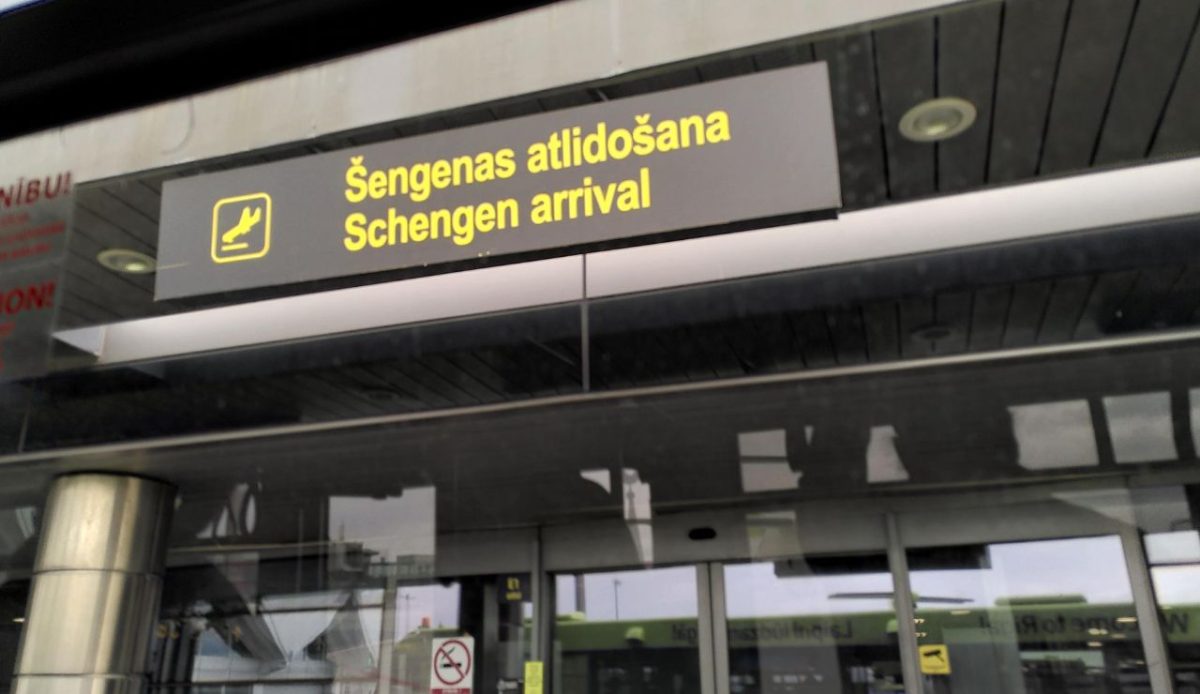
A connection in Paris can sound routine until the difference between Schengen and non-Schengen areas starts affecting the process.
Travelers may face passport control in addition to walking time, signage changes, and security procedures that vary by terminal and carrier. Even when the connection is technically legal, lines can build quickly and remove the comfort that a schedule seems to promise.
Airports serving Paris also handle heavy international traffic, which can slow movement during common banked arrival periods. The result is a transfer that looks ordinary in search results but often demands more time than first-time travelers expect.
4. Rechecking Bags in the United States
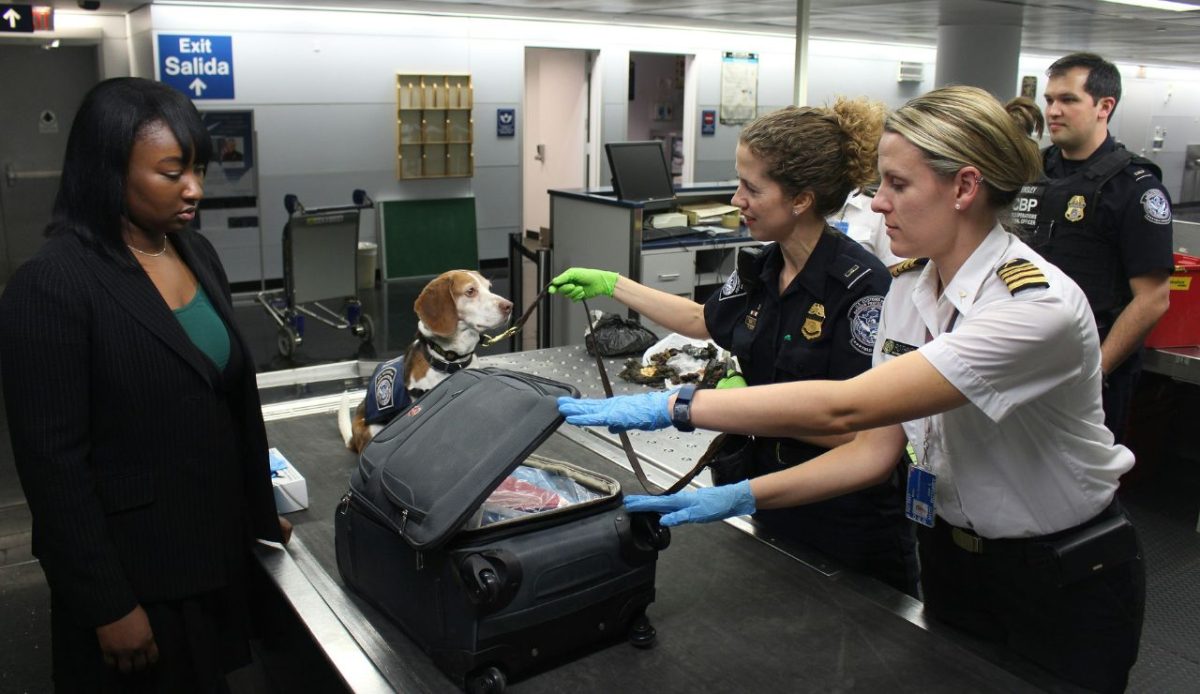
Many international arrivals into the United States come with a catch that surprises tired travelers: even on through-tickets, checked bags often need to be collected after landing and handed back over before the next flight.
That means immigration, baggage claim, customs, bag drop, and security can all sit between the first flight and the second. A ninety-minute layover may look efficient when booking, yet each step depends on lines, staffing, and how quickly luggage reaches the belt.
What seems like a simple onward connection is really a full arrival process followed by a second departure process. The system is familiar to frequent flyers, but it catches many visitors off guard.
5. Crossing Dubai With a Short Layover
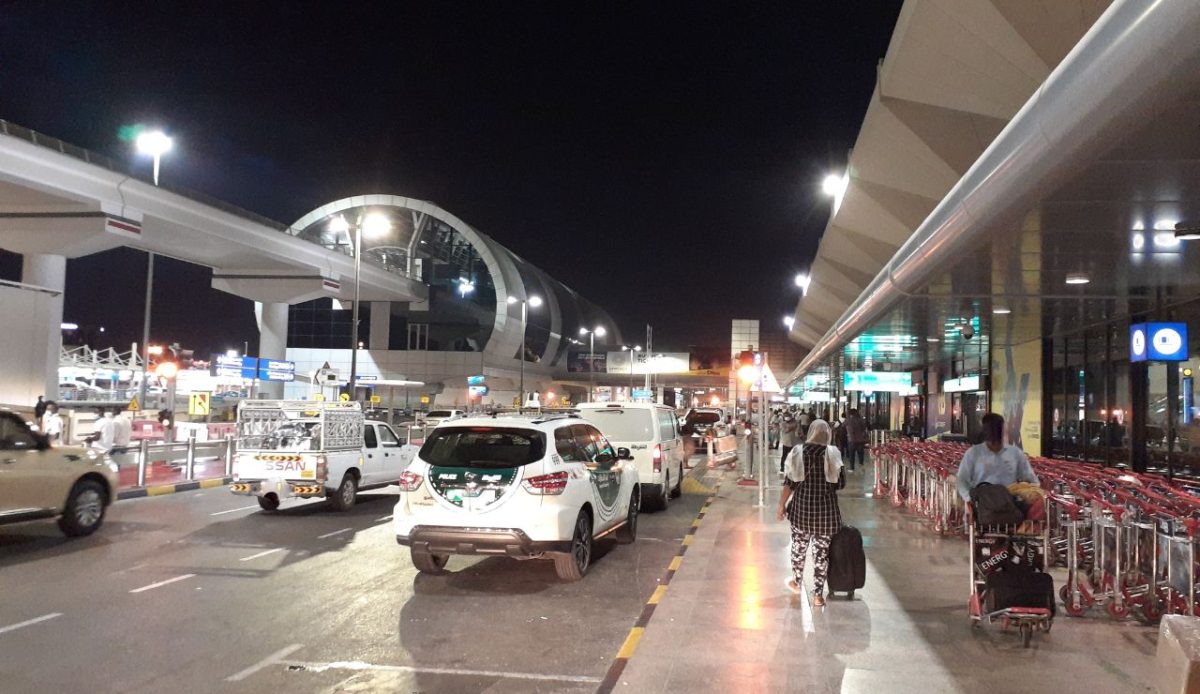
Dubai International is designed for connections, but that does not automatically make every short transfer easy. The airport is enormous, gate distances can be substantial, and some passengers need train rides or lengthy walks that are hard to judge from a booking screen.
Boarding for long-haul flights may begin well before departure, which quietly shortens the usable connection window. During busy periods, even moving sidewalks and efficient signage cannot fully offset crowd volume.
A layover that looks comfortable in minutes can feel far tighter on the ground, particularly when the incoming flight lands at a remote gate or is slightly late. Airport efficiency helps, but scale still wins if the timing is too tight.
6. Late-Night Transfers at Istanbul
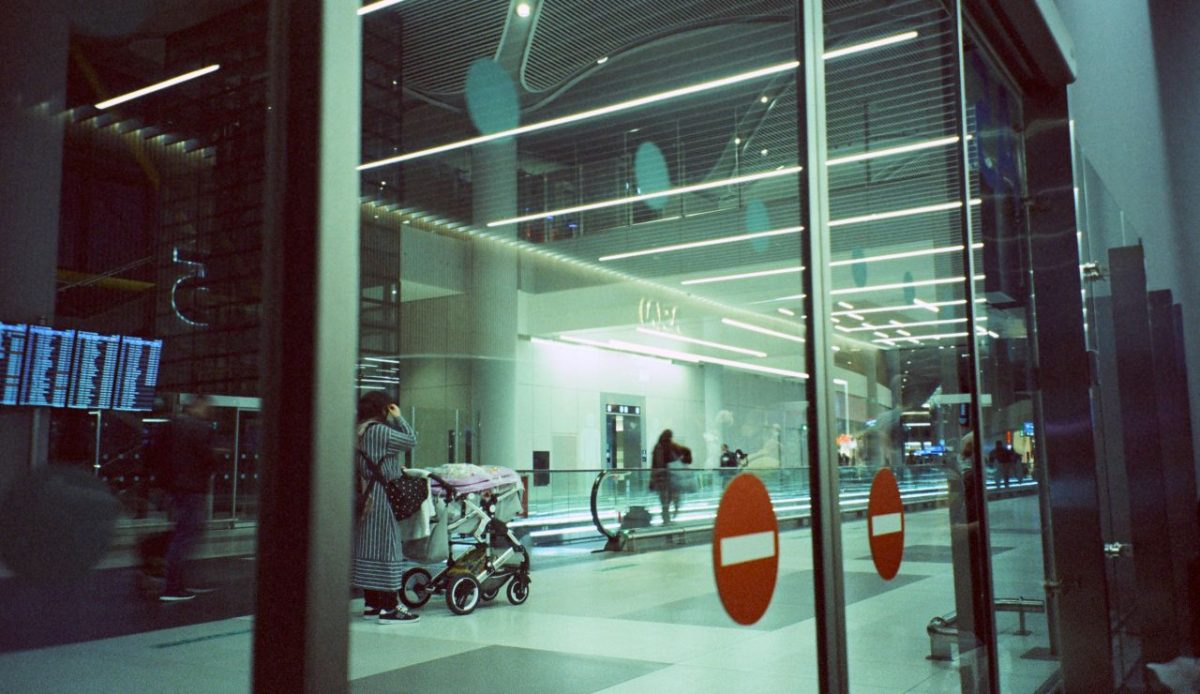
Istanbul’s main airport is modern and built for global traffic, but that scale can work against rushed connections. Distances between gates are often longer than travelers assume, and a late-night arrival does not guarantee an empty terminal or instant processing.
Some passengers still face security checks, document review, or crowded transfer points that consume more time than the schedule suggests. Fatigue also matters here; moving quickly after a long flight is harder than it sounds.
A connection that appears efficient in search results can become stressful once travelers realize how much airport geography is packed into one transfer. The airport works smoothly for many travelers, just not always quickly enough for a tight handoff.
7. Separate Tickets in Southeast Asia
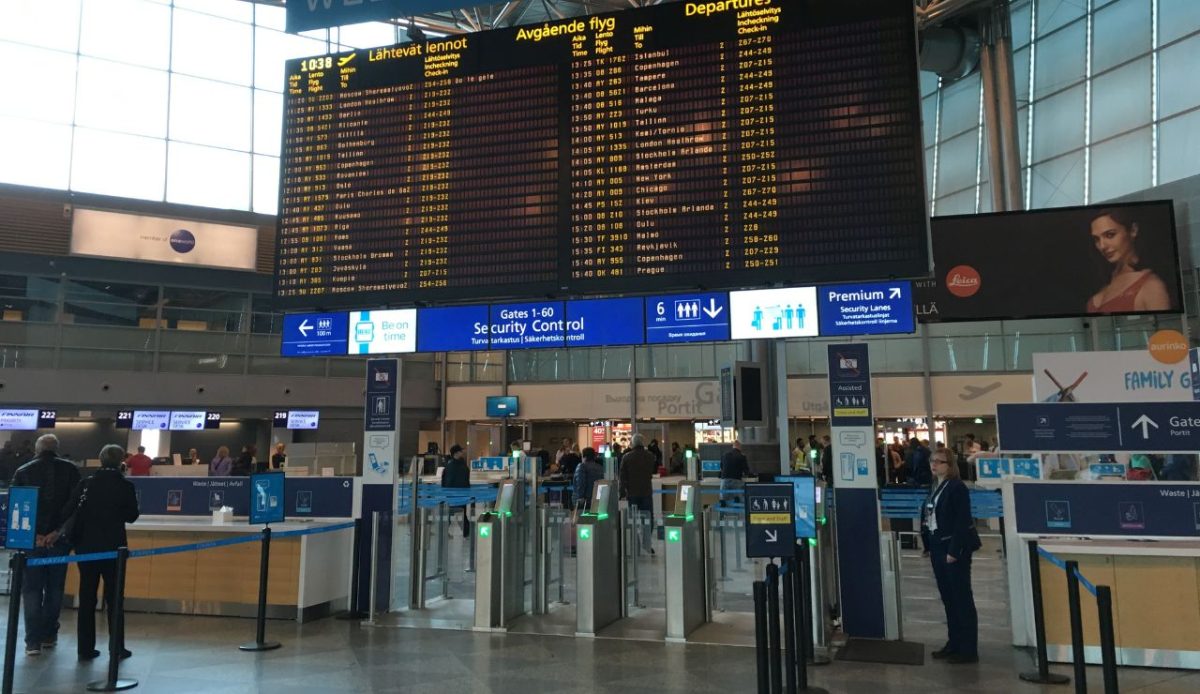
A cheap itinerary built from separate tickets can make a connection look simple because the times line up neatly on screen. The risk is that the airport does not treat those flights as one journey.
If the first flight is delayed, the second airline has no obligation to protect the onward segment. Travelers may also need to enter the country, collect bags, change terminals, and check in again under a new baggage policy or document rule.
On paper, the transfer can resemble a normal layover. In practice, it behaves like two unrelated trips with all of the timing risk pushed onto the passenger. A bargain fare can therefore create a costly miss easily.
8. Winter Connections Through Chicago

A short connection through Chicago can seem efficient, especially on major domestic networks with frequent departures. Winter changes the equation.
Even when the first delay is minor, gate congestion, deicing, runway sequencing, and weather-related slowdowns can quickly erode the buffer between flights. Large airports also mean long taxi times and substantial walks after landing, so the plane touching down does not mean the transfer stress is over.
What looked like a smart, compact layover in warmer months often becomes a fragile plan in cold-weather conditions, where even small disruptions can break the entire chain. In that season, sensible connection times matter more than low fares or neat scheduling.
