
Travelers are still booking major trips in large numbers, but many now describe a mismatch between how safe a destination feels and what crime data shows. Popular cities and resort regions can seem more uncertain today, even when official reports do not show a rise in visitor crime.
That gap is shaped by more than police statistics. News alerts, social media clips, protest footage, and weather disruption all affect how travelers read a place before they arrive.
In modern travel, perception has become part of the journey itself. A destination may remain statistically stable while feeling less predictable to the people planning to visit it.
How Media Coverage Changes Travel Confidence

Many travelers now build their understanding of safety from short-form updates rather than full reports. A theft video, protest clip, or airport disruption can spread quickly and leave a stronger impression than annual crime data covering a much broader reality.
That pattern matters because vivid incidents are easier to remember than slow-moving statistics. A rare event can shape destination image far beyond its actual frequency.
As a result, people may judge a city by what looks alarming on a screen, not by whether everyday conditions for most visitors have meaningfully worsened over time or stayed broadly stable.
Why Global Tension Affects Unrelated Destinations
Conflict, elections, demonstrations, and diplomatic tensions also influence travel confidence far beyond the places directly affected. When global headlines stay focused on instability, travelers often become more cautious about destinations that are nearby, connected, or simply unfamiliar.
That broader anxiety can flatten distinctions between regions. A place with stable tourism infrastructure may still feel risky because it is mentally grouped with wider unrest.
For many travelers, uncertainty now matters as much as crime itself. If the world feels less settled, even well-known destinations can seem harder to read and trust.
How Overtourism Changes the Feeling of Safety
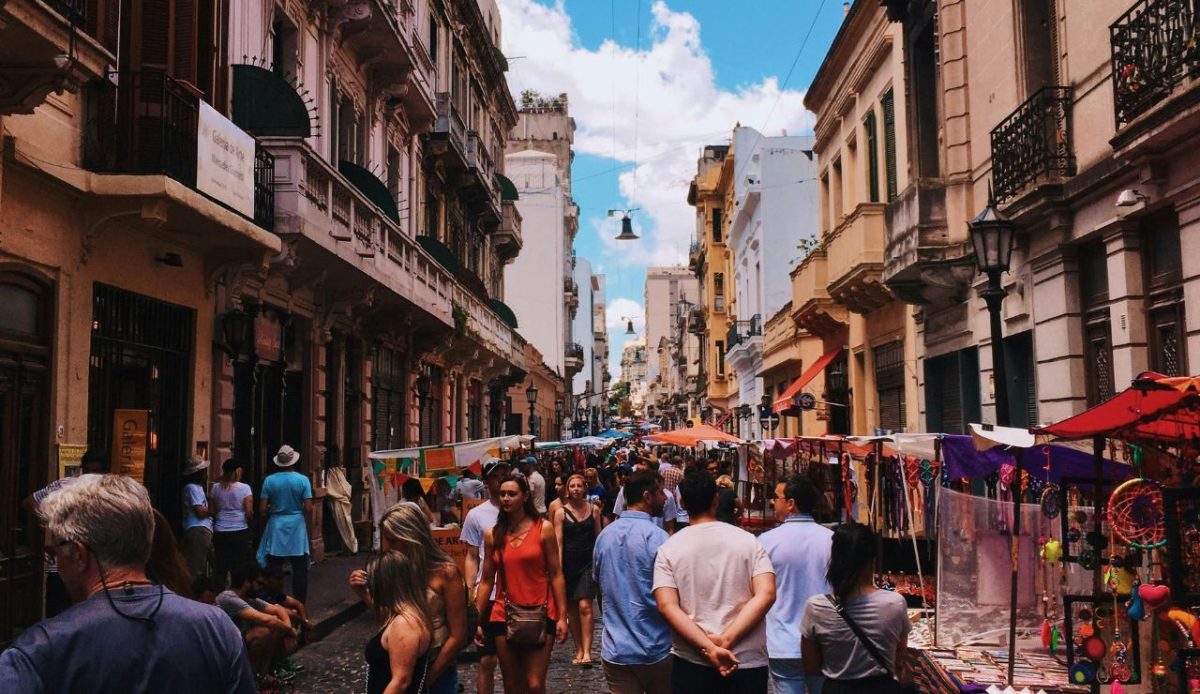
In crowded tourism hotspots, discomfort does not always come from crime. Visitors may instead notice protest messages, resident frustration, transport congestion, or rules introduced to manage heavy tourism pressure. Those signals can change how welcome and secure a place feels.
Even when crime rates stay level, atmosphere matters. A tense street scene or openly hostile message can make travelers feel exposed or out of place.
That helps explain why some destinations develop a riskier reputation without a matching spike in violent incidents. Social climate can shape safety perception almost as strongly as crime figures do.
Why Weather Now Shapes Risk Perception Too
Extreme weather now adds another layer to travel anxiety. Floods, heat waves, wildfires, and storm disruption may not fit traditional crime statistics, but they still make destinations feel harder to navigate and less predictable for visitors.
When travelers think about safety, they are often combining several concerns into one judgment. Transport delays, evacuation headlines, or heat warnings can blur together with fears about crime or disorder.
This is one reason a place can feel riskier even if its policing data stays broadly steady. Travelers are judging the whole experience of uncertainty, not one category alone.
Why Some Places Still Feel Like Safe Havens

Even with these concerns, some destinations continue to rank highly for peace and traveler confidence. Recent safety lists still place the Netherlands, Iceland, Austria, and Canada near the top, while cities like Reykjavik, Copenhagen, Zurich, Amsterdam, and Honolulu score strongly with travelers.
That contrast shows how modern safety judgments work. People are not looking only at crime totals, but also at healthcare, stability, infrastructure, and how manageable a place feels on the ground.
For travelers, the smartest approach is balance: use official data for context, but also understand why perception has become a force in travel choice.
