
Oʻahu’s best-known beaches remain central to the island’s appeal, drawing travelers to surf breaks, calm swimming areas and broad coastal views.
Their popularity, however, has also sharpened concerns about congestion, reef pressure, parking shortages and neighborhood disruption in places never designed for unlimited daily demand.
That tension now shapes how the island presents beach tourism. Alongside promotion, officials and community groups increasingly stress reservations, traffic controls, stewardship and visitor education. The aim is to keep treasured shorelines safe, usable and environmentally sound over time.
Waikīkī Beach
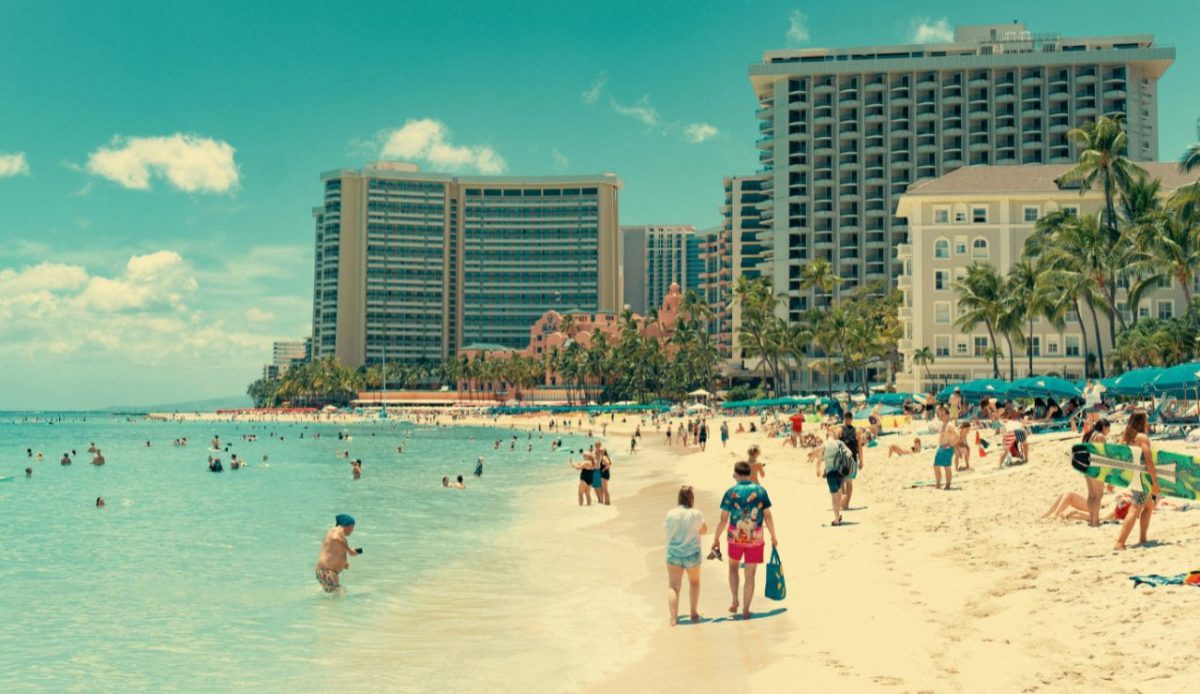
Waikīkī Beach remains Oʻahu’s best-known shoreline, where surf lessons, canoe rides and views of Diamond Head help draw millions of visitors each year.
Its appeal comes from easy access, generally gentle conditions on many sections and a setting that combines beach culture with hotels, dining and landmarks in central Honolulu.
Its challenge is volume. Because Waikīkī absorbs such a large share of visitor demand, management depends less on limiting entry and more on maintenance, safety oversight, shoreline care and encouraging respectful use by both visitors and local beach users. In effect, it also relieves pressure elsewhere.
Hanauma Bay
Hanauma Bay shows how Oʻahu is moving from open-access tourism toward tighter stewardship at fragile natural sites.
The marine preserve is one of the island’s most famous snorkel spots, but it now uses online reservations, timed educational screenings and controlled entry to better protect reef habitat and improve the visitor experience for daily arrivals.
That model reflects a broader shift in Hawaiʻi. Audits of the reservation system found the bay kept visitation far below pre-pandemic levels while revenues stayed strong, suggesting that management can prioritize conservation over sheer numbers and still remain financially viable.
Lanikai Beach
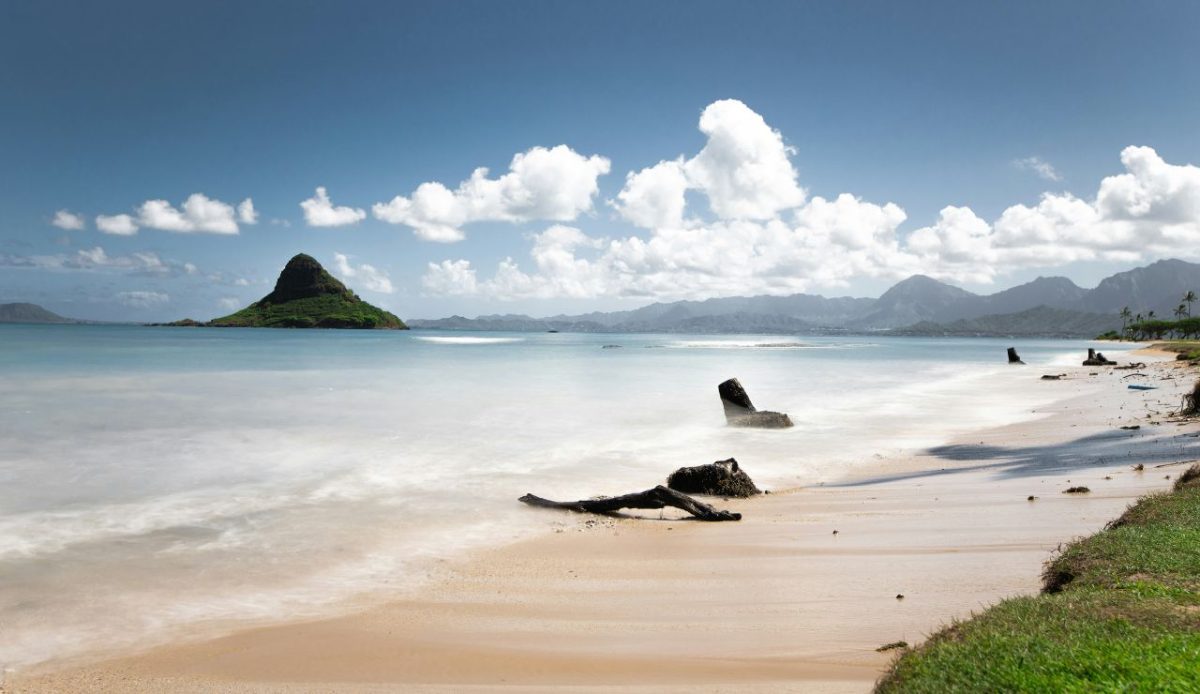
Lanikai Beach remains one of Oʻahu’s most admired coastal scenes, known for pale sand, clear water and views of the Mokulua islands.
It is also one of the clearest examples of why overtourism debates on Oʻahu often center on neighborhood infrastructure, because access roads are narrow and parking is limited in a residential setting.
Officials have increasingly tried to reduce pressure here. Tourism guidance has discouraged extra promotion of Lanikai because of traffic and parking concerns, while parking controls have been used to improve circulation and support safer access for residents and visitors.
Waimea Bay
Waimea Bay on the North Shore is loved for different reasons across the year. In winter it becomes a world-famous stage for expert big-wave surfing.
Summer brings calmer conditions suited to swimming, snorkeling and relaxed beach visits, giving the bay a second identity that broadens its appeal for families and day-trippers.
Managing popularity here is less about reservations and more about safety, timing and realistic expectations. Seasonal surf hazards, limited parking and heavy North Shore traffic all require oversight, so responsible visits often come down to choosing the right season and arriving early.
Ala Moana Beach Park
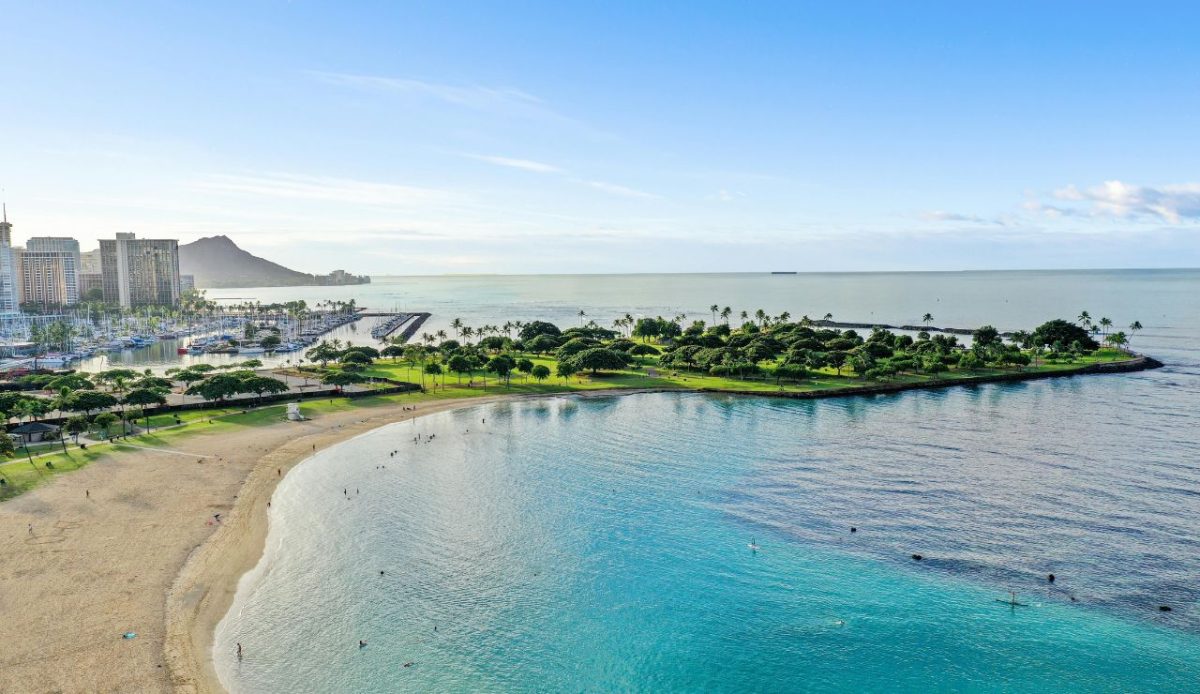
Ala Moana Beach Park offers a different way to think about beach demand. Close to urban Honolulu and protected by a reef, it has a broad sandy shoreline.
It also offers easier access to lifeguards, restrooms, walking paths and parking than many smaller or more residential beaches. That makes it busy, but usually easier to absorb on a daily basis.
As Oʻahu works to spread visitor use more carefully, places like Ala Moana matter. Well-serviced urban beaches can take pressure that might otherwise spill into fragile preserves or residential hotspots, making the park part of the island’s broader crowd-management mix.
