
Tourists often relax fastest in destinations that look polished, familiar, and heavily visited. A crowded square, famous beach walk, or resort zone can feel safe simply because so many other travelers are present and everything seems designed for comfort.
That sense of ease is exactly what causes problems. Many travel mistakes begin with a phone left on a table, a bag set down for a photo, or a quick decision made without checking prices, routes, or surroundings carefully.
The issue is not panic or suspicion. It is remembering that even popular visitor districts reward attention. In places built for leisure, travelers who stay calm but observant usually avoid the small errors that can disrupt an otherwise smooth trip.
1. Barcelona, Spain

Barcelona’s busiest visitor areas, especially around beach promenades and landmark-heavy districts, often encourage travelers to switch into full vacation mode. People slow down, carry valuables openly, and focus more on the atmosphere than on who is moving around them.
That relaxed mood can create easy openings for petty theft and distraction. A backpack left loose, a phone placed on a café table, or a wallet exposed while ordering can attract the wrong attention in crowded spaces where people stop and start.
Most visits pass without trouble, but the city rewards basic awareness. Keeping bags closed, handling cash discreetly, and staying alert in dense tourist corridors can help travelers enjoy the setting without an avoidable setback.
2. Paris, France
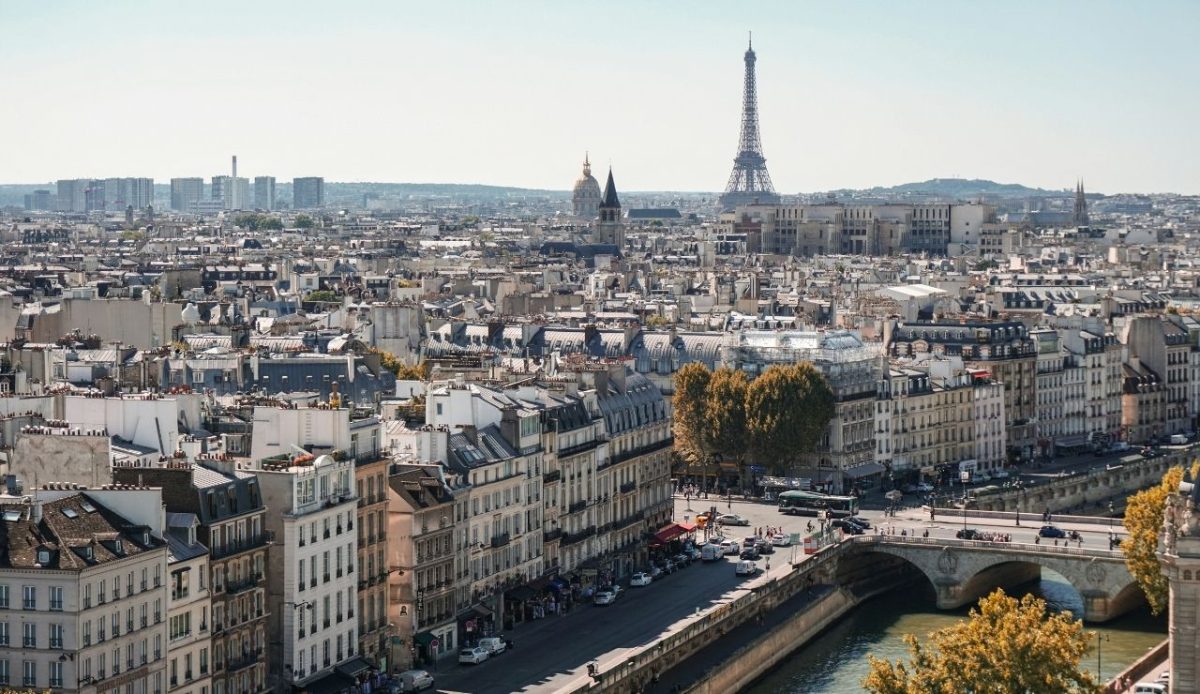
Paris draws visitors into grand boulevards, café terraces, and iconic public spaces that feel elegant rather than risky. That atmosphere can make travelers less guarded, especially when they are taking photos, checking directions, or pausing near major landmarks.
The problem is not the beauty of the setting but the distraction it creates. Visitors concentrating on a view or handling belongings openly may not notice when someone moves too close or uses a brief moment of confusion to target a bag or pocket.
A more careful routine solves most problems. Keeping valuables secured, limiting what is carried for the day, and staying organized before stopping in busy sightseeing zones can make a big difference without changing the tone of the trip.
3. Rome, Italy
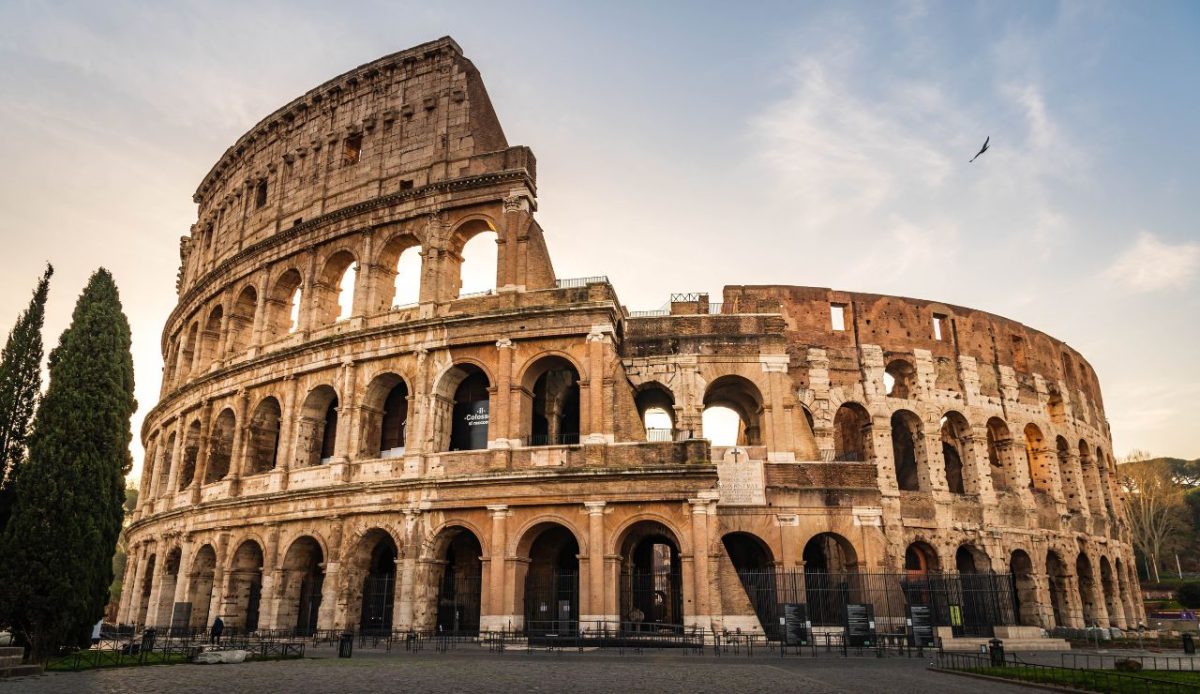
Rome encourages slow walking, long meals, and repeated stops around monuments, piazzas, and transit-linked tourist corridors. That rhythm is part of its appeal, but it also causes many visitors to lower their guard when they become absorbed in its history and atmosphere.
Common mistakes are usually simple rather than dramatic. Travelers place phones on outdoor tables, leave bags hanging loosely on chairs, or become distracted while buying tickets and moving between famous sites packed with visitors.
The smarter approach is steady awareness instead of anxiety. Keeping essentials close, avoiding unnecessary valuables, and paying attention between attractions can help travelers enjoy Rome’s pace without becoming too comfortable.
4. Bangkok, Thailand
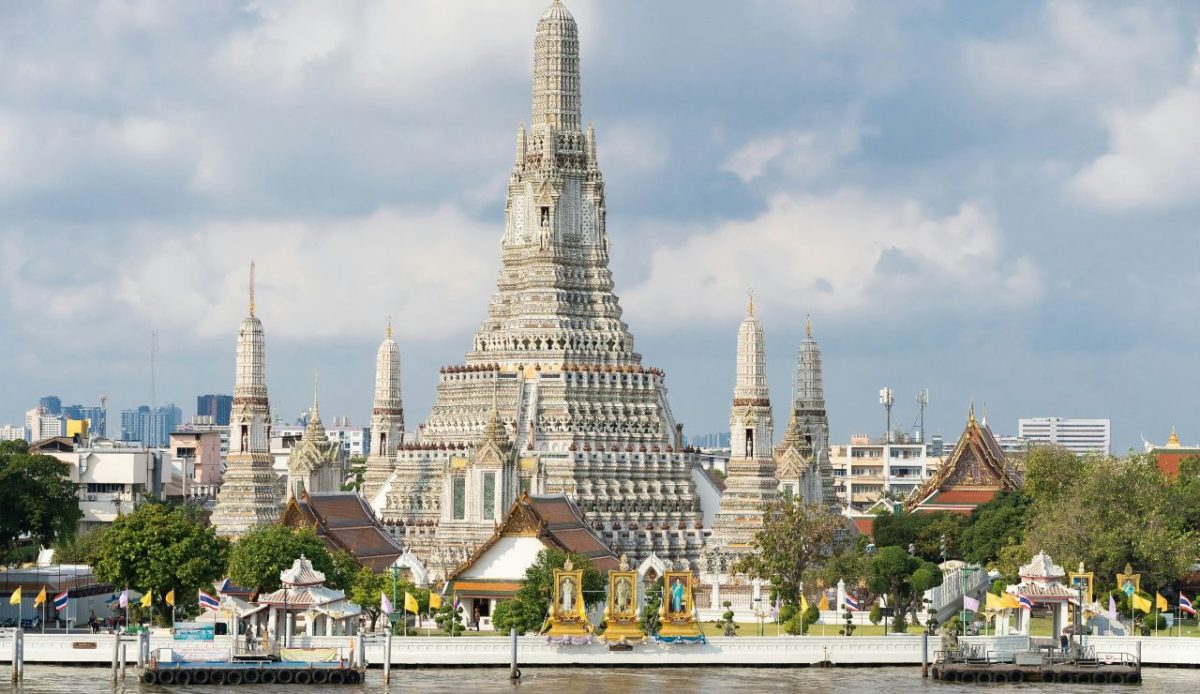
Bangkok’s most visited districts can feel welcoming because they are lively and full of restaurants, markets, hotels, and transport options. Travelers often assume that a busy area automatically means a safe one.
That confidence can lead to bad calls. Overpriced rides, unclear pricing, opportunistic theft, and distractions around nightlife or shopping zones are more likely when visitors are tired, rushing, or handling money and phones too casually in public.
The city is easier to enjoy when travelers stay deliberate. Confirming prices first, keeping belongings secure, and avoiding the habit of treating every busy street as low risk can reduce minor problems that spoil an exciting visit.
5. Cancún, México
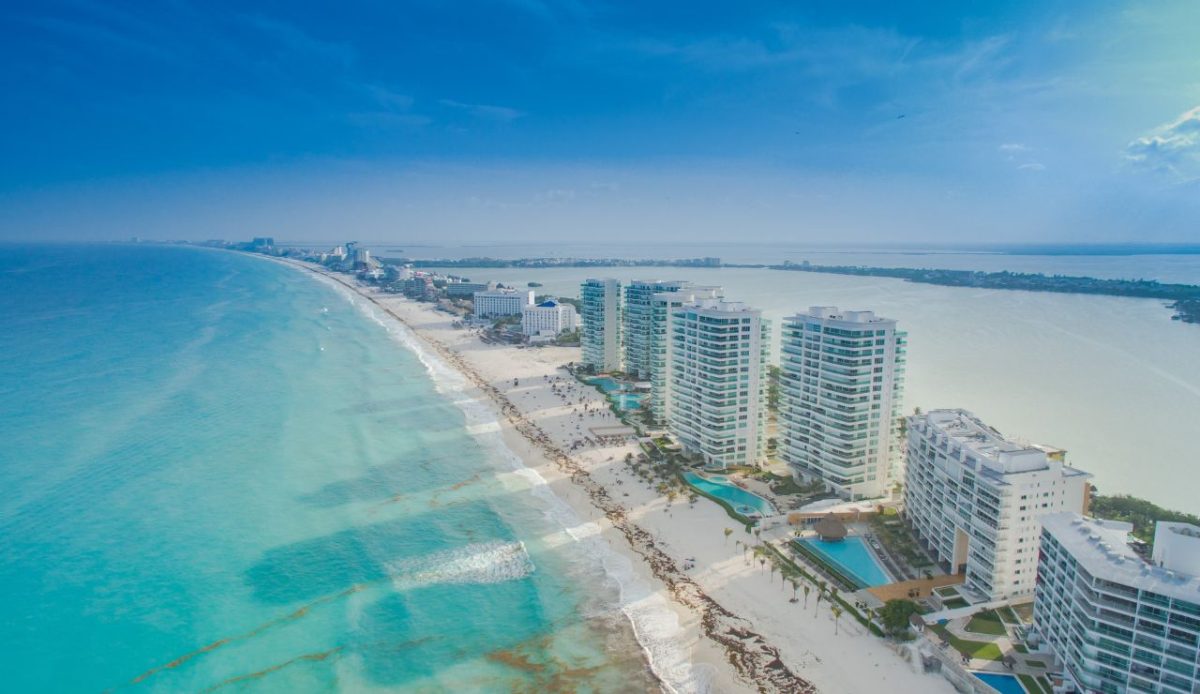
Cancún’s hotel zone and beachfront areas are designed to feel easy, polished, and carefree. That environment helps travelers relax quickly, but it can also create the false idea that leisure settings require less caution than city centers or transport hubs.
Many regrets come from routine vacation behavior. Guests leave belongings beside pool chairs, carry more cash than needed, trust informal offers too quickly, or stop paying close attention after a long day of beaches, shopping, and nightlife.
A resort-heavy destination still calls for practical habits. Using secure storage, carrying only what is necessary, and checking transport or service details before agreeing can help travelers keep the trip relaxed without becoming careless.
6. Istanbul, Türkiye
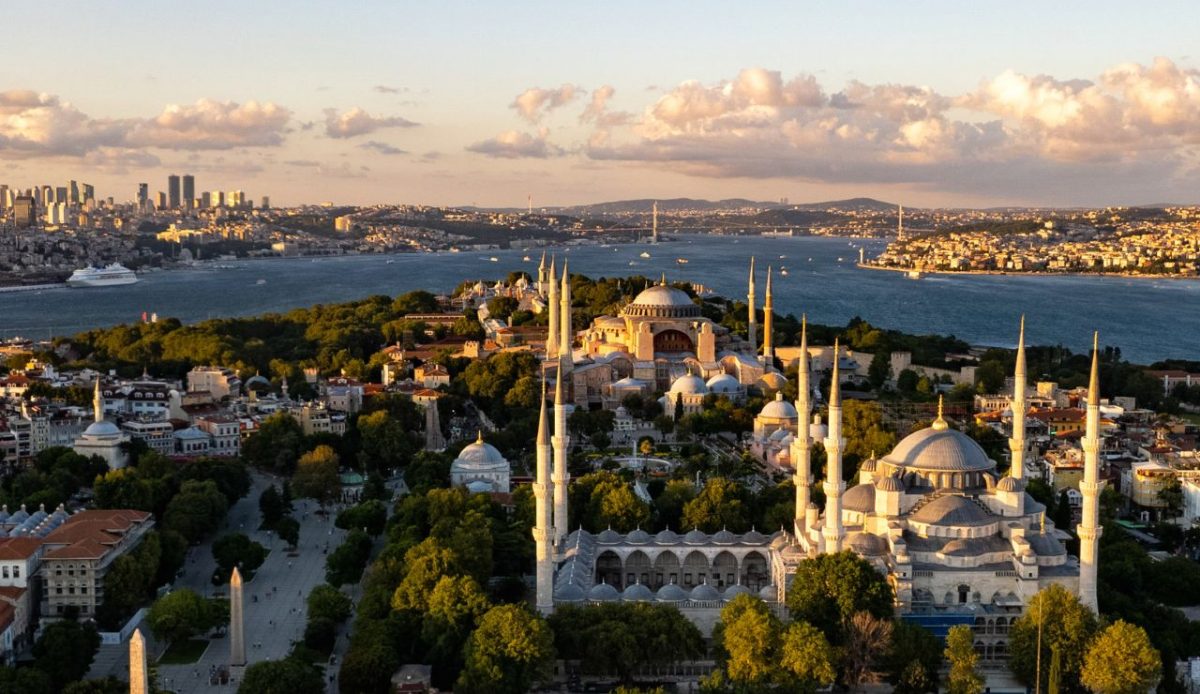
Istanbul’s famous visitor quarters combine markets, squares, waterfront routes, and major historic sites that keep travelers engaged. The city rewards wandering, but that same energy can make people less attentive to belongings and spending decisions.
Problems often begin when visitors focus only on the experience. A crowded tram stop, a busy restaurant row, or a packed market lane can make it easy to lose track of a bag, misread a charge, or respond too quickly to pressure in a tourist setting.
A calmer, more structured approach works better. Keeping cash and cards organized, checking totals carefully, and staying aware in high-traffic zones can help travelers enjoy the city’s intensity without letting the pace make their choices sloppy.
7. New York City, United States
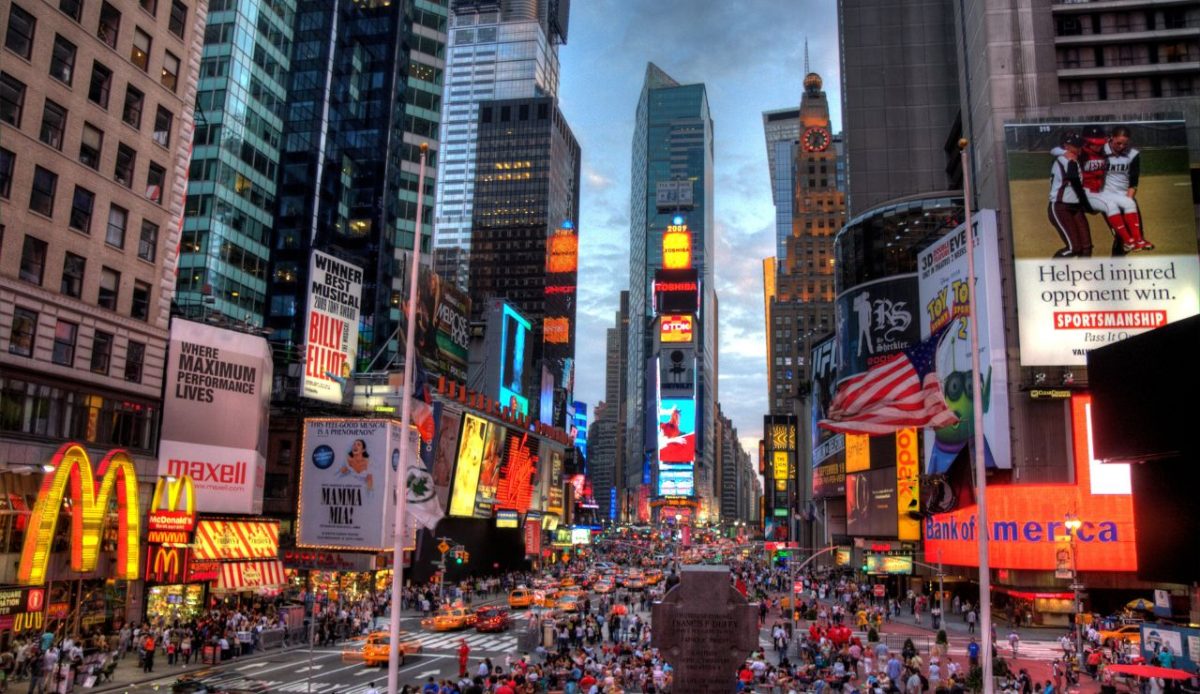
New York’s top tourist districts feel familiar even to first-time visitors because so much of it is recognizable from film and travel media. That familiarity can make travelers act as though they already understand the setting.
In practice, the busiest areas demand attention. People stop suddenly for photos, manage phones while walking, and handle bags carelessly in restaurant rows, transit entrances, and crowded plazas where distractions are constant.
The city is manageable, but not with autopilot thinking. Staying aware of personal items, preparing directions before moving, and avoiding open displays of cash or valuables can help visitors enjoy the pace without becoming easy targets in tourist zones.
8. Dubai, United Arab Emirates
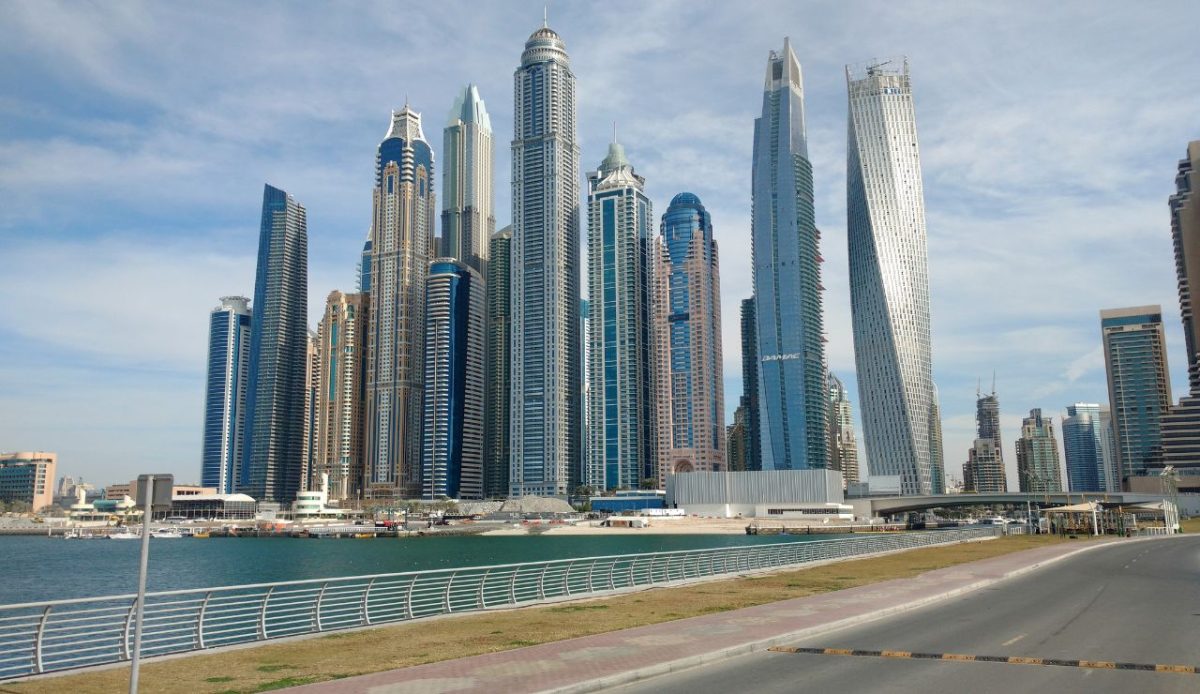
Dubai’s major visitor areas often feel modern and orderly, which can encourage travelers to assume mistakes are unlikely. In polished shopping, waterfront, and resort environments, people sometimes relax more than they would elsewhere.
That confidence can still produce preventable problems. Visitors may leave valuables unattended briefly, rely too quickly on appearances, or stop checking details around purchases, transport, and personal belongings because the setting feels smooth.
The better mindset is relaxed but precise. Keeping items close, reviewing bills and arrangements carefully, and avoiding complacency in upscale tourist zones help travelers enjoy the city without confusing comfort with total protection.
